Newsletters


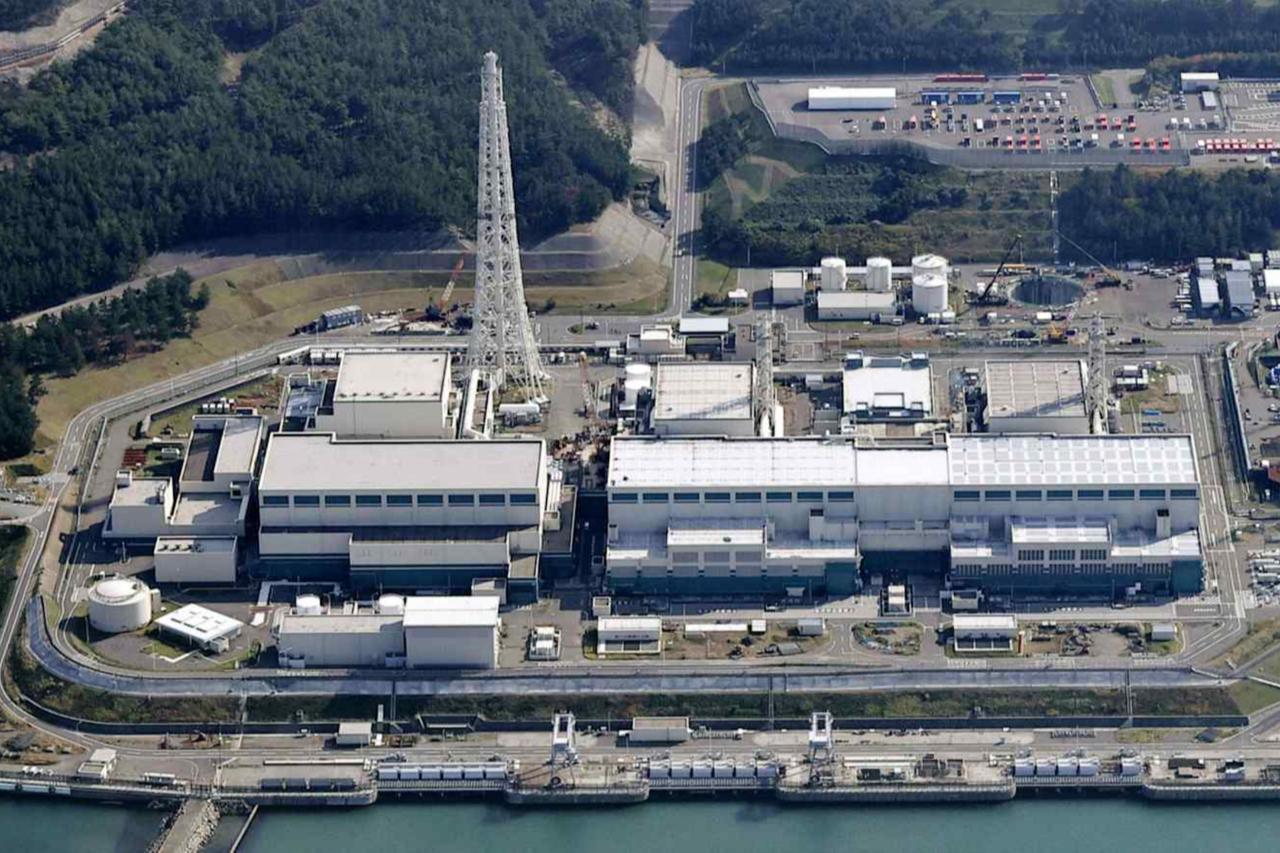


Tokyo Electric Power Company Holdings Inc., began trial power generation and transmission Monday from a reactor at the world’s largest nuclear power plant, marking a key step toward resuming nuclear power supply for the first time in nearly 14 years, Kyodo News Agency reported.
The utility, which continues to grapple with the aftermath of the 2011 Fukushima nuclear disaster, plans to begin full-scale transmission from the No. 6 reactor at the Kashiwazaki-Kariwa nuclear power plant on March 18.
In late January, the No. 6 reactor became TEPCO’s first to restart since the Fukushima Daiichi nuclear complex suffered meltdowns following a powerful earthquake and tsunami on March 11, 2011.
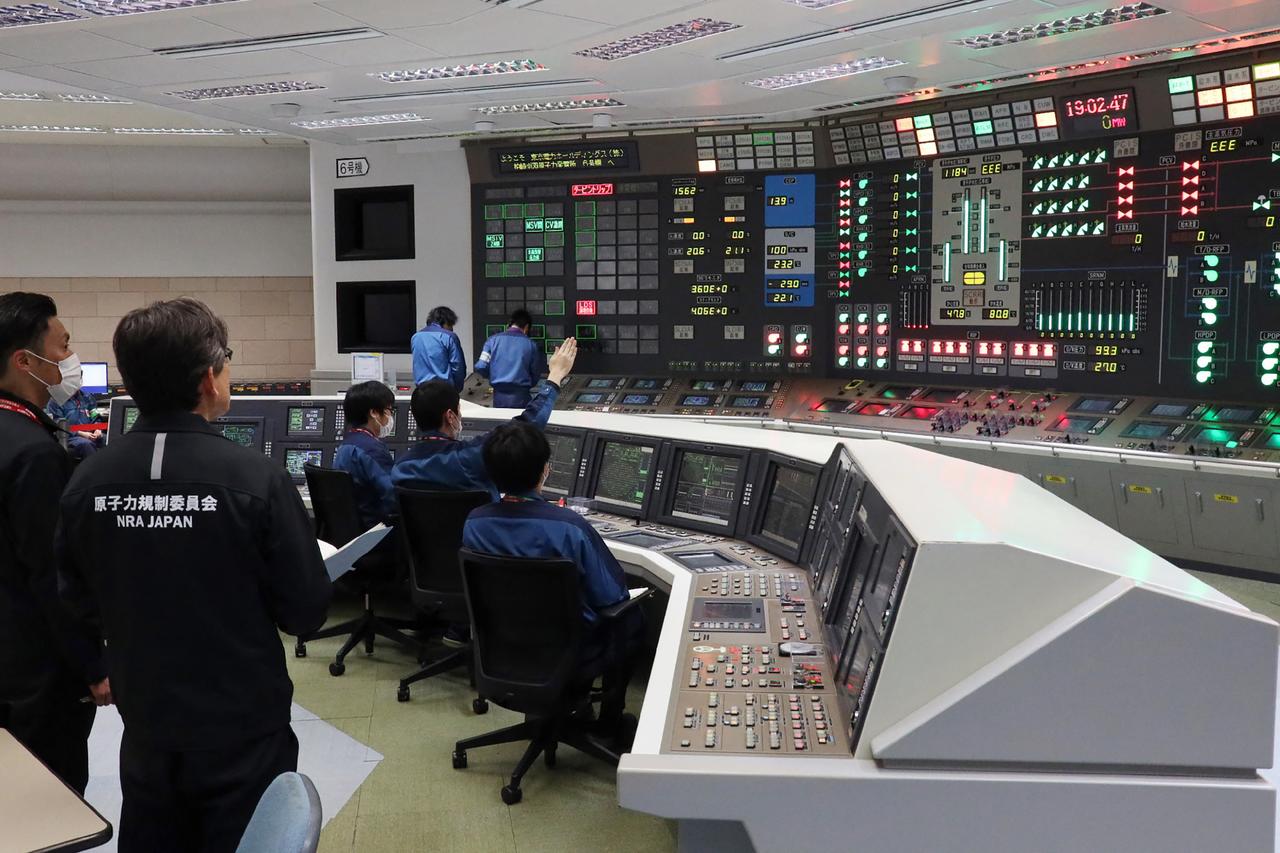
The turbine at the Kashiwazaki-Kariwa plant began operating Sunday evening, with electricity transmission starting early Monday after no abnormalities were detected.
During the trial phase, TEPCO plans to repeatedly disconnect and reconnect the generator while gradually increasing output from 20% to full capacity. The reactor last transmitted electricity in March 2012 before being shut down for routine inspections.
Monday’s transmission was delayed due to a malfunction in a neutron-measuring device, according to the report.
 1 min read
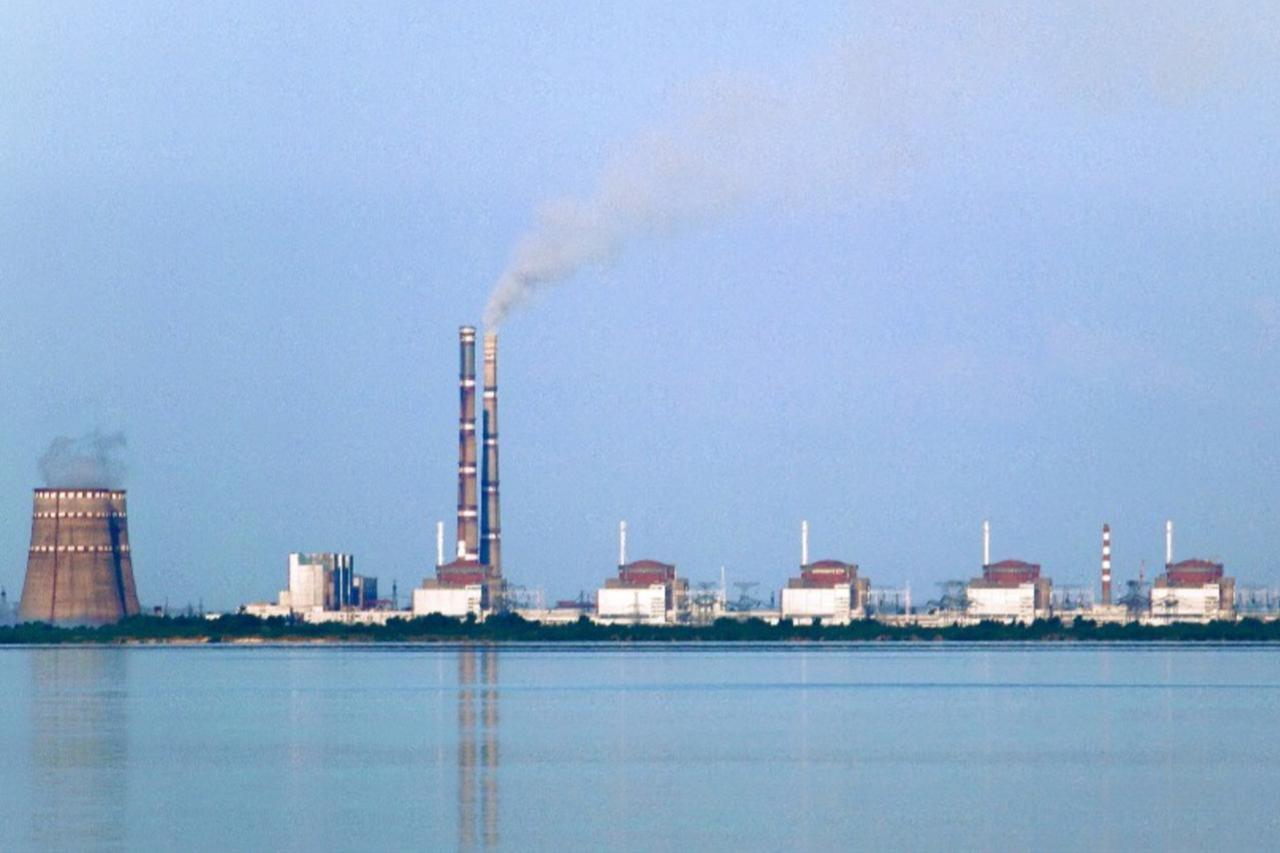
Another reactor at the Kashiwazaki-Kariwa plant is also expected to restart, having already received regulatory approval. However, most nuclear reactors across Japan remain offline amid lingering safety concerns stemming from the Fukushima accident.
The No. 6 reactor was initially restarted Jan. 21 but was shut down after an alarm sounded during control rod extraction. It resumed operations on Feb. 9.
As part of its decarbonization strategy, the Japanese government aims to maximize the use of nuclear energy by restarting reactors that meet stringent safety standards.


 Set as preferred source
 Set as preferred source


 1 min read