Newsletters


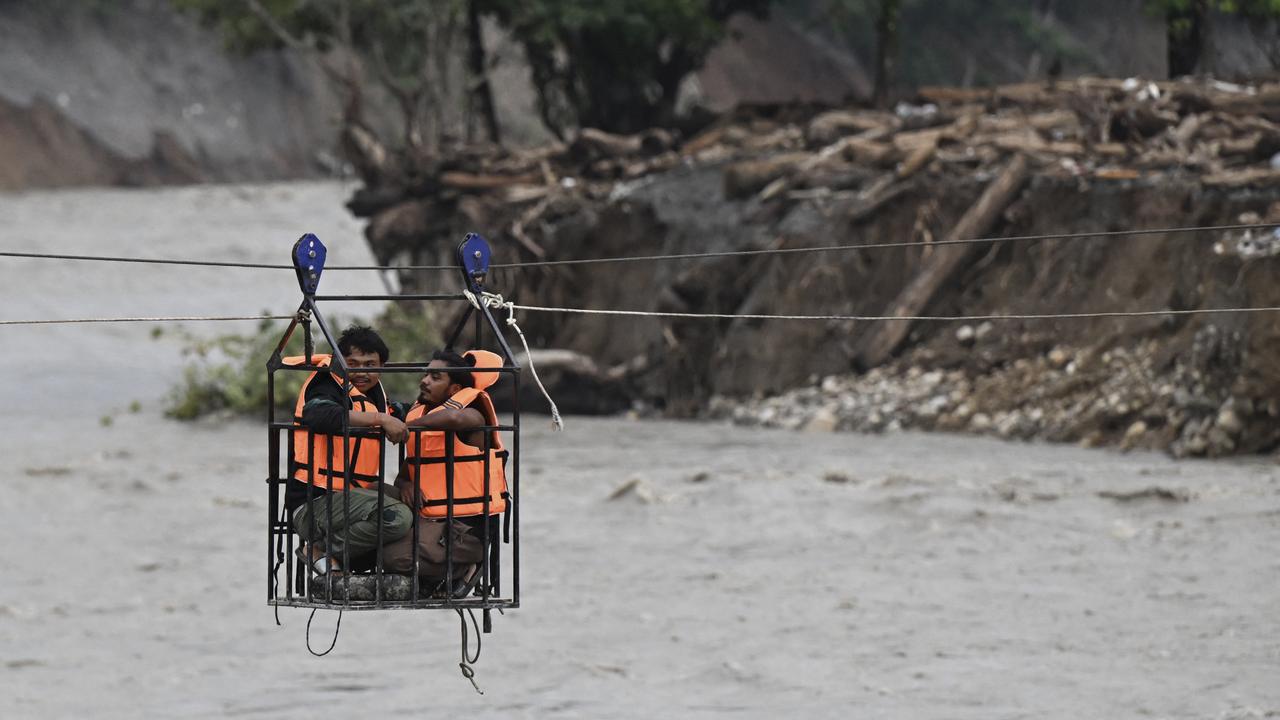
Nearly three weeks after devastating floods swept through parts of Nepal, survivors in Nuwakot continue to return to what remains of their homes, searching through debris for belongings, while families of missing people keep up their search in hospitals in Kathmandu.
The disaster struck on Aug. 26 after a glacier on Nepal's Mount Langtang Lirung fractured at an altitude of about 5,200 meters (17,060 feet), setting off an ice-rock avalanche that developed into a massive debris flow.
Floodwaters and mudslides devastated the districts of Rasuwa, Nuwakot, Dhading, and Kavre, as well as the Kathmandu Valley. The disaster also buried the Gyirong border crossing in Xizang.
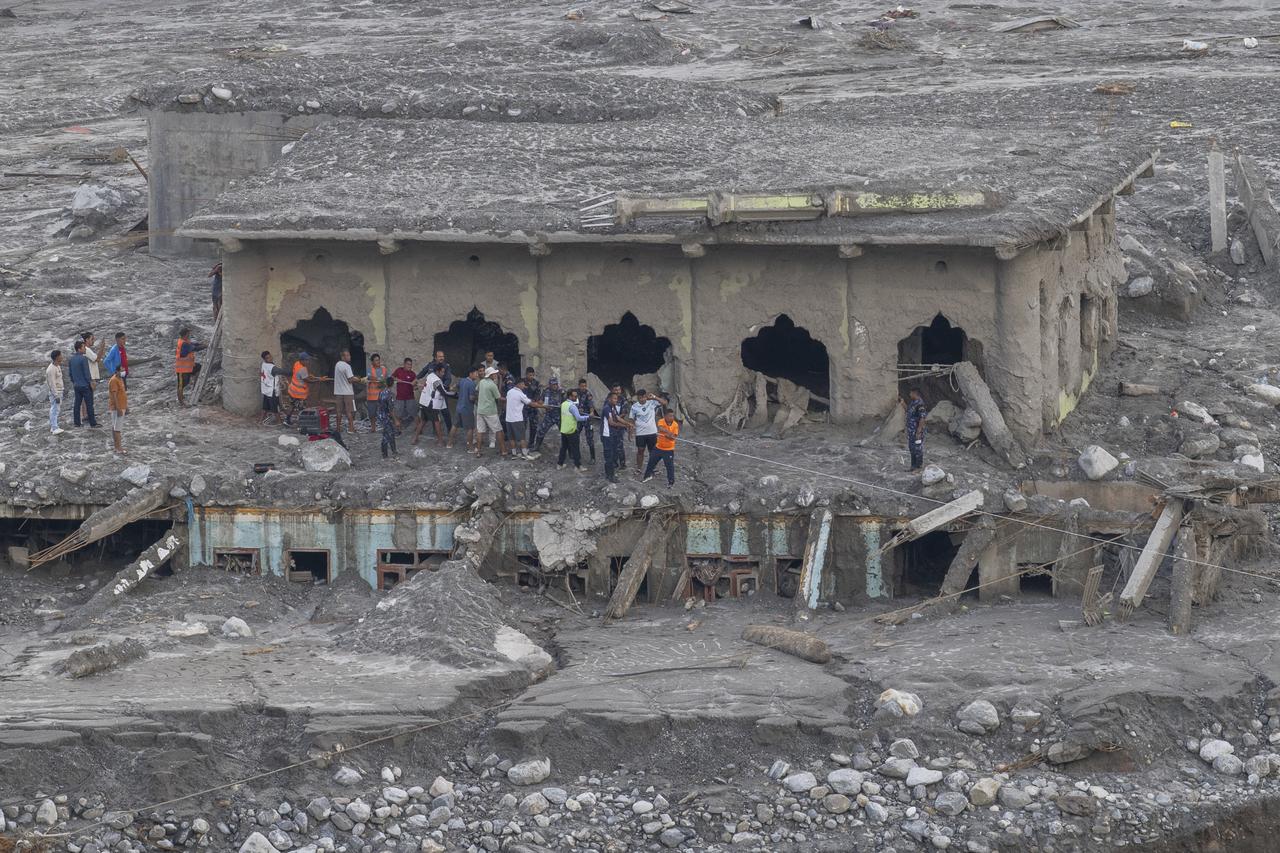

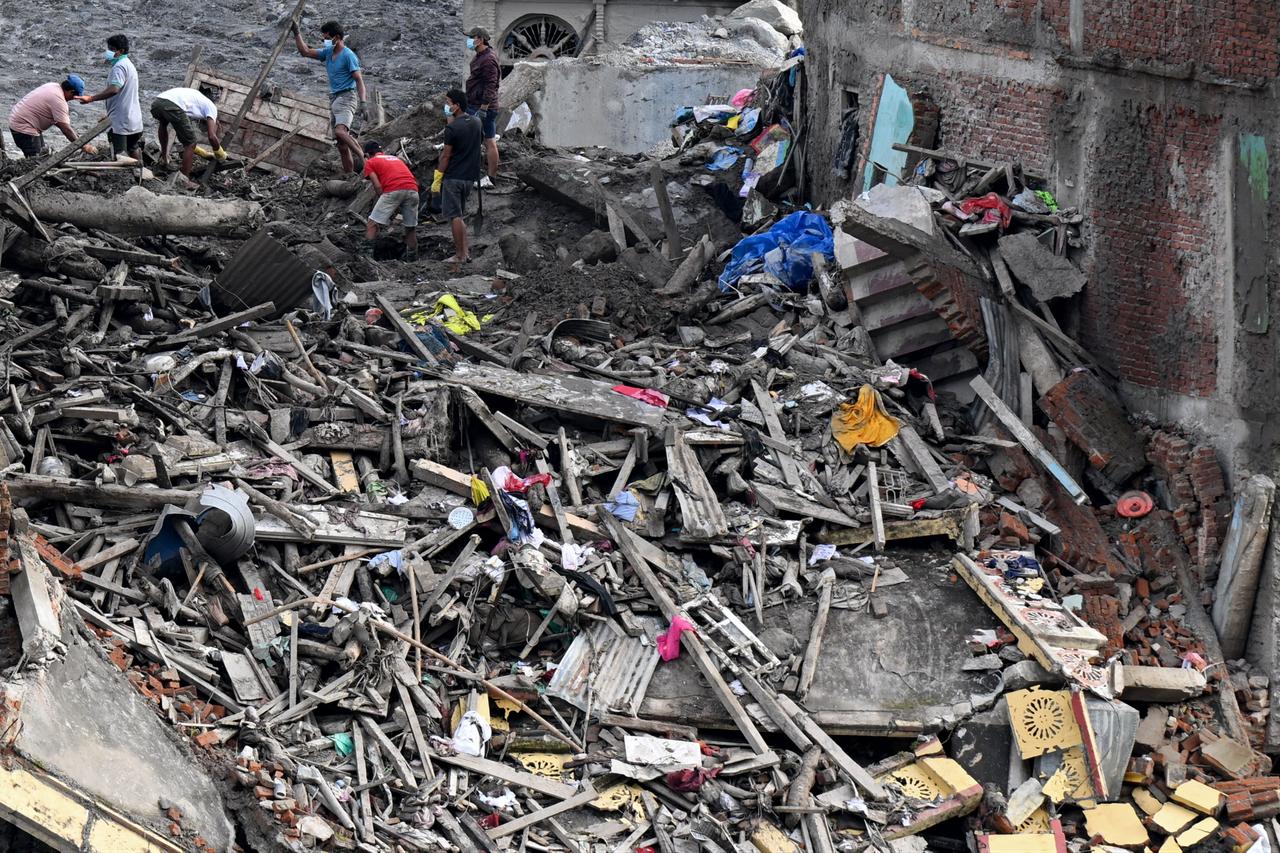
By Sept. 14, people in affected areas of Nuwakot, northwest of Kathmandu, were still going back to the ruins of their homes in hopes of recovering possessions and other remnants of lives swept away by the disaster.
Some survivors searched through piles of debris for anything they could salvage, while others stood where their homes had once been.
Religious figures also visited affected communities to hold prayers for those who died. Some ceremonies continued for one or two days as bereaved families came together to remember their relatives and pray for the peace of their souls.
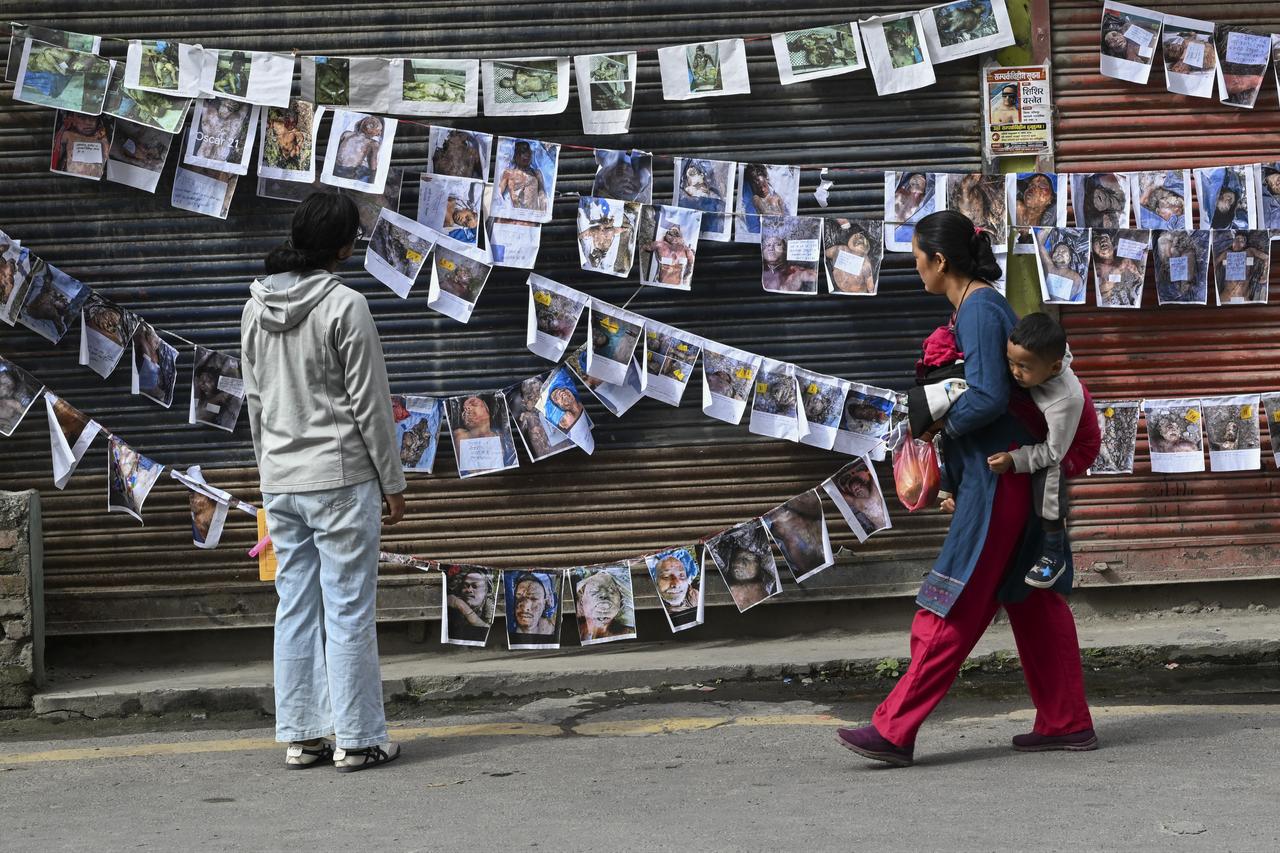
The search for people who remain missing has also carried on in Kathmandu, where families have been visiting hospitals and checking photographs and lists displayed on hospital walls.
Some relatives used mobile phone video calls to show the photographs to family members elsewhere, hoping someone might recognize a missing person and help with identification.
Nearly three weeks after the glacier fracture set the disaster in motion, communities across the affected areas continue to deal with destroyed homes, missing relatives and the aftermath left behind by the floods and mudslides.


 Set as preferred source
 Set as preferred source


 1 min read
 1 min read