Newsletters


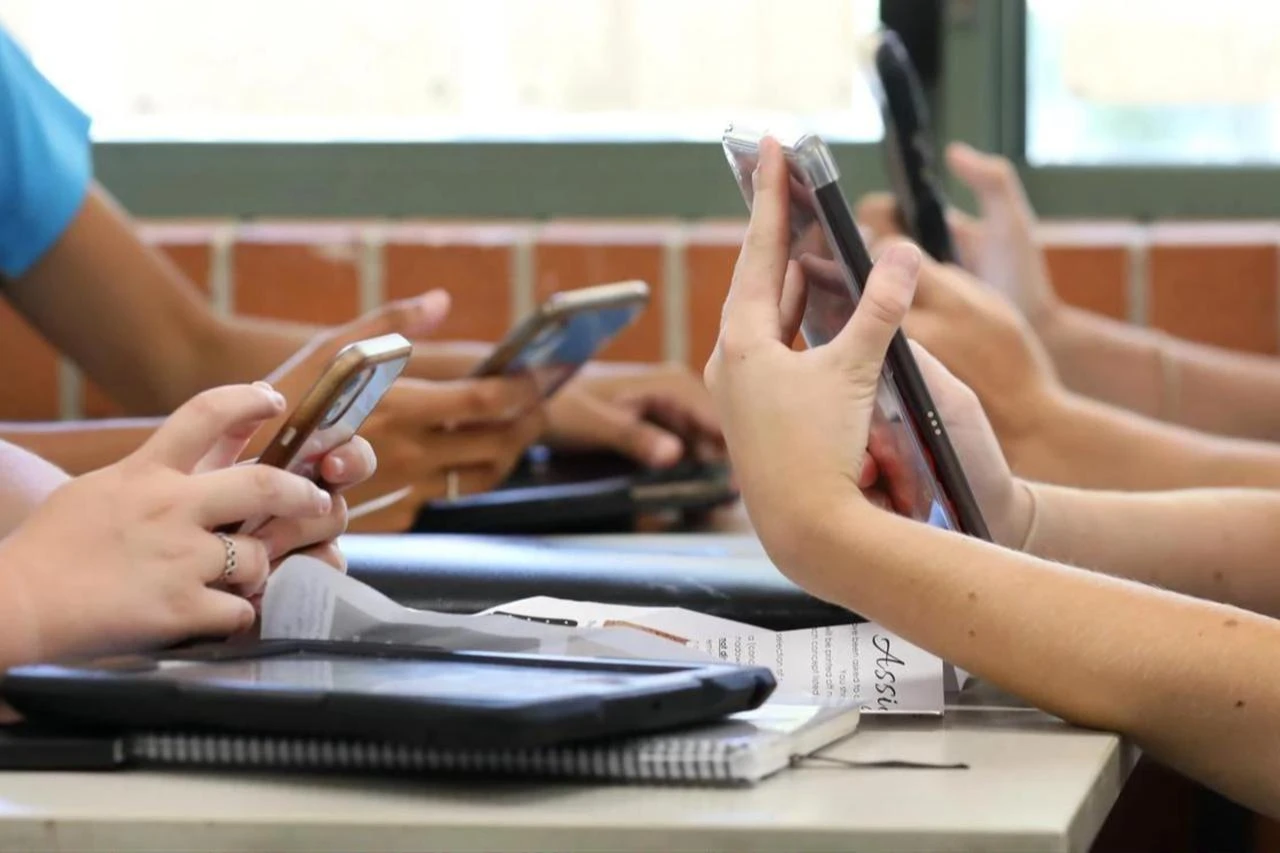


New Zealand's government introduced legislation on Monday to bar under-16s from using social media, joining a growing number of countries seeking to restrict children's access to platforms such as Instagram and TikTok.
Australia implemented similar legislation in December, becoming the first country to ban children from social media, with the United Kingdom, France, and other nations introducing comparable measures since.
Under the proposed New Zealand law, companies including Meta could face fines of up to 10 percent of their global revenue for noncompliance.
"We simply cannot accept the harm being done to a generation of New Zealand children," Prime Minister Christopher Luxon said.
Luxon said one in three children aged between 13 and 17 currently spends at least five hours a day on social media, adding that the platforms expose young users to harmful content, addictive technology, and pressures affecting their family life, mental health, sleep, and education.
He named Instagram, TikTok, Snapchat, and Facebook specifically, saying the platforms would be required to take reasonable steps to confirm users are over the age of 16, using existing account information, facial age estimation, digital ID services, and formal identification.
Platforms would also need to assess the risks they pose to young users and report on how those risks are being addressed, with penalties for companies that fail to meet the requirements.
Education Minister Erica Stanford said the bill places legal obligations on the platforms themselves, adding that no penalties are proposed for children, parents, or caregivers.

It remains unclear whether the bill will pass, as both of the National Party's coalition partners have said they oppose it.
The libertarian ACT Party said it believes the law will not work and that teenagers will find ways around the ban, while the populist NZ First party cited what it called the "colossal failure" of Australia's legislation as grounds for its opposition.
The main opposition Labor Party has submitted a list of questions it wants answered before deciding whether to support the bill, including how age verification would work and which platforms it would cover.
Labor spokesperson Reuben Davidson said young people's safety in New Zealand is at stake, given the risks they face in increasingly complex online environments.
Australia's ban, which took effect last year, covers platforms including Facebook, Instagram, and TikTok and was designed to protect children from online bullying and what officials described as predatory algorithms.
A peer-reviewed study by Australia-based researchers published in June found little evidence that teenagers have moved away from social media as a result of the restrictions.


 Set as preferred source
 Set as preferred source


 2 min read