Newsletters


Nigerian authorities announced Sunday they had freed 130 schoolchildren seized by gunmen from a Catholic boarding school in late November, marking what officials described as the final group held in an ordeal that highlighted the country's deepening security crisis.
Presidential spokesman Sunday Dare confirmed the release in a statement on social media, declaring that no students from the attack on St Mary's co-educational boarding school in Niger state remained in captivity. The announcement came two weeks after government negotiators secured the freedom of approximately 100 students on Dec. 7.
The November raid on the rural school in Papiri hamlet initially left 315 students and staff unaccounted for, according to the Christian Association of Nigeria. Around 50 managed to escape in the immediate aftermath of the attack, fleeing into surrounding bush land as armed men stormed the compound in north-central Niger state.
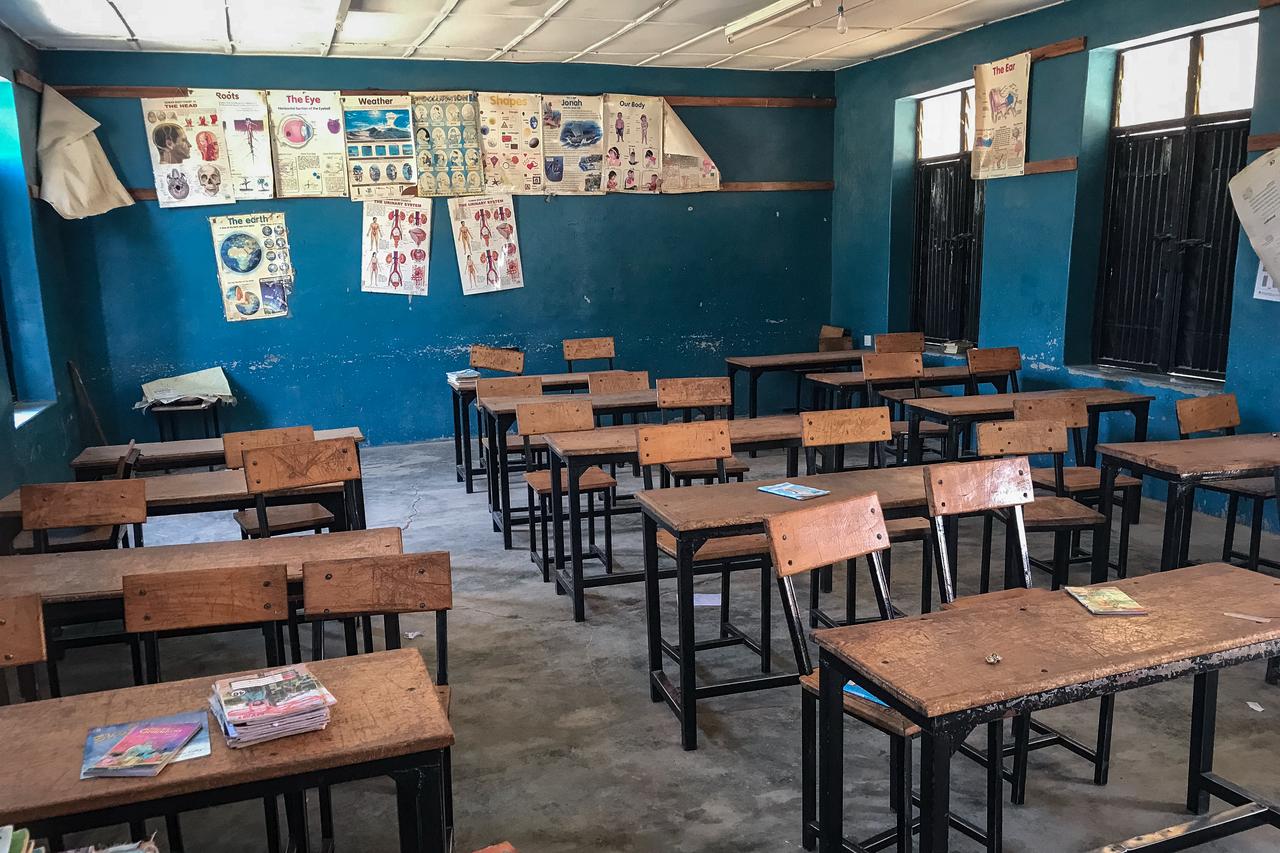

A United Nations source told international media that all those taken in the attack appeared to have been released, though the precise count remained unclear because dozens of children initially believed kidnapped had actually escaped during the raid and made their way home independently.
The verification process faced unusual complications due to the geographic dispersal of students' families across remote areas of Nigeria's countryside. Some villages required three to four hours of travel by motorbike to reach, the UN source explained, delaying confirmation of which children had returned safely.
"We'll have to still do final verification," said Daniel Atori, a spokesman for the Christian Association of Nigeria in Niger state. He confirmed that Niger state Governor Mohammed Umaru Bago had contacted the bishop overseeing the Kontagora diocese, which operates the school, to confirm the children's release, though specific numbers were not discussed in that communication.
Officials did not disclose the identity of the abductors or detail how the government obtained the students' freedom. Security analysts suggested that based on patterns from previous mass kidnappings, authorities likely paid a ransom despite federal laws technically prohibiting such payments.
The St Mary's kidnapping unfolded amid a surge of mass abductions across Nigeria in November, including the seizure of two dozen Muslim schoolgirls, 38 church worshippers, and a bride along with her bridesmaids. Farmers, women, and children were also taken hostage in separate incidents during the same period.
Nigeria grapples with overlapping security threats spanning its vast territory. Extremist insurgents operate in the northeast, where Boko Haram militants have waged a 15-year campaign, while armed criminal gangs known locally as "bandits" terrorize communities in the northwest, frequently targeting schools and travelers for ransom payments.
The November kidnappings drew renewed international scrutiny to Nigeria's security situation, particularly after U.S. President Donald Trump alleged that mass killings of Christians in the country constituted genocide and threatened potential military intervention. Nigerian government officials and independent security analysts have rejected that characterization, which has been promoted by Christian advocacy groups in the United States and Europe.
The 2014 abduction of nearly 300 girls from a boarding school in Chibok by Boko Haram extremists first thrust Nigeria's kidnapping epidemic into global consciousness. A decade later, kidnap-for-ransom operations have evolved into what a recent report by Lagos-based SBM Intelligence described as a "structured, profit-seeking industry" that generated approximately $1.66 million between July 2024 and June 2025.
The ransoming of hostages has become a significant revenue stream for both organized criminal networks and militant groups operating across Nigeria's poorly policed rural regions, where government security forces often lack the resources or capacity to prevent attacks or pursue armed gangs into their forest hideouts.


 Set as preferred source
 Set as preferred source


 1 min read


 1 min read