Newsletters




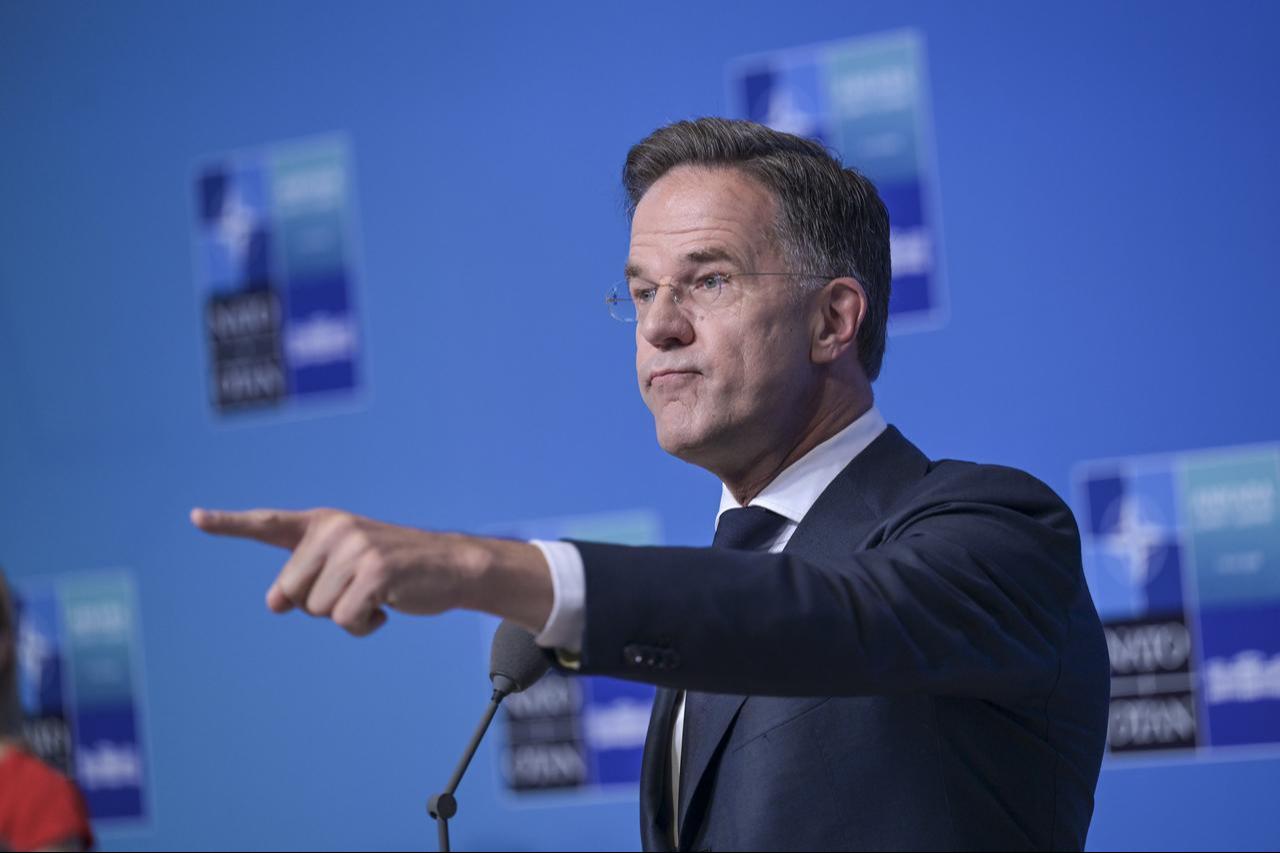
NATO Secretary-General Mark Rutte said Wednesday he sees no imminent Russian threat to alliance territory but warned Moscow that NATO would defend itself if attacked, while insisting U.S. intelligence sharing with Ukraine "has not stopped."
"Of course, what we will exactly do if the Russians are stupid enough to attack, you will see then," Rutte said at a news conference with Estonian Prime Minister Kristen Michal.
"I will not go into depth. But you can be assured we will defend ourselves," he added.
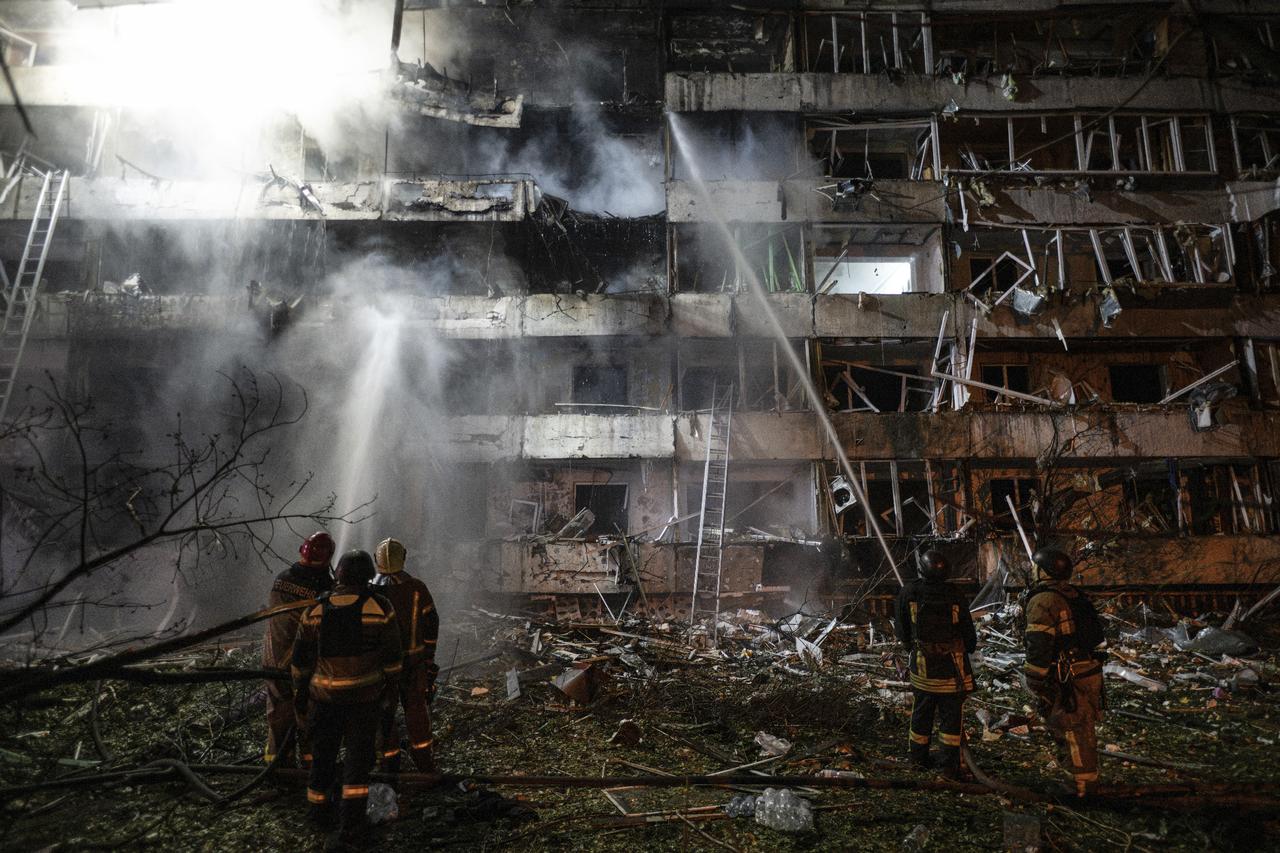
Rutte's remarks come amid Ukrainian accusations that Washington failed to warn Kyiv of Russian strikes, rising Russian hybrid attacks on European allies, and heavy overnight Russian strikes that killed at least seven people in Ukraine.
Asked whether Russia might attack a NATO member, Rutte said: "We don’t think so," adding that there was "no imminent threat against NATO territory" but that "if we see a build-up, we will react to it."
"We have forward land forces deployed in a coordinated way along the eastern flank. So the message is clear," he said, noting, "We will defend every inch of our territory, whether people live there or not."
"We will never, ever mount an attack towards anyone else because that is not in our interest. We are a defensive alliance," Rutte stated.
"We want to protect our way of life, our interests, our values and our cultures. That is our purpose for being here, not attacking others," he added.
“With winter coming and with Russia's aggression unrelenting, allies need to do more, especially in support of air defense," Rutte stated, adding, "Putin is trying to weaken our resolve and stop our support for Ukraine, but Russia is failing. It is failing on the battlefield in Ukraine and we will not be intimidated."
He praised Estonia’s contribution to the PURL initiative, under which European allies fund U.S. weapons for Ukraine. "This is the best response we can give to any Russian hybrid attack," he said.

Asked about reports that U.S. intelligence sharing with Ukraine had been halted and that SpaceX had slowed Starlink for Ukrainian users, Rutte said, "I think the president was very clear yesterday when he had a short moment with the media leaving the White House for a campaign event, when he said intelligence sharing has not stopped."
Asked Tuesday whether the U.S. had cut intelligence sharing, Trump said, "No, we haven’t."
"We are helping them, and we are sharing intel. We want the war to end, so we’re working with them and with Russia on getting the war to end," he said.
"The U.S. has not changed its policy on intel-sharing with allies and partners, such as Ukraine,” a U.S. official told Agence France-Presse (AFP).
A senior Ukrainian official, however, told AFP that the United States was essentially "helping Russia" by not warning Kyiv of incoming strikes and slowing Starlink.
The European Commission said it had "no indications that intelligence sharing has stopped," spokesperson Paula Pinho said.
"When it comes to all these hybrid, cyber and other activities carried out by the Russians, we have trained and prepared for them. We have all the response options we need," Rutte stated.
"You will not always see what we do. It will not always be public. We will not always respond in the same way. Sometimes symmetric, sometimes asymmetric," he added.
"But here’s the main thing: we are stronger. Russia is not in a good place. These hybrid attacks, whatever it is, are a sign of weakness. What they allow us to do is to talk about it the whole day and to be rattled and to have press conferences on it. We’re not going to do that. We will react where we need to react," Rutte said.
He cited NATO's Baltic Sentry mission, launched in January 2025 after undersea cables were cut, as a visible response, and said allies would "stay calm and carry on," as Rutte sought to reassure NATO’s eastern flank.


 Set as preferred source
 Set as preferred source


 1 min read
 1 min read