Newsletters




North Korea denounced a joint U.S.-Japan military exercise Monday, accusing Tokyo of using the "confusing" global situation to justify becoming a "war nation," as South Korea said it remained in close coordination with the U.S. after criticism over its delayed disclosure of Pyongyang's latest weapons tests.
Pyongyang criticized Japan for taking part in the Resolute Dragon exercise, accusing it of sharpening its "invasion capability," according to an editorial carried by the Korean Central News Agency.
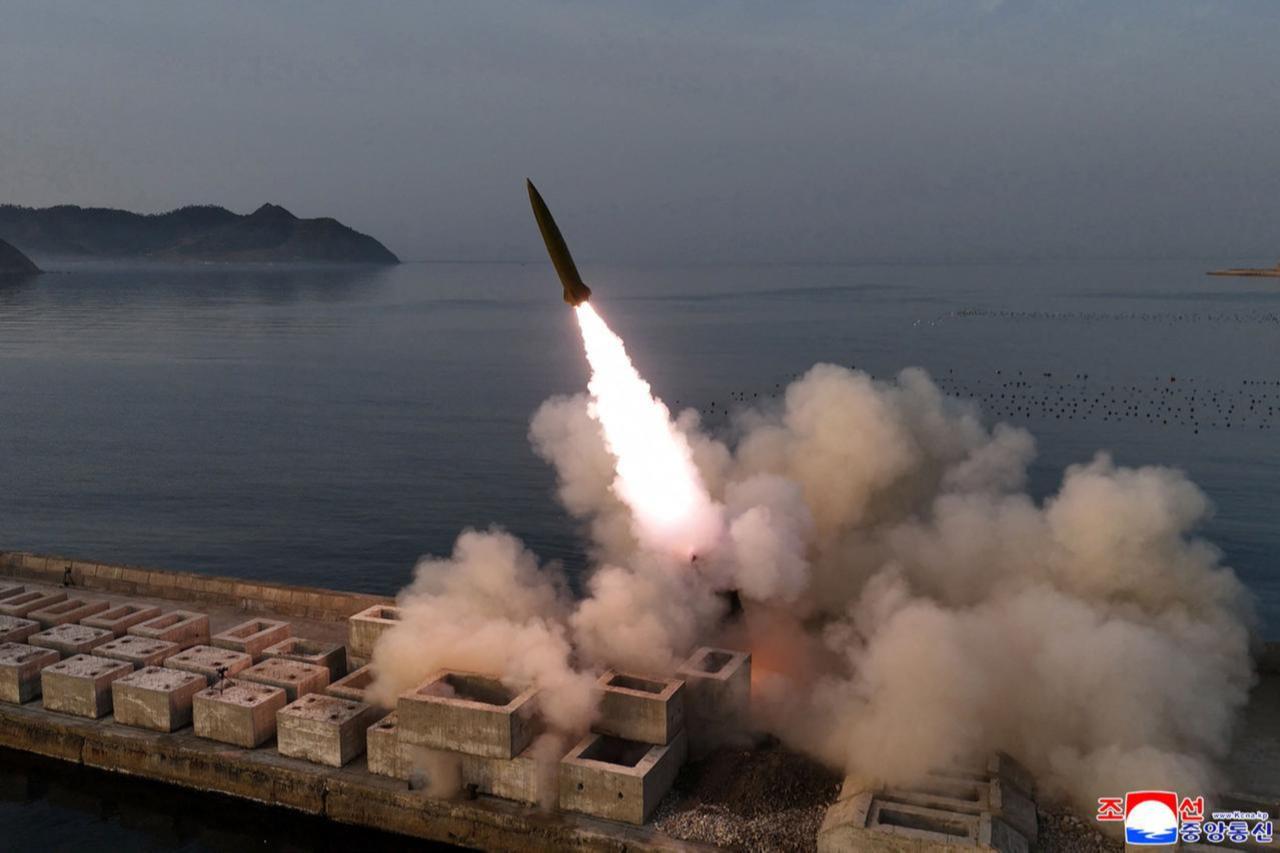
The comments came after North Korea conducted tests of a new multiple rocket launcher and other key weapons on Thursday, overseen by leader Kim Jong Un.
South Korea's military did not disclose details of the test-firing on the day it happened, prompting questions over whether Seoul had withheld information or failed to detect the launch in time.
North Korea said Japan had aggravated the regional security situation by deepening military ties with the U.S.
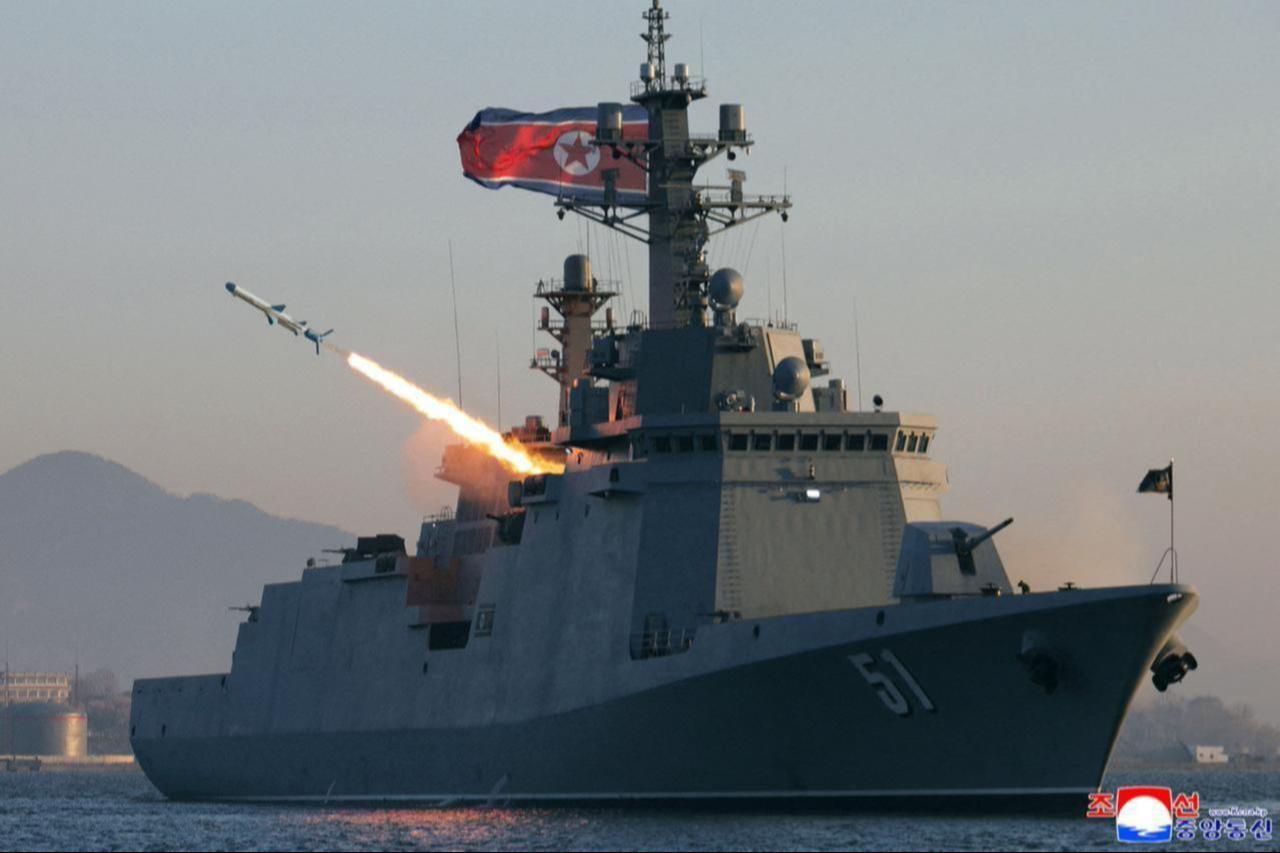
Pyongyang claimed that long-range missiles were test-fired in a "preemptive" capacity intended to strike neighboring countries during Japan's first participation in a U.S.-led multinational exercise in the Asia-Pacific region in April and May.
It warned Tokyo of a "tragic end" if it continued its "reckless" military behavior.
The Resolute Dragon exercise involves Japan's Ground Self-Defense Forces and the U.S. Marine Corps.
The drill began on June 20 in Okinawa and Kyushu, major islands in southwestern Japan, and is scheduled to end on Tuesday.

South Korea said Monday it is in "close" coordination with the U.S. on North Korea's missile launches, as criticism grew over the delayed announcement of Pyongyang's latest launch.
"South Korea and the U.S. detected and tracked in real time multiple projectiles launched by North Korea on June 25, maintaining close coordination for all contingencies," said Col. Lee Kyung-ho, deputy Defense Ministry spokesperson.
Lee said the projectiles are classified as "tactical weapons systems" and that detailed specifications would be finalized after a comprehensive analysis.
He also said the dedication of South Korean and U.S. service members should not be undermined through "political interpretations."
North Korea conducted the tests on Thursday, but South Korea's military did not disclose details of the launches on the same day, according to Seoul-based Yonhap News.
The delay raised questions about whether South Korea withheld the information or failed to detect the launch in time.
Local media reported that the U.S. decision to limit information-sharing with South Korea on North Korea's military movements may have affected Seoul's ability to track them in real time.
South Korea, however, said it had detected and tracked the projectiles with the U.S. and maintained coordination for possible contingencies.
North Korea's latest tests involved an upgraded version of the 240mm-caliber 24-tubular multiple rocket launcher system.
The tests also included "special mission" warheads for tactical ballistic missiles and extended-range shells for a 155mm self-propelled howitzer.
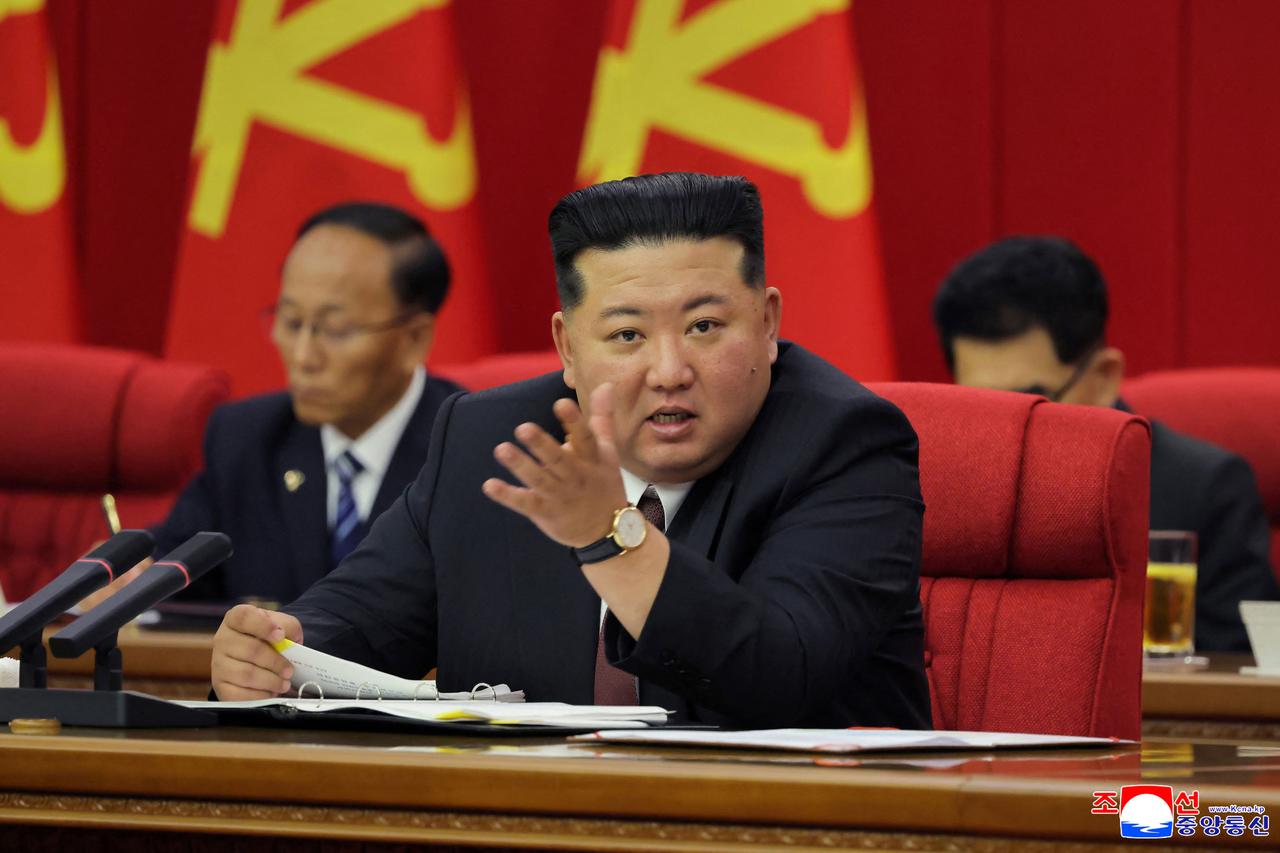
The weapons tests were overseen by Kim Jong Un, according to reports.
The developments came as Pyongyang denounced U.S.-Japan military cooperation and warned Japan over its participation in regional military exercises.


 Set as preferred source
 Set as preferred source


 2 min read
 1 min read