Newsletters


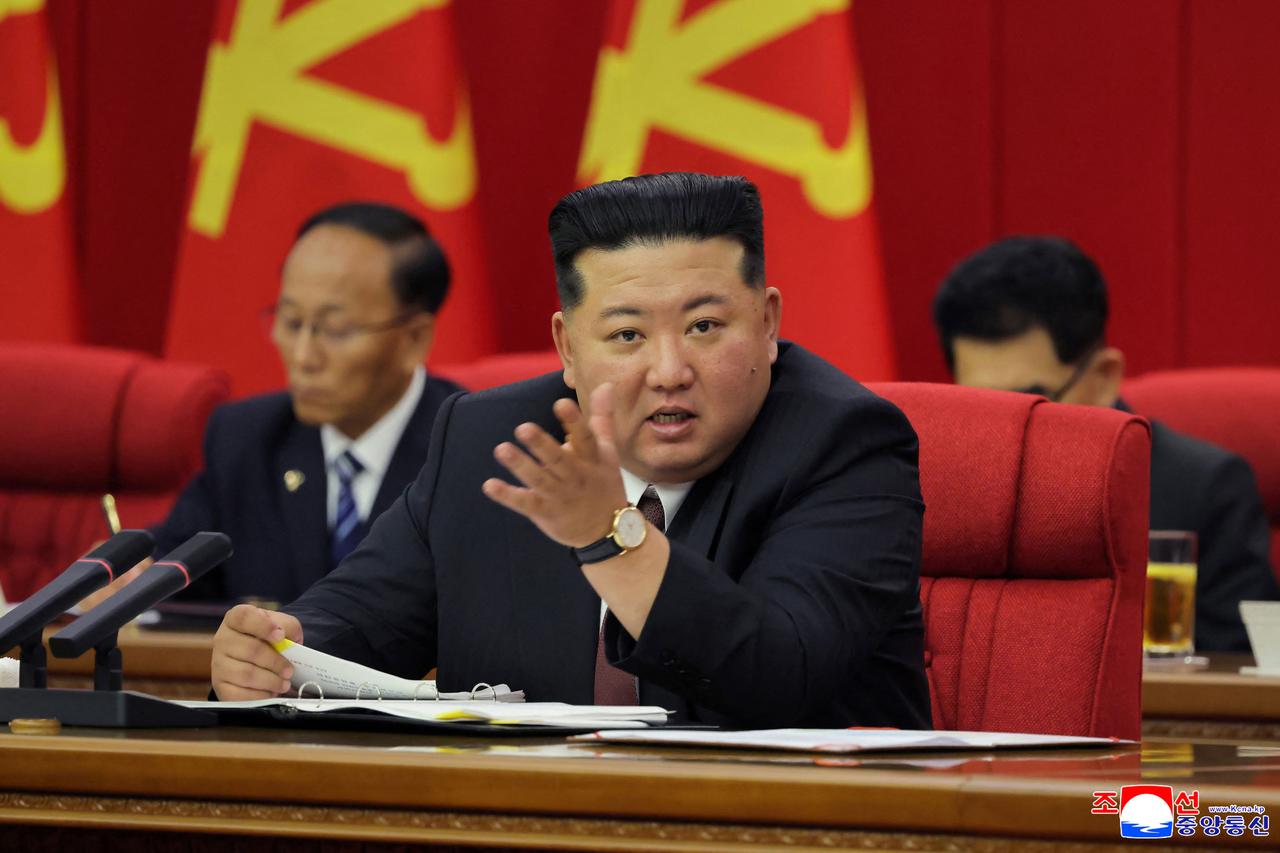


North Korean leader Kim Jong Un vowed to accelerate the country's military buildup and expand its nuclear forces, saying military modernization by the U.S. and South Korea is pushing the Korean Peninsula toward the "brink of a nuclear war," state media reported Tuesday.
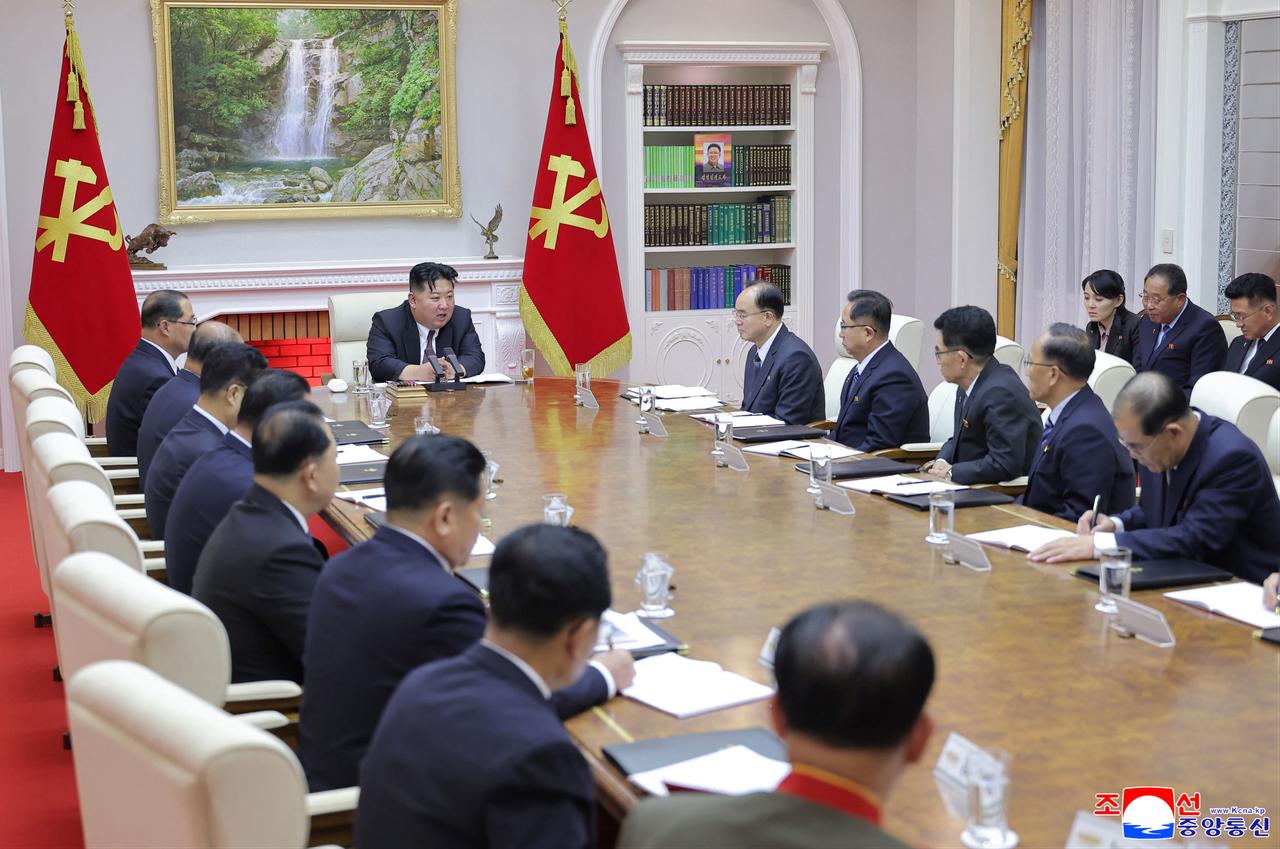
Kim made the remarks during the Second Plenary Meeting of the Ninth Central Committee of the Workers' Party of Korea, held from Saturday to Monday, according to the Korean Central News Agency, or KCNA.
The meeting, presided over by Kim, reviewed policy initiatives and progress on the country's economic and strategic goals for 2026, while setting priorities for the remainder of the year.
Kim "reaffirmed the steadfast policy stand of our Party and state to beef up the national defence capabilities faster," KCNA quoted him as saying in his concluding speech.
North Korea is under multiple sets of sanctions over its nuclear program. The two Koreas also remain technically at war because the 1950-53 Korean War ended with an armistice, not a peace treaty.

Kim criticized the U.S. and South Korea for expanding and modernizing their military capabilities in the region.
KCNA quoted Kim as saying "the U.S. and the ROK are pushing forward with the ROK's possession of a nuclear submarine while getting evermore undisguised in their moves towards the reinforcement and modernisation of armed forces in the region," referring to South Korea by the acronym of its official name, the Republic of Korea.
Kim said those moves were "pushing the situation in the Korean peninsula to the brink of a nuclear war," according to KCNA.
He also criticized joint military exercises and intelligence-gathering activities by the U.S. and South Korea.
North Korea expressed particular concern over the U.S.-South Korea Nuclear Consultative Group, or NCG, a mechanism established to coordinate nuclear deterrence and strategic planning.
KCNA described the NCG as a "nuclear war" structure and accused the allies of preparing detailed conflict scenarios involving both conventional and nuclear forces.
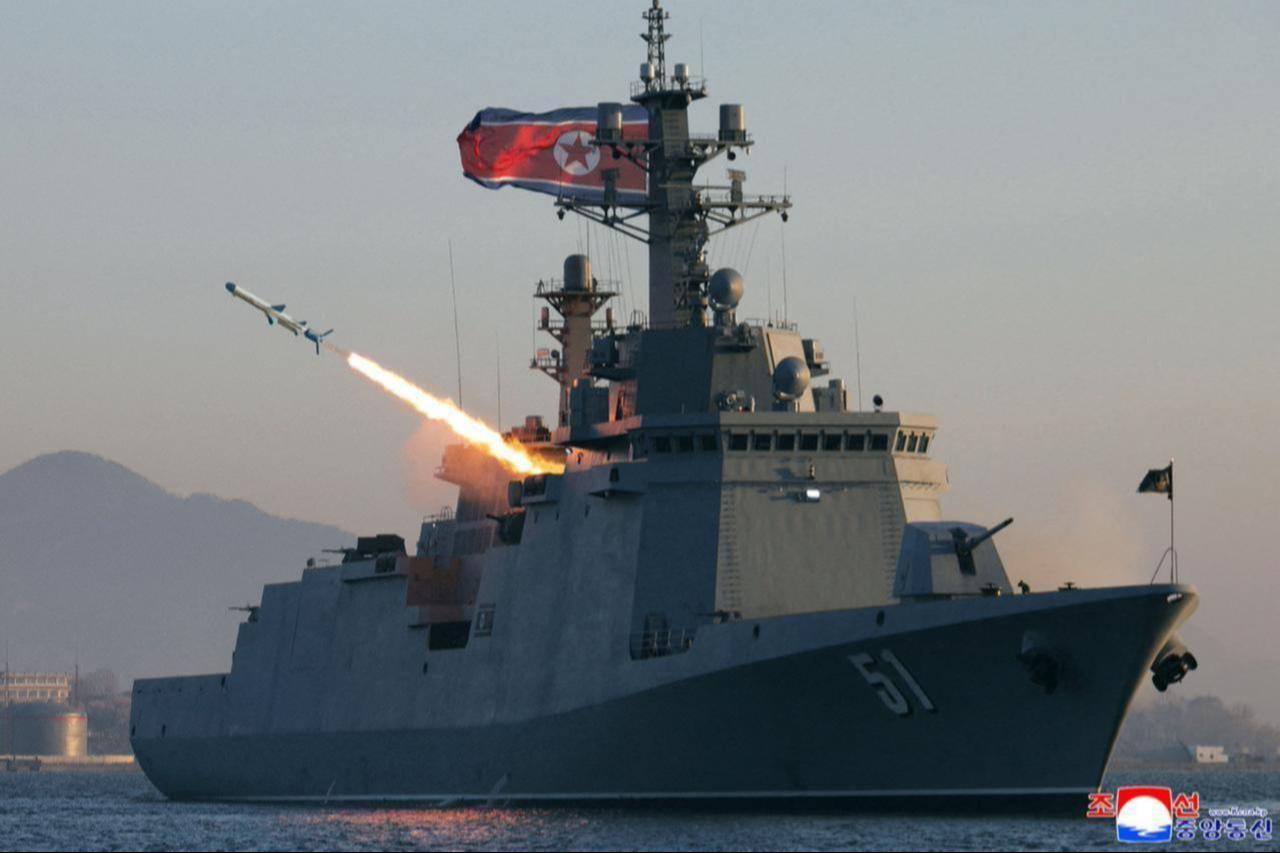
Kim said North Korea's response to the regional security situation would be to "further expand and strengthen the powerful and absolutely reliable deterrent for self-defence."
The plenary meeting concluded that expanding and strengthening North Korea's nuclear forces remains essential to safeguarding the country's "military sovereignty" and ensuring its ability to deter or respond to war, according to KCNA.
KCNA said the meeting "unanimously recognised that to steadily expand and strengthen the nuclear forces ... is the most correct and unique way to actively and confidently cope with the unpredictable international military and political situation."
The meeting reaffirmed North Korea's position as a nuclear-armed state and emphasized nuclear arms as the cornerstone of the country's national defense strategy.
KCNA said the development of a war deterrent "with nuclear technology as a basis" would proceed "at increasing speed."
Kim also highlighted advances in nuclear technology and said more ambitious weapons-development plans would be pursued at an accelerated pace, signaling that North Korea intends to continue expanding its nuclear capabilities despite international pressure and sanctions.
Kim's rhetoric can be seen as "a narrative that justifies strengthening its nuclear capabilities in line with movements from South Korea and the U.S.," Hong Min, an analyst at Seoul's Korea Institute for National Unification, told Agence France-Presse (AFP).
Hong said the wording used by North Korea "effectively shuts down any room for denuclearisation talks and treats the irreversibility of its nuclear status as a fait accompli."
He added that it also showed Pyongyang's intention to "use nuclear weapons as a standing diplomatic and strategic lever."
Pyongyang has repeatedly declared itself an "irreversible" nuclear state since a 2019 summit between Kim and U.S. President Donald Trump in Hanoi collapsed over the scope of denuclearization and sanctions relief.
Kim's sister, Kim Yo Jong, said this month that North Korea's nuclear policy was a "line of no retreat," reiterating the country's position that it has no intention of giving up its nuclear arsenal.
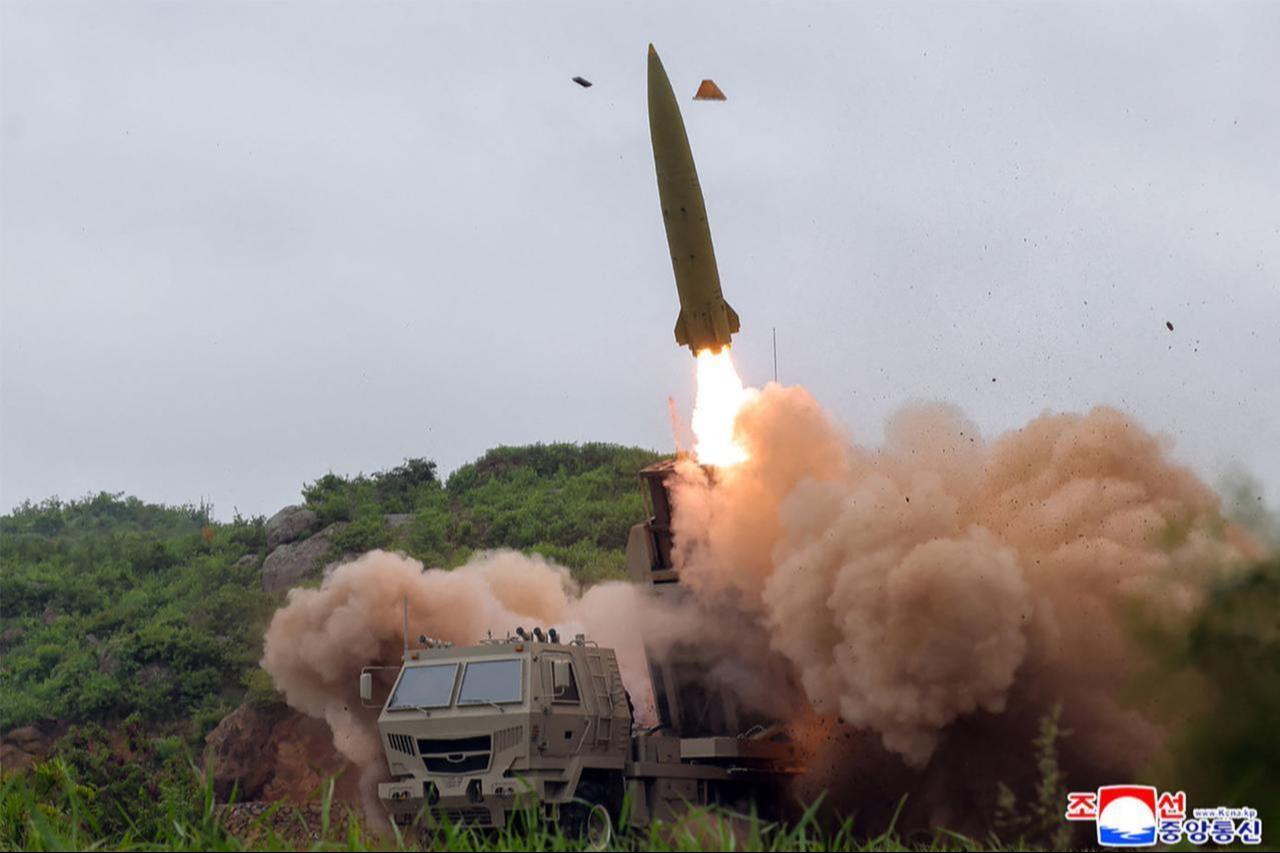
Kim also criticized Japan, saying it had openly turned itself into a "war state" by using current regional conditions as an opportunity to remove restrictions on its moves to become a military power.
South Korean President Lee Jae Myung said last week that Trump had told him it was time to "pay attention to the North Korea issue."
Lee told reporters that he had told Trump during a meeting at the G7 in France that sanctions on North Korea were "ineffective."
"I also said that we can no longer deal with the North Korean nuclear issue in the same way we deal with other countries, and President Trump agreed," Lee said.


 Set as preferred source
 Set as preferred source


 1 min read
 1 min read