Newsletters


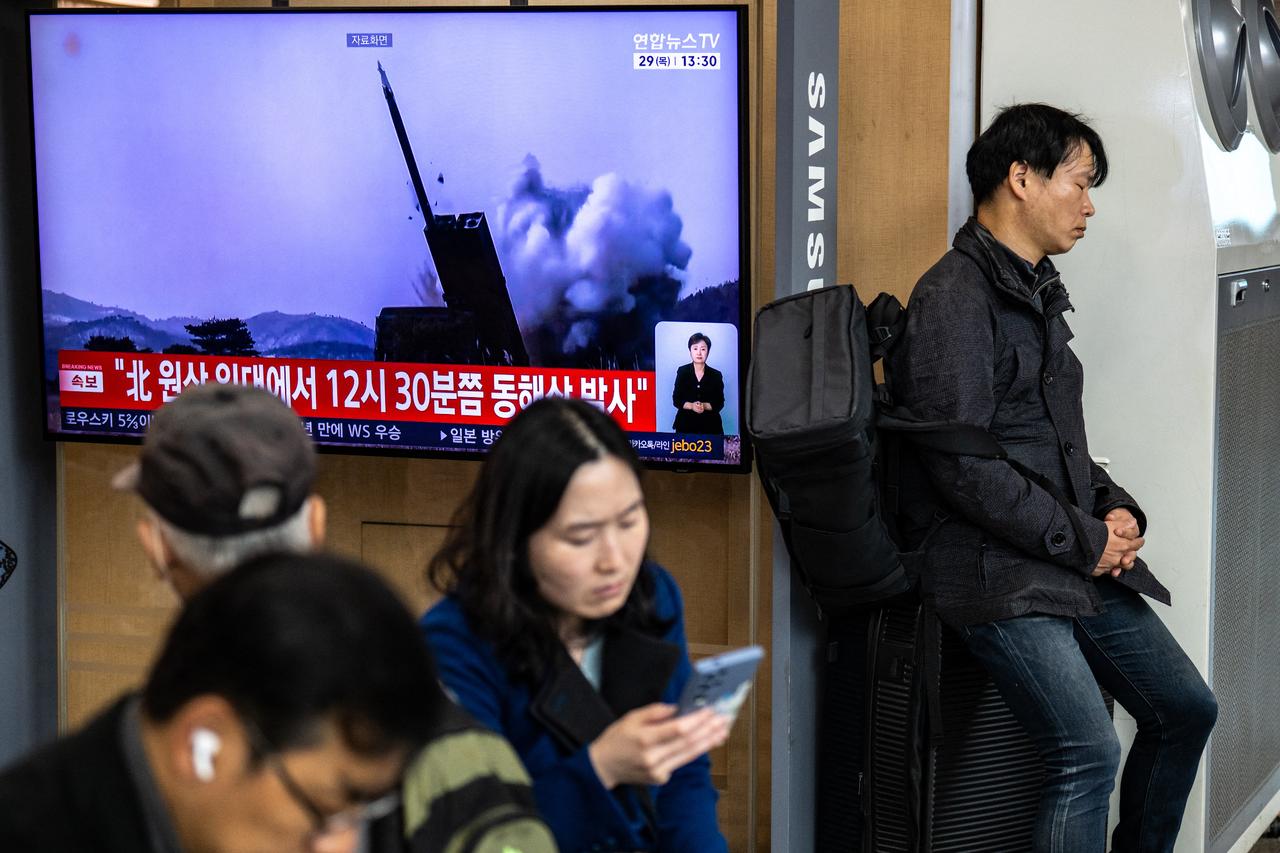


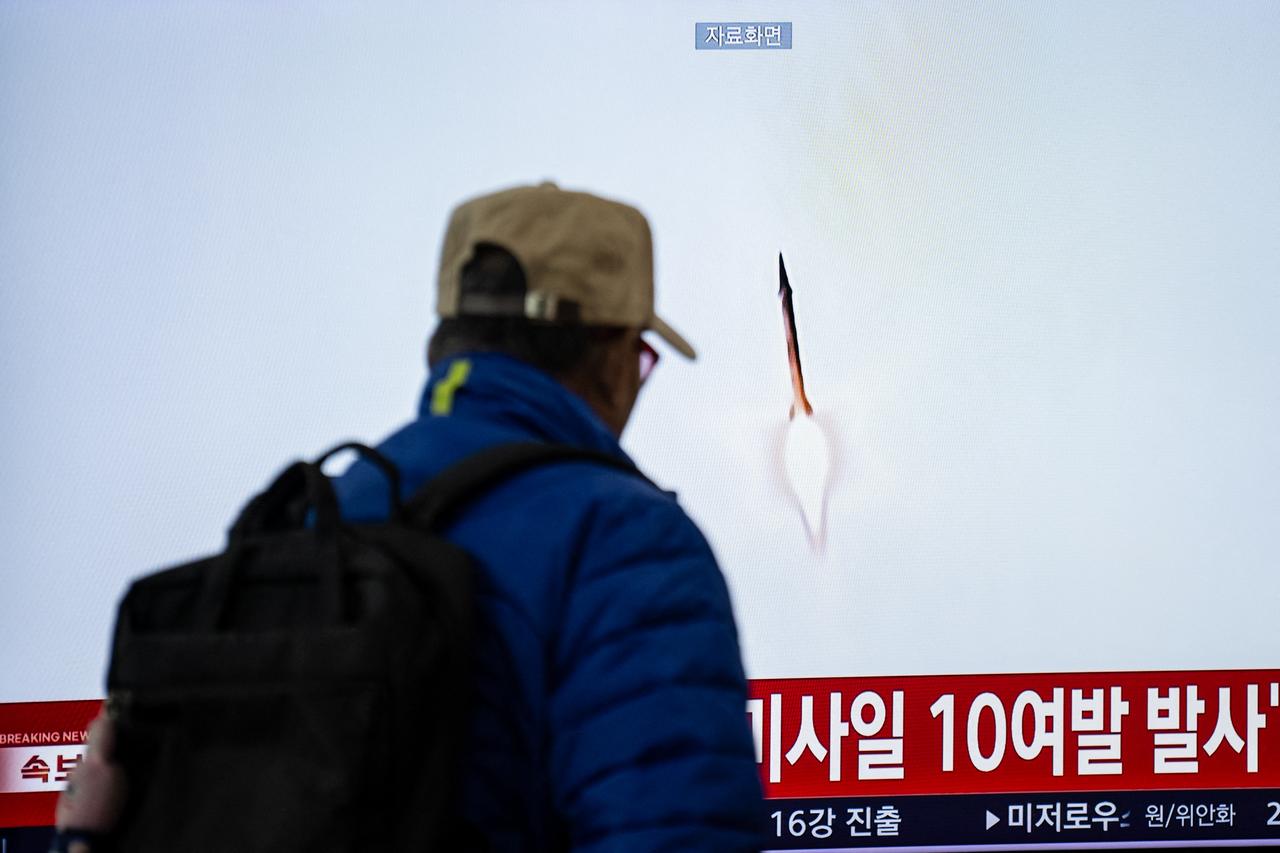
North Korea fired around a dozen short-range ballistic missiles toward the sea off its east coast Thursday, South Korea's military said, as tensions between the two countries intensified over a border landmine explosion that injured three South Korean soldiers.
South Korea's Joint Chiefs of Staff (JCS) said it detected "around a dozen short-range ballistic missiles fired from the Wonsan area of North Korea towards the East Sea," also known as the Sea of Japan.
"Our military has stepped up surveillance and vigilance against possible additional launches," the JCS said in a statement.
Japan's Defense Ministry separately reported that North Korea had fired "what may be a ballistic missile," according to Kyodo News.
The Japan Coast Guard subsequently said that "an object that appears to be a ballistic missile launched from North Korea seems to have already fallen," urging vessels in the area to remain vigilant, monitor further information and avoid approaching fallen objects.

The latest launches came less than a week after Seoul proposed military talks with Pyongyang to address a growing dispute over a landmine explosion along their heavily fortified border.
Three South Korean soldiers were wounded in the explosion, prompting a joint investigation by Seoul and the United Nations.
The investigation concluded earlier this month that North Korea had planted the landmines more than a year ago.
South Korea described the incident as "a clear violation of the Armistice Agreement" and called on Pyongyang to resume dialogue.
Last week, Seoul proposed military talks to "mutually confirm the precise location" of the border and discuss restoring communication channels between the two countries.
North Korea has not responded to the proposal.
Instead, Kim Yo Jong, the influential sister of North Korean leader Kim Jong Un, dismissed South Korean President Lee Jae Myung's diplomatic overture as "the climax of the farce".
The Demilitarized Zone (DMZ) separating the two Koreas remains one of the world's most heavily fortified borders, where previous landmine incidents have also heightened tensions.
North and South Korea remain technically at war because the 1950-53 Korean War ended with an armistice rather than a peace treaty.
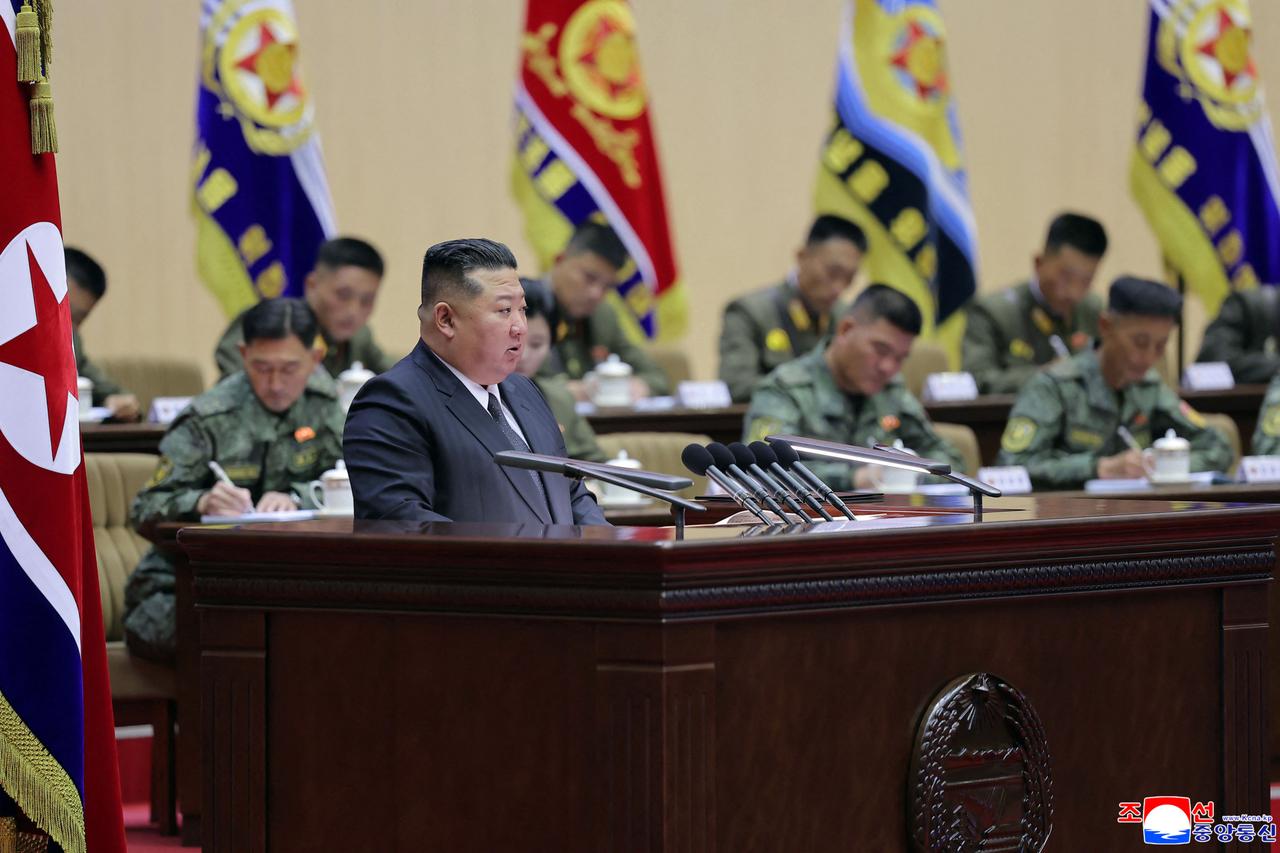
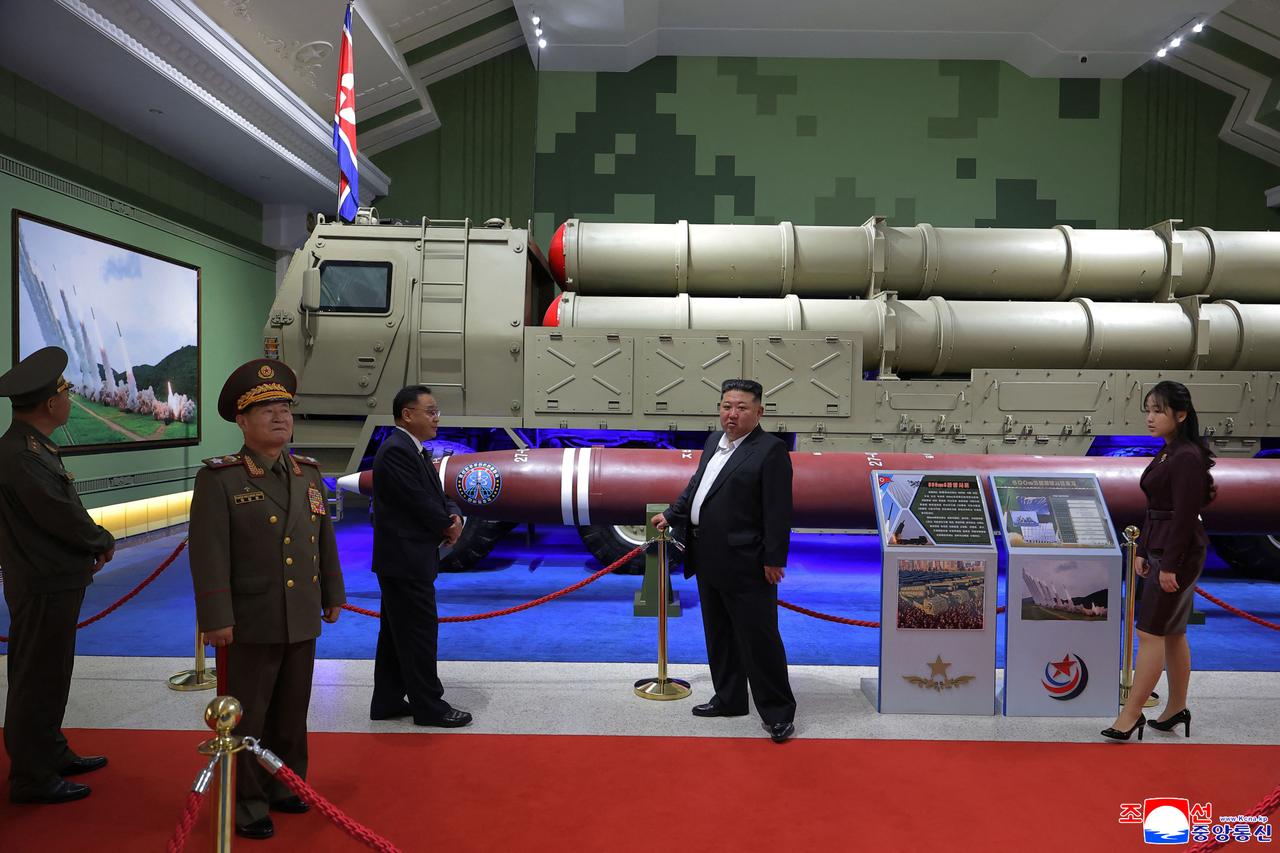
Thursday's launches follow a series of recent North Korean weapons tests, including a new precision-guided torpedo system and an intermediate-range hypersonic missile, both reportedly incorporating artificial intelligence technology.
North Korea also fired multiple ballistic missiles from the Pyongyang area toward the East Sea on Oct. 12.
The latest military activity comes as U.S. President Donald Trump's diplomatic overtures toward North Korea have raised concerns in South Korea that Seoul could be sidelined in potential nuclear negotiations between Washington and Pyongyang.
Trump has recently appeared to downplay the prospect of a summit with Kim Jong Un, although he maintained that their relationship remains "very good."
Earlier in October, North Korea launched several short-range ballistic missiles a day after Trump suggested that he and Kim could meet before the end of the year.
The continuing weapons tests and unresolved border dispute have added to tensions between the two Koreas, while efforts to restore direct military communication remain stalled.


 Set as preferred source
 Set as preferred source


 1 min read

 1 min read