Newsletters





North Korea is reportedly executing teenagers and subjecting citizens to extreme punishments for consuming South Korean television shows and pop music, according to testimonies gathered by Amnesty International.
The harrowing accounts paint a stark picture of how the isolated regime under Kim Jong Un is enforcing ideological control by criminalizing access to foreign culture.
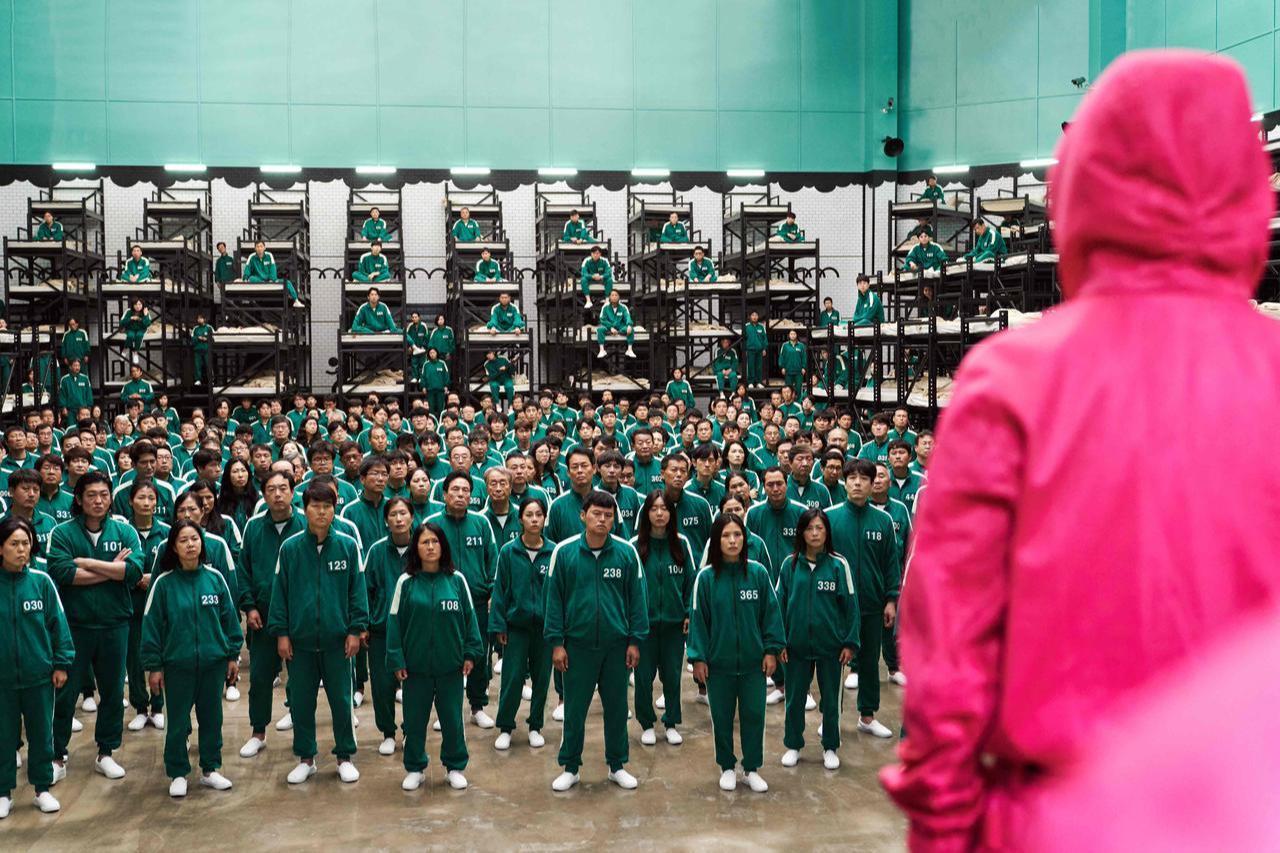
People who fled North Korea told Amnesty that watching globally popular dramas, including Squid Game, Crash Landing on You and Descendants of the Sun, can lead to severe consequences.
They said listening to K-pop music can also result in punishments ranging from public execution to long sentences in labor camps.
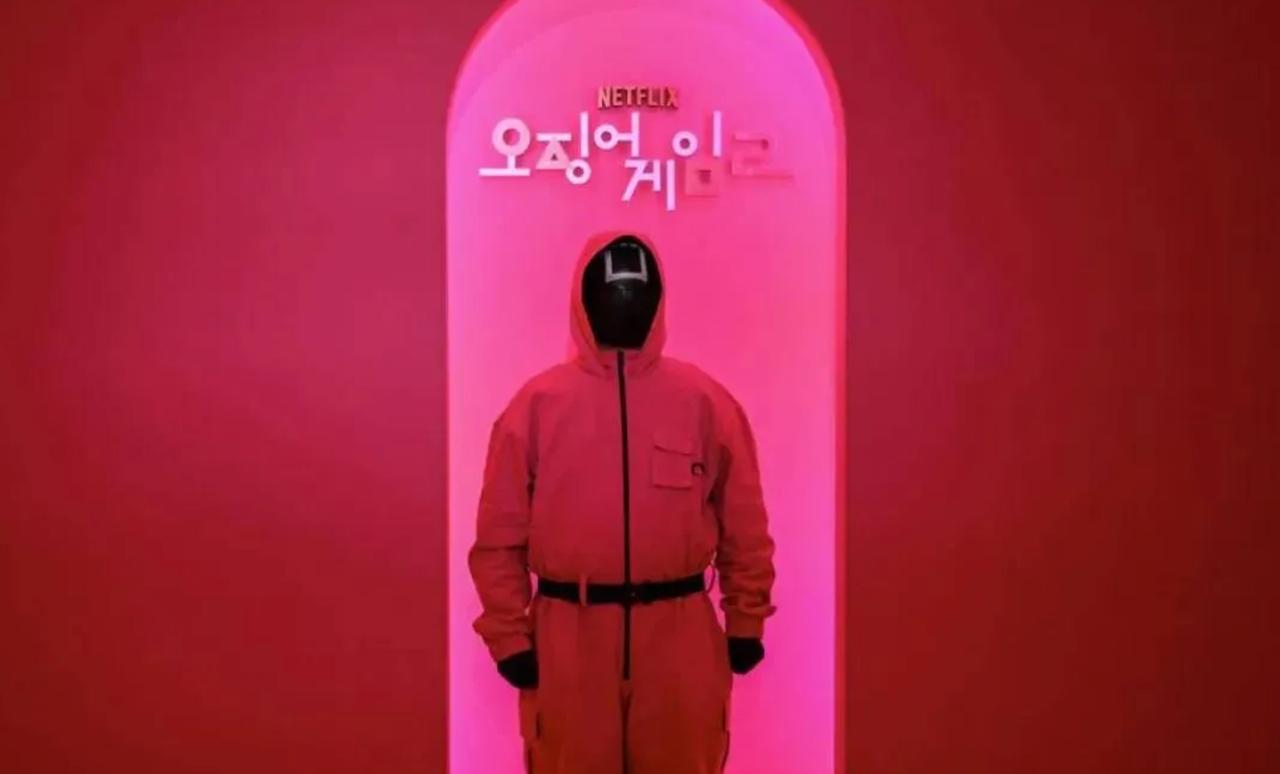

Several escapees reported hearing of or witnessing executions tied directly to consuming South Korean media.
One source with family in Yanggang Province said people, including high school students, were executed after being caught watching Squid Game. Similar reports from other regions suggest multiple such executions have taken place in recent years.
Under North Korea’s 2020 Anti-Reactionary Thought and Culture Act, South Korean content is officially labeled as “rotten ideology that paralyzes the people’s revolutionary sense.”
The law prescribes five to 15 years of forced labor for possession or viewing of banned dramas or music, and sanctions the death penalty for distributing large amounts of such content or organizing group viewings.
In some cases, schools are reportedly ordered to bring students to public executions, turning punishment into a form of “ideological education.”
Witnesses described scenes where entire student bodies were marched to execution sites to watch those accused of consuming foreign media being shot by firing squads.
The severity of punishment often depends on a family’s wealth and political connections.
Interviewees told Amnesty that those from affluent families can sometimes secure their loved one’s release by paying bribes to corrupt officials, while poorer households face the harshest outcomes.
“People are caught for the same act, but punishment depends entirely on money,” said a defector who escaped in 2019, describing how families sold homes to raise thousands of dollars to bribe officials and free relatives from detention before formal charges.

Despite these severe punishments, consumption of South Korean media remains widespread.
Testimonies indicate that dramas, films and music are smuggled into the country on USB drives from neighboring China and watched on portable “notetels,” notebook-style computers with built-in screens.
Security forces are reported to deploy a specialized unit, known as the “109 Group,” to carry out warrantless searches for foreign media on streets and in homes.
One former resident described the paradox: local officials and security agents often secretly consume the same content they are tasked with suppressing, highlighting the disconnect between official policy and private behavior.
Human rights organizations condemn these practices as gross violations of freedom of expression and access to information.
Amnesty International has urged Pyongyang to repeal laws that criminalize the consumption of foreign media, abolish the death penalty for such offenses, and halt all executions, including public ones.
North Korea’s authorities have not responded publicly to the latest allegations. Given the country’s notorious secrecy and strict control of the media, independent verification is difficult.
However, similar reports have emerged over the years from defectors and human rights groups warning of draconian penalties for cultural “crimes.”


 Set as preferred source
 Set as preferred source


 1 min read


 1 min read