Newsletters


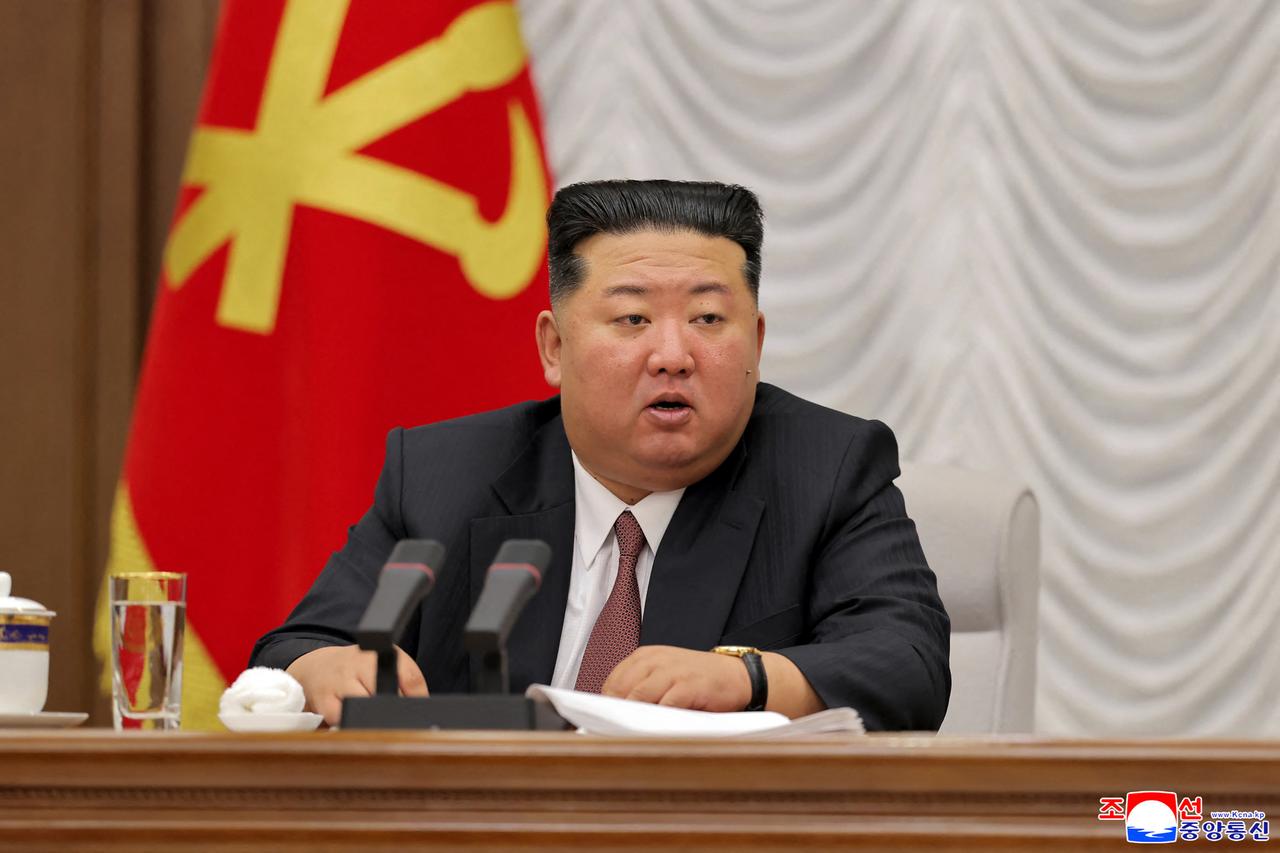


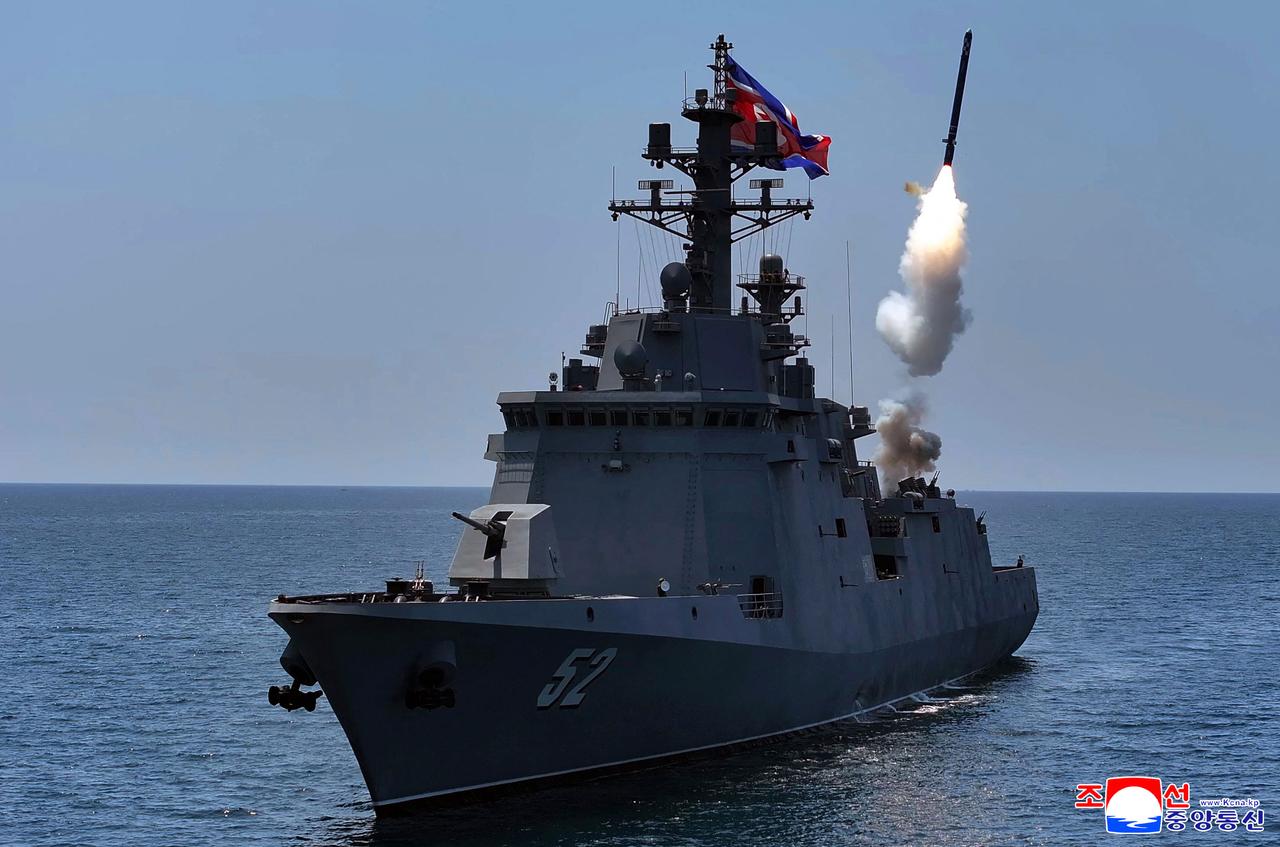
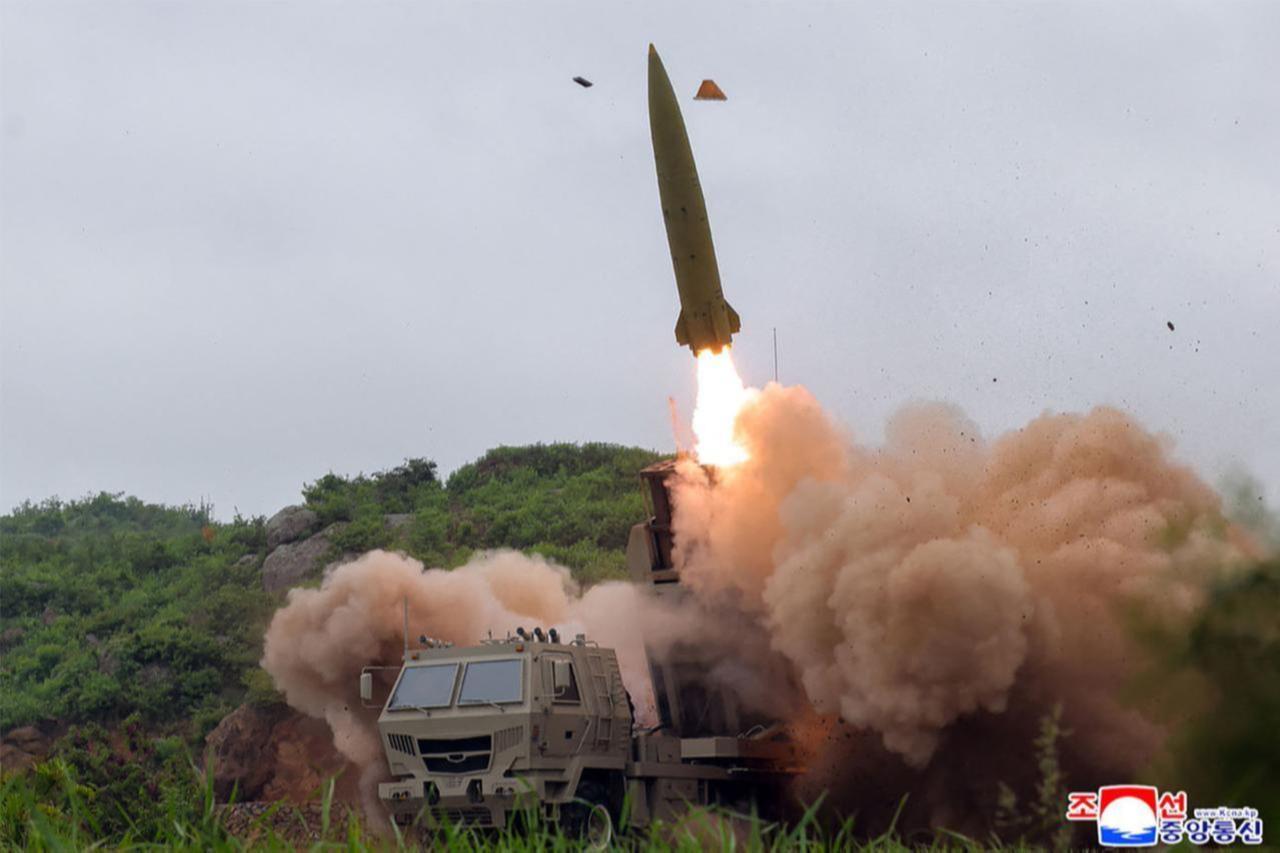
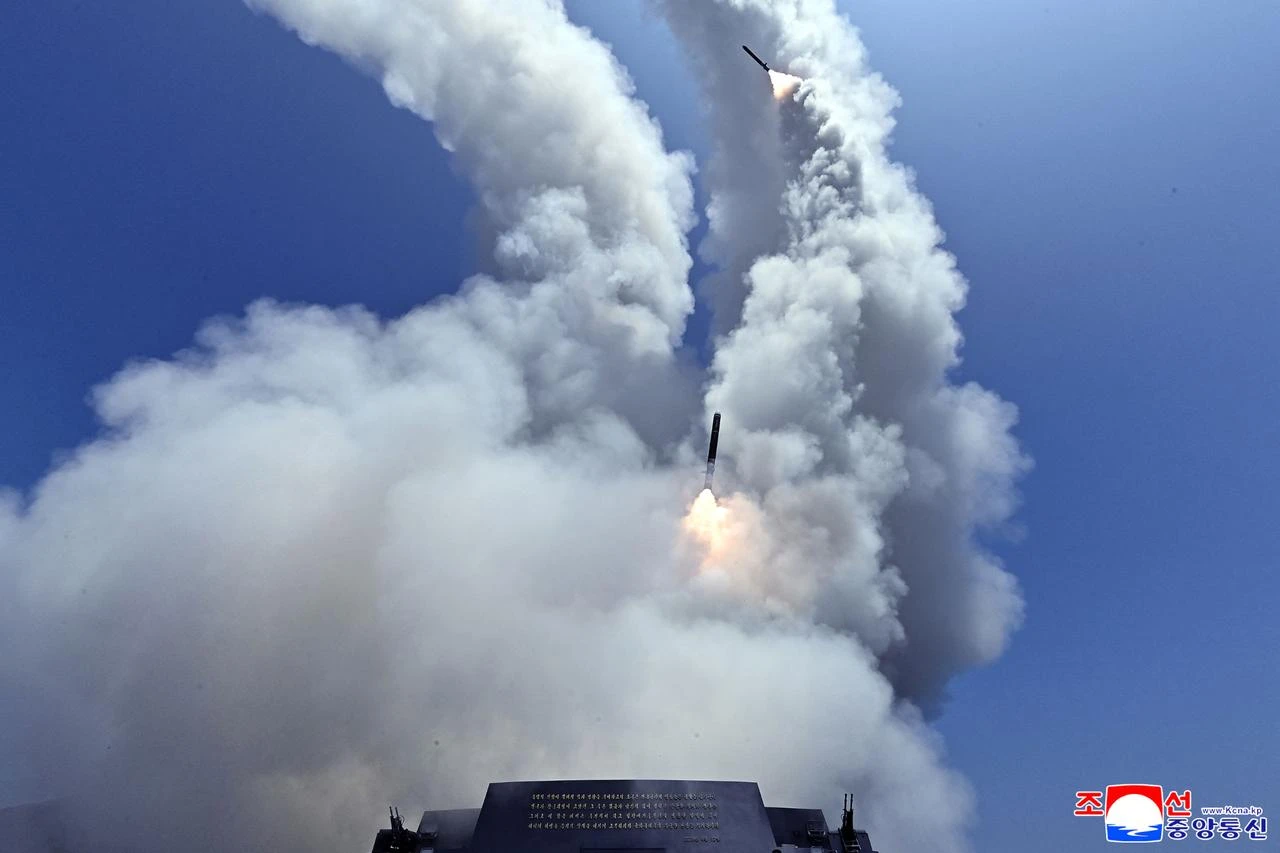
North Korea said Friday it will strengthen its nuclear force "both in quality and quantity" and expand the role of its military intelligence agency focused on South Korea, according to state media.
The announcement came after North Korea repeatedly rejected South Korean President Lee Jae Myung's dovish overtures, called Seoul its "most hostile" enemy and declared itself an "irreversible" nuclear state.
Pyongyang remains under widespread sanctions over its nuclear program, while the two Koreas are technically still at war because their 1950-53 conflict ended without a peace treaty.

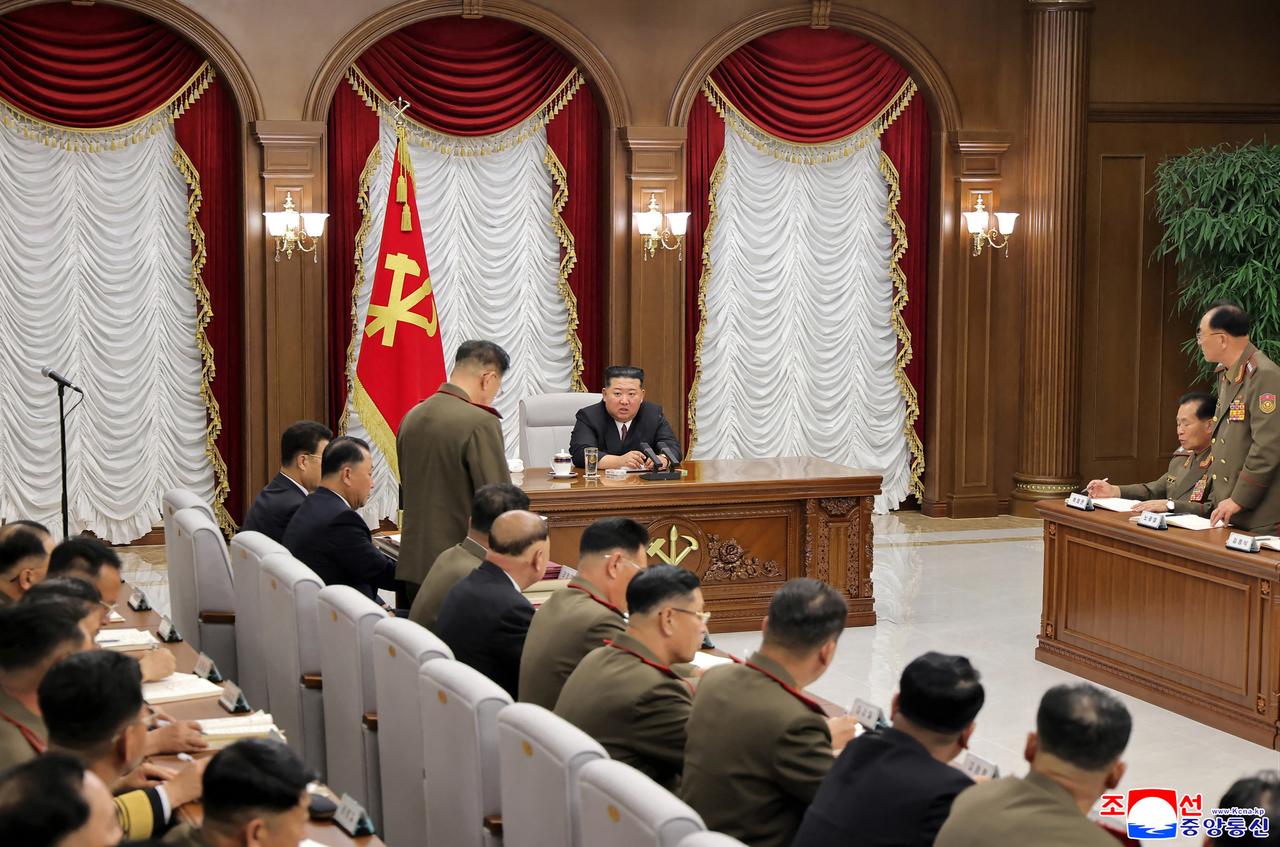
The issues were discussed Thursday during an enlarged meeting of the ruling party's central military commission, Pyongyang's official Korean Central News Agency reported.
The meeting decided on measures including "bolstering up the nuclear force both in quality and quantity," according to the report.
It also called for broadly expanding the functions and missions of the General Reconnaissance and Intelligence Bureau, North Korea's military intelligence agency tasked with operations involving South Korea.
KCNA said the unit "plays a pivotal role in controlling the potential enemies' threats and gathering key information."
The meeting also discussed ways to enhance the bureau's "capability of military reconnaissance and intelligence activities in a radical way," the report said.
Hong Min, a senior researcher at the Korea Institute for National Unification, said North Korea's latest move reflects Pyongyang's shift toward treating the two Koreas as "two hostile states."
He said that shift could potentially replace the previous armistice-based framework.
"Military reconnaissance takes on a different meaning under a state-to-state approach, as intelligence activities targeting another sovereign state can carry diplomatic implications," Hong told AFP.
South Korea's Unification Ministry told AFP it was "closely monitoring" any developments related to the reported expansion of the North Korean unit.
Experts have said North Korea is likely seeking to acquire military technology, including surveillance satellites, in return for the troops it sent to support Russia's war against Ukraine.
In 2023, North Korea successfully put a military spy satellite into orbit and claimed it was capturing images of major U.S. and South Korean military sites.
Since the end of the Korean War in 1953, North Korea has carried out espionage operations ranging from intelligence gathering to assassinations, including the 1997 killing of defector Lee Han-young.
One of North Korea's best-known spies was Jeong Su-il, who entered South Korea in 1984 posing as Muhammed Kansu, a Filipino-Lebanese academic.
After his cover was exposed, he served prison terms in South Korea before later becoming a historian specializing in the Silk Road and the history of West Asia.


 Set as preferred source
 Set as preferred source


 1 min read
 1 min read