Newsletters


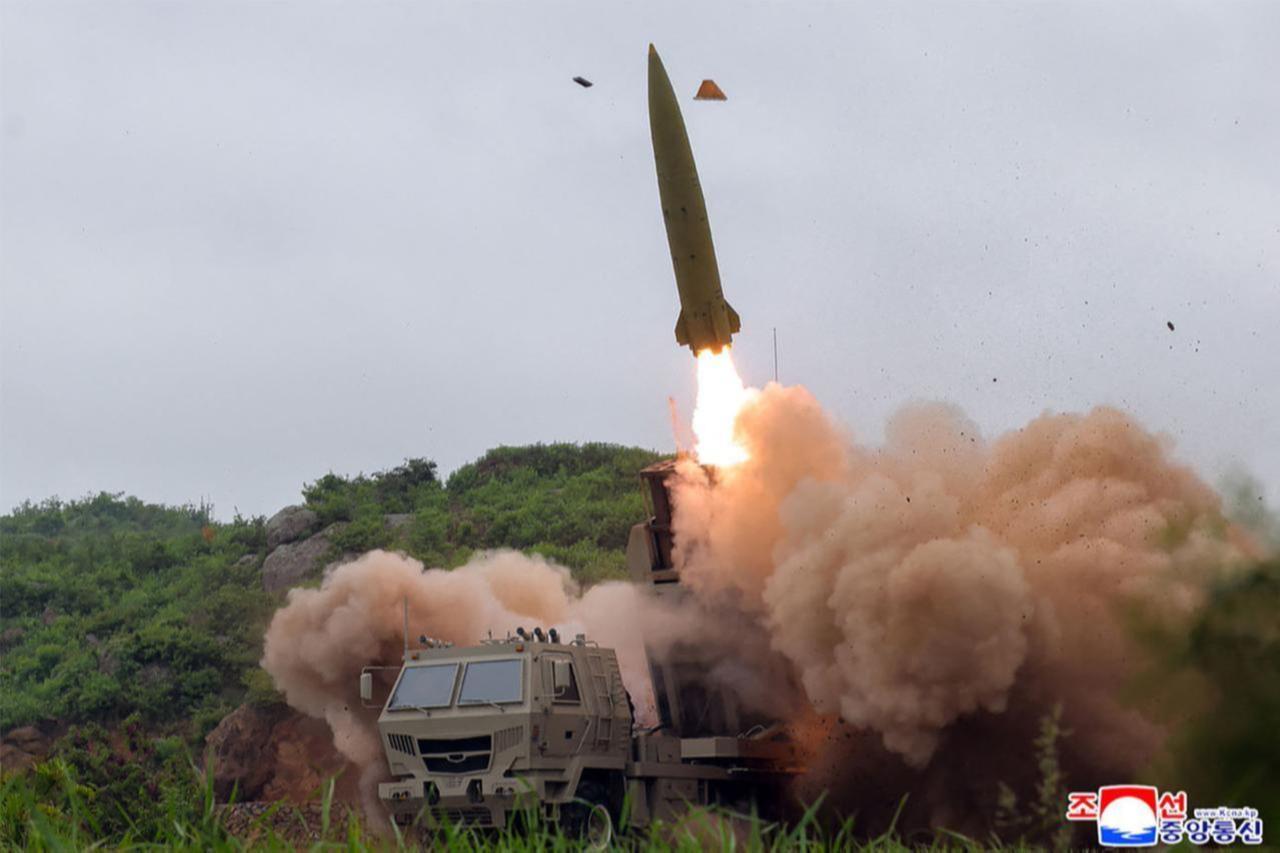


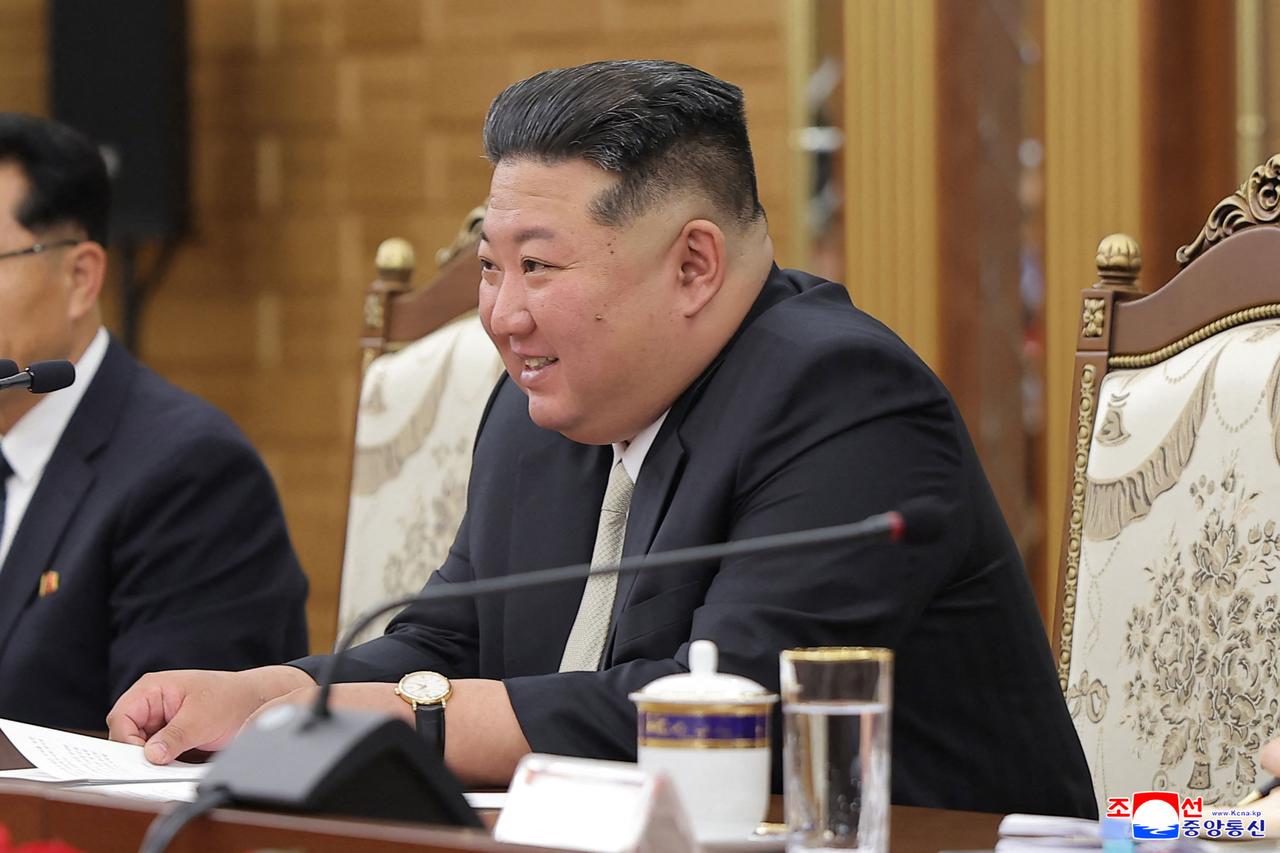
North Korea said Sunday that its status as a nuclear-armed state was irreversible and essential to regional stability, rejecting renewed calls from the U.S., South Korea and Japan for the denuclearization of the Korean Peninsula.
An unidentified Foreign Ministry spokesperson said statements by Washington and its allies would not change Pyongyang’s nuclear position, according to the state-run Korean Central News Agency.
“The U.S. and its vassal forces’ meaningless rhetoric against the DPRK can never affect the irreversible position of the DPRK as a nuclear weapons state,” the spokesperson said, using the initials of North Korea’s official name.
“Denuclearization is an irreversibly finalized matter,” the official added.
The statement followed a trilateral meeting in Tokyo on Friday, where officials from the U.S., South Korea and Japan reaffirmed their commitment to the “complete denuclearization of the Korean Peninsula,” according to South Korea’s Foreign Ministry.
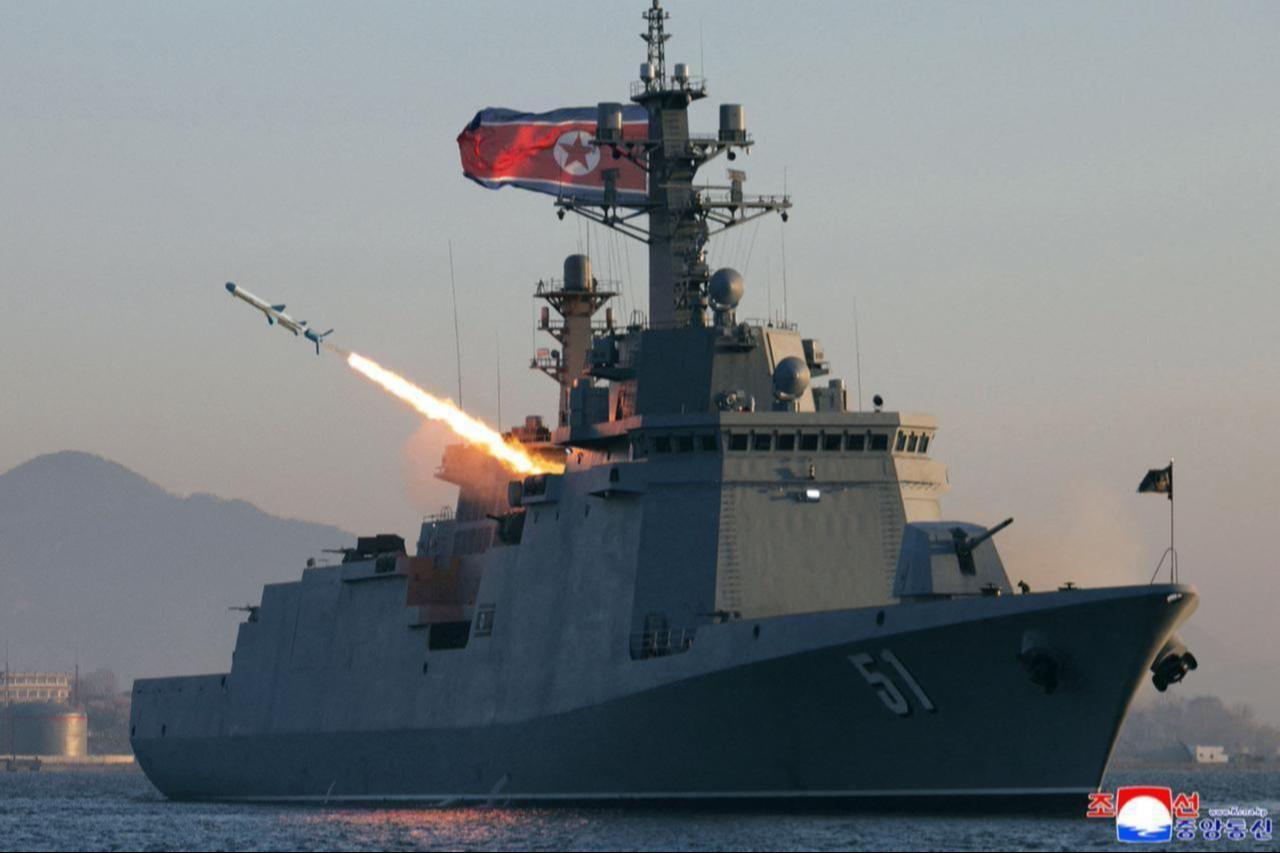

North Korea said the joint position adopted by the three allies could not alter what it described as the country’s established nuclear status.
“No matter how hard the U.S., Japan and the ROK may quibble, they will never change the present position of the DPRK as a nuclear weapons state,” the spokesperson said, referring to South Korea by the initials of its official name.
Pyongyang has repeatedly said it will not abandon its nuclear arsenal, presenting it as necessary for deterrence and national security.
Kim Yo Jong, the influential sister of North Korean leader Kim Jong Un, described the country’s nuclear policy earlier this month as a “line of no retreat.”
The Foreign Ministry spokesperson pointed to U.S. weapons sales to South Korea and Japan as justification for North Korea’s continued nuclear development.
The official described the nuclear program as “a strong security guarantee for regional stability and peace.”
North Korea said military cooperation between Washington, Seoul and Tokyo reinforced the need to maintain its nuclear capabilities.
The statement argued that the regional security environment left no basis for renewed discussions about abandoning the arsenal.
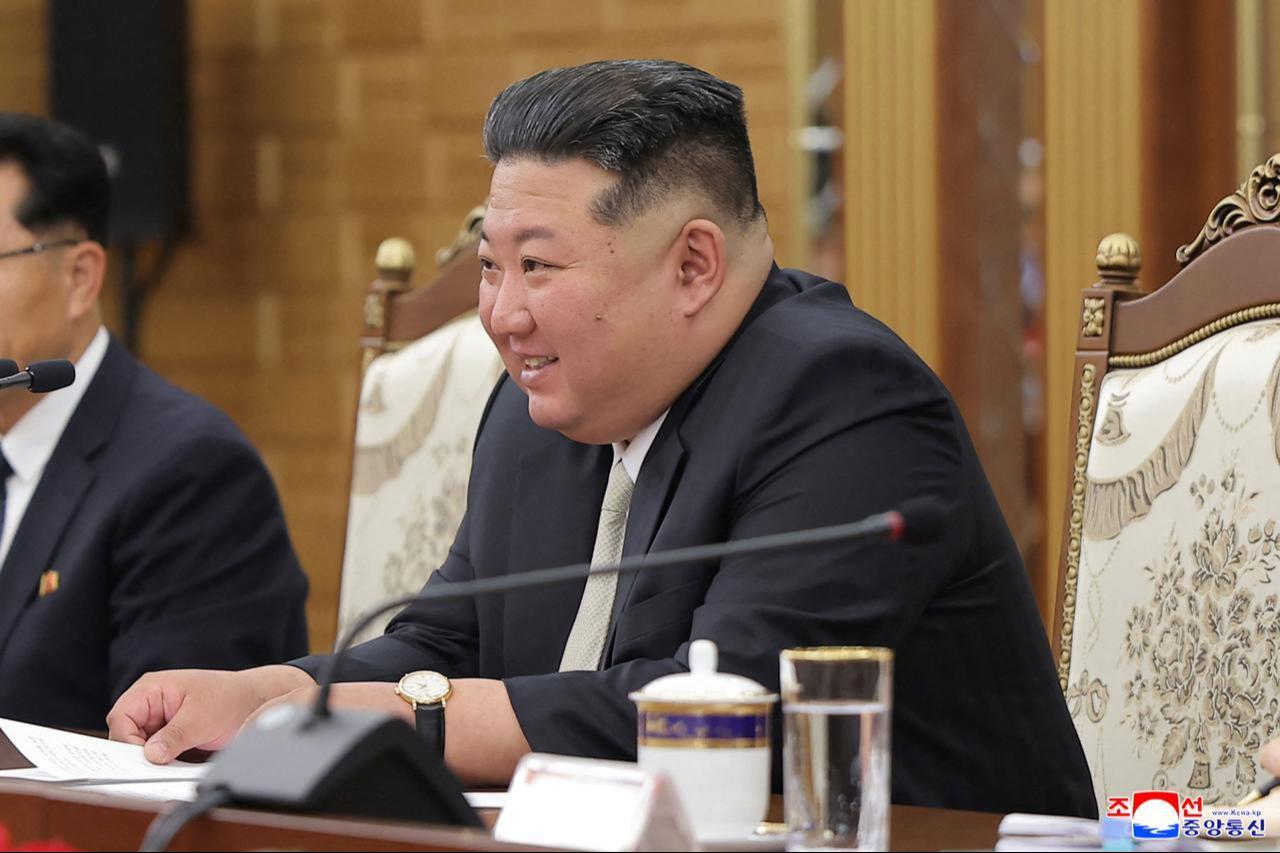
North Korea has accelerated its nuclear weapons program since negotiations with Washington collapsed in 2019.
A summit between Kim and U.S. President Donald Trump in Hanoi ended without an agreement.
In an apparent reference to the failed talks, the spokesperson said: “No one can recover the denuclearization permanently missed in the trend of the times.”
Pyongyang has since rejected demands that it surrender its nuclear weapons as a condition for restarting diplomacy.
Kim recently hosted Chinese President Xi Jinping in Pyongyang after Xi held consecutive summits in Beijing with Trump and Russian President Vladimir Putin.
Official reports from China and North Korea made no mention of denuclearization during Xi’s visit.
North Korea said its nuclear status could no longer be reversed regardless of opposition from the U.S. and its regional allies.


 Set as preferred source
 Set as preferred source


 1 min read

 1 min read