Newsletters


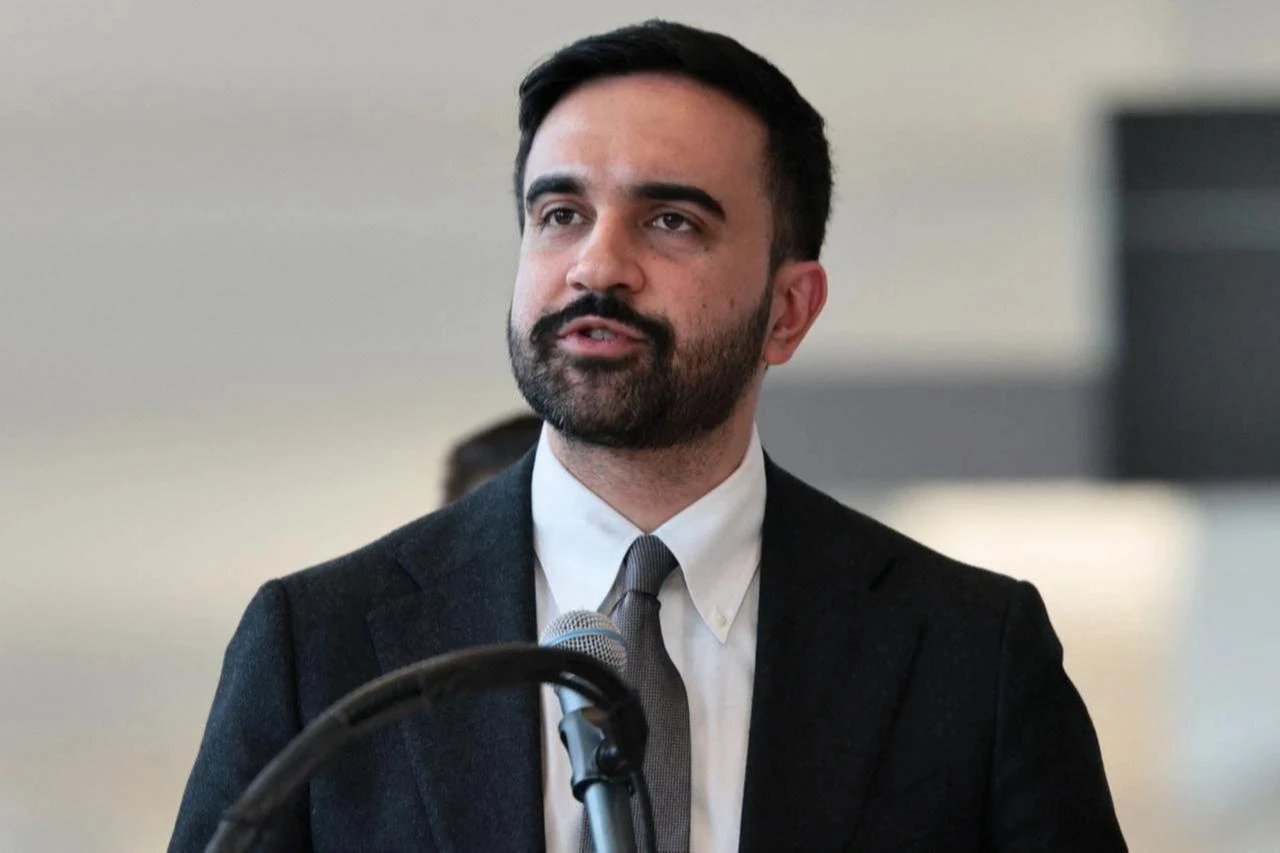


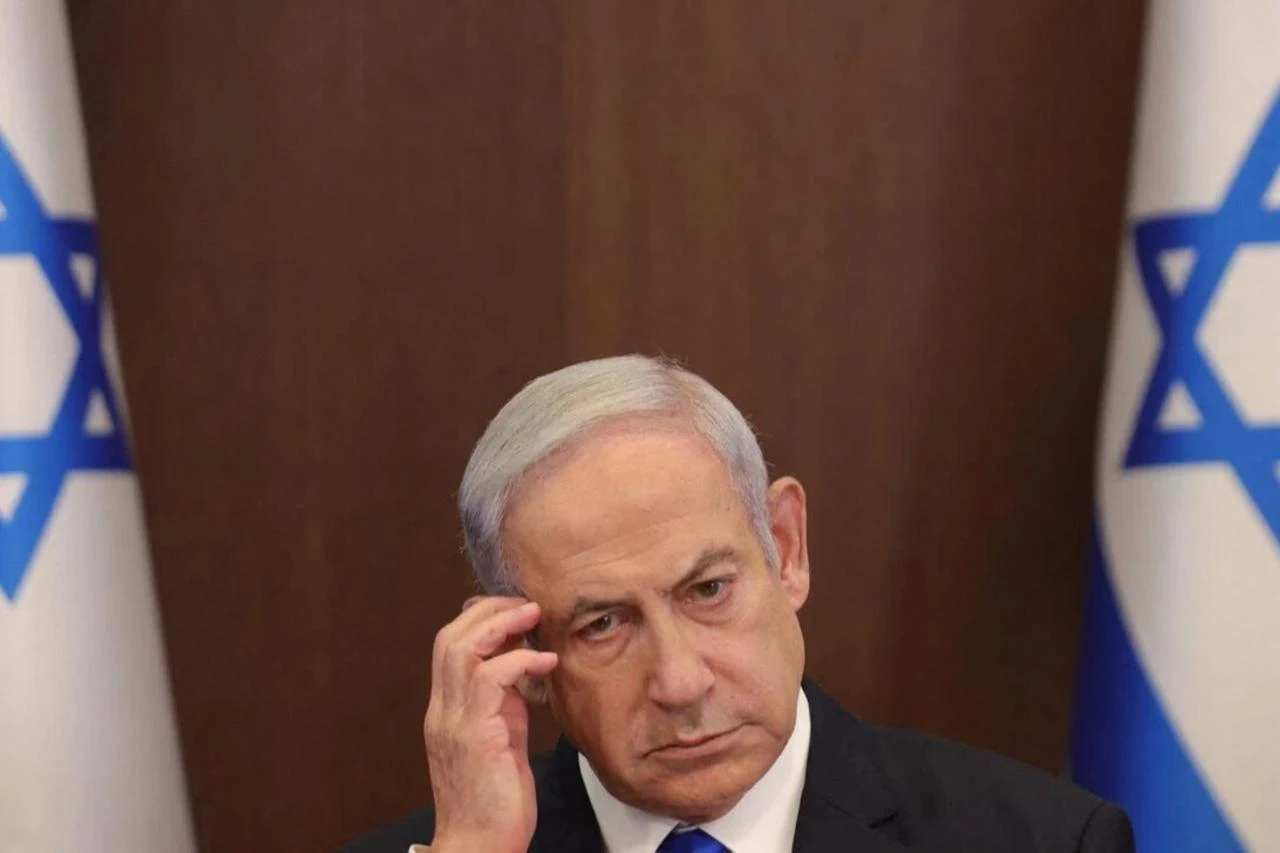
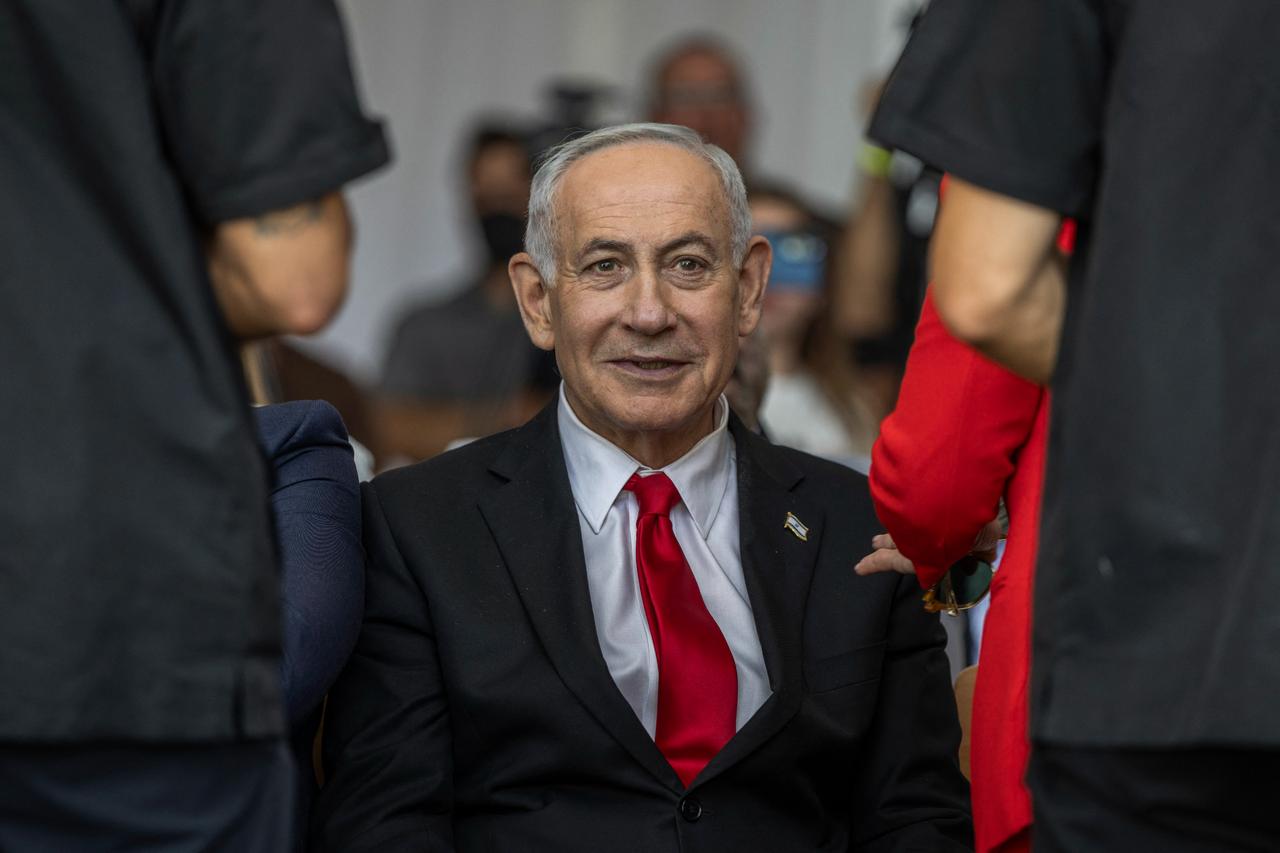
New York City Mayor Zohran Mamdani said his administration is actively consulting its legal department on whether it has the authority to arrest Israeli Prime Minister Benjamin Netanyahu, should Netanyahu travel to the city in September for the United Nations General Assembly.
If pursued, it would be one of the most audacious confrontations between a local government and a foreign head of state in recent American history.
"I believe that Prime Minister Netanyahu belongs in The Hague," Mamdani told The New York Times in an exclusive interview published this week. "He's a war criminal who has been charged by the International Criminal Court."
The mayor, a democratic socialist who has emerged as one of the most prominent voices on the American left, added that he intends to act strictly within the limits of existing law. His administration, he said, will pursue every legal avenue available without seeking to create new ones, a distinction he drew pointedly.
"Unlike Donald Trump, I'm someone who looks to exist within the confines of the laws that we have," he has said previously. "I will look to exhaust every legal possibility, not create my own laws, to do so."
The International Criminal Court issued an arrest warrant for Netanyahu in November 2024, accusing him and former Israeli Defense Minister Yoav Gallant of war crimes and crimes against humanity.
The charges include intentionally targeting civilians and using starvation as a method of warfare during the conflict in Gaza that followed Hamas's October 7, 2023 attacks on Israel.
Netanyahu and Israel have rejected both the charges and the court's jurisdiction. The warrant nonetheless remains in effect. Late last year, ICC appeals judges upheld it, refusing to halt the court's broader Gaza investigation after Israel mounted a legal challenge.
The question of whether any country would actually enforce the warrant has shadowed Netanyahu's international travel ever since. In April 2025, he visited Hungary, an ICC member state, and was not arrested. ICC judges later found that Hungary had failed to comply with its obligations under the Rome Statute, the treaty establishing the court.

Mamdani's pursuit of an arrest faces substantial obstacles, and legal experts have been blunt about them.
The United States is not a party to the Rome Statute and does not recognize the ICC's authority on American soil. The Trump administration went further in February, placing sanctions on ICC personnel in direct response to the Netanyahu warrant.
Under the UN Headquarters Agreement and the Convention on Privileges and Immunities, foreign leaders traveling to New York to attend the General Assembly enjoy broad diplomatic protections from arrest, protections that exist precisely because the UN is headquartered in the city.
"Foreign affairs and policy are the exclusive power of the federal government, and this administration would almost certainly claim head of state immunity for Netanyahu," said Cora True-Frost, a law professor at Syracuse University.
She added that the UN-related treaty framework "would further constrain Mamdani's ability to make good on this threat."
The American Servicemembers' Protection Act of 2002 adds yet another layer of federal preemption, explicitly prohibiting U.S. entities, including state and local governments, from cooperating with the ICC.
New York Governor Kathy Hochul has stated plainly that Mamdani lacks the authority to detain the Israeli prime minister. Representative Jerry Nadler, a New York Democrat, was equally direct during the mayoral campaign, calling the idea "simply unrealistic" and saying the city "has no jurisdiction to do such a thing."
When pressed in the Times interview on exactly what the law permits his administration to do, Mamdani declined to be specific.
"Whatever the law allows me to do in New York City, that's what we will do," he said, "but we won't be writing our own laws to that end."
He acknowledged the conversation with the city's legal department is ongoing.
The Netanyahu question does not exist in isolation for Mamdani. His position on the Gaza war runs as an explicit thread through his political identity and his domestic coalition-building, and he has been unusually direct about the connection.
Asked in the Times interview whether a politician's stance on Gaza, and willingness to describe it as a genocide, should serve as a litmus test for his political support, Mamdani stopped short of a firm yes, but left little ambiguity.
"You have to have a clear vision of being able to describe things as they are," he said.
He noted that all three of the congressional candidates he recently endorsed, each of whom won their Democratic primary, had committed to signing legislation that would restrict specific U.S. arms transfers to Israel.
He also fielded a call from former Vice President Kamala Harris, who is reportedly exploring another presidential run, but declined to say whether he heard from her any commitment to changing U.S. policy on Gaza. He said only that he "truly appreciated" the outreach.
Any candidate seeking to rebuild trust with voters on the issue, he added, must begin with an honest reckoning with what current American policy has produced.
"It is hard to find a more bankrupt policy approach than what our country has done to Gaza and to Palestine," he said, "and how it hasn't been specific to any one party."


 Set as preferred source
 Set as preferred source


 1 min read

 1 min read