Newsletters


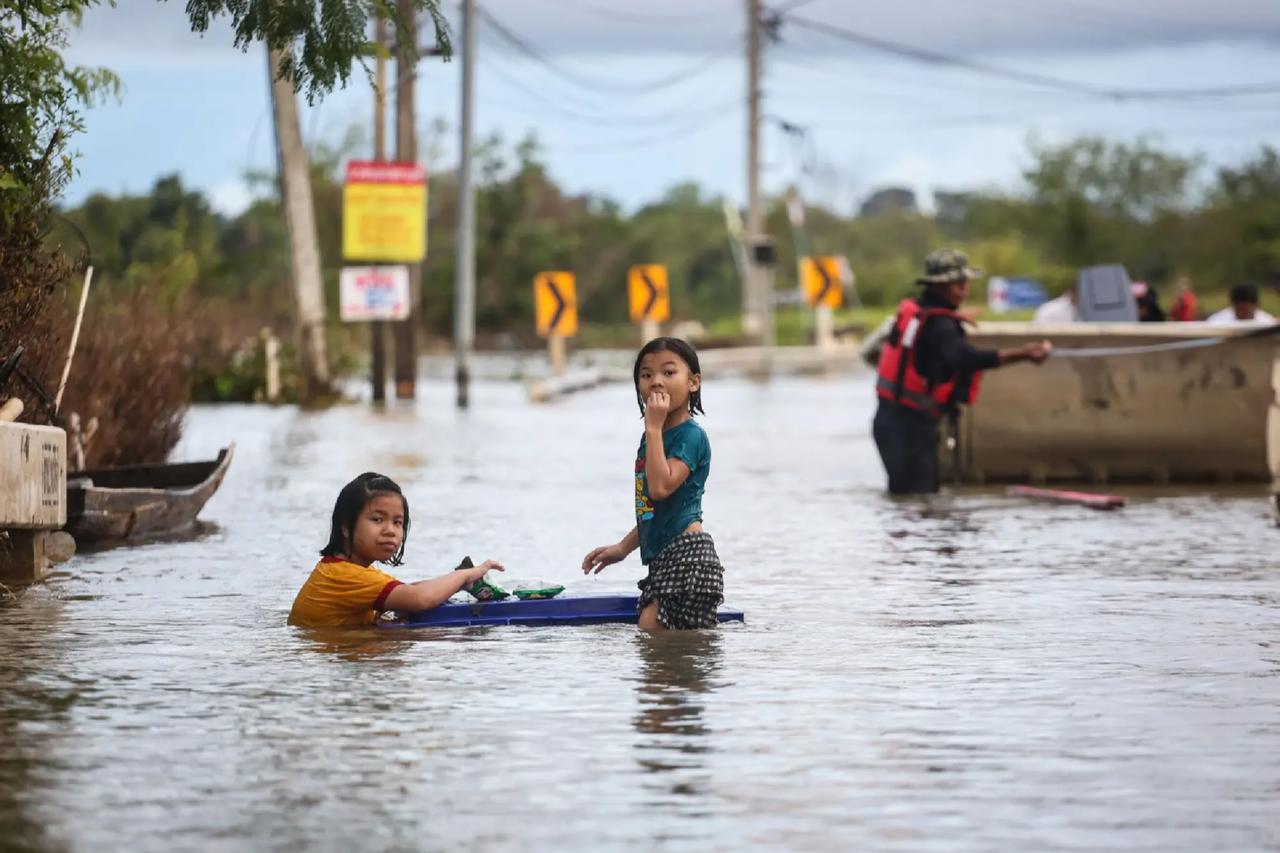


Only 2.4% of funding from major multilateral climate funds can be identified as supporting activities that respond to children's needs, even as 1.1 billion children face at least three overlapping climate threats, UNICEF Representative to Türkiye Paolo Marchi has warned.
Speaking to Anadolu, Marchi described the climate crisis as a child rights crisis, saying that decisions on climate policy directly shape children's health, safety and future.
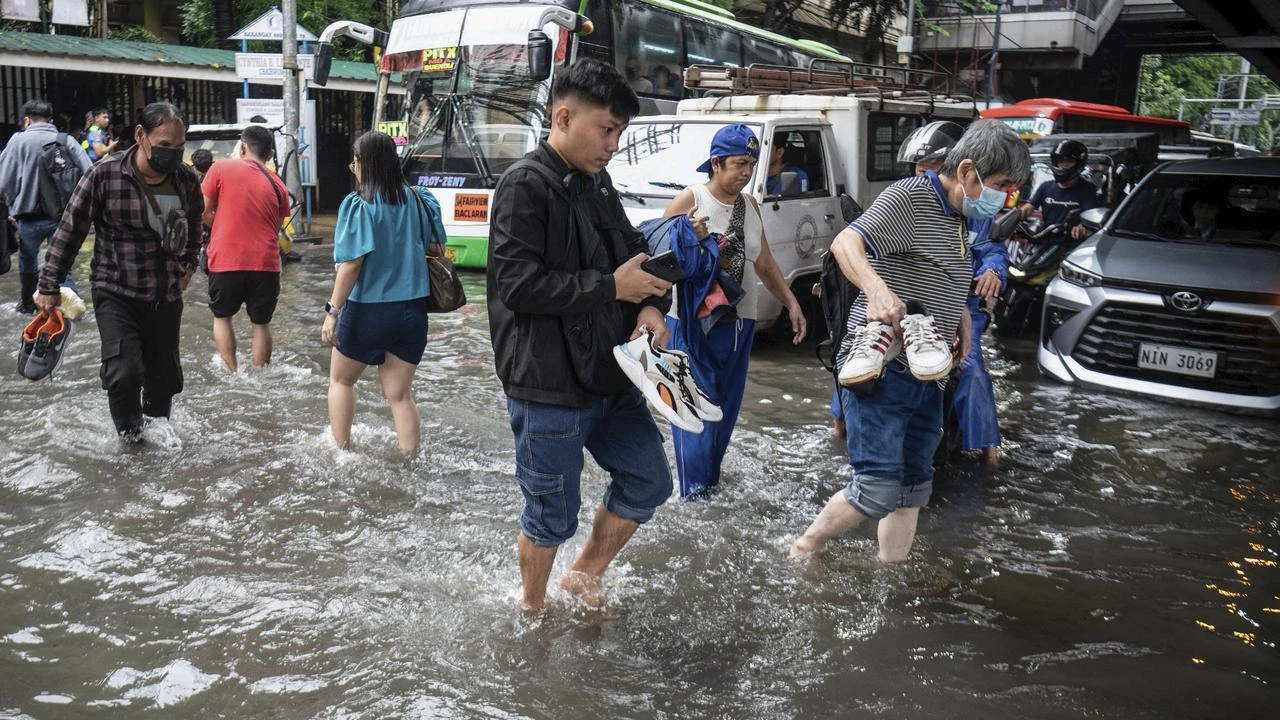
Climate-related hazards, including heatwaves, droughts, floods, storms and wildfires, are already affecting nearly every part of children's lives. Their impact can stretch from health, nutrition and education to protection and access to safe water and sanitation.
Referring to UNICEF's newly released Children's Climate Risk Report 2026, Marchi said almost every child worldwide is exposed to at least one climate or environmental hazard.
Around 1.1 billion children face three or more overlapping threats, while more than four million are simultaneously exposed to six hazards.
These climate shocks can also interrupt education, damage essential public services and deepen the risks linked to poverty and displacement, placing additional pressure on children who already face difficult circumstances.
Marchi stressed that the effects of climate change are not distributed equally, as children's ability to cope often depends on whether they can rely on resilient schools, health care, safe water systems and social protection.
Children living in the Sahel, South Asia and small island developing countries are among those most exposed to multiple climate risks. However, Marchi warned that no part of the world remains unaffected.
Mediterranean countries, including Türkiye, are increasingly dealing with drought, extreme heat and water stress, creating serious consequences for children and the services they depend on.
Despite their exposure, children are still largely overlooked within international climate finance.
Marchi said UNICEF's analysis found that only 2.4% of funding from major multilateral climate funds could currently be linked to activities addressing children's needs.
He argued that directing more investment toward health, education, water and sanitation, nutrition and social protection would not only help children withstand climate shocks but also strengthen the resilience of entire communities.
Marchi said the 31st United Nations climate conference, known as COP31, could move this discussion forward when it is held in Antalya in November.
Türkiye is co-hosting the summit with Australia, bringing together perspectives from different regions and highlighting the varied ways in which children and young people experience climate change.
According to Marchi, Türkiye's proposed "COP of the Future" vision, which places emphasis on dialogue, cooperation and partnerships, could help bring the needs and expectations of future generations closer to the centre of climate negotiations.
UNICEF is calling for stronger adaptation measures, more resilient social services, greater investment in climate education and green skills, and meaningful opportunities for children and young people to take part in climate decision-making.
"Every climate decision is also a decision about children. The choices we make today are shaping the world in which children and young people live and will inherit tomorrow."
Marchi added that children should not be treated only as beneficiaries of climate action, arguing that their voices and rights should remain central to decisions that will shape their future.


 Set as preferred source
 Set as preferred source


 3 min read