Newsletters


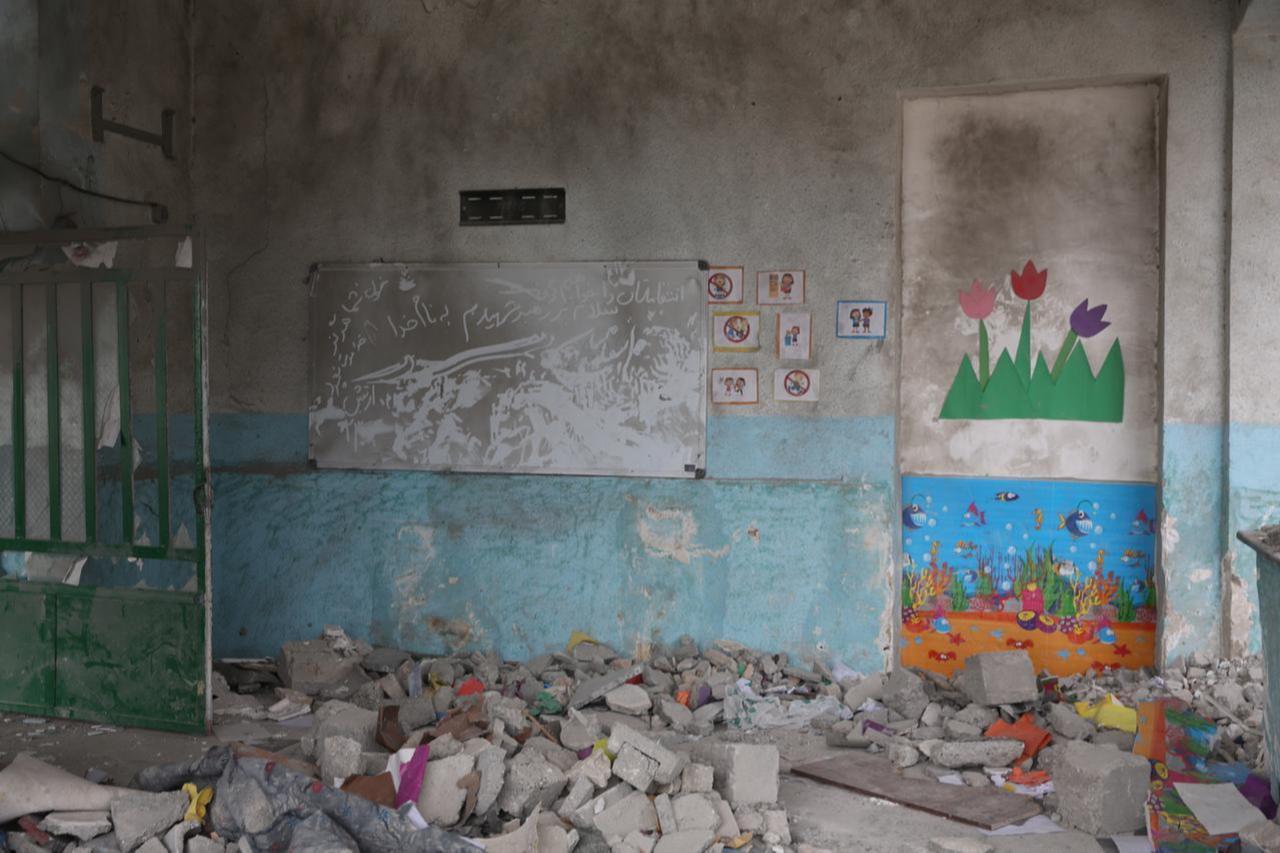


Senior U.S. military officials are in the final stages of reviewing an internal investigation into a deadly airstrike on an Iranian elementary school and preparing to share it with lawmakers, according to a person familiar with the probe who spoke to NBC News.
But there is growing concern in Congress and the Pentagon that the Trump administration will classify the results and shield them from the public.
U.S. Central Command (CENTCOM), which led the investigation, has completed it, the person familiar with the probe said.
"Lawmakers with oversight of the Pentagon have not received any details of the results or a timeline for their release," the person added.
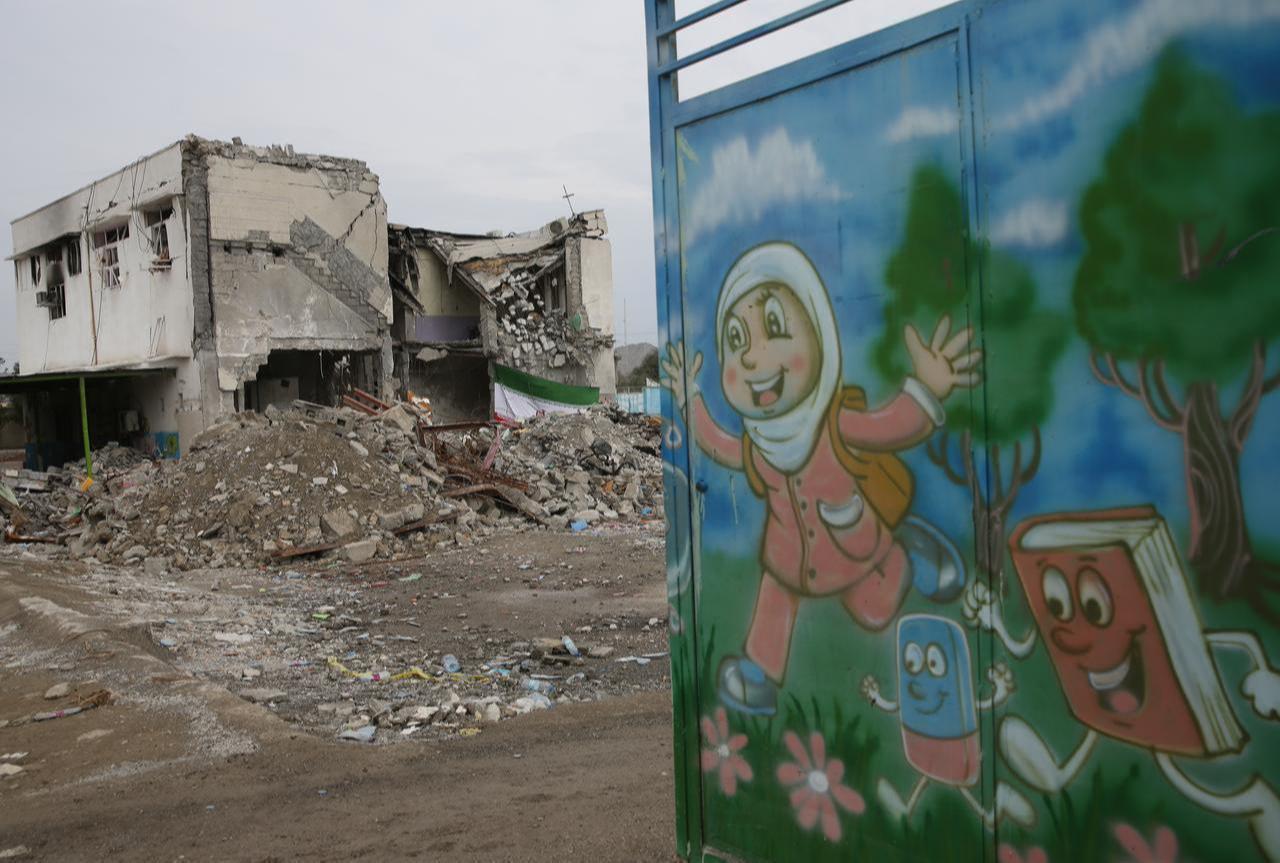
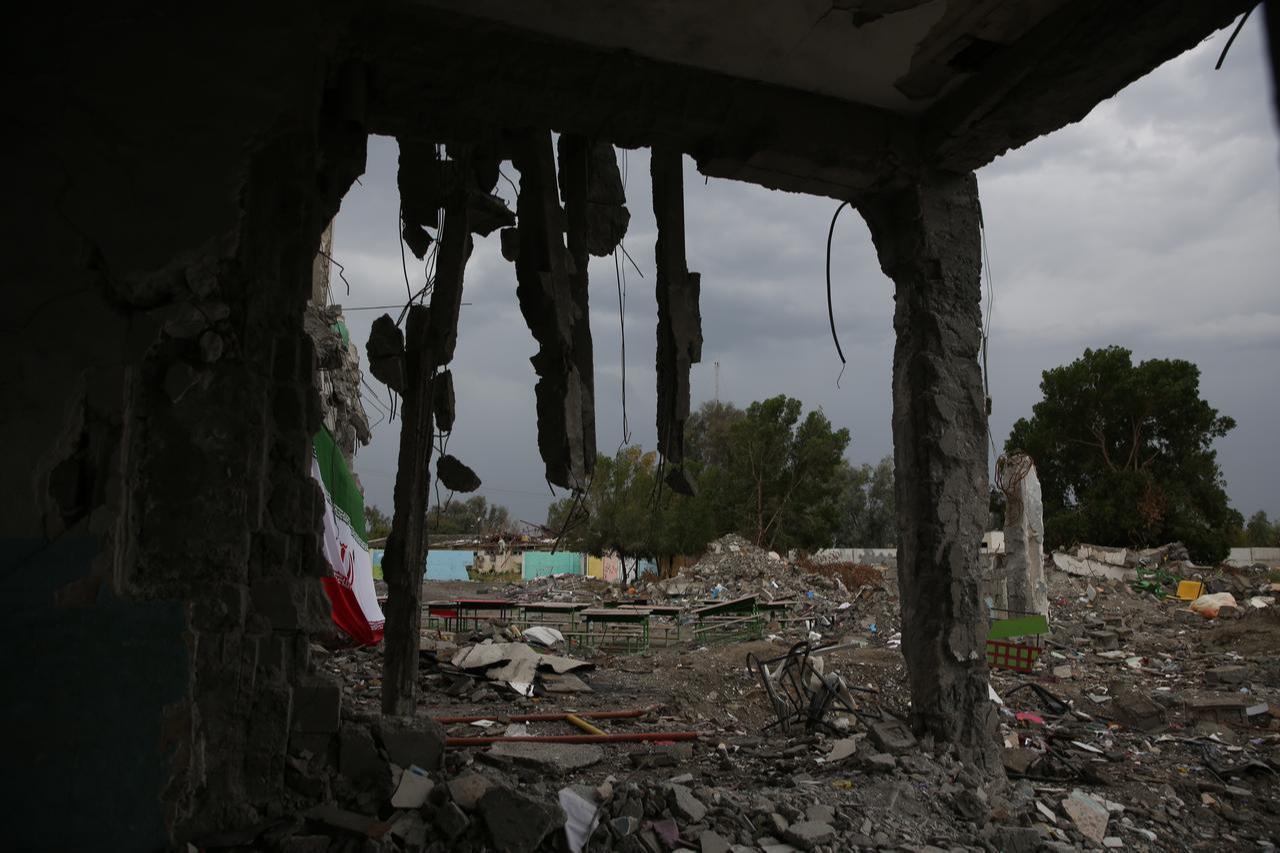
The strike hit the Shajareh Tayyebeh elementary school in Minab on Feb. 28, the first day of the war, killing more than 170 people, most of them children.
The U.S. military had been targeting an area near the school that day, and preliminary findings showed a U.S. munition was likely responsible for the strike, NBC News reported, citing an American official and a person familiar with the preliminary findings.
Outdated intelligence likely led to the strike, according to those findings.
The New York Times reported that military officials concluded within two weeks of the strike that the Feb. 28 Tomahawk missile strike on the school was the result of a targeting error caused by outdated data.
A video geolocated by NBC News also showed what appeared to be an American Tomahawk missile, according to experts, hitting a compound belonging to Iran's Islamic Revolutionary Guard Corps (IRGC) next to the school.
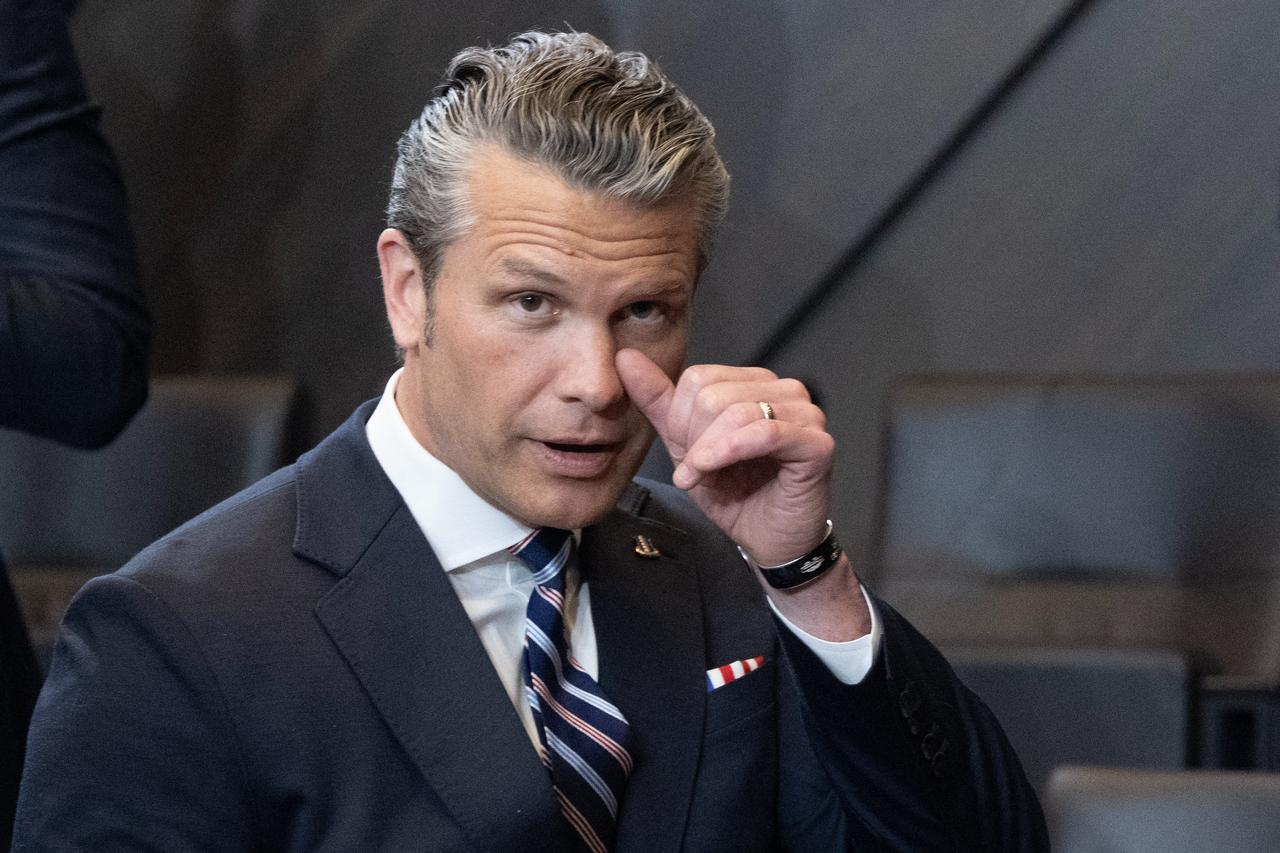
"Our concern is that Hegseth will classify the report and prevent it from being released," the person familiar with the investigation told NBC News.
Democratic Sen. Mark Kelly of Arizona, who sits on both the Intelligence and Armed Services committees, told NBC News: "Of course they are going to try to classify the report."
Another Democratic senator said, "I'd be shocked speechless if they didn't say it was classified," adding that doing so would amount to the administration "trying to shield itself from having to admit it to the public."
CENTCOM Commander Adm. Bradley Cooper told lawmakers last month during sworn testimony that he was "fully committed to transparency" once the investigation was complete, calling it "a complex investigation" that was near completion at the time.
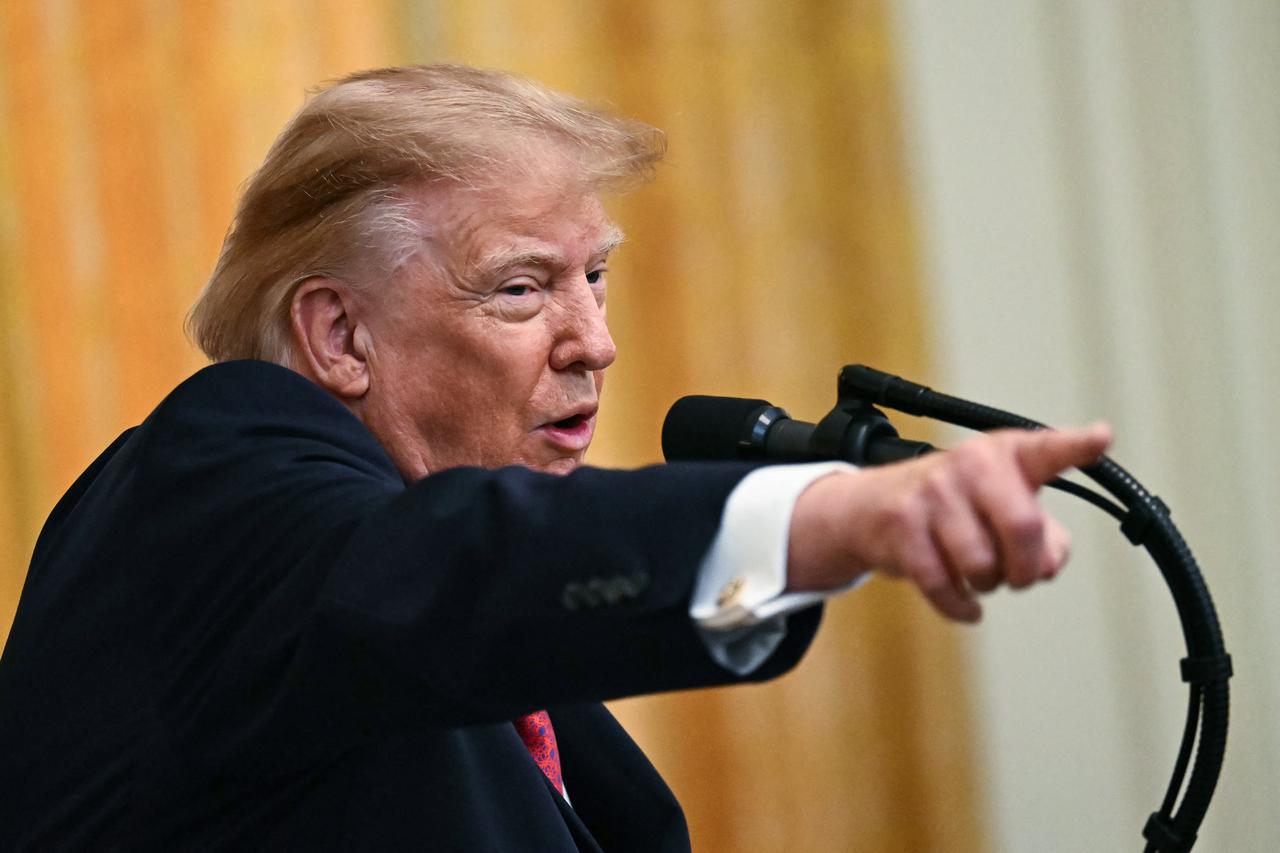
The Pentagon said in a statement that the matter remains under investigation. Asked about the strike on Wednesday, President Trump said, "Mistakes are made; war is nasty," and directed reporters to Defense Secretary Pete Hegseth, who is overseeing the process. Trump had earlier said, without evidence, that he believed Iran was responsible for the strike.

According to the annual defense authorization bill filed this week, much of the travel funds for the defense secretary's office may not be spent until Hegseth submits "unredacted civilian harm investigations," including for the Minab strike, according to The Associated Press (AP).
The Senate bill text states that no more than 25% of the defense secretary's travel funds may be spent until he submits the investigations, "including all relevant supporting documents."
Sen. Jack Reed, the top Democrat on the Senate Armed Services Committee, said the defense package "forces the Secretary to be more accountable to Congress and will prevent many errors of the past from being repeated in the future."
Congress has not yet received the Pentagon's report on the investigation, which is believed to have been completed last month, according to the AP.
The New York Times reported that within minutes of the strike, Pentagon officials knew the U.S. military was responsible for leveling the site, though they initially believed they had hit an Iranian base.
Within days, following satellite images, videos and witness accounts, American officials privately acknowledged that the military had hit a school by mistake.
More than 100 days after the strike, U.S. officials have not publicly acknowledged responsibility, the Times reported. The investigation is complete and awaiting sign-off from senior military leaders, Hegseth and the White House, according to military officials who spoke to the Times on condition of anonymity.
Officials with knowledge of the investigation cited a combination of factors for the delay, including a slow-moving bureaucratic review process across multiple government agencies, what the Times described as "a dose of Pentagon self-protection," and disbelief among intelligence and targeting agencies that their data could have been so wrong.
The Times reported this has combined with a Pentagon civilian leadership that views such tragedies as an unavoidable cost of war, with Hegseth having routinely espoused "lethality over legality" and said American troops should not be constrained by "stupid rules of engagement."
According to the Times, Hegseth last year began moving to terminate Pentagon offices focused on preventing and responding to civilian harm, including the Civilian Harm Mitigation and Response office and the Civilian Protection Center of Excellence.
The Pentagon's inspector general concluded in a report released last month that the U.S. military no longer has the personnel or tools needed to comply with its civilian casualties and harm policy, which is required by federal law.
A March letter to Hegseth signed by 120 Democrats asked what role artificial intelligence may have played in selecting targets in Iran.
"If artificial intelligence is used, is it subject to human review and at what point? Was artificial intelligence, including the use of the Maven Smart System, used to identify the Shajareh Tayyebeh school as a target? If so, did a human verify the accuracy of this target?" the lawmakers asked.
Anthropic CEO Dario Amodei told Bloomberg's "The Circuit with Emily Chang" that he does not know what role his company's AI model played in the strike. "Look, we don't have access to them; we don't know exactly how these models were used," Amodei said when asked whether Anthropic's AI tool Claude played a role in the Feb. 28 strike.
He described the strike as "a really terrible thing to happen."
"The principle that we have established, and I think the principle that was obeyed here, is that a human makes the final decision," Amodei said.
"I don't know what role Claude or any other AI had, but if this isn't an illustration of why that principle is so important, I don't know what is," he concluded.


 Set as preferred source
 Set as preferred source


 4 min read