Newsletters


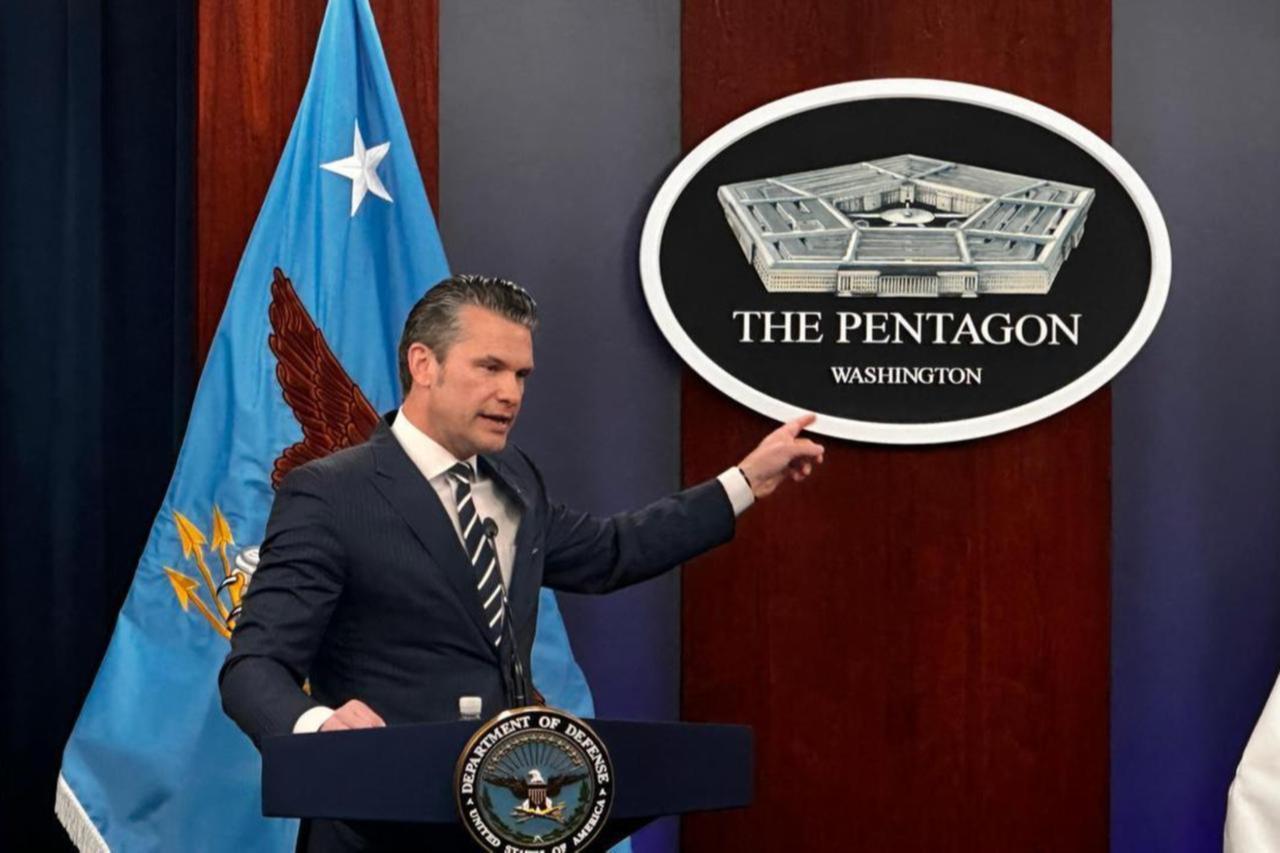


The US War Department released its 2026 National Defense Strategy on Friday, marking a significant shift toward homeland protection, deterring China through military strength, and requiring allies to shoulder greater defense responsibilities.
Secretary of War Pete Hegseth signed the roughly 25-page memorandum, which criticizes previous administrations for weakening American military readiness through prolonged nation-building efforts and overseas interventions that eroded what the document calls the "warrior ethos." The new framework refocuses the armed forces on what it describes as their "core, irreplaceable role" of deterring and winning wars that directly affect American interests.
The strategy document establishes four primary objectives: defending the US homeland, deterring China in the Indo-Pacific region, increasing burden-sharing among allies and partners, and revitalizing the country's defense industrial base.
Homeland defense receives unprecedented emphasis as the military's highest priority. The expanded mission includes border security operations, countering narcotics trafficking organizations designated as terror groups, protecting strategic Western Hemisphere locations such as the Panama Canal and Greenland, and strengthening air, missile, cyber and nuclear defenses.
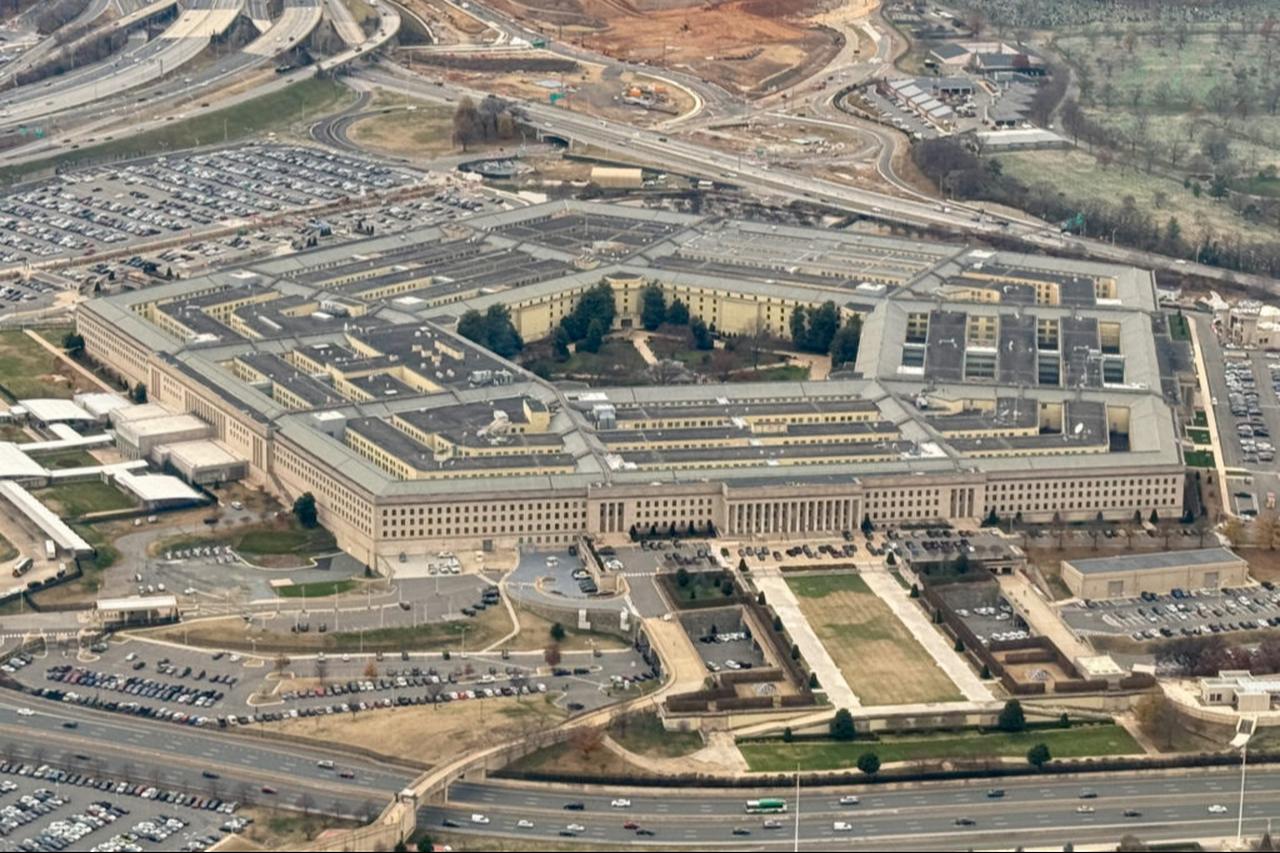

The Pentagon endorses expanded military-to-military communication with China to reduce conflict risks, though the document makes no mention of Taiwan by name. The strategy frames the approach to Beijing in measured terms, stating the goal "is not to dominate China; nor is it to strangle or humiliate them."
"Rather, our goal is simple: To prevent anyone, including China, from being able to dominate us or our allies—in essence, to set the military conditions required to achieve the NSS goal of a balance of power in the Indo-Pacific that allows all of us to enjoy a decent peace," the document states.
The strategy acknowledges what it describes as China's "historic military buildup" in speed, scale and quality, positioning American deterrence as a counter-balance rather than an aggressive posture.
A central theme throughout the strategy emphasizes burden-sharing, with the Trump administration calling for allies to significantly increase defense spending and take greater responsibility for regional security. The document points to a new global benchmark of 5% of GDP for defense-related expenditures endorsed at NATO's 2025 Hague Summit.
On the Korean Peninsula, the strategy describes North Korea as a "direct military threat" to South Korea and Japan, noting Pyongyang's nuclear forces are "increasingly capable of threatening the U.S. Homeland" despite conventional forces that are "aged or poorly maintained." The document states Seoul is capable of assuming primary responsibility for deterring North Korea with "critical but more limited U.S. support," describing this shift as "consistent with America's interest in updating U.S. force posture on the Korean Peninsula."
Russia is characterized as a "persistent but manageable threat," particularly to NATO's eastern members, with the strategy stressing that European allies must take primary responsibility for their own conventional defense. The document states that in Europe and other theaters, "allies will take the lead against threats that are less severe for us but more so for them, with critical but more limited support from the United States."
The strategy calls for what it describes as a "once-in-a-century" revitalization of the US defense industrial base, framing the effort as essential to sustaining military readiness, supporting allies, and ensuring the country can produce weapons and equipment at scale during crises.
The document also highlights Iran as a security challenge, citing recent US and allied military operations as evidence of restored deterrence in the region.


 Set as preferred source
 Set as preferred source


 1 min read

 1 min read