Newsletters


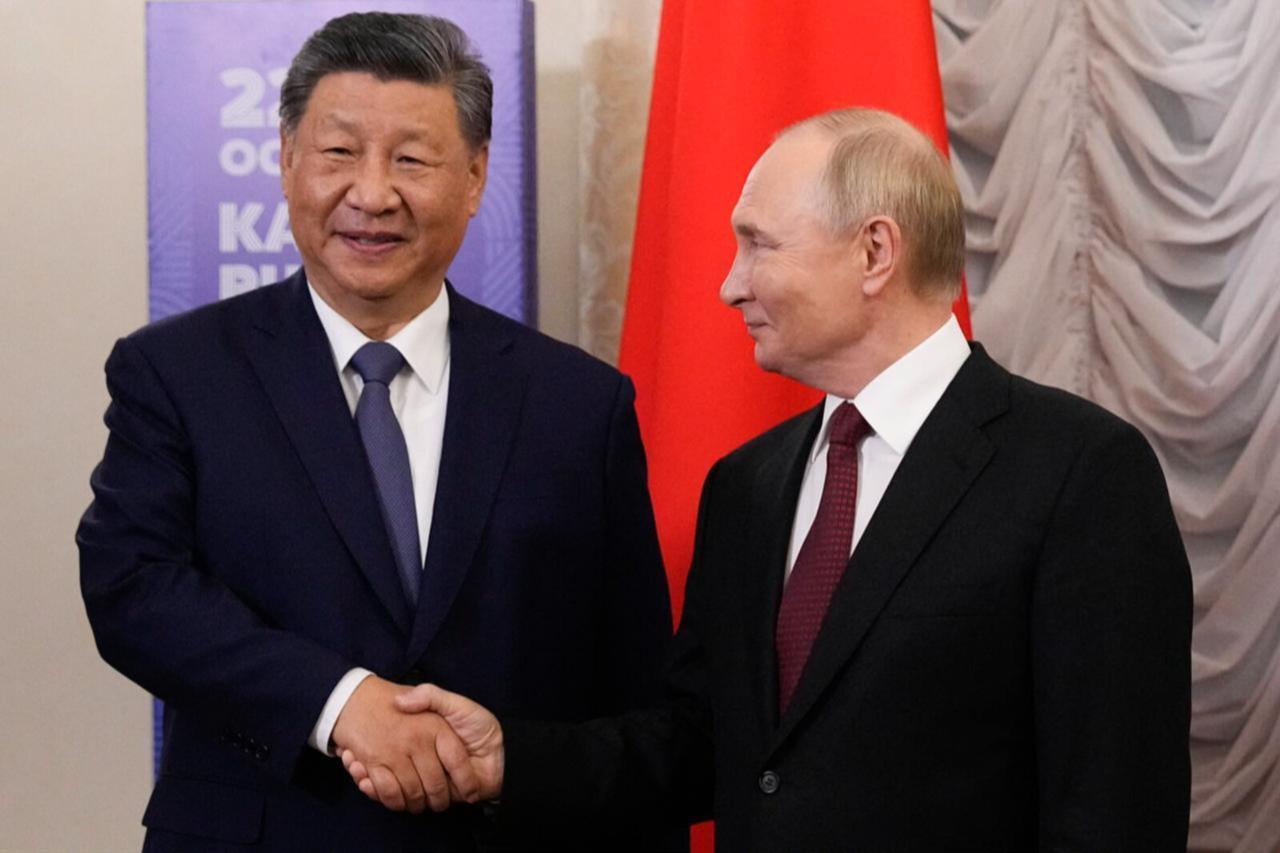


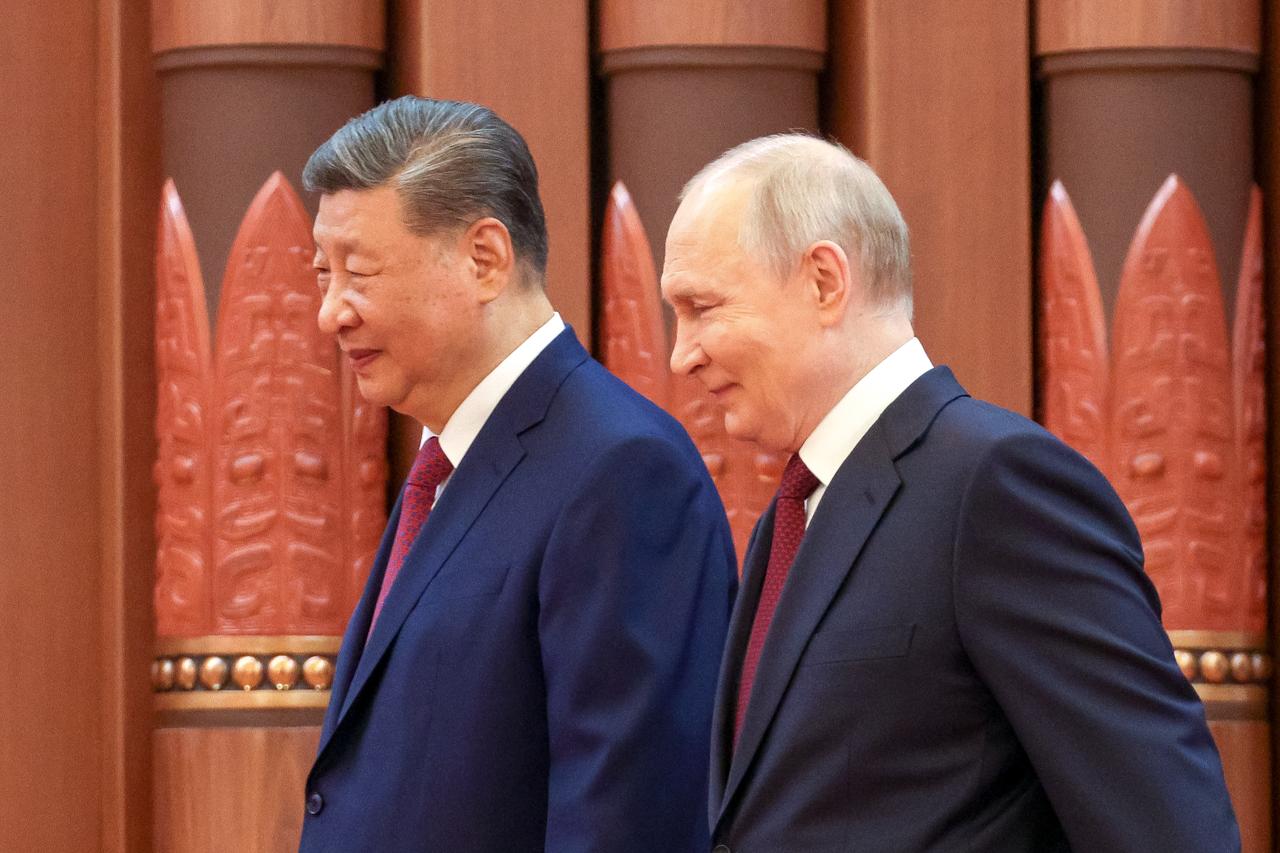
Russian President Vladimir Putin on Wednesday declared his two-day official visit to China "successful, fruitful and very intensive," as he and Chinese President Xi Jinping sought to deepen bilateral ties and jointly resist what both leaders described as a "return to jungle law" in international affairs.
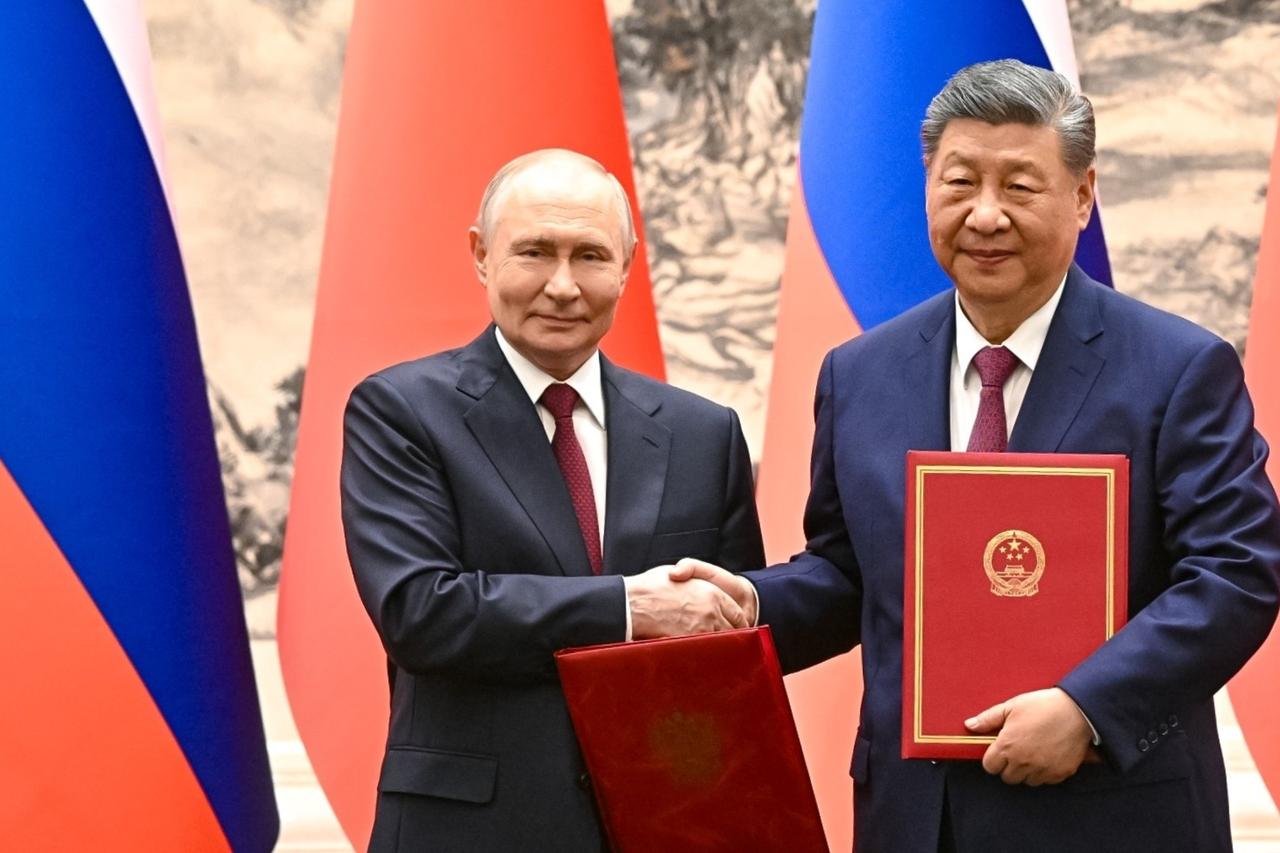
Putin arrived in Beijing on Tuesday night and held formal talks with Xi on Wednesday, with the two sides reaching agreements on joint energy projects and, according to Russian presidential aide Yury Ushakov, understandings on matters he described only as "something very important," without elaboration.
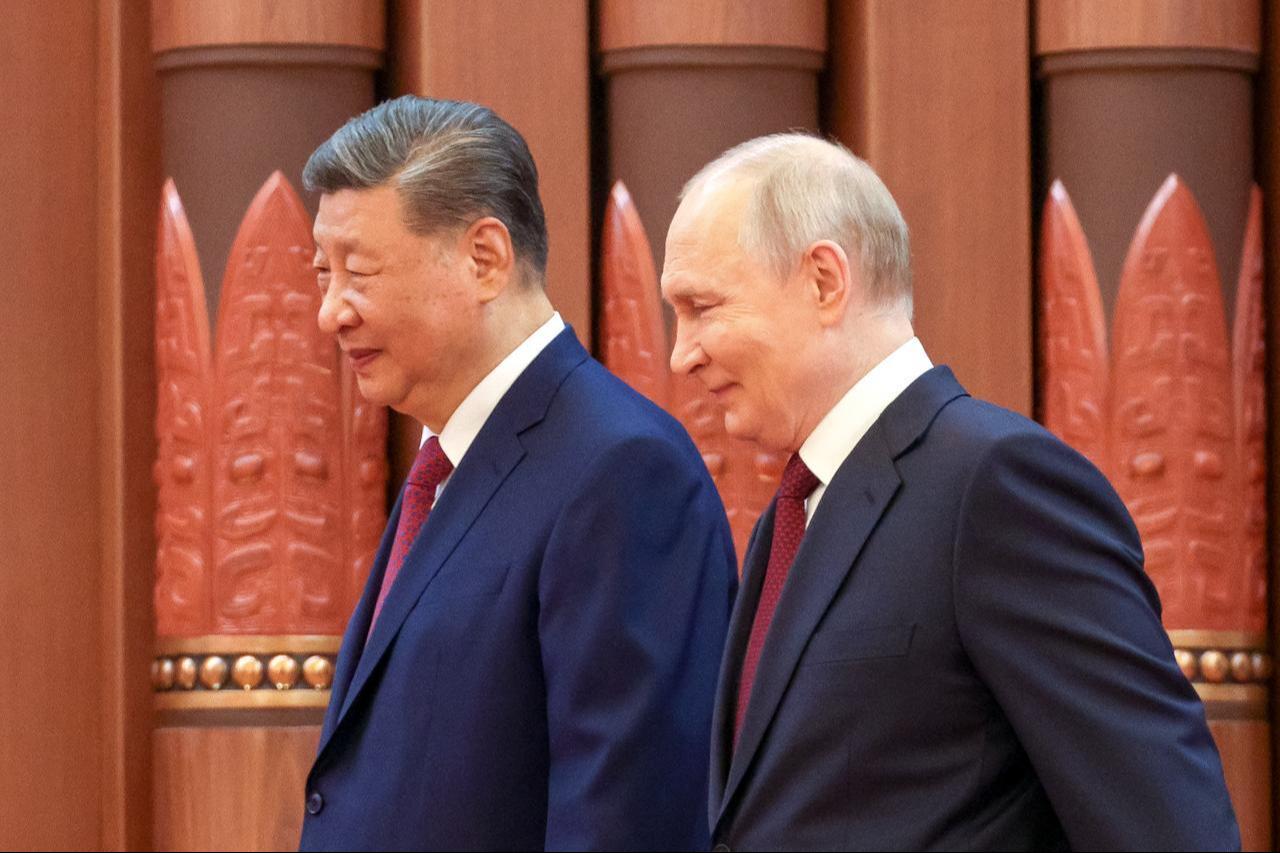

Putin's remarks came during a Chinese tea ceremony hosted by Xi, a setting that underscored the personal rapport the two leaders have cultivated over years of high-profile summitry. Xi assessed the talks as "extensive" and said they had produced "rich results," according to the Russian state media outlet Vesti.
The tea gathering brought together senior officials from both governments, including Russian Foreign Minister Sergey Lavrov, Deputy Chief of Staff Maxim Oreshkin and Ambassador to China Igor Morgulov on the Russian side, alongside Politburo Standing Committee member Cai Qi, Chinese Foreign Minister Wang Yi and China's ambassador to Russia, Zhang Hanhui.
Putin also met Chinese Premier Li Qiang during the visit. Li struck a tone of continuity and resolve, saying that amid what he characterized as an "increasingly turbulent international landscape," the China-Russia relationship had "remained stable and predictable," according to Xinhua News Agency. Li added that Beijing was ready to work with Moscow to "elevate bilateral cooperation to new heights," following the strategic direction set by both heads of state.
Energy cooperation featured prominently in the agreements reached during the visit, though specific details were not publicly disclosed. The two countries have steadily built an energy interdependence in recent years, with Russia becoming a major crude oil and natural gas supplier to China, particularly after Western sanctions constrained Moscow's access to European markets following the 2022 invasion of Ukraine.
The language used by both leaders, particularly the reference to "jungle law," pointed to a shared effort to frame the Russia-China axis as a stabilizing counterweight to what they portrayed as a rules-based order dominated and distorted by Western powers. The framing echoes rhetoric both governments have deployed consistently since the signing of their "no limits" partnership in February 2022, days before Russian forces entered Ukraine.
China has positioned itself as neither a formal ally of Russia nor an endorser of the war, while maintaining robust trade and diplomatic engagement with Moscow. The Beijing summit offered both leaders another opportunity to signal the durability of that posture on the world stage.


 Set as preferred source
 Set as preferred source


 1 min read

 1 min read