Newsletters


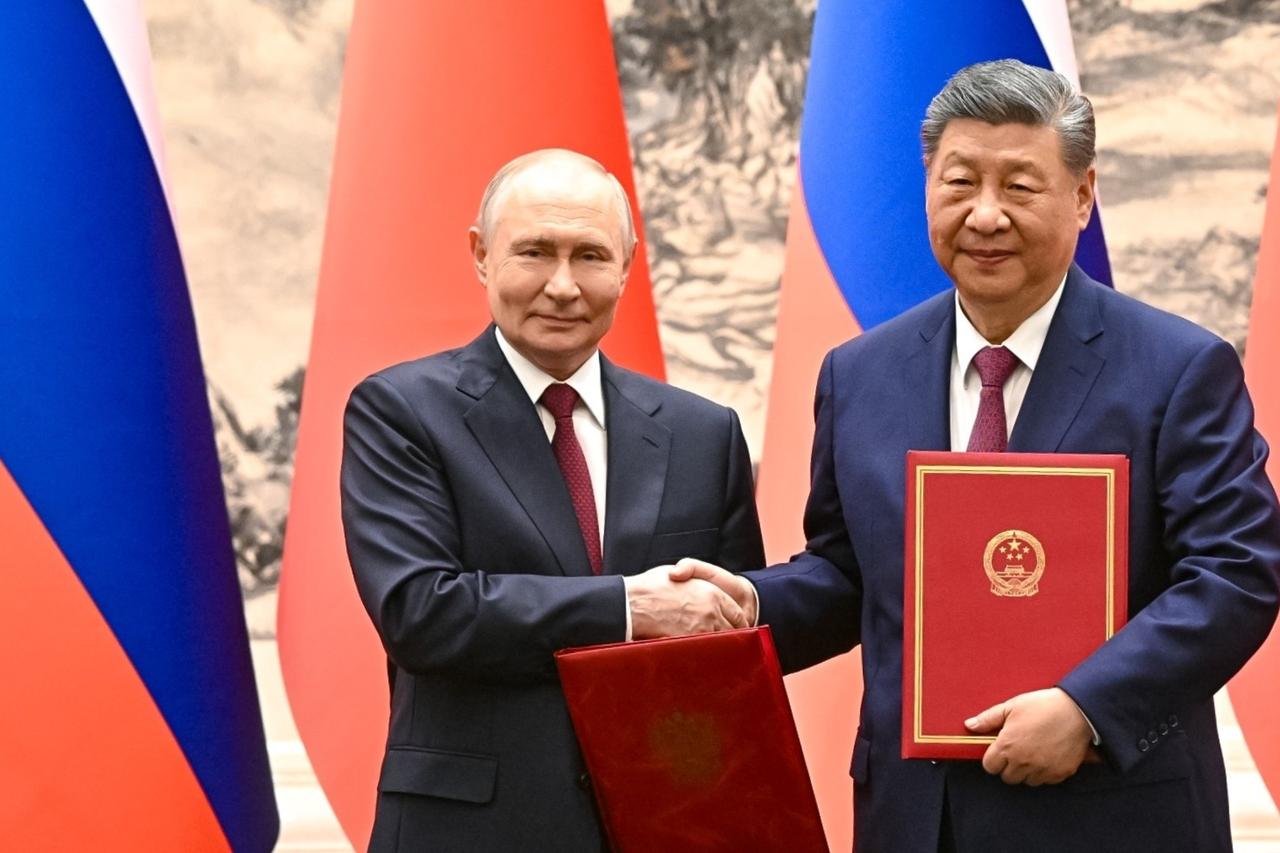


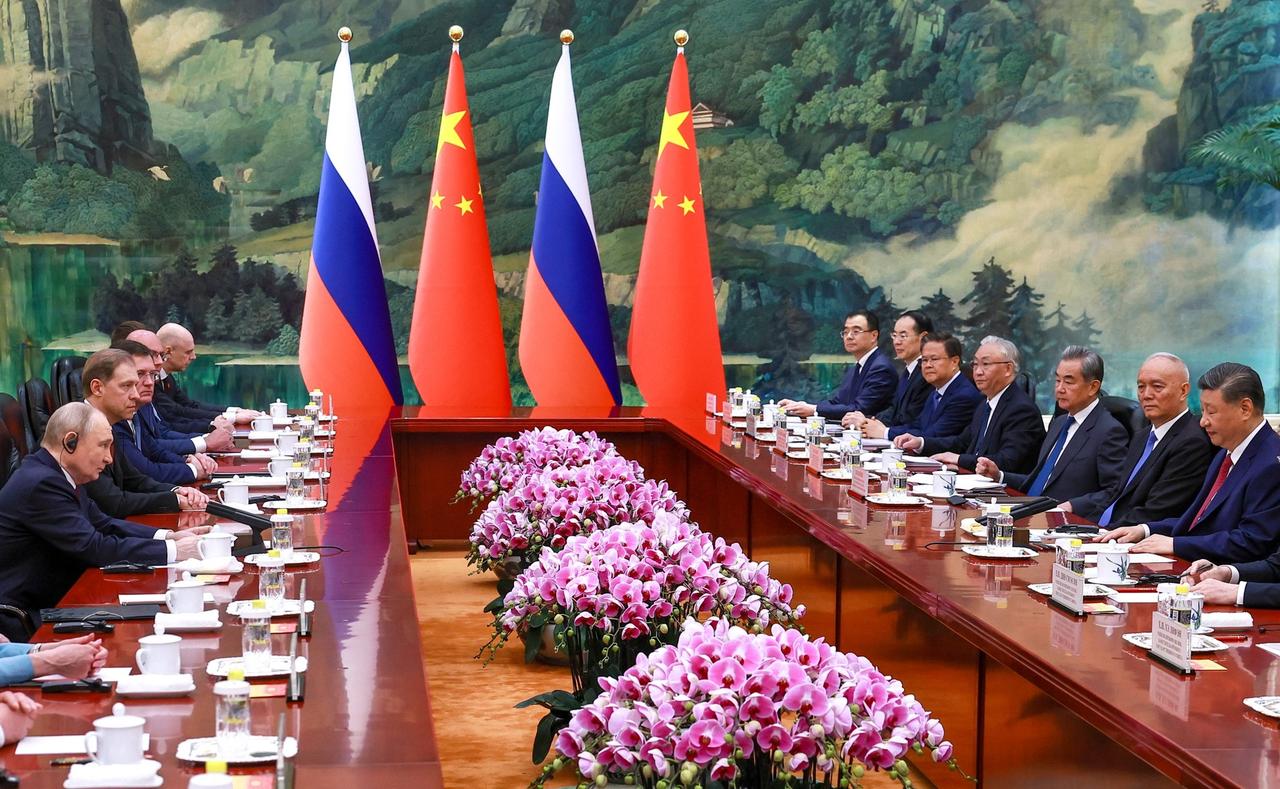
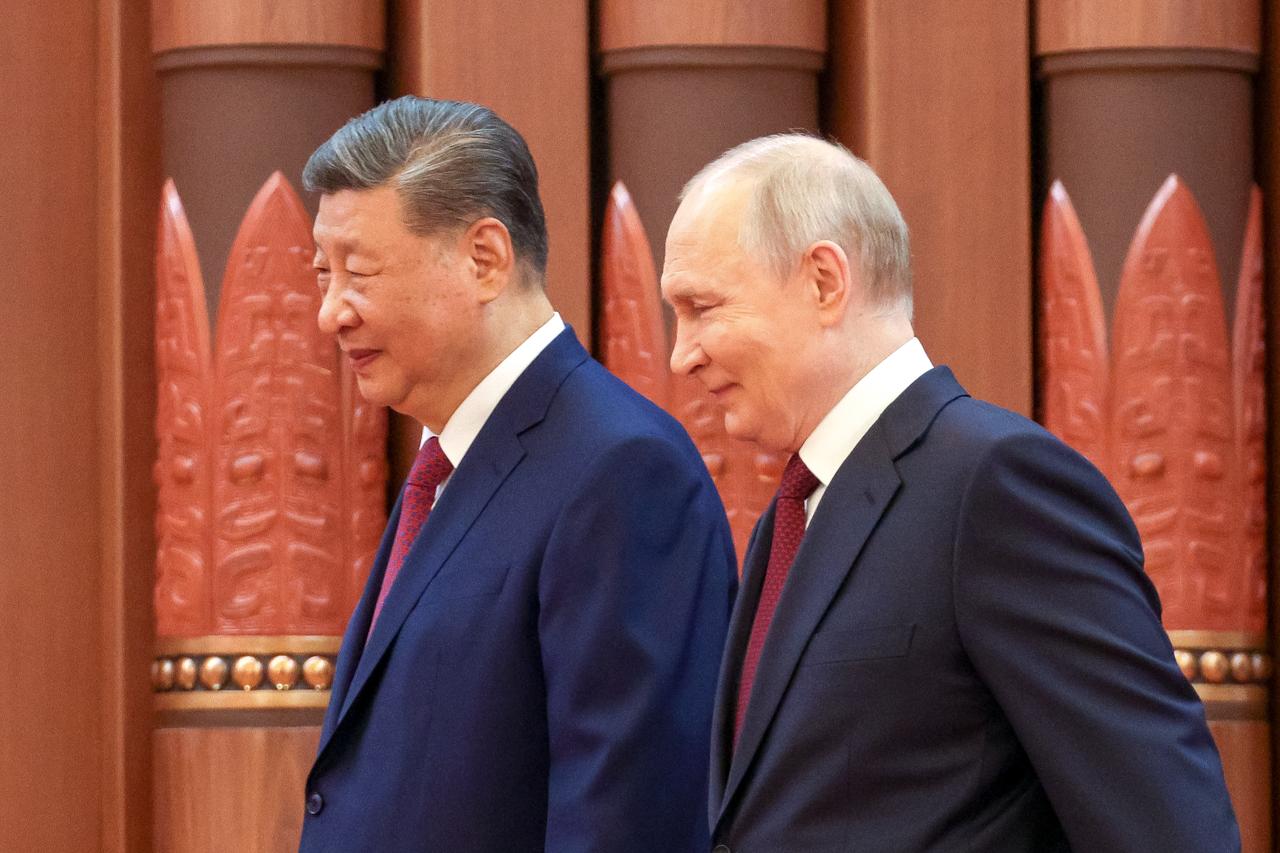
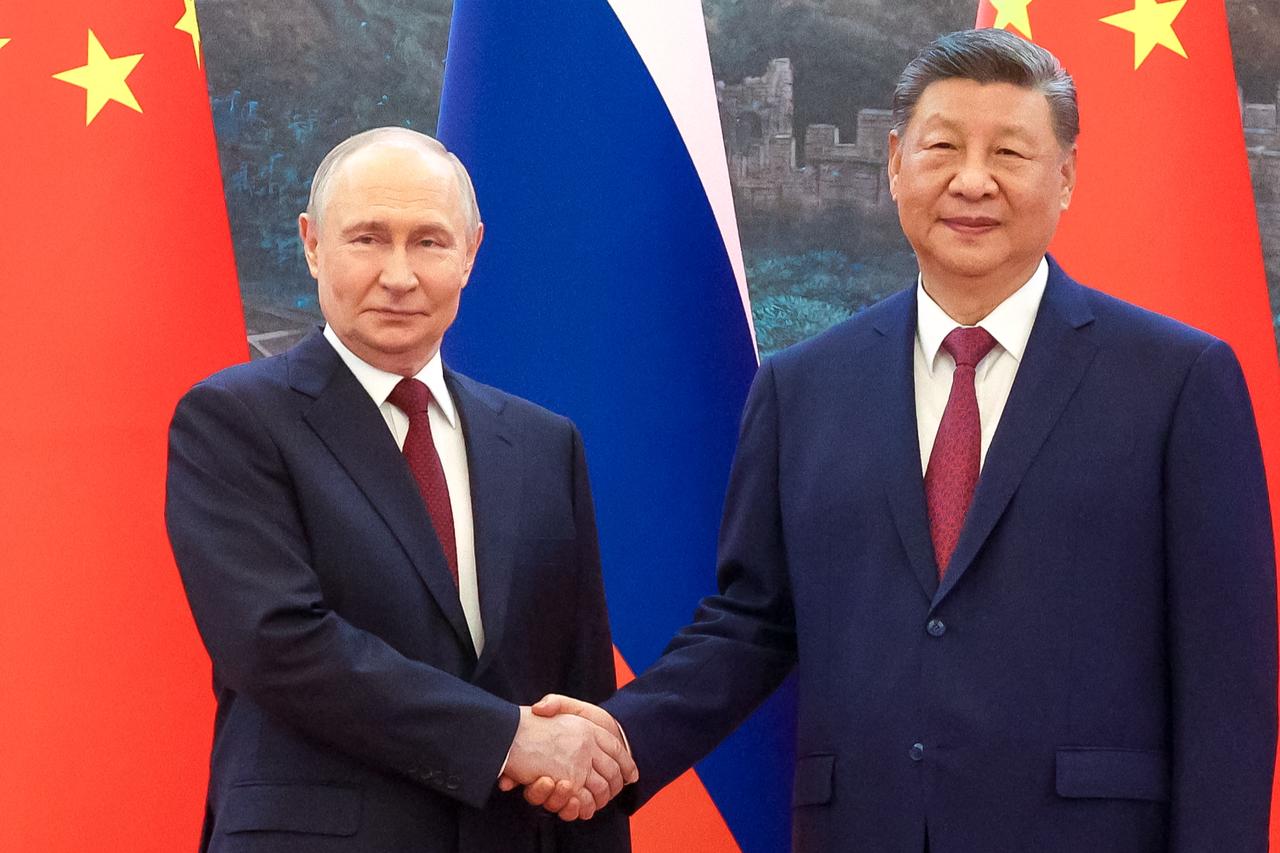
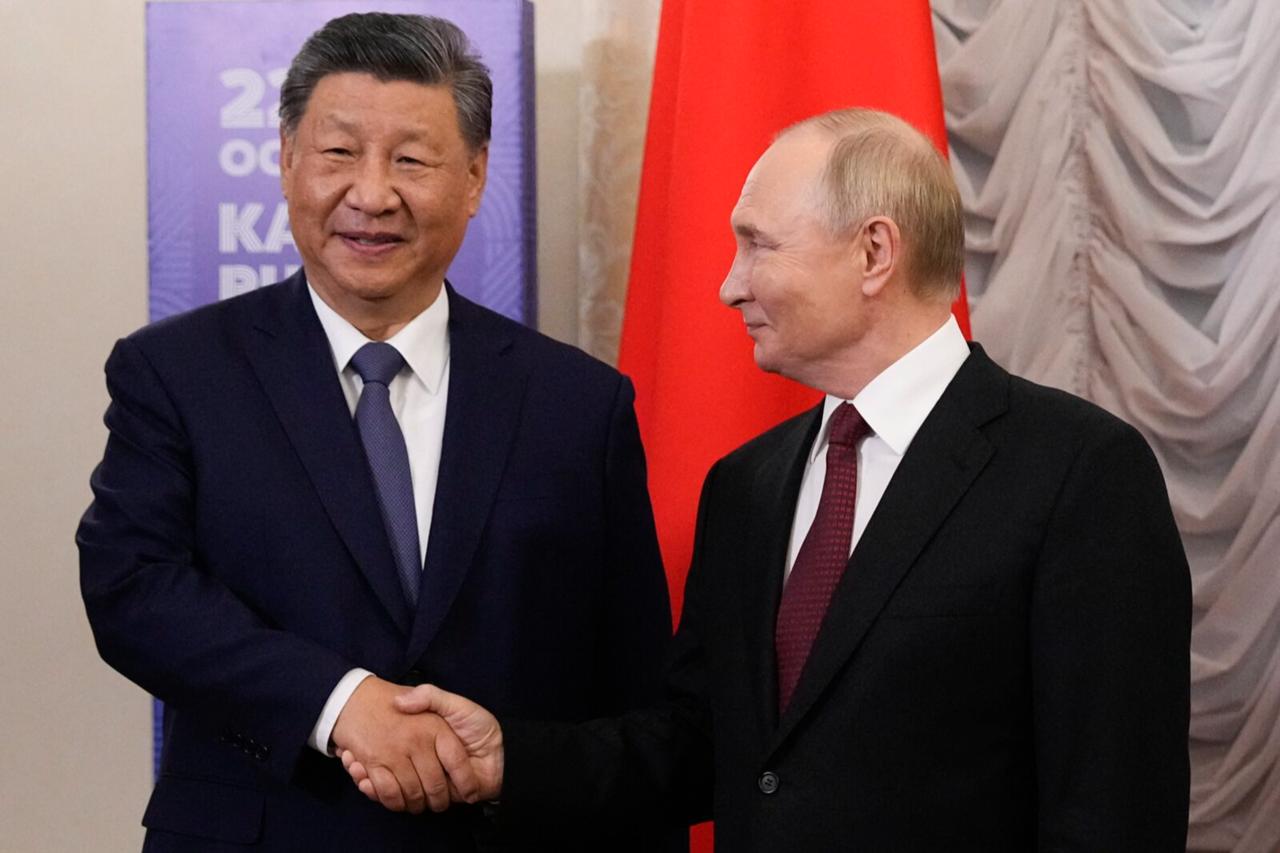
Russia and China signed 20 agreements covering the economy, energy, transport and international cooperation following talks between Russian President Vladimir Putin and Chinese President Xi Jinping in Beijing on Wednesday.
The two leaders also adopted a joint statement on strengthening the Russia-China partnership and deepening bilateral relations, alongside a separate declaration supporting a multipolar world order and a new model of international relations.
Speaking at a joint news conference after the talks, Putin said Moscow and Beijing had built a stable trade framework protected from external pressure and global market volatility.
He said the increasing use of national currencies had become a key element of bilateral economic cooperation.
“The coordinated steps taken by Russia and China to shift settlements between them, between our countries as a whole, to national currencies have been of great significance. As a result, virtually all Russian-Chinese export-import operations are being carried out in rubles and yuan,” Putin said.

He added that the use of the two currencies helped shield economic ties from “external influence” and ensured greater stability.
Putin also said Russia was prepared to continue uninterrupted oil and gas supplies to China and noted that Russia’s state nuclear corporation Rosatom was completing new power units at Chinese nuclear plants as part of broader energy cooperation.
Putin described Russia-China ties as a stabilizing factor in international affairs and highlighted growing exchanges between the two countries under their visa-free regime.
“In 2025, more than 2 million Russians arrived in the People's Republic of China. Over one million Chinese citizens visited Russia,” he said.
Separately, Russia and China expressed concern over what they described as increasing militarization in the Arctic by the United States and its allies.
In a joint declaration adopted after the summit, both countries stressed the importance of respecting the sovereignty and territorial integrity of Arctic states.
Moscow and Beijing said they supported preserving the Arctic as “a territory of peace, stability and low military-political tension.”
“The parties express concern over the militarization of the high latitudes by the United States and its allies, reaffirm their commitment to the norms of international law in the Arctic,” the statement said.
The declaration also emphasized the importance of maintaining constructive dialogue and cooperation through multilateral platforms, including the Arctic Council.
The remarks come amid growing geopolitical competition in the Arctic, where Russia, the United States and NATO countries have expanded military activity and strategic planning in recent years.


 Set as preferred source
 Set as preferred source


 1 min read
 1 min read