Newsletters


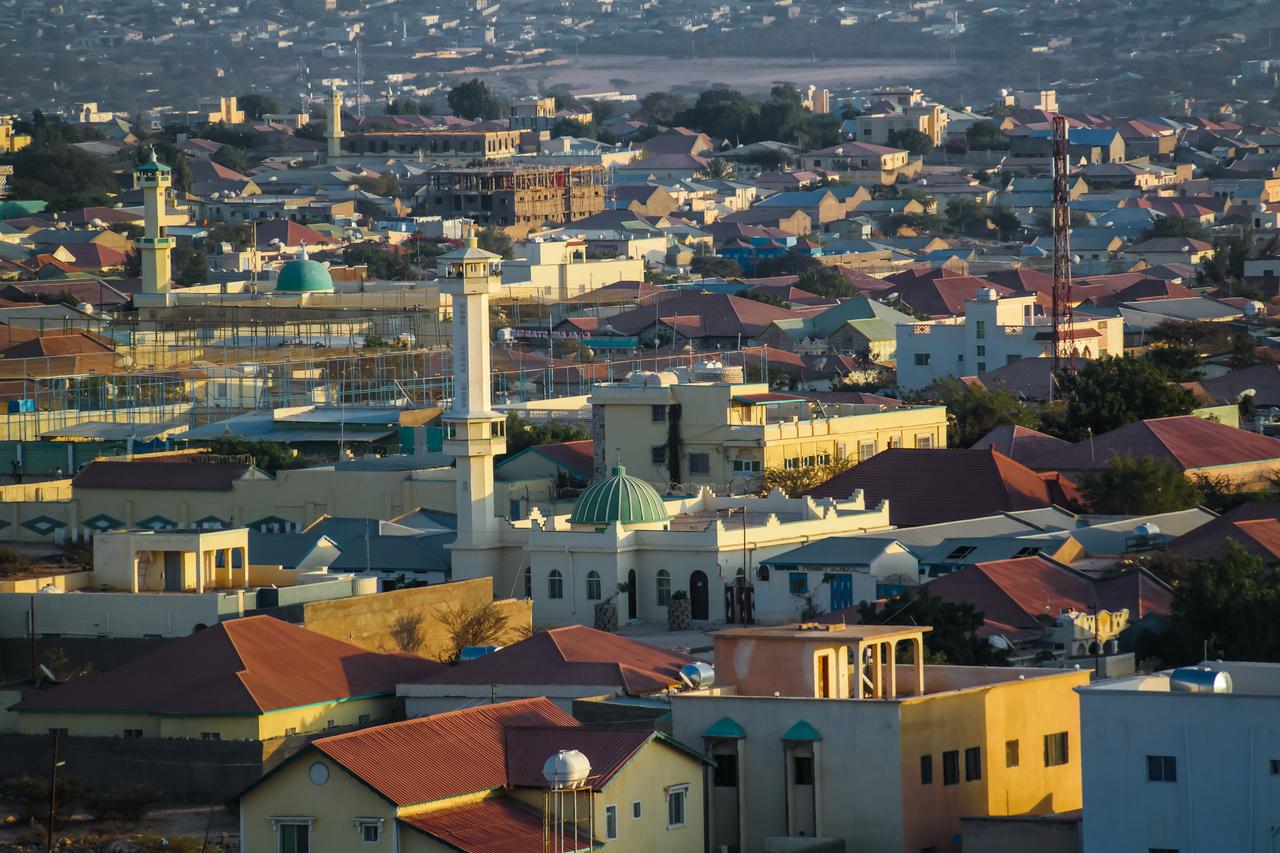


Qatar, Yemen and the Intergovernmental Authority on Development (IGAD) have rejected Israel's recognition of Somaliland as an independent state, calling it a "dangerous precedent" and a violation of international law.
Israel became the first U.N. member state to formally recognize Somaliland on Friday, with Israeli Prime Minister Benjamin Netanyahu saying the move was in the "spirit of the Abraham Accords."
The Qatari Foreign Ministry said in a statement that Qatar rejects any attempt aimed at creating or imposing parallel formations that would weaken Somalia's unity.
Qatar described the mutual recognition between Israeli authorities and the Somaliland region as "a unilateral action that constitutes a dangerous precedent contrary to the principles of international law, meaning an infringement on Somalia's sovereignty, unity and territorial integrity."
Qatar reaffirmed its "firm and supportive stance" on Somalia's sovereignty, unity and territorial integrity, calling for compliance with international law and respect for international legitimacy decisions.
The statement noted that coordinated international efforts are needed to maintain security and stability in the Horn of Africa region.
The Yemeni Foreign Ministry said it fully supports Somalia's sovereignty, unity and territorial integrity.
"We reject any declaration, agreement or mutual recognition made between Israeli authorities and the Somaliland region, as this is a clear violation of international law principles," the ministry said.
Yemen said it rejects all measures and practices that would endanger Somalia's national unity or attempt to impose a fait accompli contrary to its sovereignty.

The Intergovernmental Authority on Development (IGAD), a regional political and development bloc in Africa, reaffirmed its support for Somalia's unity and territorial integrity on Saturday.
The IGAD Secretariat warned that any unilateral recognition of Somaliland would violate the United Nations Charter, the Constitutive Act of the African Union, and the legal framework establishing IGAD.
"The secretariat calls upon all international partners and stakeholders to uphold international law and support dialogue and processes that strengthen peace, stability and cooperation in the region," the statement said.
IGAD said Somalia remains a sovereign member state whose territorial boundaries are fully recognized under international law.
IGAD's position aligns with statements from the African Union, the Arab League, and the Gulf Cooperation Council, all of which have warned that such recognition could destabilize the region.
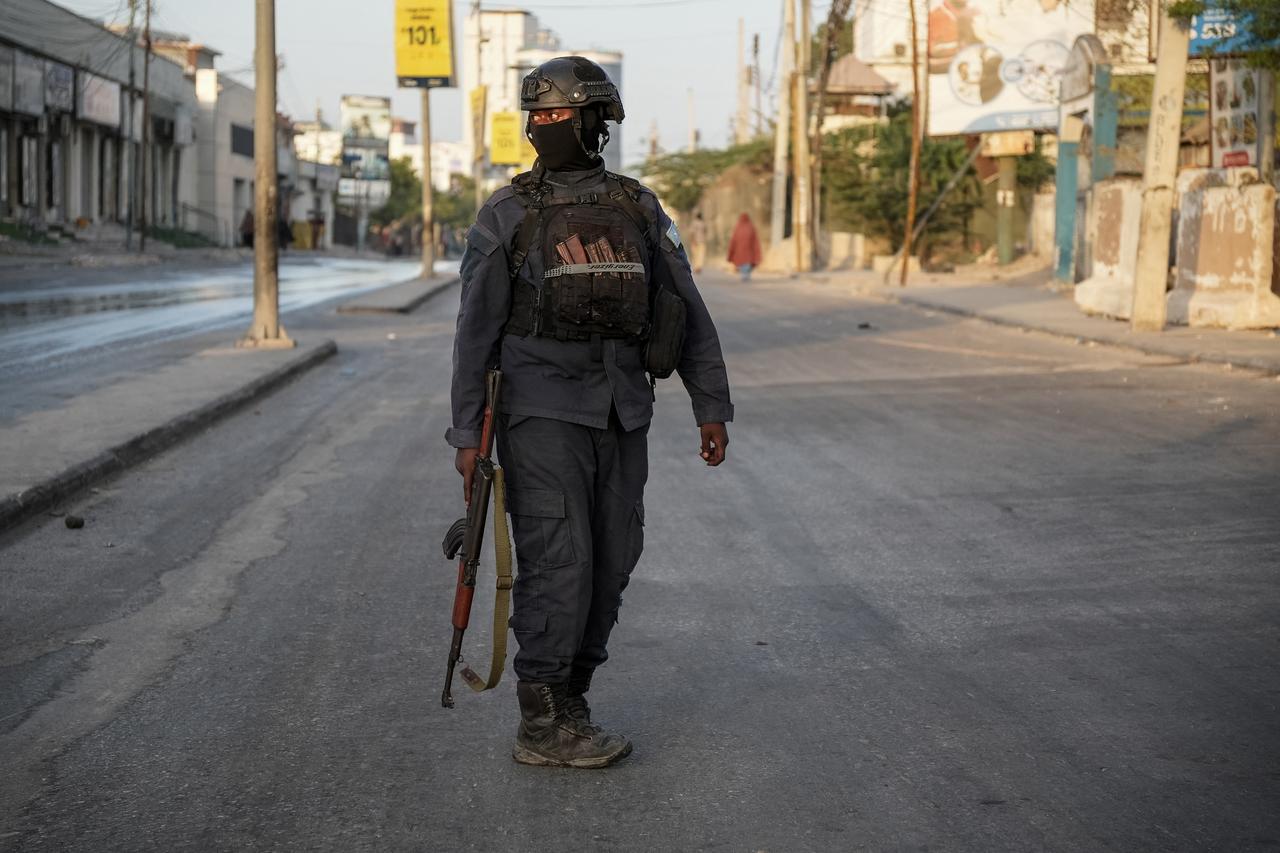
Somalis in the capital Mogadishu reacted strongly to Israel's decision, telling state-run Anadolu Agency (AA) on Saturday that the move damages Somalia's territorial integrity and poses serious risks to the country's and region's security.
Hatice Osman Dahir, a Somali citizen, said: "Somalia and Somaliland are parts of the same body. We do not want our country divided."
Nur Kumbow rejected Israel's decision, saying: "Given what Israel is doing at Al-Aqsa Mosque, it is impossible for us to accept this situation as long as even one of us is alive."
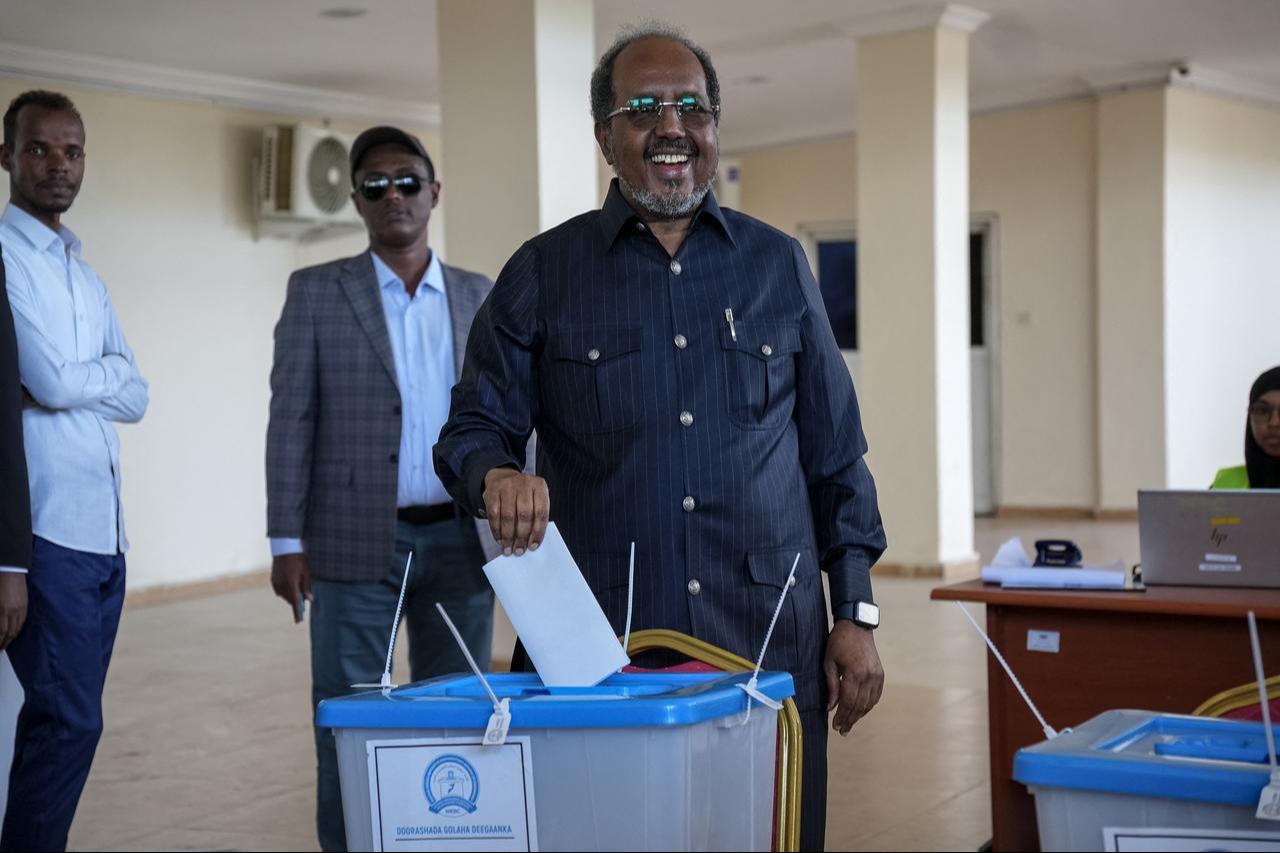
Mohamed Guled said Israel's recognition of Somaliland has no legal meaning.
"The recognition by another country of a structure that is not recognized as a state internationally is not valid," he said.
Mohamed Salad said the decision was unexpected for the Somali people.
"Attempts to divide the country by a region that even Somalia does not recognize as a state are extremely grave," he said.
Somaliland declared independence from Somalia in 1991 and has operated as a de facto state for more than three decades, but had not previously received formal recognition from any U.N. member state. Somalia considers Somaliland an integral part of the country and emphasizes that all international agreements regarding the region are solely under the authority of the Mogadishu administration.


 Set as preferred source
 Set as preferred source


 1 min read

 1 min read