Newsletters


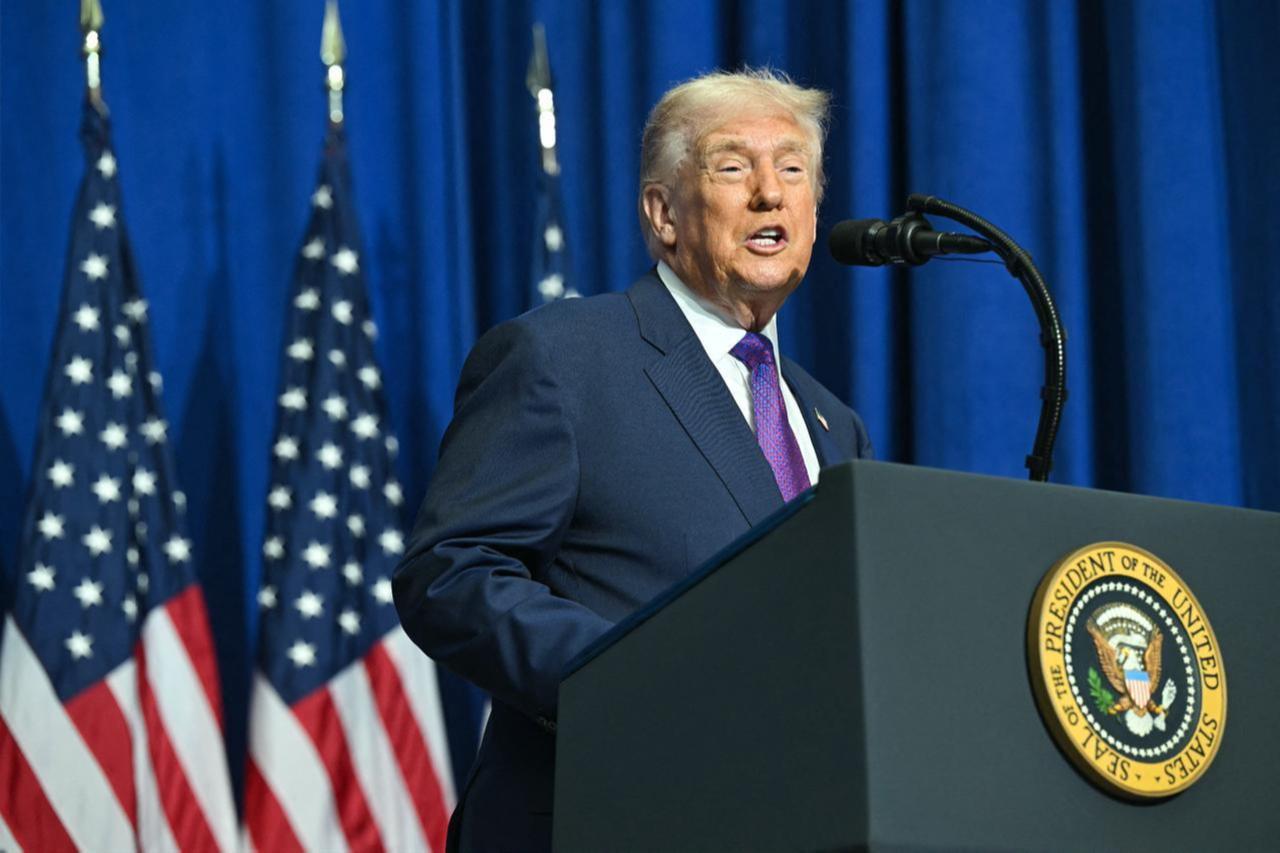


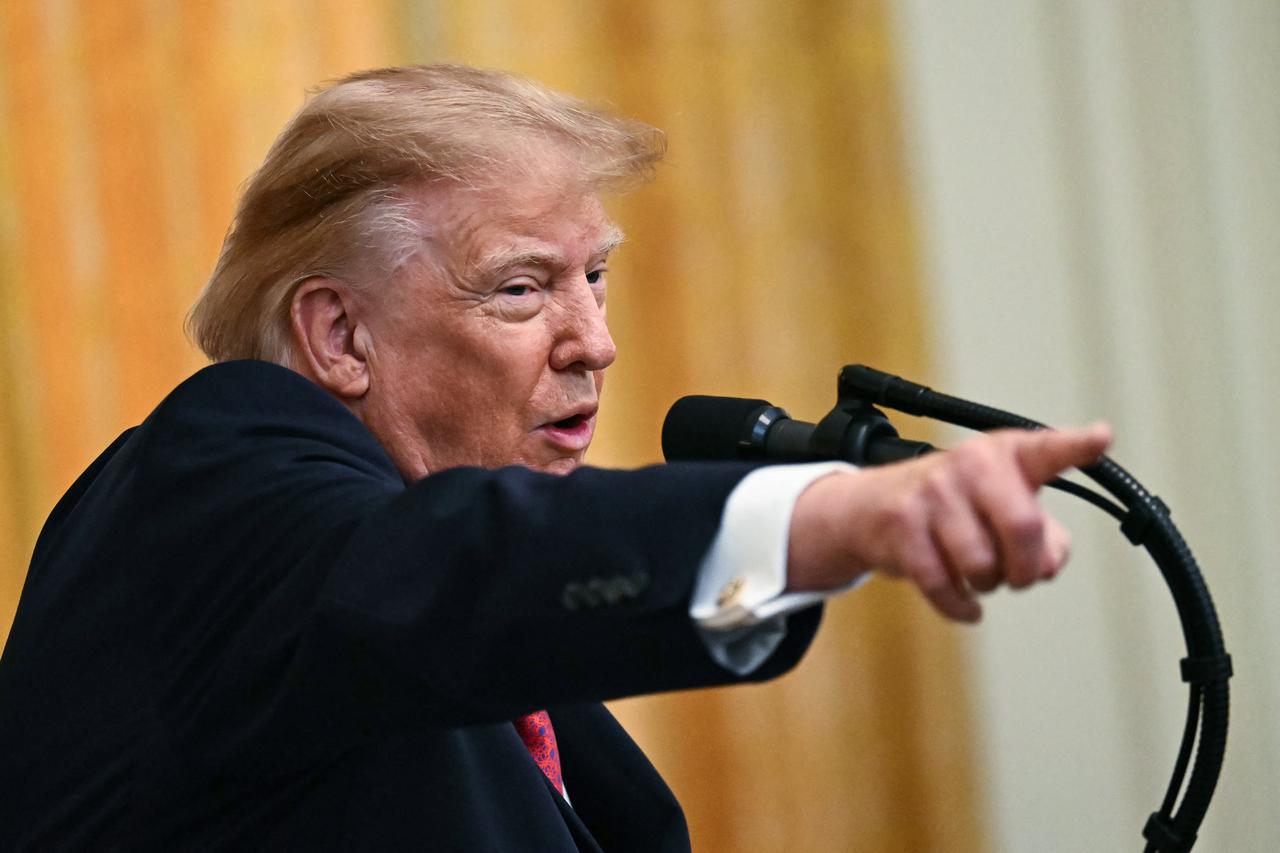
The return of President Donald Trump to the White House has accelerated a global “downward spiral” in human rights and poses an “unprecedented threat” to the entire human rights ecosystem, Human Rights Watch (HRW) said in its annual World Report, according to comments by its new leadership to Euronews.
HRW Executive Director Philippe Bolopion told Euronews that the speed of what he described as democratic deterioration in the U.S. under the Trump administration has been “astonishing,” with consequences extending beyond the country’s borders.
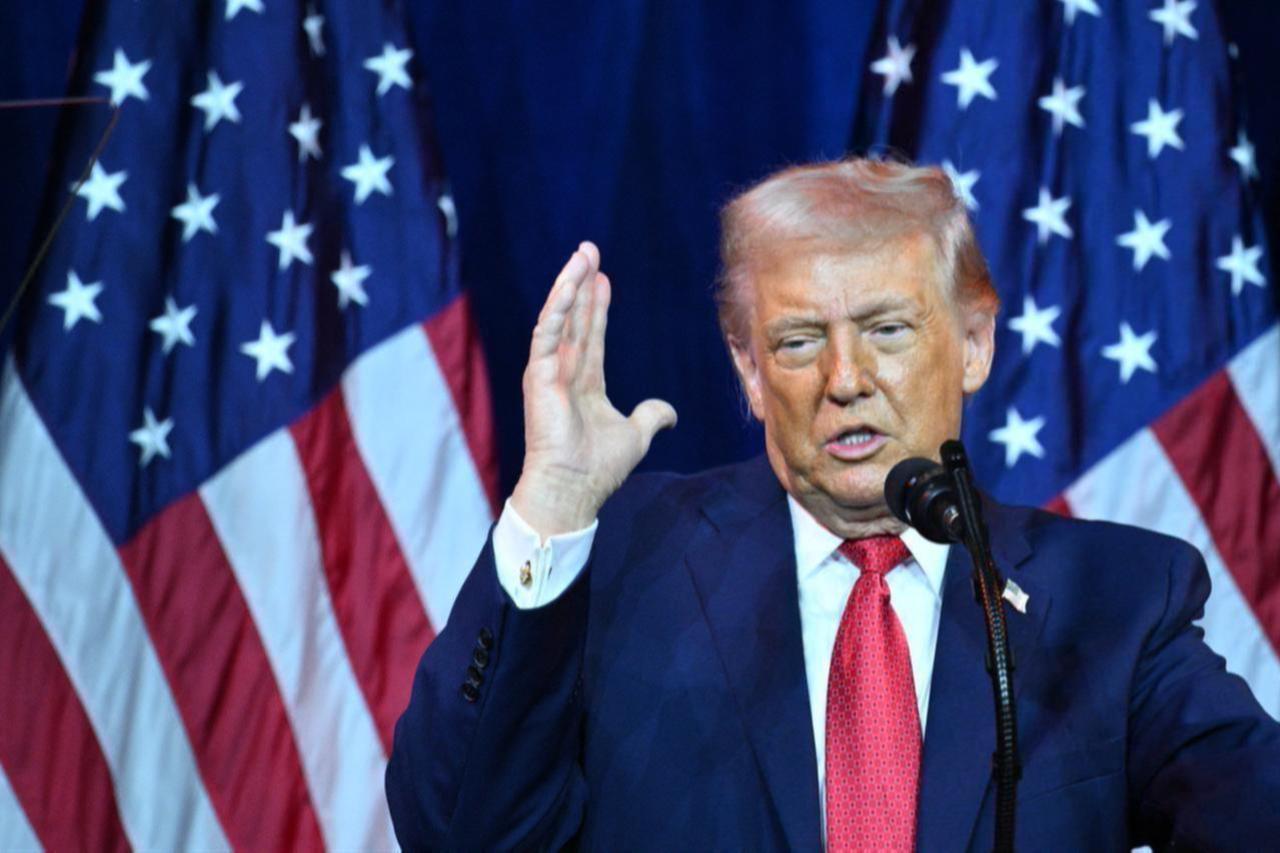

In its report, HRW said the world has experienced a “democratic decline” over the past 20 years, with democracy falling to historic lows not seen since before the collapse of the Soviet Union in 1985.
While pressure on democratic systems has been gradual globally, Bolopion said the pace of deterioration in the U.S. has been rapid.
He said the Trump administration has “turned against the entire human rights ecosystem,” targeting the independence of judges, journalists, academic institutions, law firms and major corporations, and attempting to undermine confidence in the integrity of elections.
“This is a multi-front attack against the checks and balances that have historically made U.S. democracy strong and resilient,” Bolopion said.
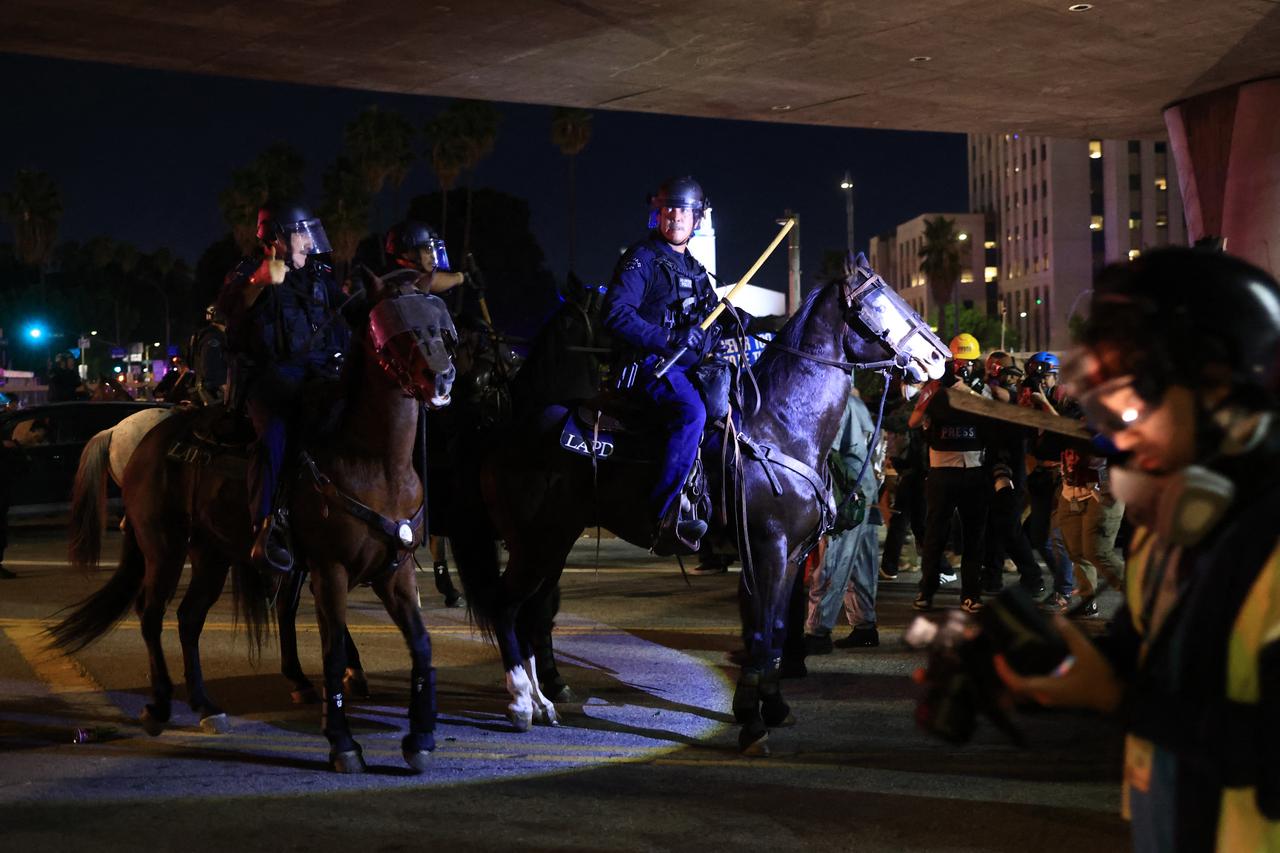
The report also highlighted the deployment of Immigration and Customs Enforcement (ICE) agents in U.S. cities, citing “hundreds of unnecessarily violent and abusive raids.”
HRW said rhetoric scapegoating racial and ethnic groups, the domestic use of the National Guard under expanded authority, repeated reprisals against perceived political opponents and critics, and efforts to broaden executive power indicate a “clear shift toward authoritarianism” in the U.S.
 2 min read
Bolopion said democratic backsliding in the U.S. sends the wrong message globally and pointed to similar trends in Europe, including initiatives that demonize migrants and minorities and target the rights of LGBT individuals and women.
“When you target the rights of the most vulnerable, it eventually affects everyone,” he said.
HRW called on countries to push back against what it described as aggressive superpowers such as Russia and China, and now also the U.S.
Bolopion said the European Union could play a key role in forming a new alliance, echoing a call made by Canadian Prime Minister Mark Carney at the World Economic Forum in Davos for “middle powers” to build a new order based on respect for human rights, sustainable development, solidarity, sovereignty and territorial integrity.
“If we want to return to a world where abuses are not tolerated, countries around the world must take responsibility and defend human rights, international justice, the rule of law and the global architecture designed to prevent such crimes,” Bolopion said.
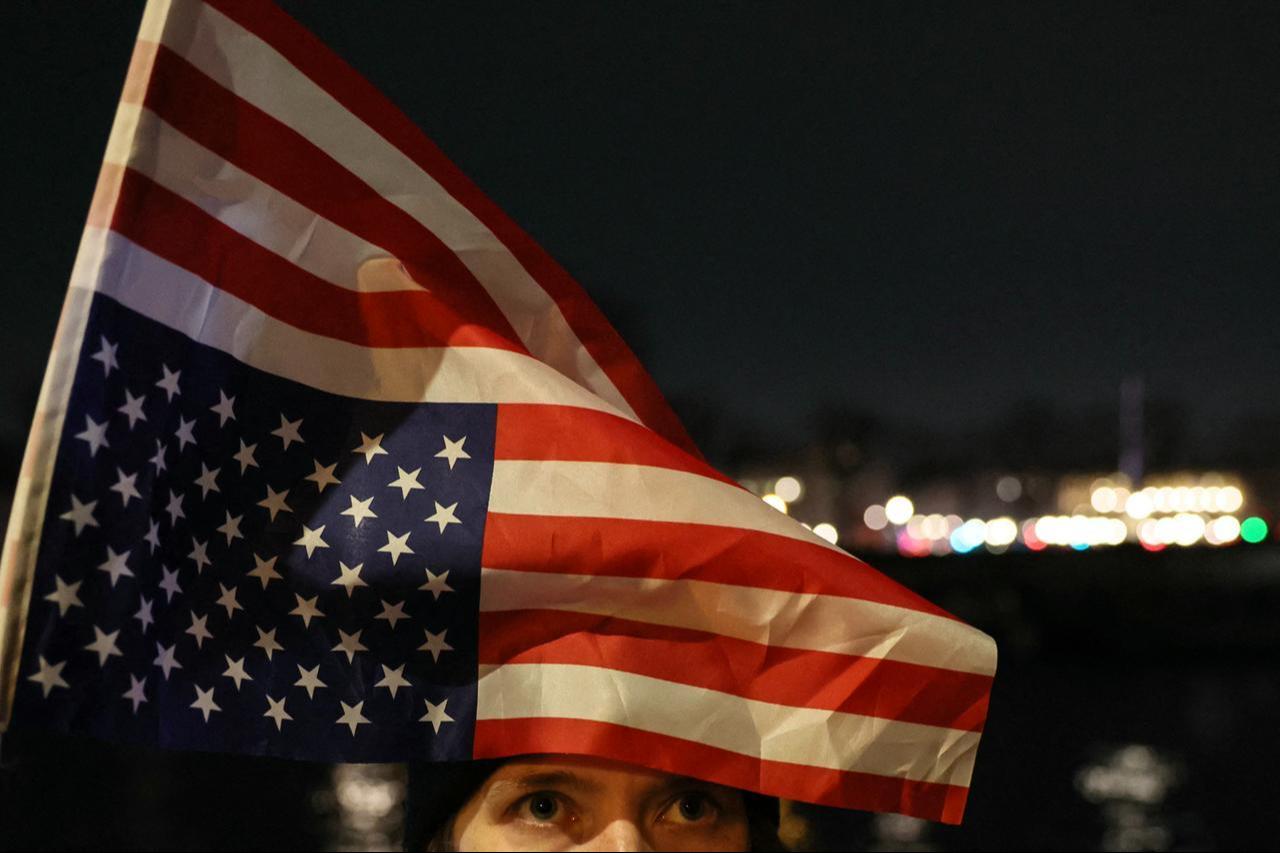
Bolopion said documenting abuses is becoming more dangerous as the world grows more authoritarian and civic space shrinks, making HRW’s work more complex and risky.
The organization has also faced internal controversy in recent weeks after some researchers resigned, alleging that a report on Israel’s denial of Palestinian refugees’ right of return was shelved due to fear of political backlash.
Former HRW Israel and Palestine Director Omar Shakir announced his resignation in early February after the decision to withdraw the report, which had been planned for publication in early December.
Bolopion said there was no political pressure behind the decision and that it stemmed from internal disagreements over how to handle the content.
“If you look at our record on Israel and Palestine, you will see that we have never held back, including regarding very serious crimes committed by Israel over the past two years,” he said.
He added that the current moment should not be a call for despair but for action, stressing that fundamental rights are under attack worldwide, including in the U.S., and that this represents a new and dangerous reality.


 Set as preferred source
 Set as preferred source


 1 min read