Newsletters


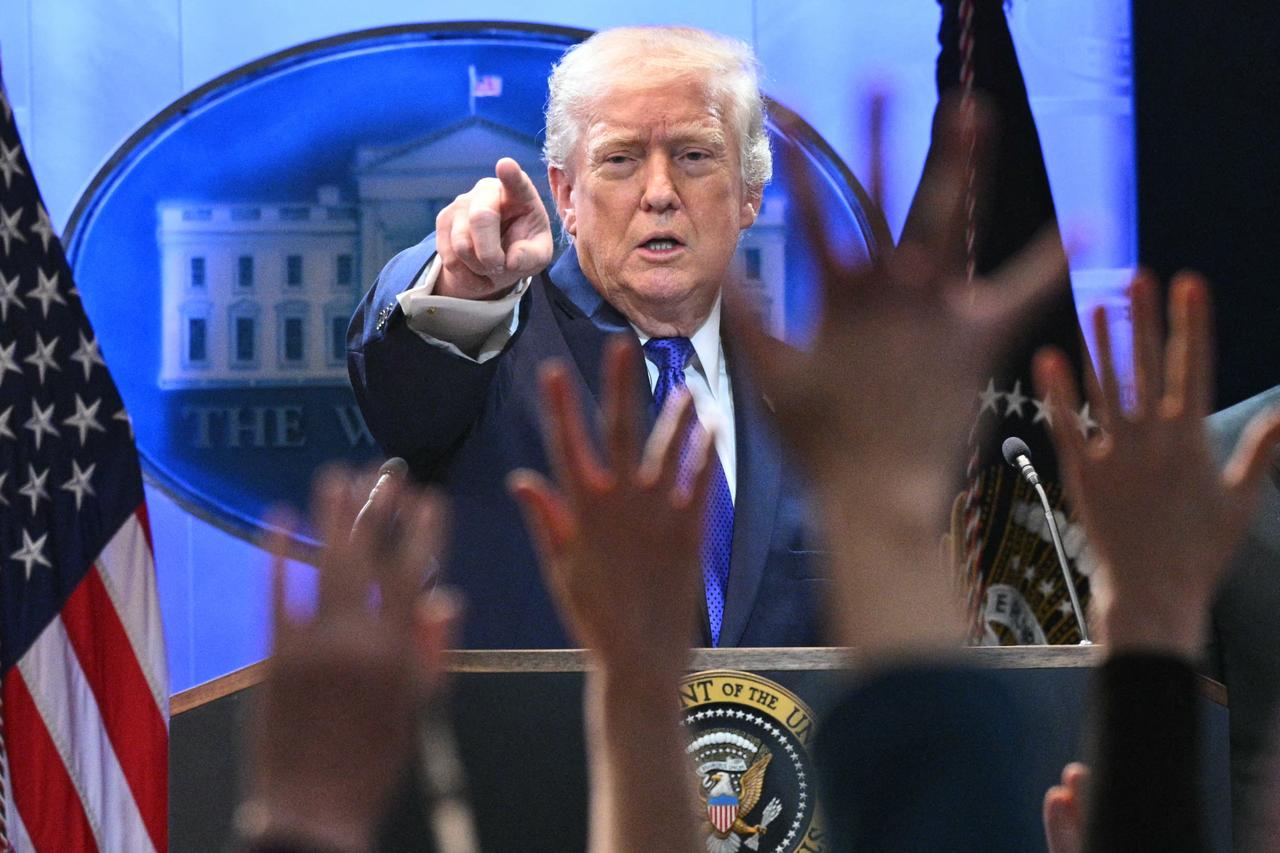


U.S. President Donald Trump announced Saturday that he has signed documents imposing a 10% tariff on all imports from every country, hours after the U.S. Supreme Court struck down most of his previous tariffs in a 6-3 ruling.
"It is my Great Honor to have just signed, from the Oval Office, a Global 10% Tariff on all Countries, which will be effective almost immediately," Trump wrote on his Truth Social platform.
The new tariff will take effect Feb. 24 at 12:01 a.m. EST and will remain in place for 150 days, according to a White House proclamation.
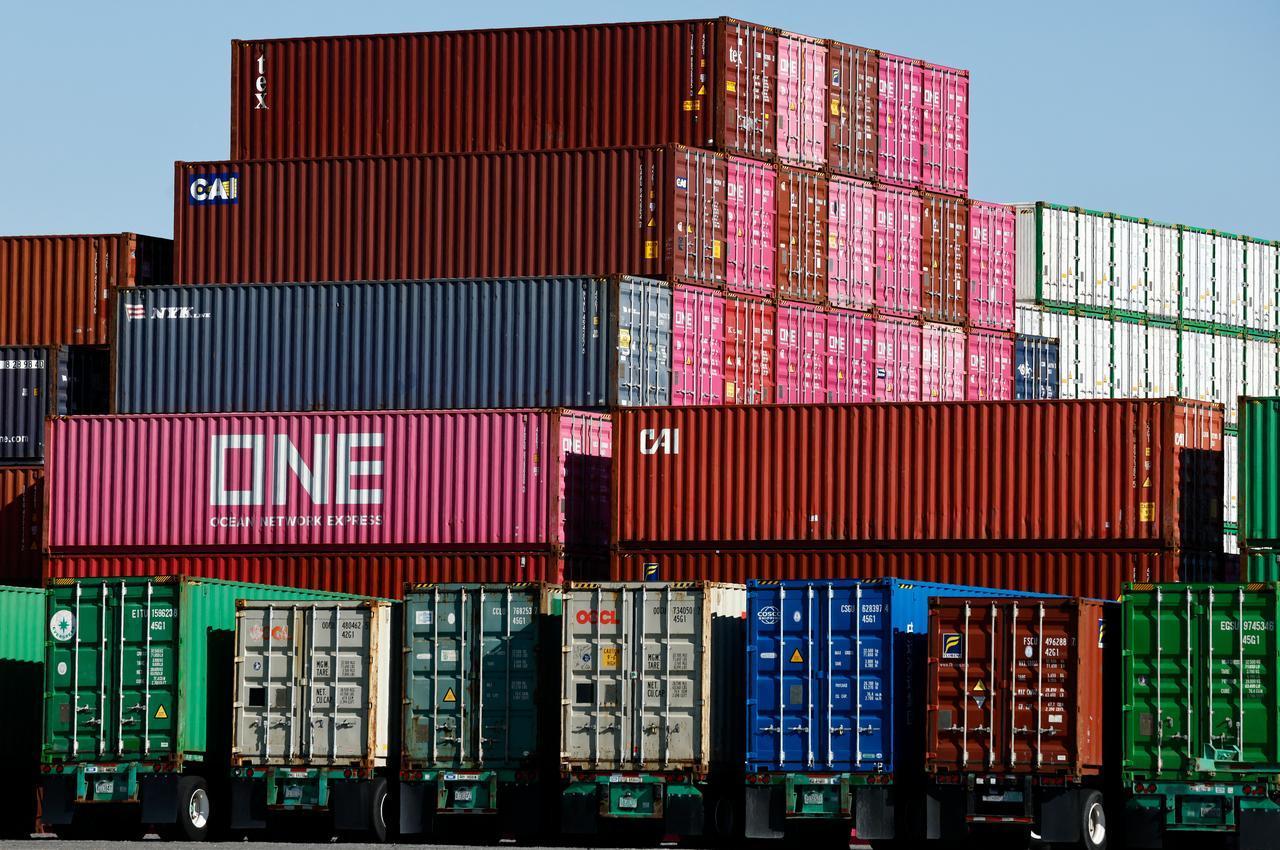

The move came after the Supreme Court ruled that Trump exceeded his authority when imposing sweeping tariffs using the International Emergency Economic Powers Act, a law reserved for national emergencies.
Trump called the court's decision "ridiculous" and asserted the U.S. would continue seeking ways to increase revenue.
"Those members of the Supreme Court who voted against our very acceptable and proper method of tariffs should be ashamed of themselves," Trump wrote on Truth Social.
"Their decision was ridiculous but, now the adjustment process begins, and we will do everything possible to take in even more money than we were taking in before!," he added.
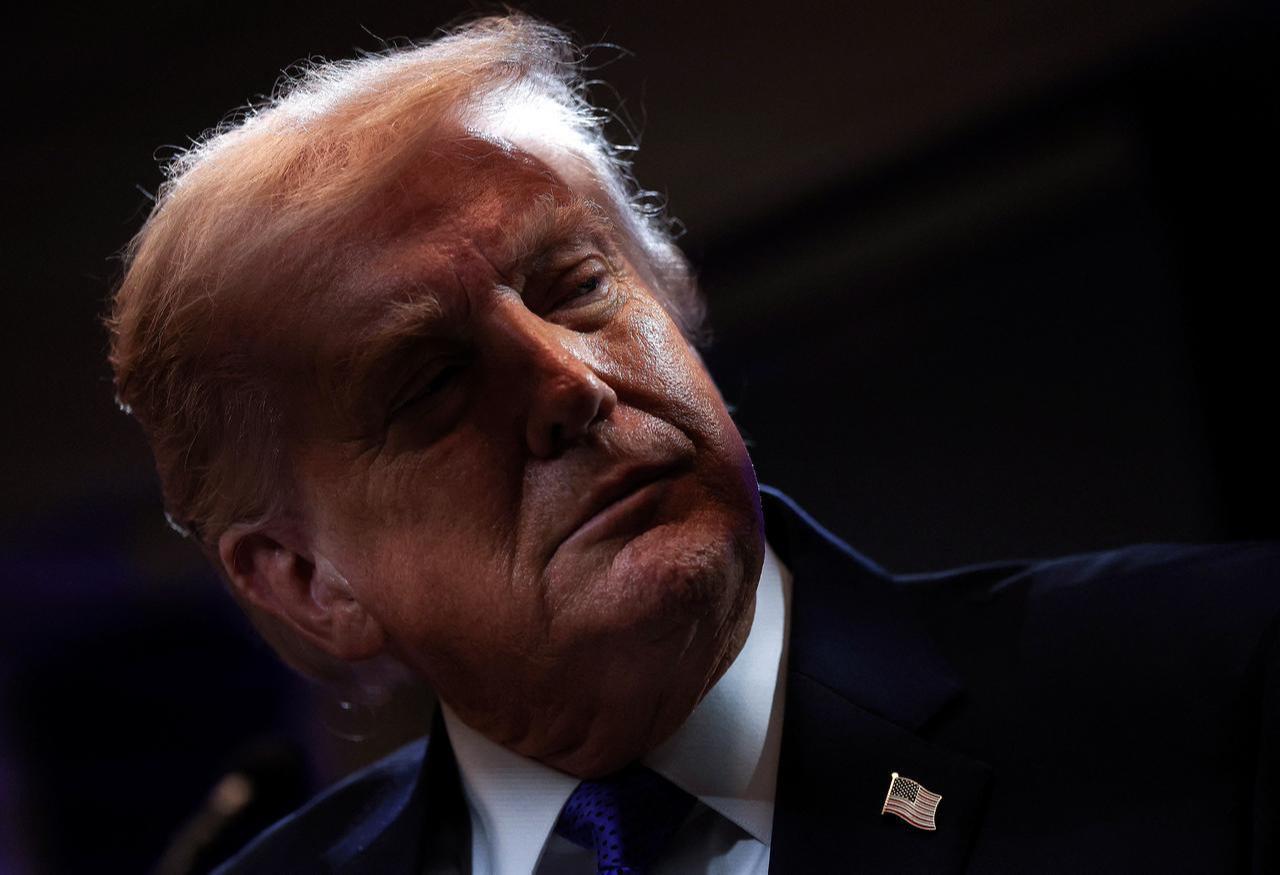
Certain goods will be exempt from the temporary tariff to protect the U.S. economy and ensure the measure effectively addresses payment imbalances, according to a White House fact sheet.
Exemptions include:
Additionally, goods already covered under Section 232, U.S.–Mexico–Canada Agreement (USMCA)-compliant imports from Canada and Mexico, and duty-free textiles from Central American countries will not be subject to the temporary import duty.
In a parallel action, Trump extended the suspension of duty-free de minimis treatment for low-value shipments, ensuring these shipments are also subject to the temporary import duty.
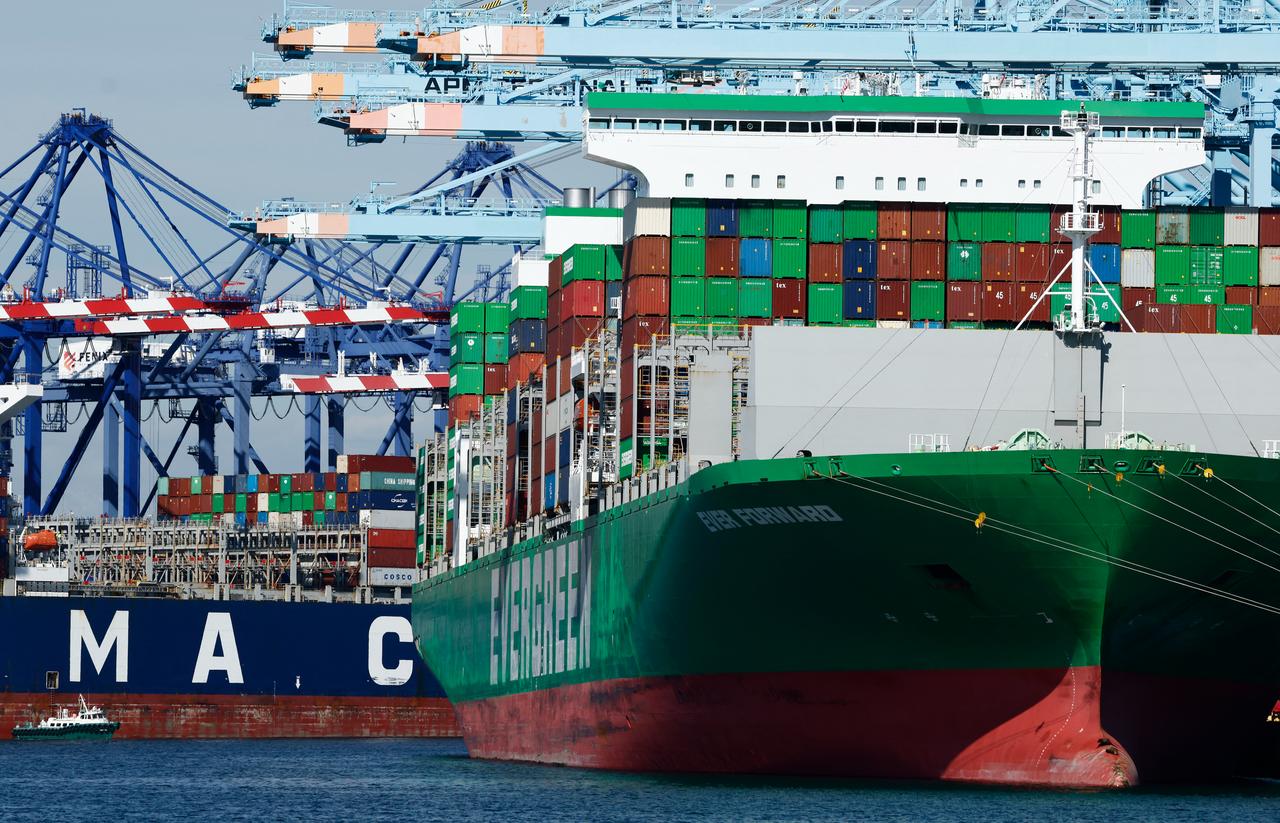
Trump also issued an executive order terminating the collection of additional ad valorem duties imposed under several previous executive orders addressing national security, trade imbalances and foreign threats.
"In light of recent events, the additional ad valorem duties imposed pursuant to IEEPA shall no longer be in effect and, as soon as practicable, shall no longer be collected," the White House said.
All affected departments and agencies are directed to take immediate steps to stop collecting the additional duties, with modifications to the Harmonized Tariff Schedule to be made as needed.
The order clarifies that other recent trade measures, including the Feb. 20 temporary import surcharge and suspension of duty-free de minimis treatment, remain in effect.
The White House emphasized that the action only terminates specific ad valorem duties under IEEPA and does not alter tariffs imposed under other trade authorities, including Section 232 of the Trade Expansion Act or Section 301 of the Trade Act of 1974.


 Set as preferred source
 Set as preferred source


 2 min read
 1 min read