Newsletters


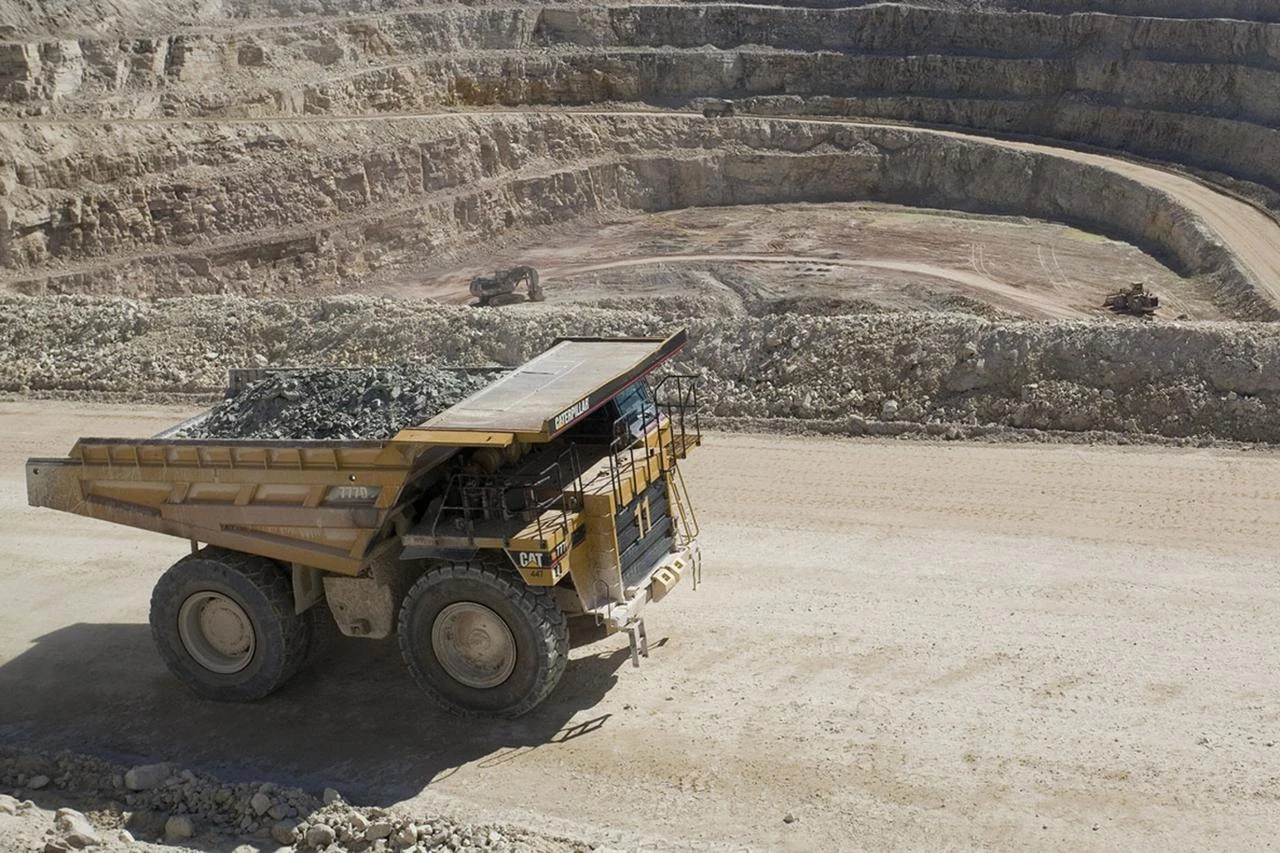


Romanian nuclear energy company Nuclearelectrica SA has expressed interest in buying 300 tons of uranium concentrate from a stock of more than 1,000 tons held near Niamey airport since late 2025, according to an exclusive report by Jeune Afrique in collaboration with MDMG Sahel.
The proposed purchase would represent nearly one-third of the uranium stock, which has been caught in a commercial dispute between Niger and French nuclear company Orano as well as geopolitical concerns that the material could ultimately reach Russia or Iran.
Documents obtained by Jeune Afrique and MDMG Sahel detail discussions involving Nuclearelectrica, the Nigerien government and Niger's state mining assets company, Sopamin.
The uranium, known as yellow cake, has been stored in containers near the runway at Niamey airport for nearly nine months.
Nuclearelectrica CEO Cosmin Ghita submitted an expression of interest to Niger on April 13 to acquire the uranium, according to the documents.
Nigerien Mines Minister Col. Abarchi Ousmane responded April 20, saying Niger wanted to "diversify its partners" and explore possibilities for supplying uranium to Romania and Europe. He invited Ghita to Niamey to discuss the proposal.
A day later, Ghita reaffirmed the company's interest and proposed sending a Romanian delegation led by Gelu Agafiel Maracineanu, deputy director general of FPCU Feldioara, a Nuclearelectrica subsidiary involved in nuclear fuel activities.
The delegation planned to visit Niamey from May 11-15.
On May 14, before the visit had ended, Feldioara interim Director General Marian Comiati wrote to Sopamin expressing the company's "firm and unequivocal interest" in purchasing 300 tons of uranium.
Details including the quality of the uranium concentrate, contractual conditions and transportation route remained to be negotiated, while Feldioara and Sopamin continued exchanging information about possible terms.
The Romanian side also sought confidentiality around the negotiations, according to the report.
On May 29, then-Sopamin Director General Abdoulahi Garba, who was replaced July 17, told Feldioara that he supported the sale but proposed placing the agreement within a broader framework of cooperation between Niger and Romania.
A source familiar with the negotiations told Jeune Afrique that the purchase had since been finalized.
However, Garba declined to confirm that a final contract had been signed, while Nuclearelectrica explicitly denied that a deal had been concluded.
"No agreement has been concluded and, consequently, no price has been set," the Romanian company told Jeune Afrique.
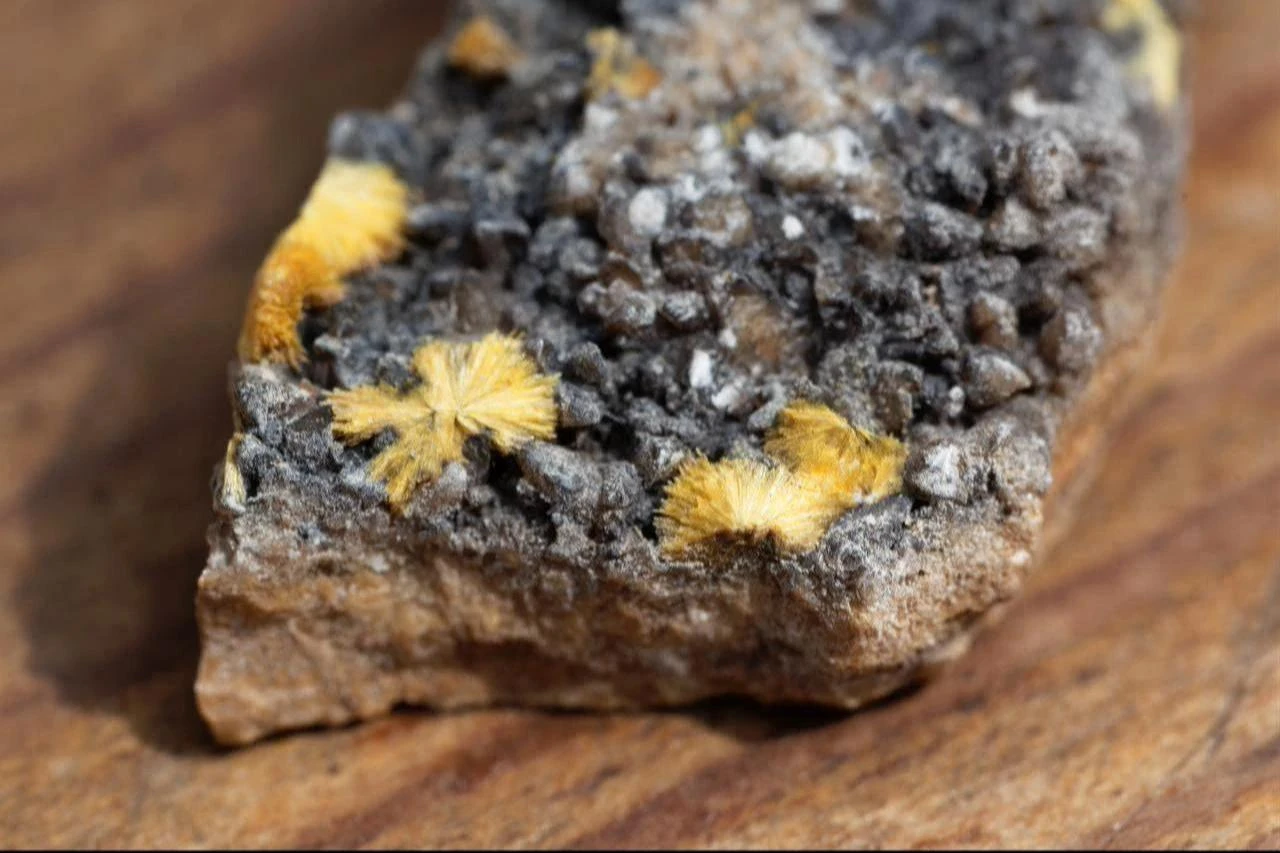

The potential purchase could be worth around $40 million, according to Marc Eichinger, a specialist in Niger's uranium sector.
Eichinger said transactions conducted outside conventional markets can involve discounts of around 30%.
With uranium trading at about $190,050 per ton, he estimated that a price of roughly $133,000 per ton would put the 300-ton transaction at about $40 million, compared with approximately $57 million at regular market prices.
He described such a price as favorable to the parties involved.
The wider stock consists of about 1,050 tons of uranium moved in late November 2025 by Niger's military-led authorities from the Somair mine near Arlit in northern Niger to Niamey.
According to several sources cited in the report, that uranium was initially expected to go to another buyer: Russia.
Russia's state nuclear company Rosatom signed a cooperation memorandum with Niger's Mines Ministry in July 2025 aimed at expanding nuclear-sector cooperation.
French government sources believe Niger and Russia had reached an agreement worth about $170 million for the yellow cake.
The proposed Russian sale was ultimately not completed despite plans to export the uranium through the port of Lome in Togo.
Russia has not completely withdrawn from the uranium issue even as Niger has sought other international buyers.
MDMG Sahel analyst Abdou Pagoui said Russia had negotiated for the yellow cake, helped escort the uranium convoy from Arlit to Niamey and provided security for it at the airport.
According to Pagoui, Moscow consequently demanded a direct percentage of any sale to Nuclearelectrica and could otherwise block authorization for the transaction.
Sopamin did not confirm that claim.
Meanwhile, Orano, which has been pushed out of Niger, has launched several arbitration proceedings seeking to recover the uranium and has denounced what it called the "illegal transport" of material stored at the Somair site.
Orano maintains that it holds legal rights over the stock.
The company told Jeune Afrique that it reserves "the right to initiate any action, including criminal proceedings and against third parties," if the material is acquired in violation of its rights.
That warning could potentially affect any purchaser, including one based in the European Union.
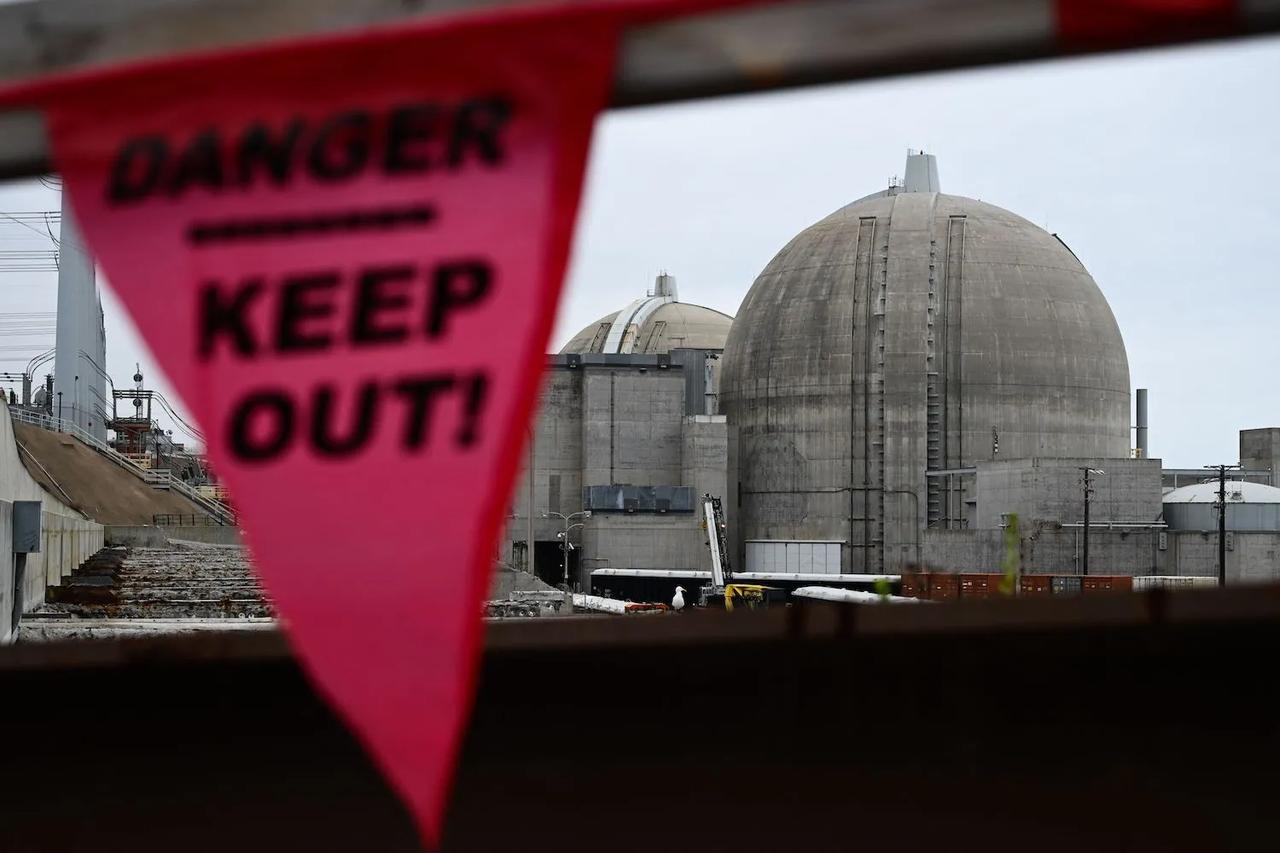
Moving 300 tons of uranium from Niger to Romania would also present logistical challenges.
Togo reportedly remains reluctant to allow such sensitive cargo to transit its roads, while Niger's border with Benin remains closed despite a recent improvement in diplomatic relations.
One possibility would be to transport the uranium overland through Nigeria.
MDMG Sahel analyst Hamid N'gade said that would require a diplomatic note or a specific transit agreement with Abuja separate from ordinary customs arrangements because radioactive material could not move under a standard transit permit.
Another option would be an airlift between Niamey and Bucharest.
N'gade said transporting the full 300 tons would require at least six to eight Ilyushin Il-76 cargo flights, with each aircraft able to carry about 50 tons.
Such an operation could cost Nuclearelectrica between $1.5 million and $3 million.
Eichinger said the transaction could still remain attractive even with those transportation costs.
He also noted that Romania is an EU member and, unlike Russia or Iran, is not under sanctions, which he said could reassure the International Atomic Energy Agency.
Romania has not produced uranium domestically since 2021 and depends entirely on imports to fuel its nuclear power sector.
Nuclear energy currently supplies about 20% of Romania's electricity, a share Bucharest wants to increase to more than 30% by 2032.
Nuclearelectrica signed a contract in late 2024 to complete two additional reactors at Cernavoda, Romania's only nuclear power plant.
Once completed, those reactors are expected to double the country's annual requirements for natural uranium.
Romania currently obtains much of its uranium from Kazakhstan through a Trans-Caspian route that avoids Russia.
The report said that the supply route is considered vulnerable amid growing geopolitical tensions with Moscow, giving Romania and Nuclearelectrica an incentive to diversify their uranium suppliers despite the logistical difficulties in Niger and the potential legal dispute with Orano.


 Set as preferred source
 Set as preferred source


 1 min read
 1 min read