Newsletters


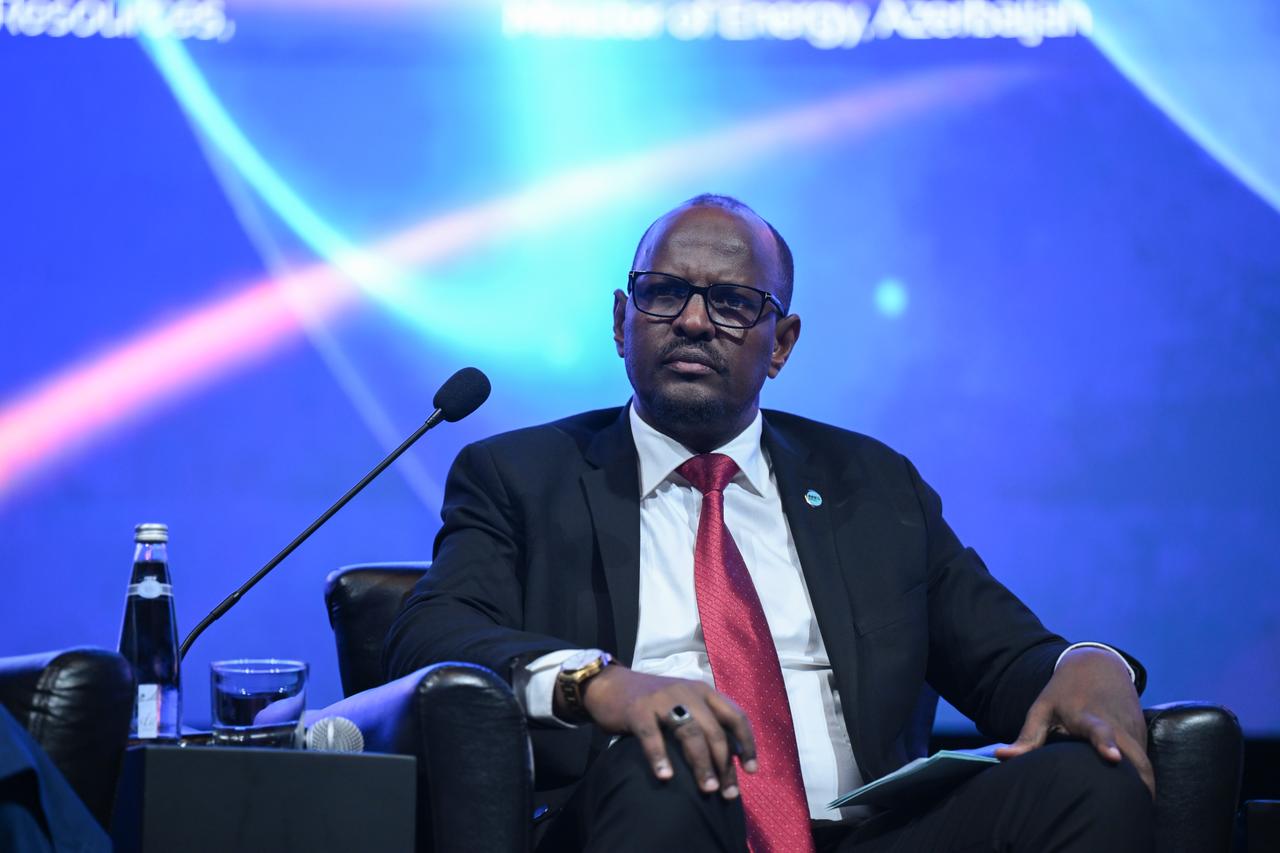


Somalia is looking to expand its energy partnership with Türkiye into uranium and critical mineral development as offshore oil and gas drilling operations move forward off the country’s coast, Somali Petroleum and Mineral Resources Minister Dahir Shire Mohamed said.
"Our country has plenty under the ground," Mohamed highlighted, adding that Mogadishu is now seeking deeper cooperation with Türkiye in mining, particularly in the exploration and development of critical minerals and uranium deposits. "We want to extract and develop them in a peaceful, reasonable and friendly way."
Mohamed stated that discussions during his meeting in Istanbul with Turkish Energy and Natural Resources Minister Alparslan Bayraktar focused on accelerating cooperation under a mining memorandum of understanding (MoU) signed in 2016, which covers joint work on mineral exploration, geological mapping, technical training and investment in Somalia’s mining sector.
"We want to review that MoU and see where we can start," Mohamed said. "We want to form a technical committee to review the data we have."
According to International Atomic Energy Agency (IAEA) and Organisation for Economic Cooperation and Development (OECD) Nuclear Energy Agency data, Somalia has an estimated 10,200 tons of uranium resources, including around 7,600 tons considered potentially commercially recoverable.
Geological surveys and industry assessments have also pointed to deposits of lithium, copper, titanium, gold and rare earth elements across northern and central Somalia, although much of the country remains underexplored after decades of instability.
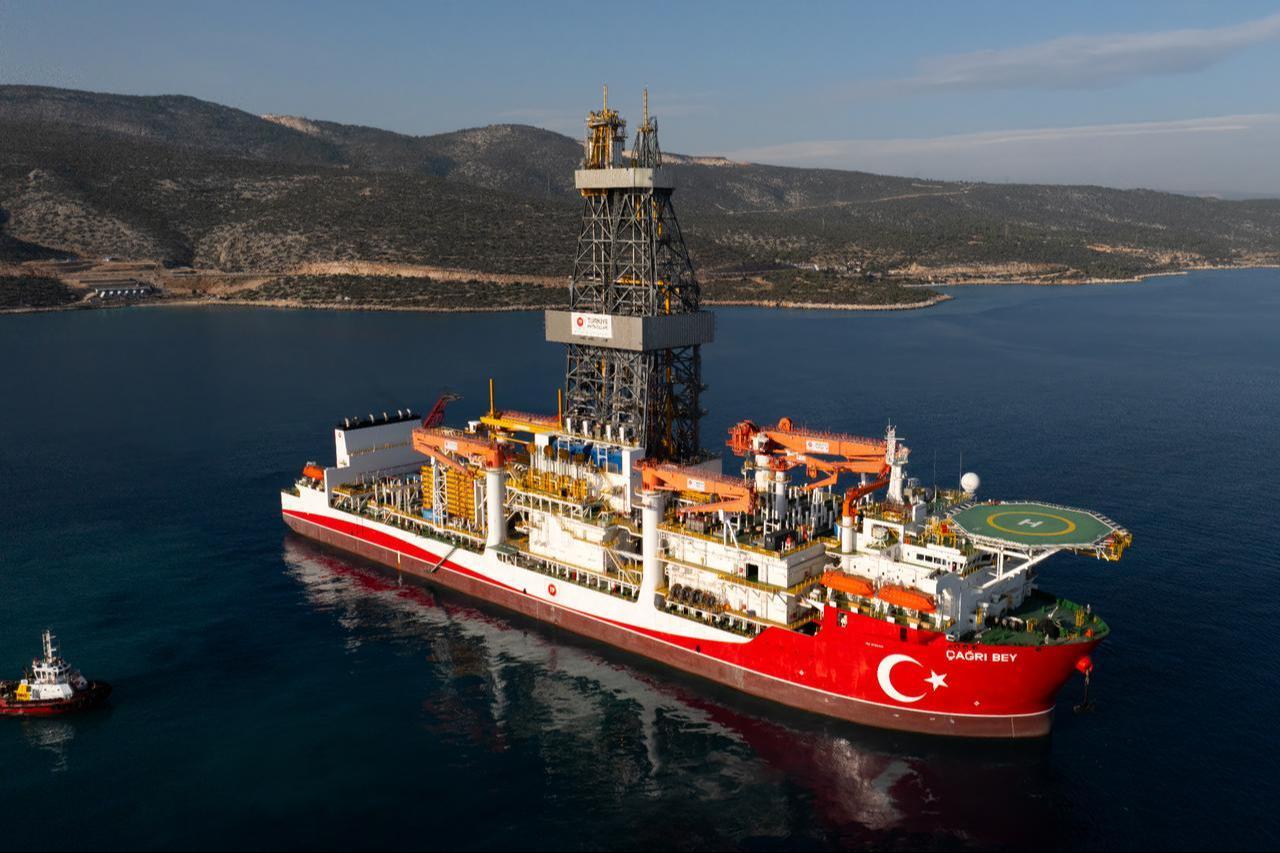

The two countries have entered a new phase in their hydrocarbons partnership after completing seismic surveys and moving into deep-water drilling operations, Mohamed noted, referring to surveys carried out by Türkiye’s Oruc Reis seismic research vessel that identified promising offshore energy structures.
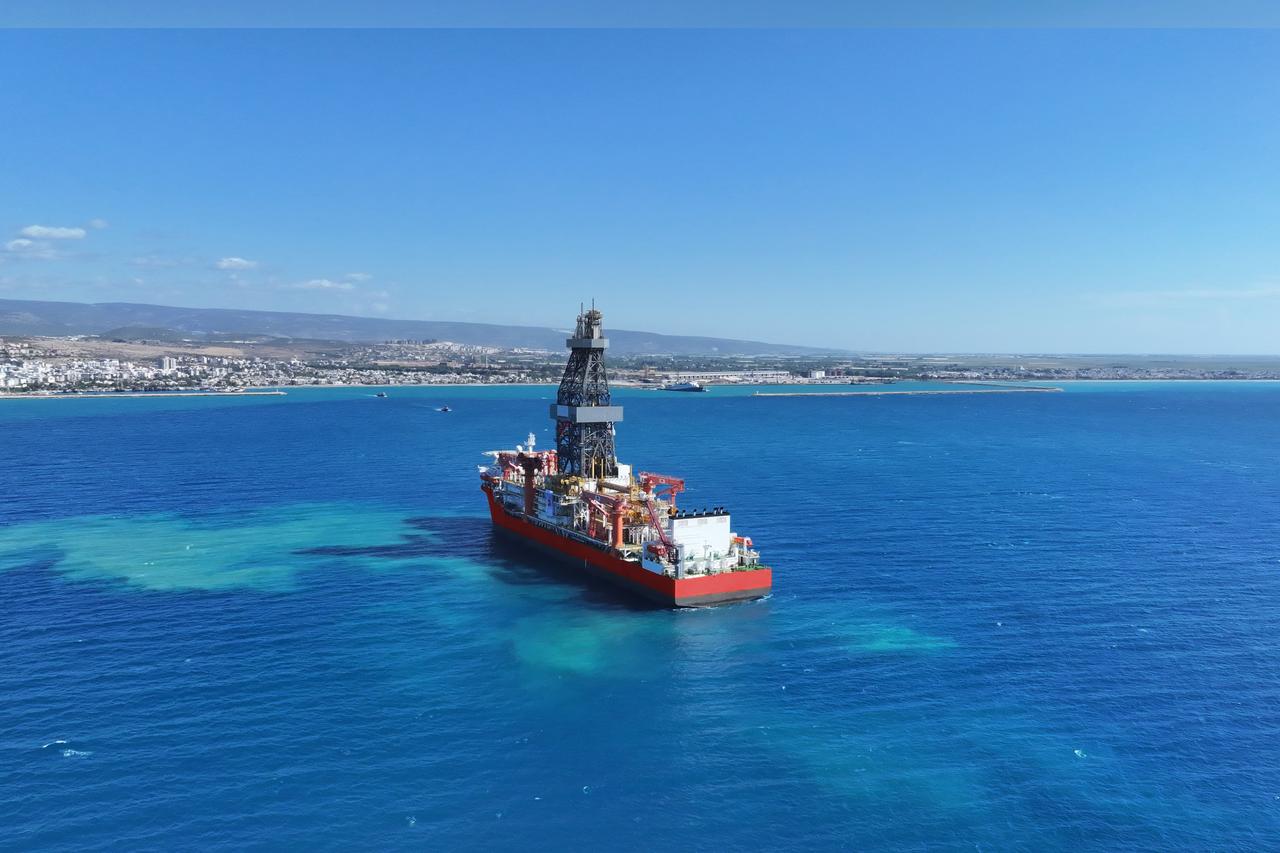
Following the survey phase, drilling operations began in April at the Curad-1 well using Türkiye’s Cagri Bey drilling vessel. The campaign is expected to continue for six to nine months, depending on weather and sea conditions.
"We are very hopeful that we will have some positive outcome towards the end of this year," Mohamed remarked. While declining to give an estimate of the size of potential reserves, he added that Somalia expects encouraging results once drilling and technical evaluations are completed.


 Set as preferred source
 Set as preferred source


 1 min read
 1 min read