Newsletters


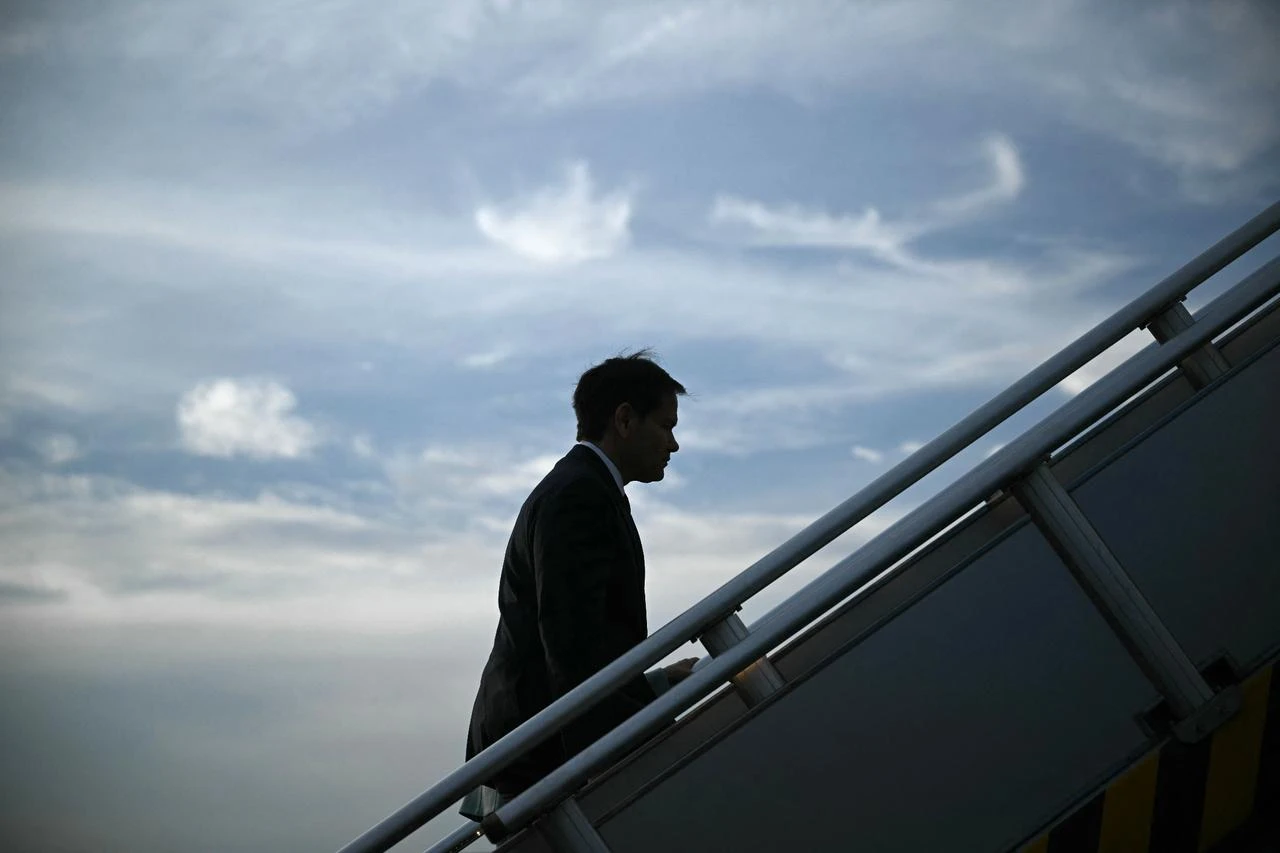


U.S. Secretary of State Marco Rubio and Treasury Secretary Scott Bessent remained aboard what was effectively a decoy plane as it flew out of last month's NATO summit in Ankara, Türkiye, while U.S. President Donald Trump was secretly moved to a smaller military jet following an Iranian threat, a senior U.S. official told The Associated Press (AP) on Thursday.
The official, who was briefed on the situation and spoke on condition of anonymity to discuss sensitive details of presidential travel, said Rubio was aware of the switch and details of the threat behind it but could not or would not say why he had stayed on the original plane.
The official said Bessent was likely aware but did not know for certain.
The scramble to devise the plan to move Trump onto an alternate jet was prompted by a specific threat to Air Force One involving a shoulder-fired missile, according to a person familiar with the matter cited by CNN.
The threat emerged on the final day of the NATO summit in Türkiye.
Officials feared Trump's life would be at enormous risk if he flew out of the country on either the legacy Air Force One or the Qatar-donated jet he had used to travel to the summit.
Ahead of Trump's July 8 departure from Ankara, the National Security Agency, the CIA and Türkiye's National Intelligence Organization (MIT) picked up streams of information about a credible plot by Iran to fire a surface-to-air missile at Air Force One, according to two U.S. officials cited by CBS News.
There were also reports of a team in Türkiye tasked with firing the missile, though after further investigation, no such team was detected.
The National Security Council, the White House Military Office and the Secret Service made the decision to change planes, coordinated with officials in Washington, according to CBS News.
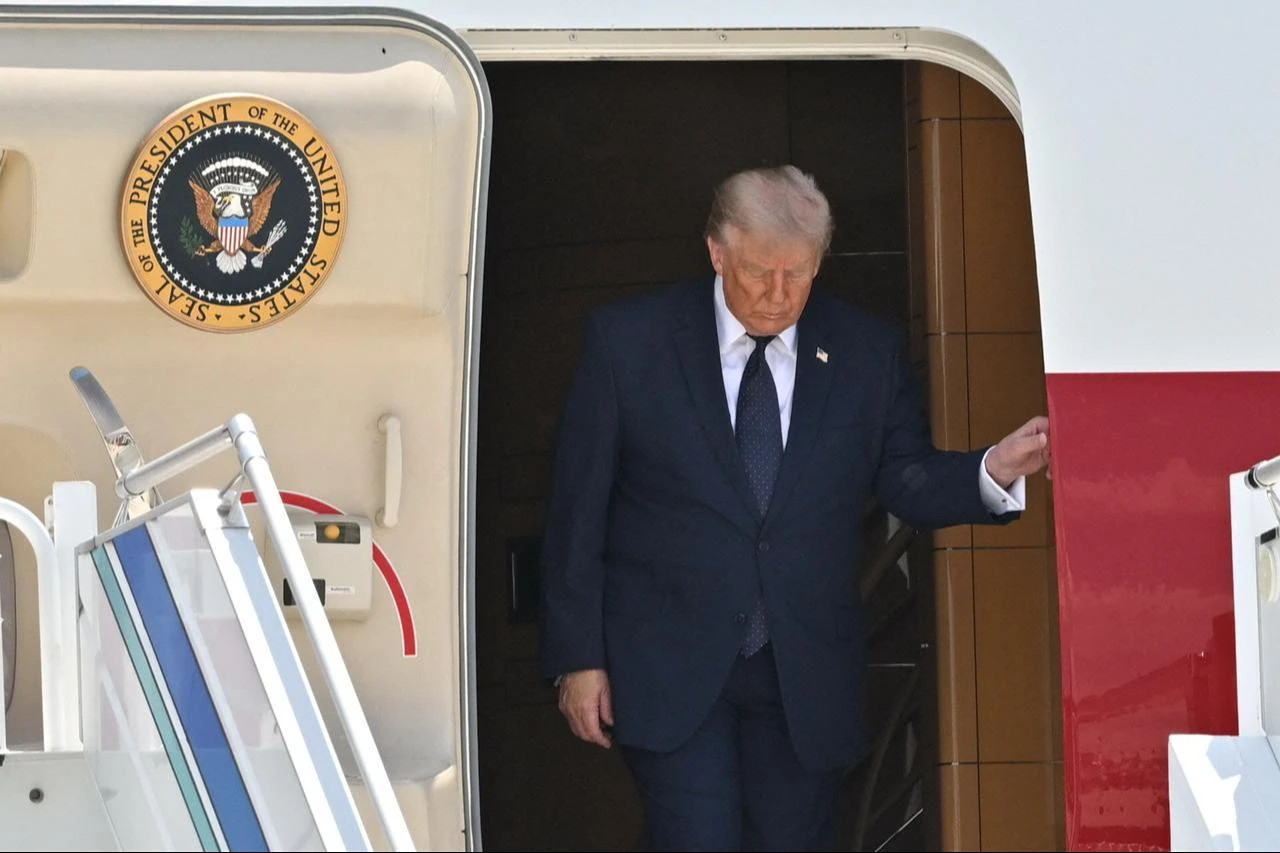

Trump had flown to Ankara aboard a newly retrofitted, Qatari-gifted Boeing 747, but said ahead of his departure that he would fly part of the way home on an older-model Air Force One instead, "for old time's sake," according to AP and CBS News.
At the time, Trump said the new jet was being flown out ahead of his departure to give U.S. troops based in eastern England a chance to see it.
A video analysis showed officials at Ankara's airport positioning a catering truck alongside Air Force One before Trump's motorcade arrived on the tarmac. After Trump boarded the plane, the catering truck's container was lowered, and the truck drove away from the larger aircraft and pulled up to a smaller Air Force C-32A.
The larger plane, now without the president aboard, took off at roughly 8:44 p.m. local time, passing directly by the smaller plane carrying Trump. The C-32A taxied away a minute later.
Several close personal aides joined Trump on the smaller plane, including Natalie Harp, an executive assistant who regularly travels with Trump, Dan Scavino, a deputy White House chief of staff, and Walt Nauta, director of Oval Office operations, according to CNN and CBS News.
Defense Secretary Pete Hegseth also traveled with Trump on the C-32A, while Rubio, Bessent and Deputy Chief of Staff Stephen Miller remained on the larger plane, along with other White House staffers, military personnel and members of the press.
Most passengers aboard that plane were unaware Trump was not on it.
Once all aircraft had landed at a military airbase in Britain, Trump switched to the new Qatari-donated jet for the final leg of the trip back to Washington.
The aircraft that carried Trump from Ankara to the U.K.'s Mildenhall air base was escorted by F-16 fighter jets, according to two U.S. officials cited by The Washington Post (WP).
Trump acknowledged the transfer Wednesday, telling reporters at Joint Base Andrews: "It's only up to the Secret Service. I just follow what they'd like to do, so I go by Secret Service and the military."
"They wanted me to go on a different flight, a different plane, equal safety, but they wanted me to do it, so I do it, I do what they say," he added.
Trump said he was not given many details about what necessitated the maneuvering and professed to be unbothered by the possibility of a missile attack during his departure.
"I don't worry about anything, to be honest," he said, adding, "Whatever it is, you know my attitude? Whatever."
Asked why it was deemed too dangerous for him to fly on Air Force One but not for reporters or staff, Trump told CBS News' Nancy Cordes: "I think, actually, the plane that I flew on was at greater risk."
He added: "I have a lot of threats. Any consequential president has a lot of threats."
U.S. intelligence officials were skeptical of the Iranian assassination threat, which was relayed to the CIA by the Israeli government, according to current and former U.S. officials cited by The Washington Post.
CIA analysts did not view the intelligence as compelling and conveyed that skepticism to Trump administration officials, one official told the Post.
Another official described the reports as "Israeli-derived, not U.S.-generated, and viewed as low confidence."
The White House did not directly answer questions from the Post about the intelligence or how it was perceived by U.S. officials.
"As the President has said, he has faced numerous threats on his life, including ones from Iran, and every measure is taken to ensure his safety," a U.S. official said in a statement to the Post, noting, "The United States Secret Service's core mission is protecting the president, which they achieved."
Despite the doubts, the elaborate plan was carried out "out of an abundance of caution," one U.S. official told the Post.
"The Secret Service has had three near misses with this president, so they're not taking any chances," the official said, adding, "They did what they had to do."
Trump has survived three known assassination plots dating to his 2024 presidential campaign, though there is no known link between any of the suspects in those cases and Iran.
Some U.S. intelligence officials viewed Israel's sharing of the threat warning as designed less to inform than to influence Trump's decision-making on Iran policy, a current and a former U.S. official told the Post. Israel views Iran as its most urgent near-term threat but views Türkiye as a medium- to long-term one and is anxious about warming ties between Washington and Ankara, bolstered by the personal rapport between Trump and President Recep Tayyip Erdogan, according to one of the officials.
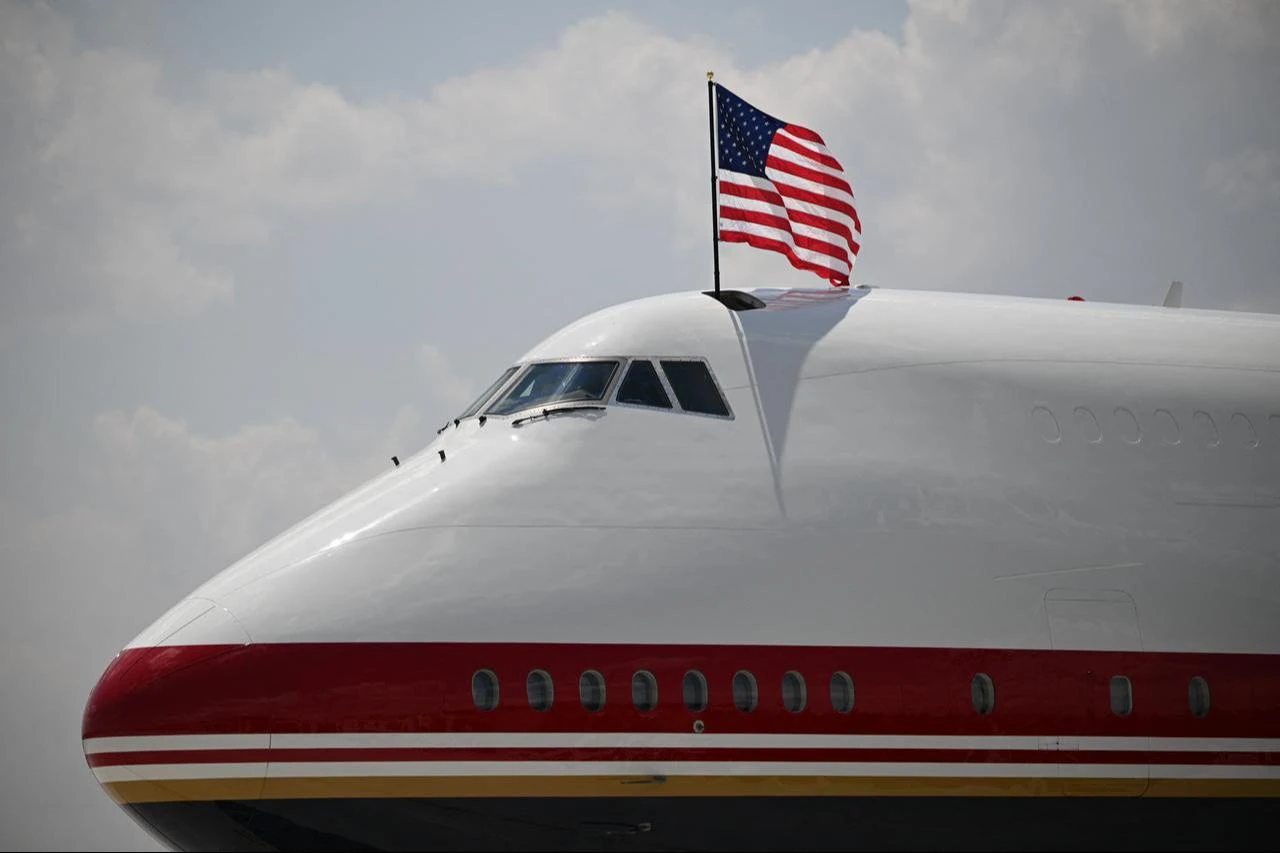
A former U.S. official told the Post that Rubio was briefed on the Israeli threat intelligence as well as the Secret Service's planned subterfuge, and nonetheless opted to board the legacy Air Force One, which presumably would have been a target for Iran had the threat been acted upon.
Another U.S. official familiar with the security discussions questioned the seriousness of the threat, noting that tens of thousands of Turkish security personnel were incorporated into the NATO summit's security arrangements, according to the Post.
Law enforcement officials told CBS News the plane switch was part of a misdirection effort but said it was not intended to put certain individuals at greater risk.
Trump had appeared preoccupied with Iranian threats on his life during his final day at the NATO summit, raising the issue repeatedly with reporters.
The U.S. government has long warned that Iran may try to kill Trump in retaliation for the 2020 drone strike he ordered that killed top Iranian general Qasem Soleimani.
In the days before Trump's visit to Türkiye, crowds of Iranians called for Trump's death during funeral proceedings for Iran's slain Supreme Leader Ali Khamenei, who was killed at the start of the U.S.-Israeli war against Iran.


 Set as preferred source
 Set as preferred source


 2 min read