

 Newsletters


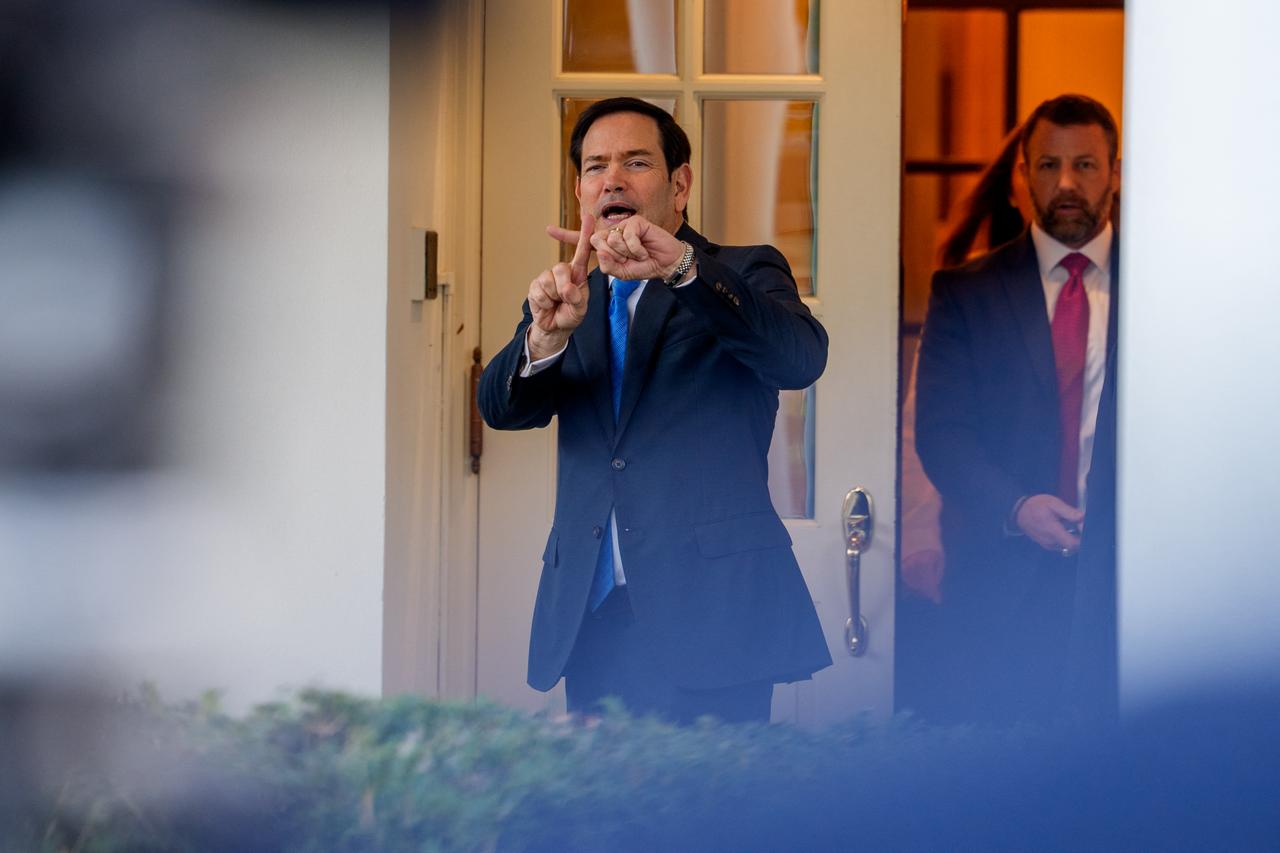


U.S. Secretary of State Marco Rubio denied Thursday that he was planning to leave President Donald Trump's administration to prepare for a possible 2028 presidential campaign, saying he intended to remain in his position until the end of Trump's term.
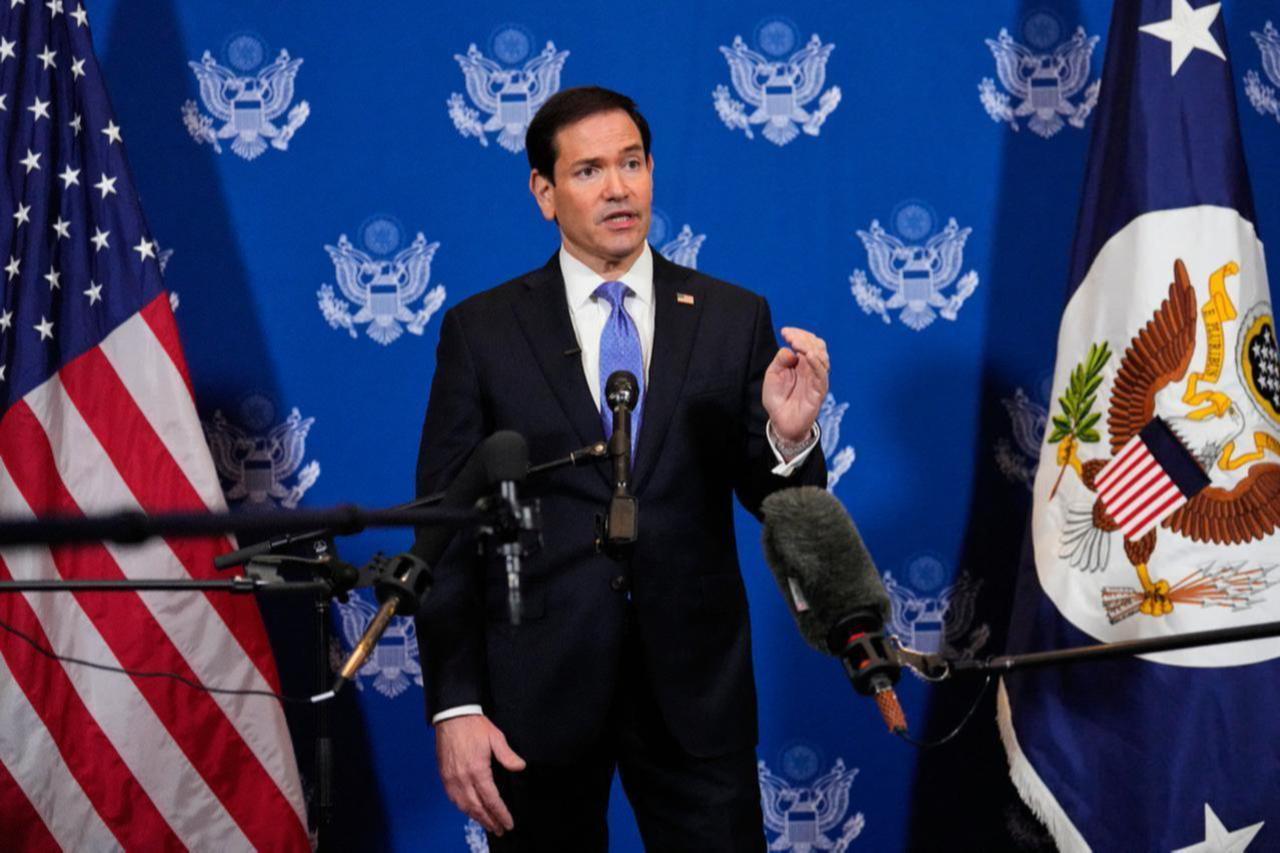
"It has always been my plan" to work for Trump until his presidency ends, Rubio told The New York Times in an interview at the White House, dismissing speculation about his political future following Republicans' defeat in Tuesday's midterm elections.
Rubio, who also serves as Trump's national security adviser, said he enjoyed his work but declined to discuss whether he would seek the Republican presidential nomination in 2028.
"I'm really not going to talk about 2028 anymore," he said.
The remarks followed reports by Bloomberg News and The Independent suggesting that Rubio was considering leaving the administration as he assessed a potential presidential campaign.
Asked about the reports, Rubio told the newspaper: "I don't know where these things come from, to be honest with you."

Earlier Thursday, Bloomberg reported that Rubio was weighing whether to leave the administration and had discussed stepping down with White House officials, who asked him to remain in his position.
The Independent separately reported, citing U.S. and British sources, that Rubio was preparing to resign to pursue the Republican presidential nomination in 2028.
The State Department strongly rejected both reports.
Dylan Johnson, assistant secretary of state for global public affairs, described the Bloomberg report as "totally made up."
He also dismissed The Independent's account as "completely baseless fake news."
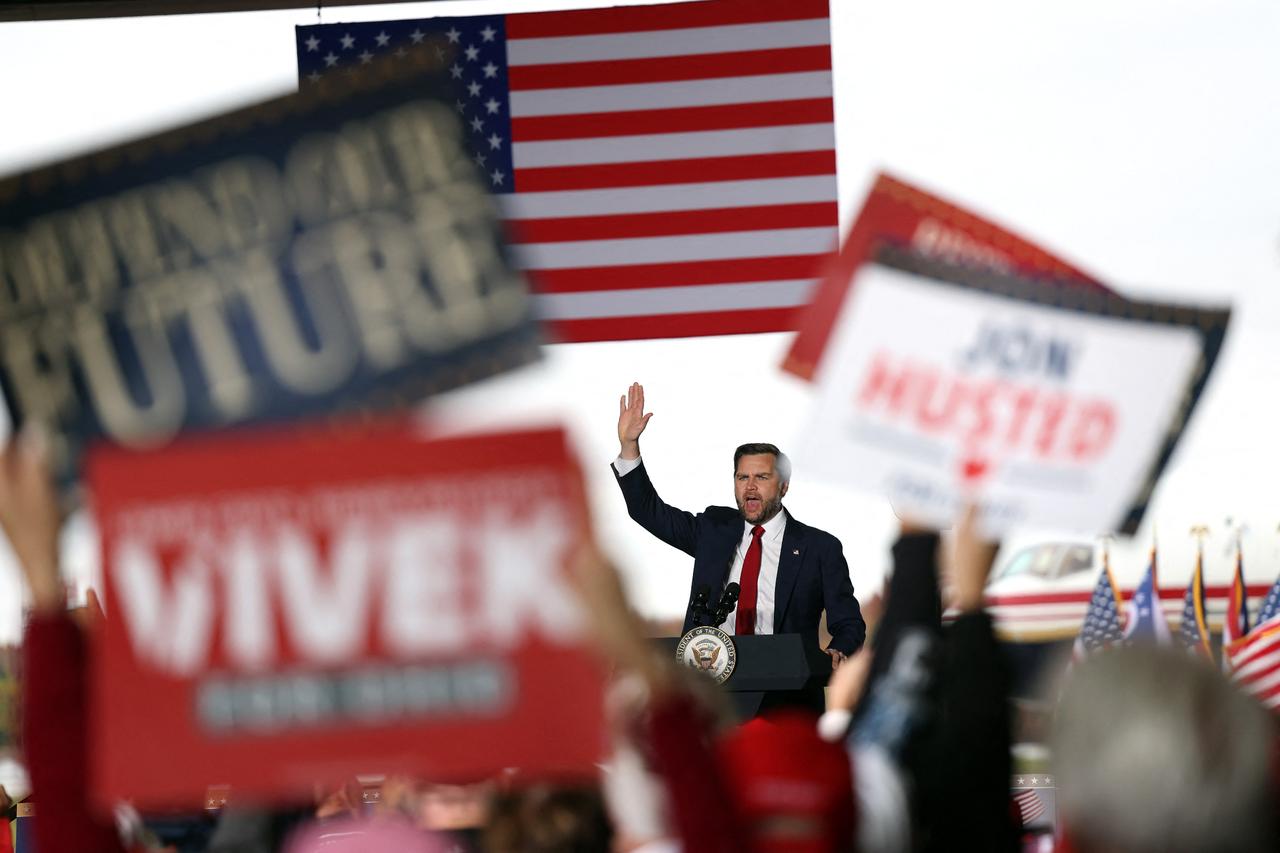
Rubio, widely considered a potential Republican presidential contender, has previously said he would support Vice President JD Vance if Vance decided to run for president.
Vance is also regarded as a possible contender for the party's nomination in 2028.
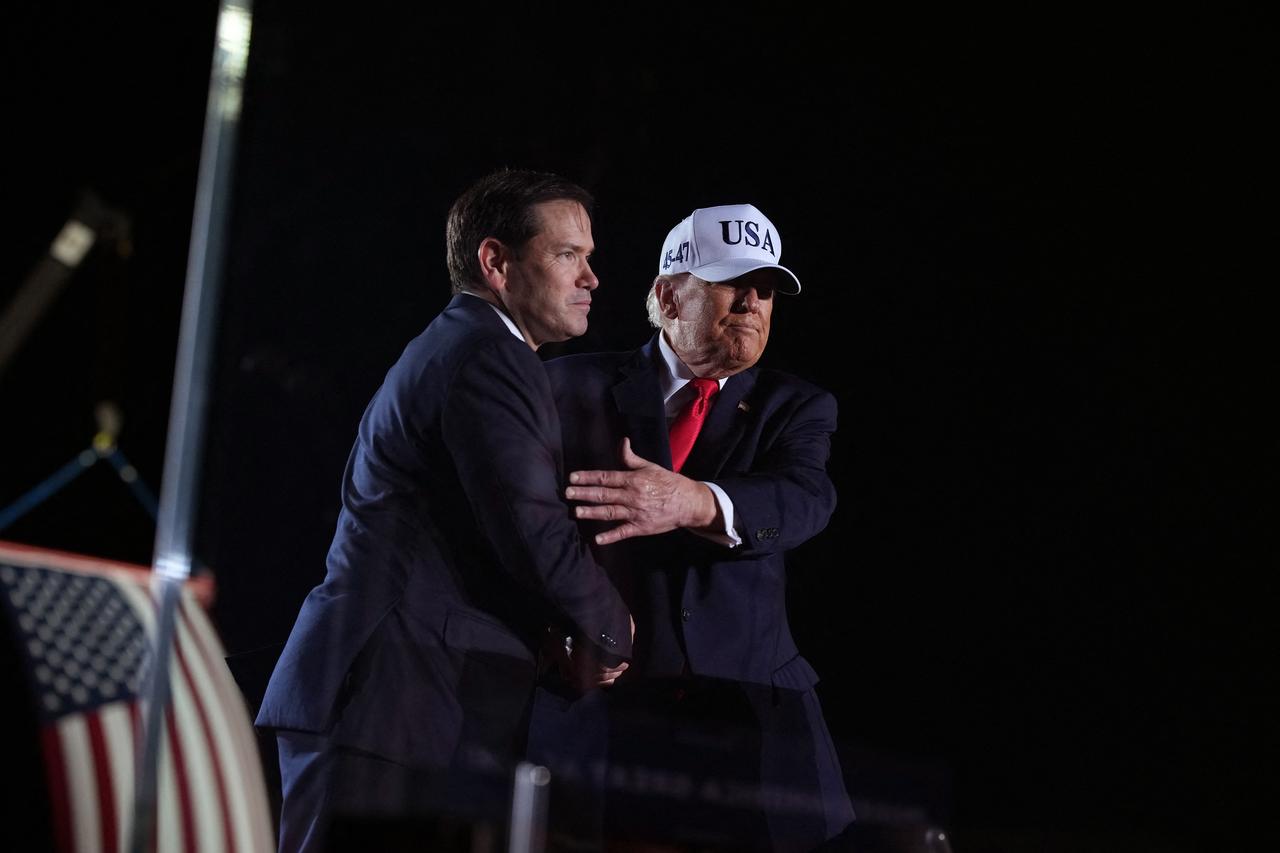
Just days before the midterm elections, Rubio made an unusual campaign appearance alongside Trump, briefly addressing supporters at a rally.
Rubio's interview came after Democrats gained control of both chambers of Congress in the Nov. 3 midterm elections, dealing a major political setback to Trump.
Discussing the results, Rubio acknowledged the political impact of rising fuel prices, an issue that weighed on Republicans during the campaign.
"I acknowledge that rising prices at gas stations are not the kind of development that people would boast about or promote during election campaigns," Rubio said.
However, he defended Trump's leadership, arguing that the president deserved "great credit" for taking decisions he considered necessary, even when they proved unpopular with voters.
Rubio described the political consequences of such decisions as "the price of leadership."
 1 min read
The secretary of state also addressed Washington's policy toward Venezuela, expressing support for the country's "return to democracy."
Rubio said Venezuela should "ideally" hold presidential elections next year as part of broader political and institutional changes.
He argued that the country needed a new Supreme Court and electoral commission, along with debt restructuring and reforms to its security forces.
Rubio also discussed the prospect of deepening military cooperation between Washington and Venezuela.
Despite questions about his political ambitions, Rubio reiterated that he intended to remain in the Trump administration and declined to engage in further speculation about the 2028 presidential race.
"I literally will not talk about 2028 anymore," he said.


 Set as preferred source
 Set as preferred source


 1 min read


