Newsletters


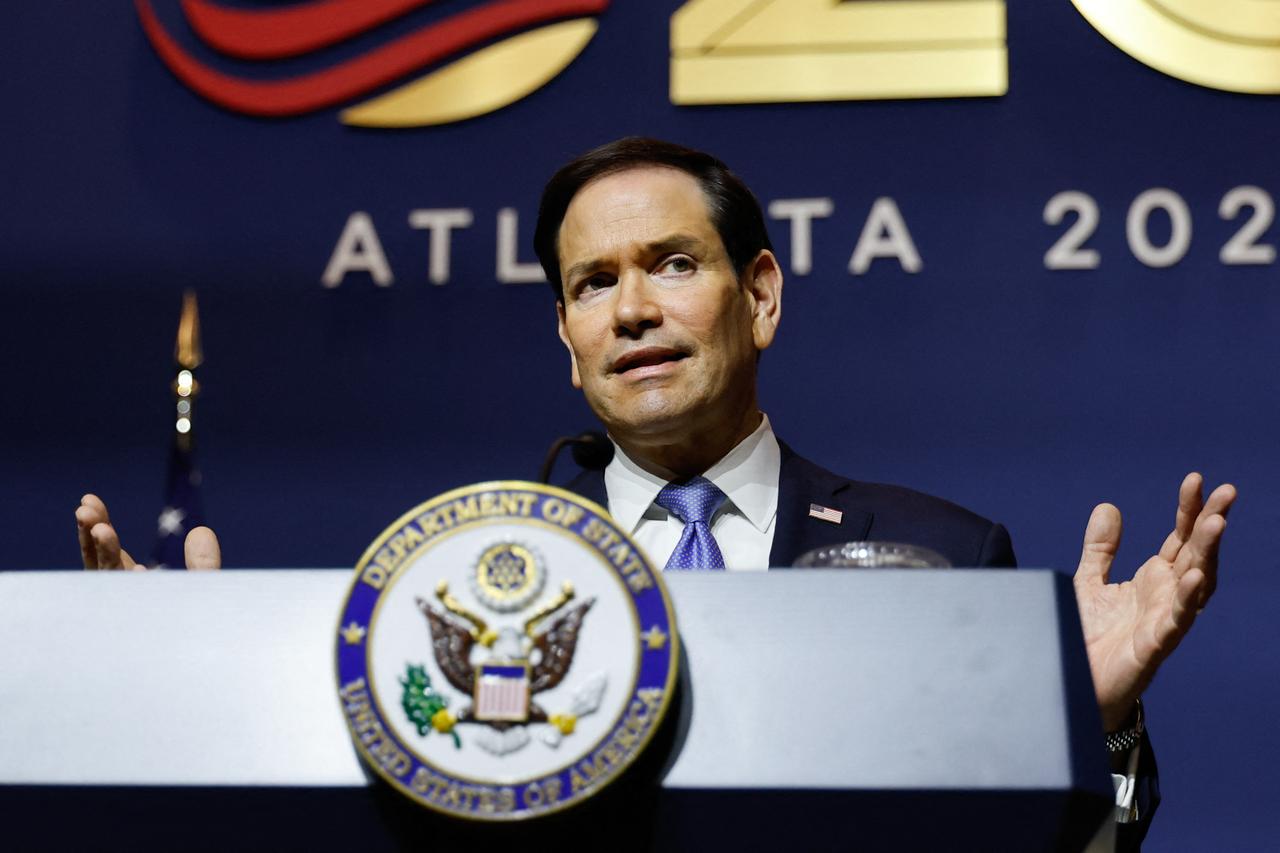


US Secretary of State Marco Rubio said Saturday that Washington is examining proposals, including one from Türkiye, to restore the flow of grain through the Black Sea. He said efforts to protect global food security must continue despite the war between Russia and Ukraine.
Rubio spoke at a news conference in Atlanta after a G20 foreign ministers’ meeting. He said both Türkiye and India had put forward ideas aimed at reviving grain shipments disrupted by the conflict.
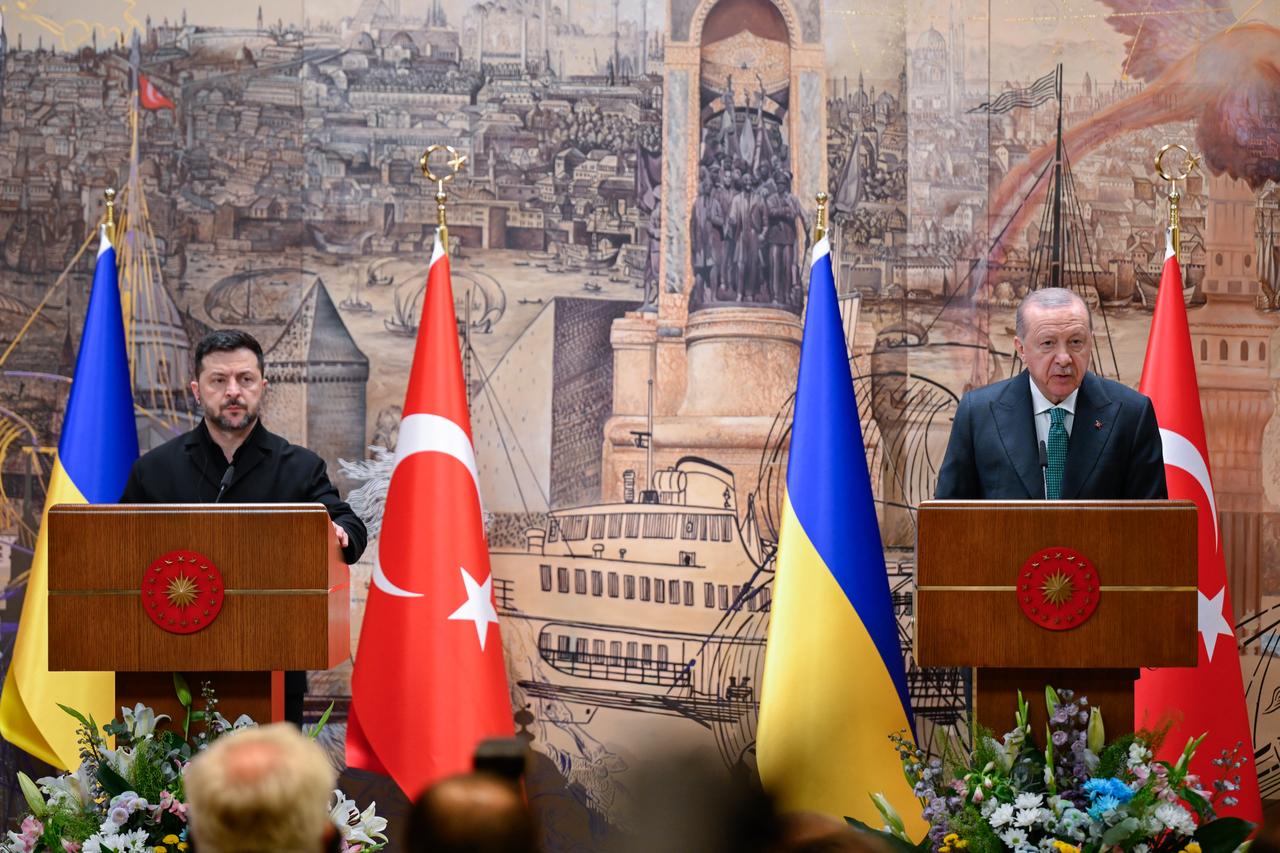
“We are examining proposals, for example, that were forwarded to us ... from Türkiye in that regard. And we’ll continue to explore that,” Rubio said. He added that Washington would welcome efforts to facilitate an arrangement.
Rubio was careful to say that a grain arrangement would not end the fighting. “It doesn’t solve the war, but at least it solves a unique aspect of it,” he said.
He pointed to the effect of disrupted Black Sea trade on global food security, particularly in vulnerable countries. International interest in brokering an agreement has been renewed, he said, with several countries considering roles as potential guarantors or facilitators.
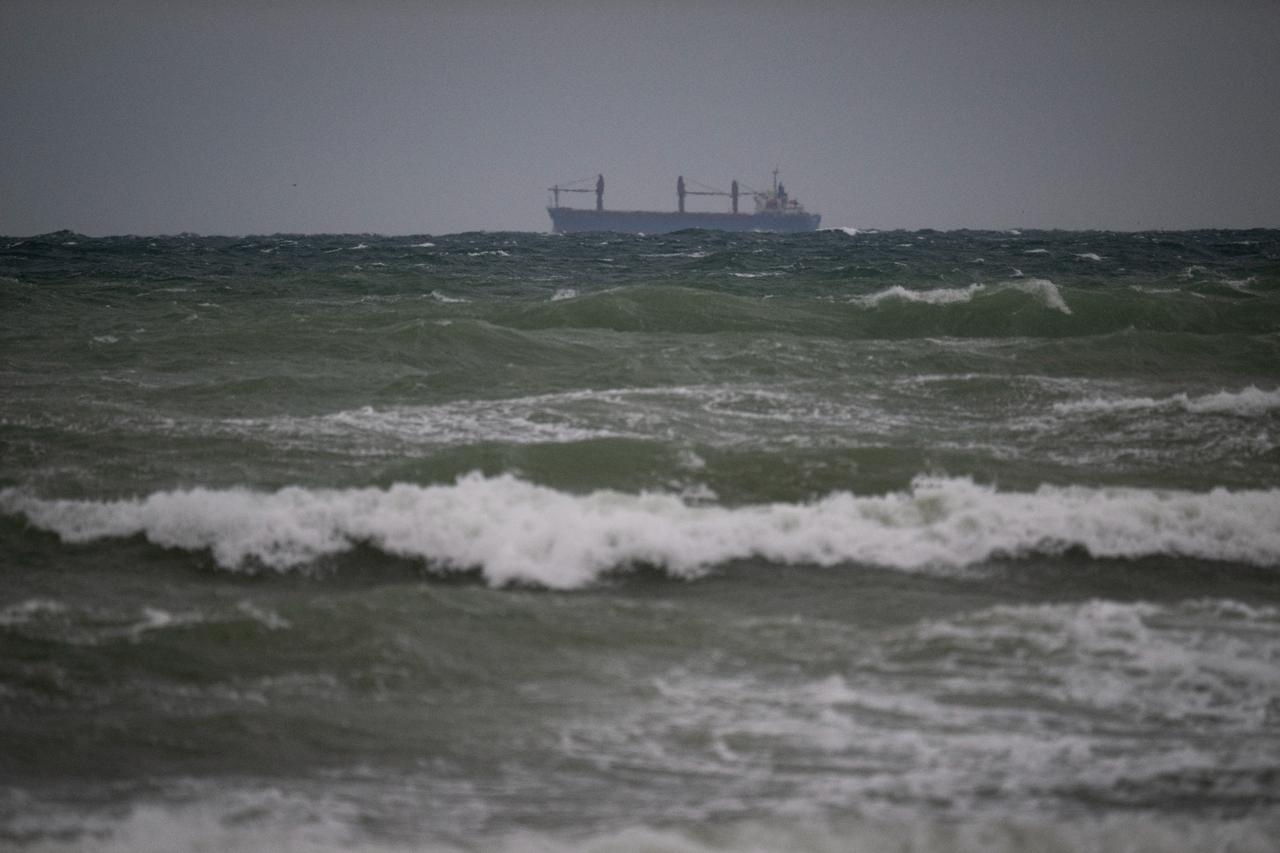
The Black Sea is a major export route for Ukrainian and Russian grain. In July 2022, Türkiye and the United Nations helped broker the Black Sea Grain Initiative, which allowed Ukrainian grain to leave the country’s ports during the war. Russia withdrew from that arrangement in July 2023.
Turning to the wider conflict, Rubio defended maintaining diplomatic contact with Russia. He argued that a negotiated settlement would require talking to both sides.
“How can you have a negotiated settlement between Russia and Ukraine if you don’t have the ability to talk to both Russia and Ukraine?” he asked.
He also stressed the risk of escalation. “Putting everything else aside, it is always important that the United States and Russia have communications at some level because of the danger of escalation in the future,” he said.
Rubio said Washington remains committed to exploring a diplomatic end to the war. He noted, however, that no breakthrough is imminent.


 Set as preferred source
 Set as preferred source


 1 min read
 1 min read