Newsletters


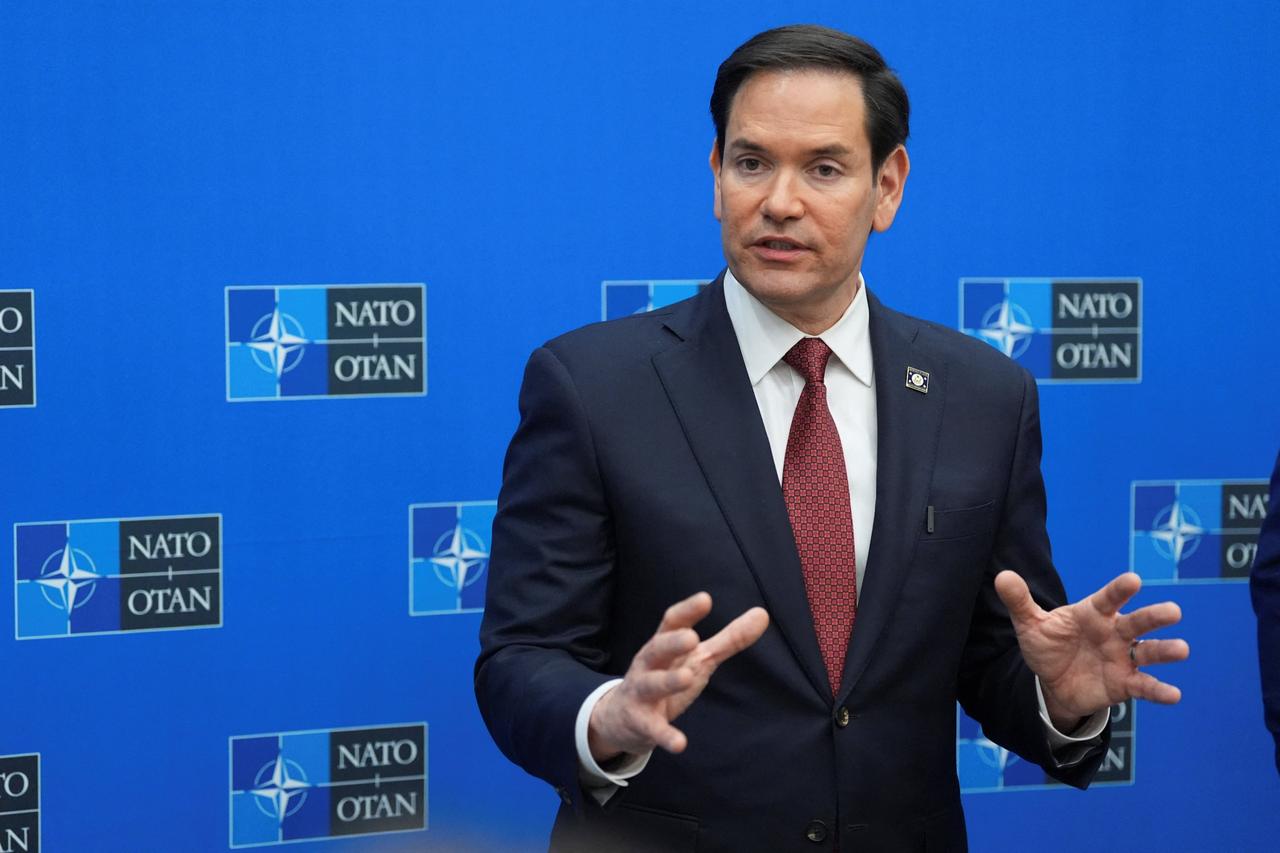


A 2023 social media post by Secretary of State Marco Rubio, in which he celebrated a congressional measure barring any president from unilaterally withdrawing the United States from NATO, has resurfaced with sharp new relevance, after Rubio himself this week echoed President Donald Trump's calls to "reconsider" American membership in the alliance.
The archived post, widely circulated on social media Wednesday, shows Rubio declaring that "no U.S. president should be able to withdraw from NATO without Senate approval" and expressing gratitude to his congressional colleagues for passing what he called a bipartisan measure, contrasting his current posture as America's top diplomat.
As a Florida Republican senator, Rubio was one of the principal architects of the provision in the Fiscal Year 2024 National Defense Authorization Act, co-sponsored alongside Democratic Sen. Tim Kaine of Virginia, which passed with overwhelming bipartisan margins of 87-13 in the Senate and 310-118 in the House in December 2023. The measure prohibits any president from suspending, denouncing, or withdrawing from the North Atlantic Treaty without either a two-thirds Senate supermajority or an act of Congress. It also blocks funding for any attempt to do so without that approval.
At the time, Rubio framed the bill in terms of congressional oversight and collective security. "NATO serves as an essential military alliance that protects shared national interests," he said in a statement accompanying the bill's introduction. "Any decision to leave the alliance should be rigorously debated and considered by the U.S. Congress with the input of the American people."
This week, as secretary of state and a close Trump ally, Rubio offered a starkly different message. Speaking on Fox News and to Al Jazeera, he said that Washington would need to "reconsider" its relationship with NATO once the Iran conflict ends, arguing that an arrangement in which the United States defends Europe but is denied basing rights when it needs them is "not a very good arrangement." Trump told the Telegraph he was "glad" Rubio made those comments.

The immediate trigger is the ongoing U.S.-Israeli military operation against Iran, which has drawn sharp divisions between Washington and its European allies. European nations, including France and the United Kingdom, declined Trump's requests to join military operations or grant base access, citing the legality of offensive action. Trump has repeatedly criticized NATO members for failing to help reopen the Strait of Hormuz, a vital global oil shipping lane that Iran has effectively closed since the start of the conflict.
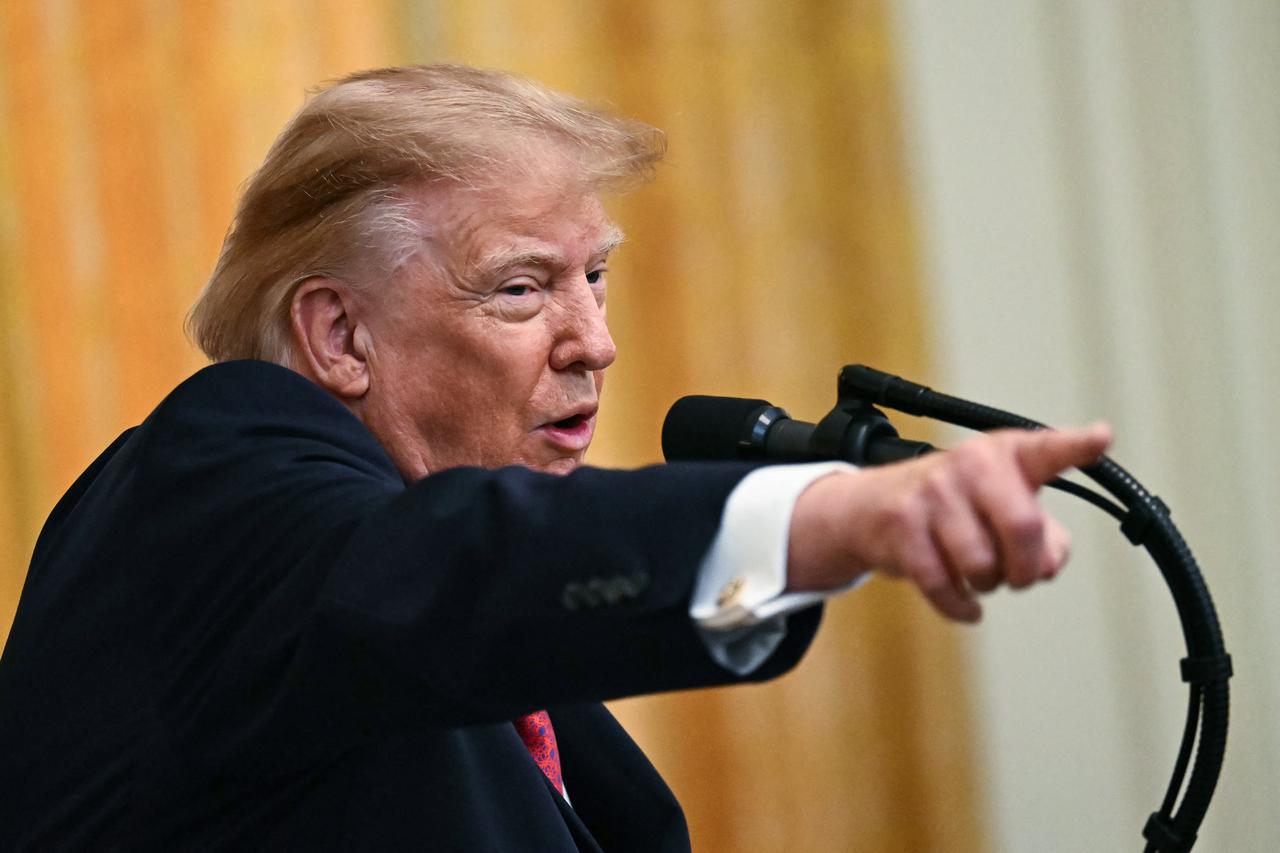
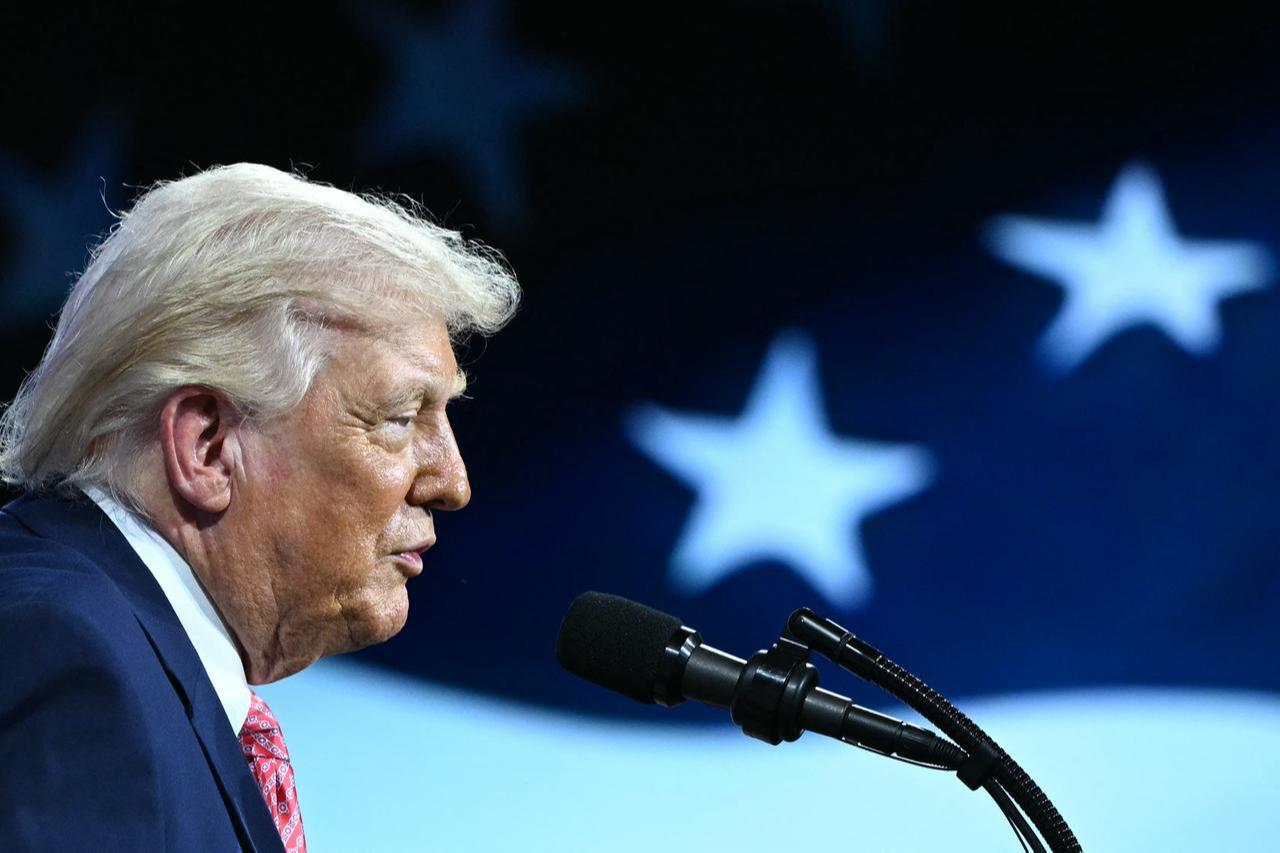
In interviews published Wednesday with The Telegraph and Reuters, Trump declared that U.S. membership in the alliance was "beyond reconsideration." Describing NATO as "a paper tiger," he said he had "never been swayed by NATO" and that Russian President Vladimir Putin shared his assessment. He told Reuters he was "absolutely" considering attempting to withdraw. The remarks represent his sharpest public rhetoric against the alliance to date, building on years of criticism during his first term over allied defense spending.
Trump has also demanded that NATO members raise defense spending to 5 percent of gross domestic product, up from the current 2 percent threshold, and has floated a "pay-to-play" model under which members failing to meet that target would be excluded from alliance decision-making, according to reporting by The Telegraph.
Several Republican senators have moved to distance themselves from Trump's posture. Sen. Thom Tillis of North Carolina, the top Republican on the bipartisan Senate NATO Observer Group, said it was "factually not true" that the president could exit the alliance without Congress. "The president of the United States cannot withdraw from NATO," Tillis told ABC's This Week last month, though he acknowledged that Trump could "poison the well" and make the alliance "functionally defunct." He warned that American lives had been "saved by the NATO alliance" and would be "lost in great numbers without it."
Sen. Mark Warner, a Democrat, called the withdrawal threat "reckless," pointing out that NATO's collective defense clause was invoked for the first and only time following the September 11, 2001 attacks, with allied troops subsequently fighting and dying alongside American forces in Afghanistan.
The legal picture, however, is murkier than the 2023 law's plain language suggests. A 2020 opinion from the Department of Justice's Office of Legal Counsel holds that the president has exclusive authority over treaty withdrawal, a position the Trump administration has previously invoked to sidestep congressional constraints. A Congressional Research Service report noted in February that the question of whether a president can withdraw from NATO unilaterally "implicates a long-standing and still-unresolved debate over the Constitution's allocation of the power to withdraw from treaties." Legal scholars have raised doubts about whether any party would have standing to challenge such a move in court.
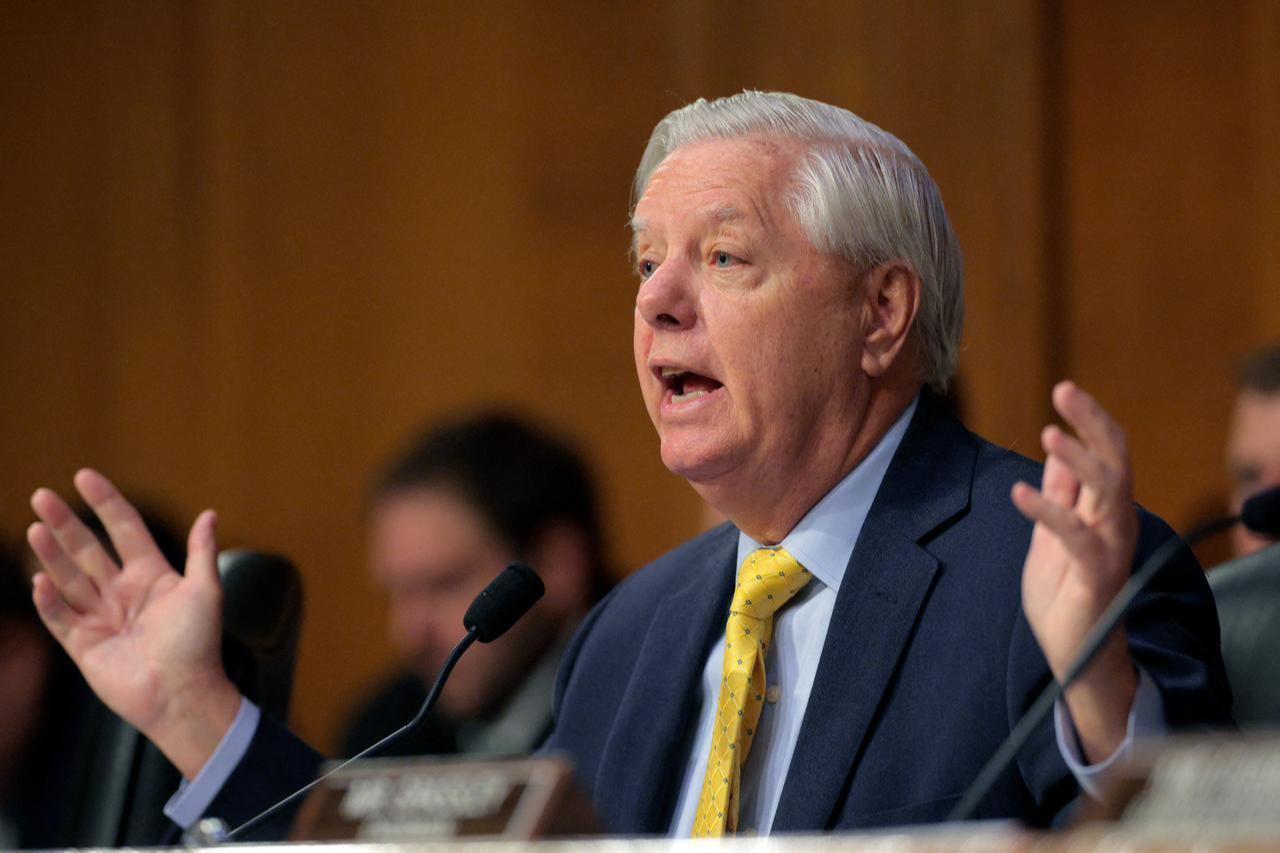
Cosponsors of the various iterations of the NATO protection bill included several senators who have since become vocal Trump allies or serve in his orbit.
Sen. Lindsey Graham of South Carolina co-sponsored earlier versions of the bill going back to 2019 and has historically been among NATO's most outspoken Republican defenders, though this week he lambasted European allies over the Strait of Hormuz, telling social media followers he had "never heard Trump so angry" over allied inaction and warning of "wide and deep" repercussions for alliances.
Sen. Susan Collins of Maine, another Republican co-sponsor of prior versions, has at times broken with the administration on domestic legislation. Sen. Jerry Moran of Kansas, also a co-sponsor, was among the Republican senators who subsequently raised concerns during cabinet confirmation proceedings about nominees' commitment to allied relationships.


 Set as preferred source
 Set as preferred source


 1 min read
 1 min read