Sign in
 Newsletters


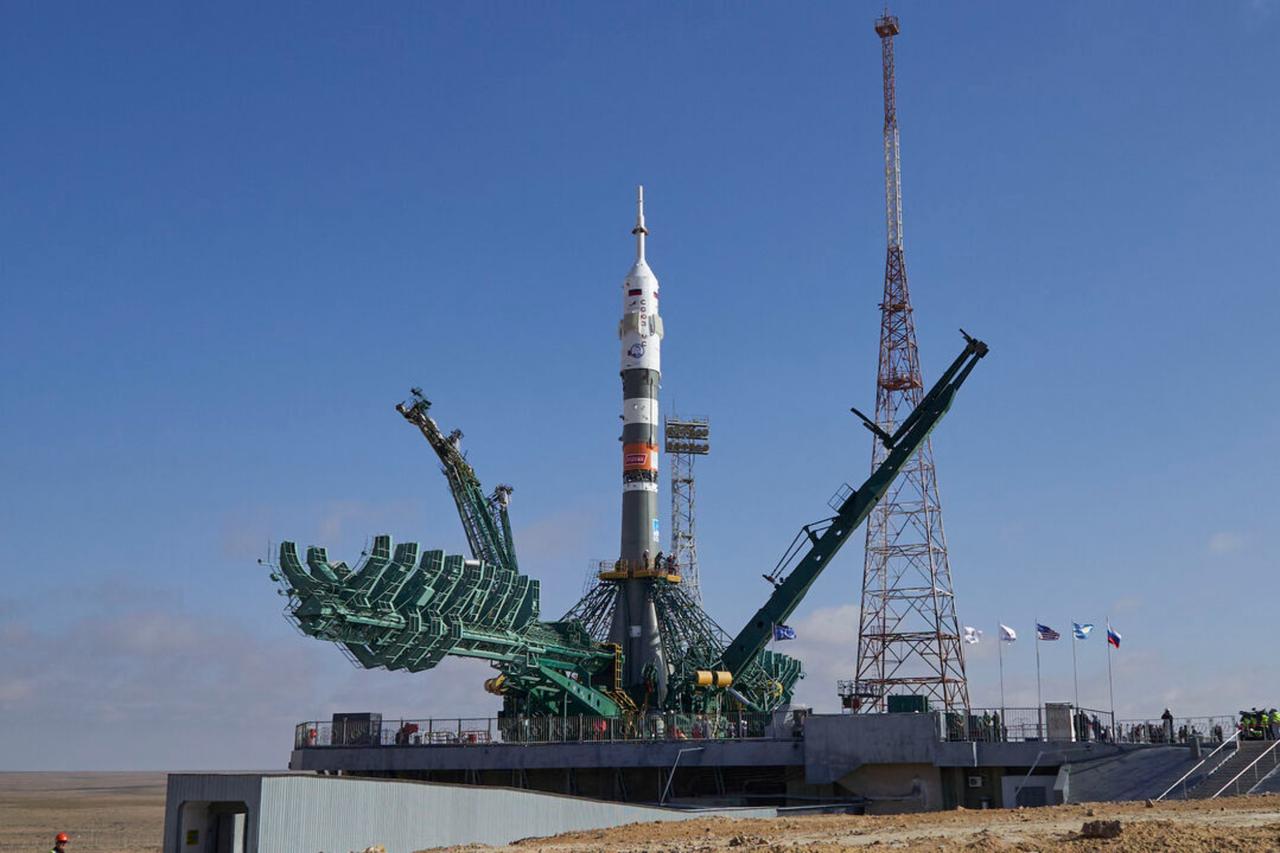


Western intelligence agencies believe Russia could launch a nuclear-armed satellite into space before the end of 2026, potentially threatening satellite networks worldwide, according to a joint investigation by German broadcaster WDR and the newspaper Sueddeutsche Zeitung.
Intelligence shared among several NATO countries, including Germany's Federal Intelligence Service (BND) and armed forces, suggests the satellite, reportedly named "Sputnik-S," was assembled several years ago and is being stored near Moscow.
Warnings circulated in early November indicated that the satellite could be launched within 60 days, with Germany's military Space Command assessing that a launch could occur as early as December.
The German Defense Ministry declined to address specific intelligence findings, citing confidentiality.
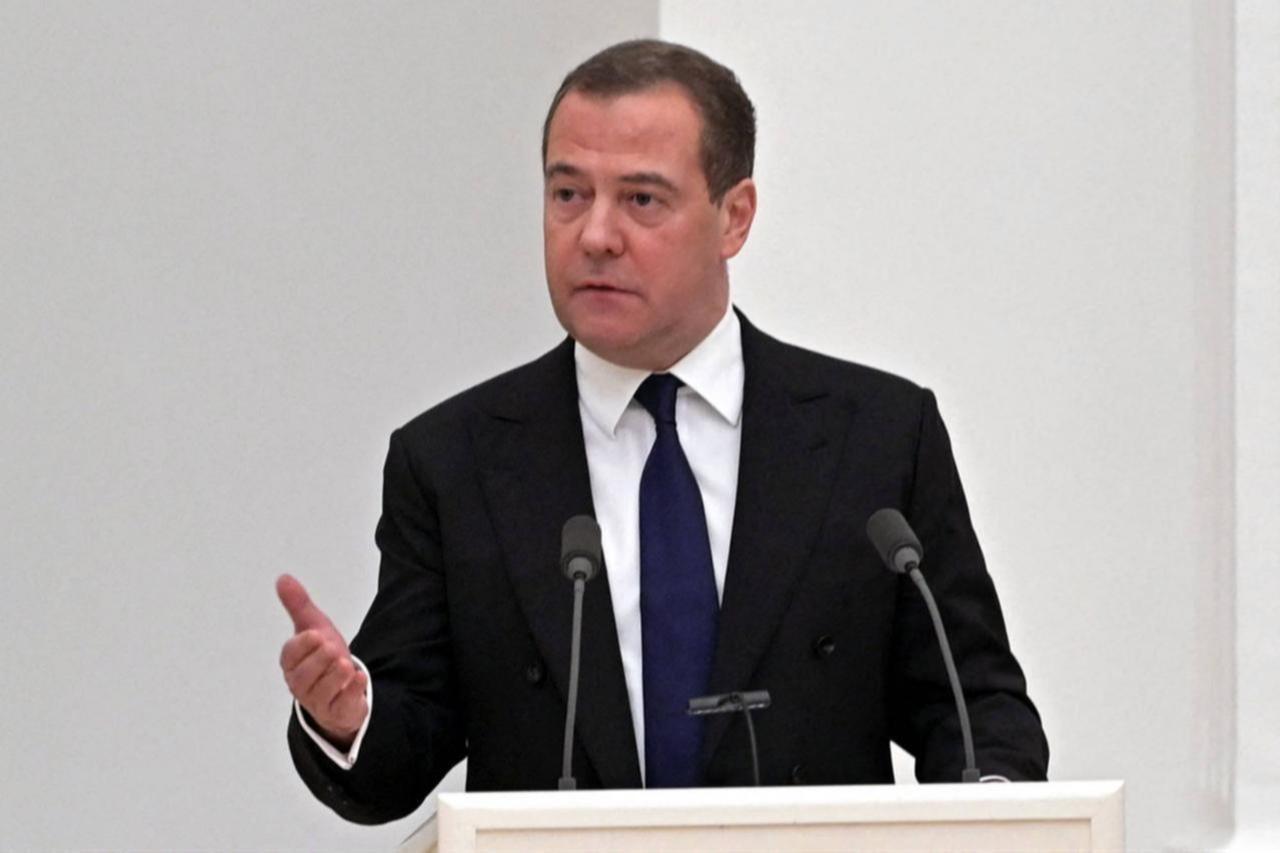
Kremlin spokesman Dmitry Peskov dismissed the reports, questioning the credibility of claims that Russia was preparing to deploy a nuclear weapon in space.
"No, we have not seen these reports, but there is such a quantity of 'allegedly,' 'possibly,' and 'according to unknown whom' that, of course, it is hardly worth taking them seriously," Peskov told journalists.
Russia's embassy in Germany also rejected the allegations as unfounded, calling them part of a propaganda campaign and maintaining that Moscow's space activities were exclusively peaceful.
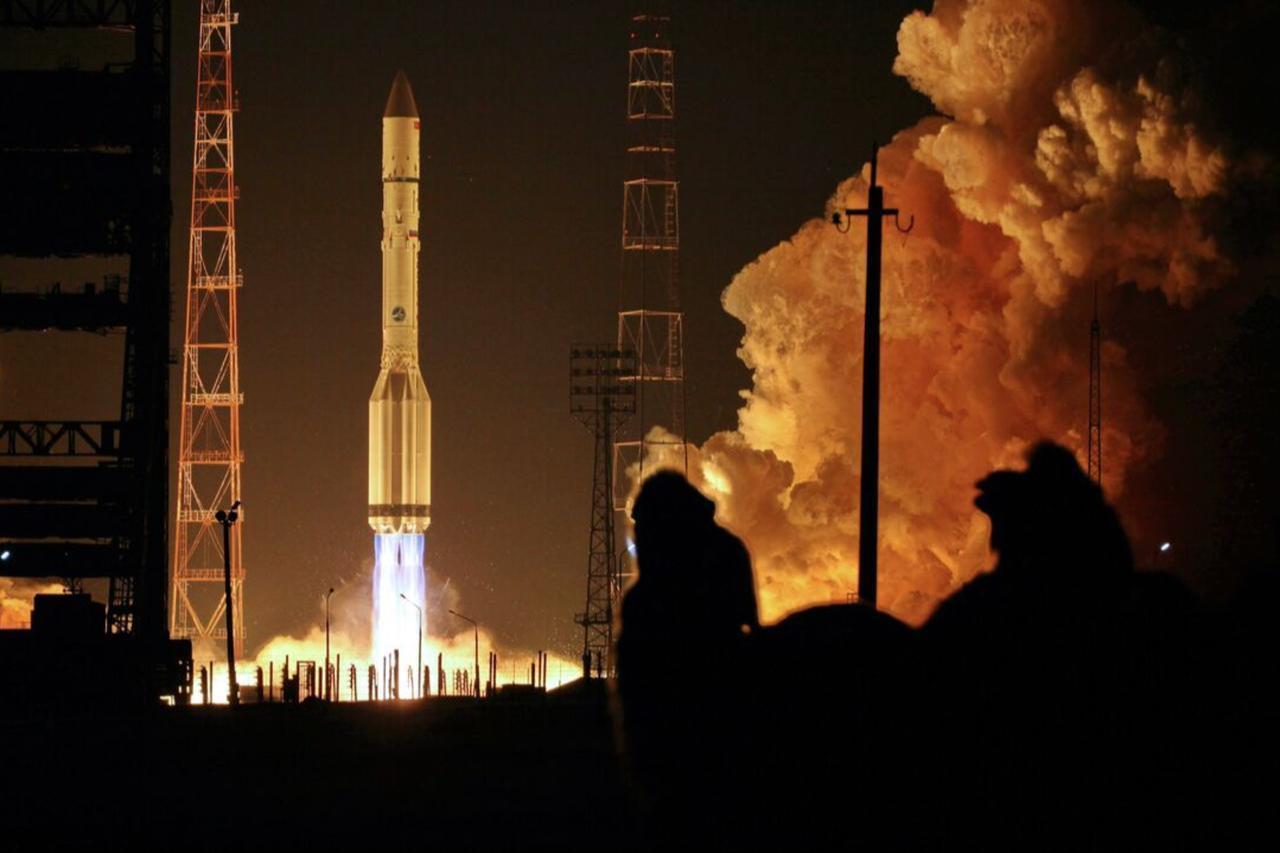

U.S. intelligence officials have previously accused Russia of developing a space-based nuclear weapon capable of destroying satellite networks, including SpaceX's Starlink system, which Ukrainian forces use.
In October, the U.S. Defense Intelligence Agency reportedly warned that Moscow was developing a satellite designed to carry a nuclear weapon. Russia denied similar allegations in 2024.
Deploying nuclear weapons in orbit would violate the 1967 Outer Space Treaty. Russia voted against a U.N. General Assembly measure concerning the treaty in December 2024.
Western officials have also scrutinized Russia's Kosmos-2553 satellite, launched in February 2022, over suspicions that it was used to test radiation effects on spacecraft.
According to the German investigation, a nuclear explosion in low Earth orbit could disable large numbers of satellites, disrupting navigation, telecommunications, weather forecasting and other essential services.
Western intelligence assessments suggest Moscow may primarily intend such a capability as a deterrent.
Germany's military Space Command warned that widespread satellite failures would severely affect military communications, precision weapons and drones.
"We would no longer be able to act as precisely or quickly," Space Command chief Michael Traut said.
The investigation also highlighted increasing military activity in space, including Russia's destruction of one of its satellites in 2021 and reports of Russian spacecraft approaching Western satellites.
French space-monitoring company Aldoria identified nearly 30 incidents involving Russian satellites following European spacecraft since Moscow's invasion of Ukraine.
The investigation found that German authorities lack comprehensive emergency plans for prolonged satellite outages.
A military simulation showed that widespread disruptions could quickly affect food supplies, electricity networks and public services.
The German Interior Ministry said it planned to issue emergency guidance for the public.
Germany's Defense Ministry also intends to invest €35 billion in space security, although 19 of 27 planned projects remain in development and may not become operational until well into the next decade.


 Set as preferred source
 Set as preferred source


 1 min read

 1 min read