Newsletters


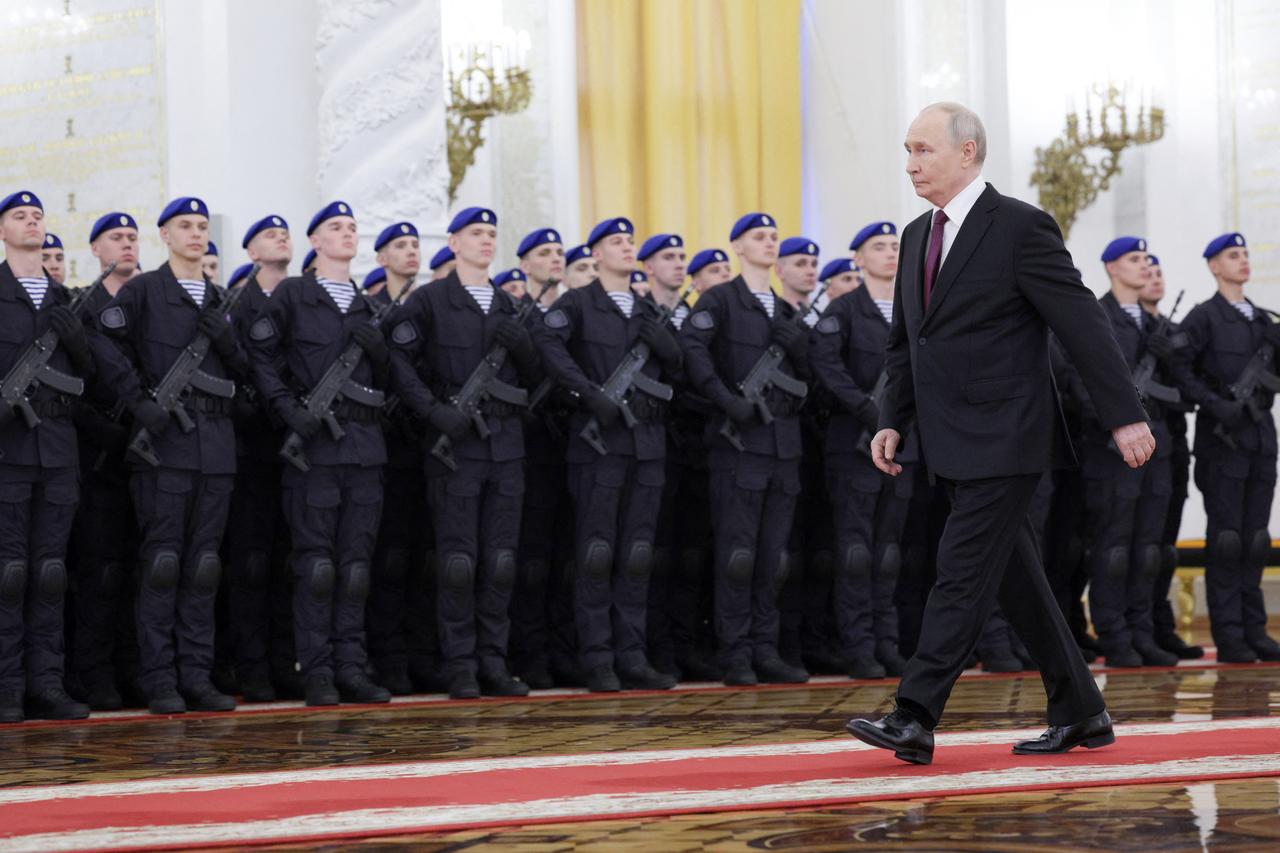


Two NATO countries on the alliance's eastern flank have warned that Russia is preparing a possible "provocation" against the Baltic states or Poland in an effort to test the cohesion of the Western military alliance, according to sources cited by The Guardian.
Latvian intelligence recently said, "We see indications that Russia is preparing military provocations against the Baltic countries or Poland."
The agency said any such action would fall well short of a full-scale attack.
Latvian intelligence said Russia is not currently capable of opening a second military front but is considering "hybrid attacks, such as missiles, drones or other actions designed to send a signal: stop supporting Ukraine, or you will have your own problems."
A senior political source from a second NATO member made a similar warning last week, saying "we are picking up intelligence" that Russian President Vladimir Putin was "planning something against the Baltic states."
The source said Putin might be willing to test U.S. support for Estonia, Latvia and Lithuania, some of NATO's smallest members, in what they described as a desperate effort "to throw the dice" amid Russia's struggles in its invasion of Ukraine.
The Guardian noted that while the two warnings appear linked, they came with only limited supporting detail, unlike the more detailed intelligence released by the CIA and MI6 ahead of Russia's full-scale invasion of Ukraine in February 2022.
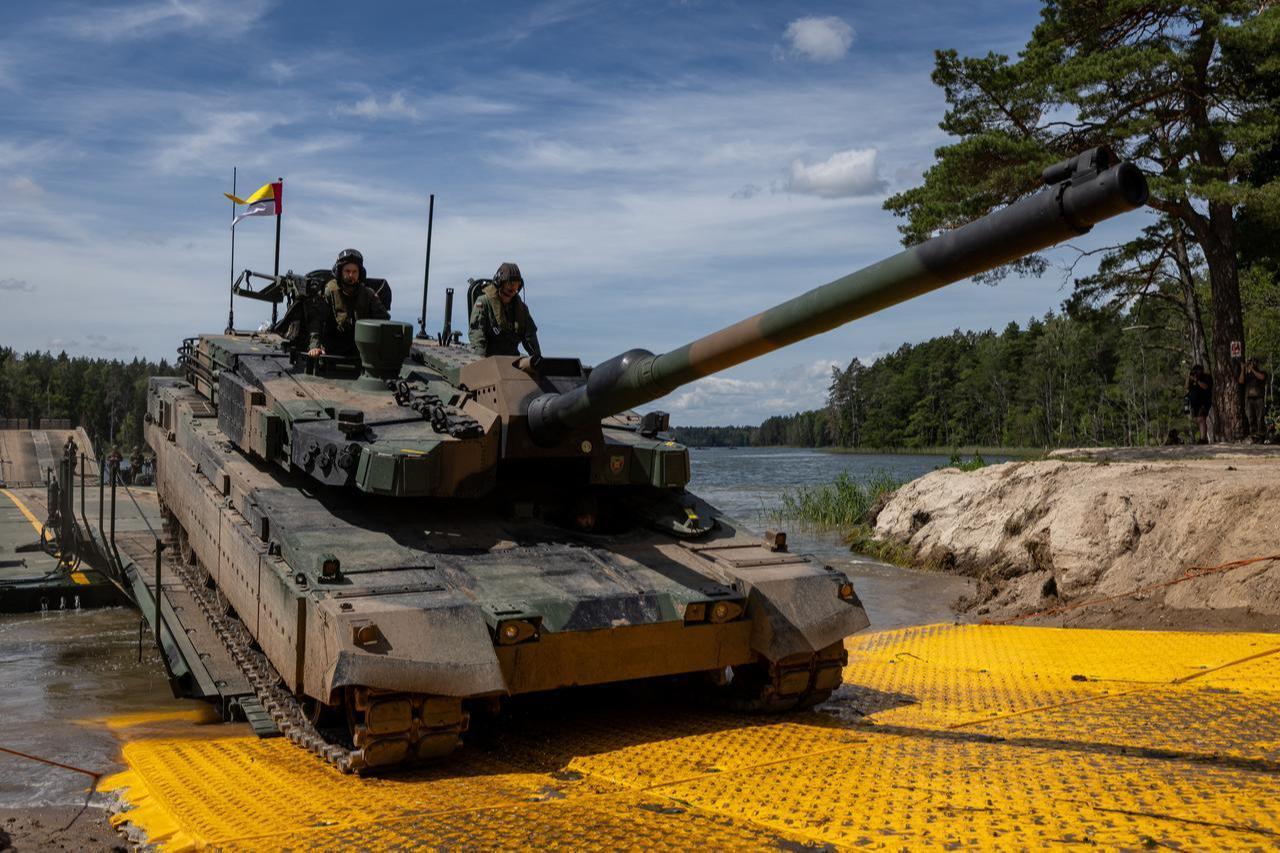

The warnings come as Russia's advance in Ukraine has stalled, raising questions about whether the Kremlin might turn to alternative strategies to break the deadlock.
Speaking to The Guardian, Keir Giles, a Russia expert at the Chatham House think tank, said: "Moscow will be looking for ways to disrupt the current trend, through horizontal escalation (spreading the conflict to other countries) or doing something elsewhere. We should not expect Russia to passively lose."
A Western military source told The Guardian there was concern Russia could lash out if Putin felt under pressure as the war increasingly affects the skylines of Moscow and St. Petersburg.
"I cannot lie, that is a period of danger," the source said.
The Guardian noted that similar fears of Russian escalation surfaced in autumn 2022 following reversals in Kharkiv province, when Western officials worried Moscow might even use a nuclear weapon, concerns that did not materialize into any confirmed steps toward deployment, with the front line stabilizing by the end of that year.
Polish Prime Minister Donald Tusk warned Thursday that countries bordering Russia must prepare for "various forms of escalation," speaking after a meeting of NATO eastern flank leaders in Gdansk held on the sidelines of the Ukraine Recovery Conference.
"We unanimously share the view that the situation is highly unstable and that various forms of escalation can be expected in the coming weeks and months," Tusk told reporters.
The meeting brought together leaders from Poland, Romania, Estonia, Latvia, Lithuania, Finland and Sweden, reflecting growing concern among frontline NATO members over Russia's military posture and hybrid activities.
Tusk said the participating countries were "directly exposed" to potential threats due to their geography and would coordinate closely should the security situation deteriorate.
"Let this be a warning to everyone who is planning something harmful against any of us or our countries," he said, stressing the leaders had shown "complete unity and complete solidarity."
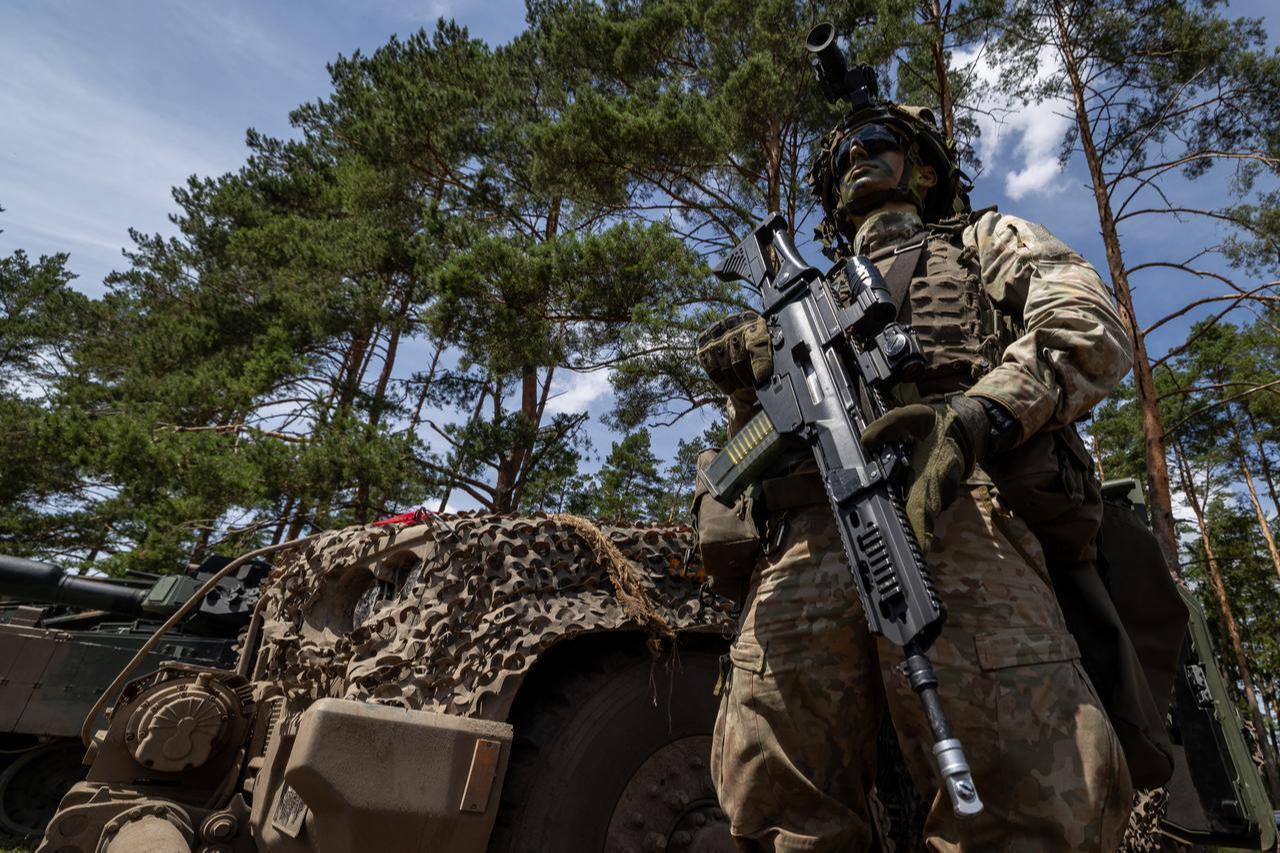
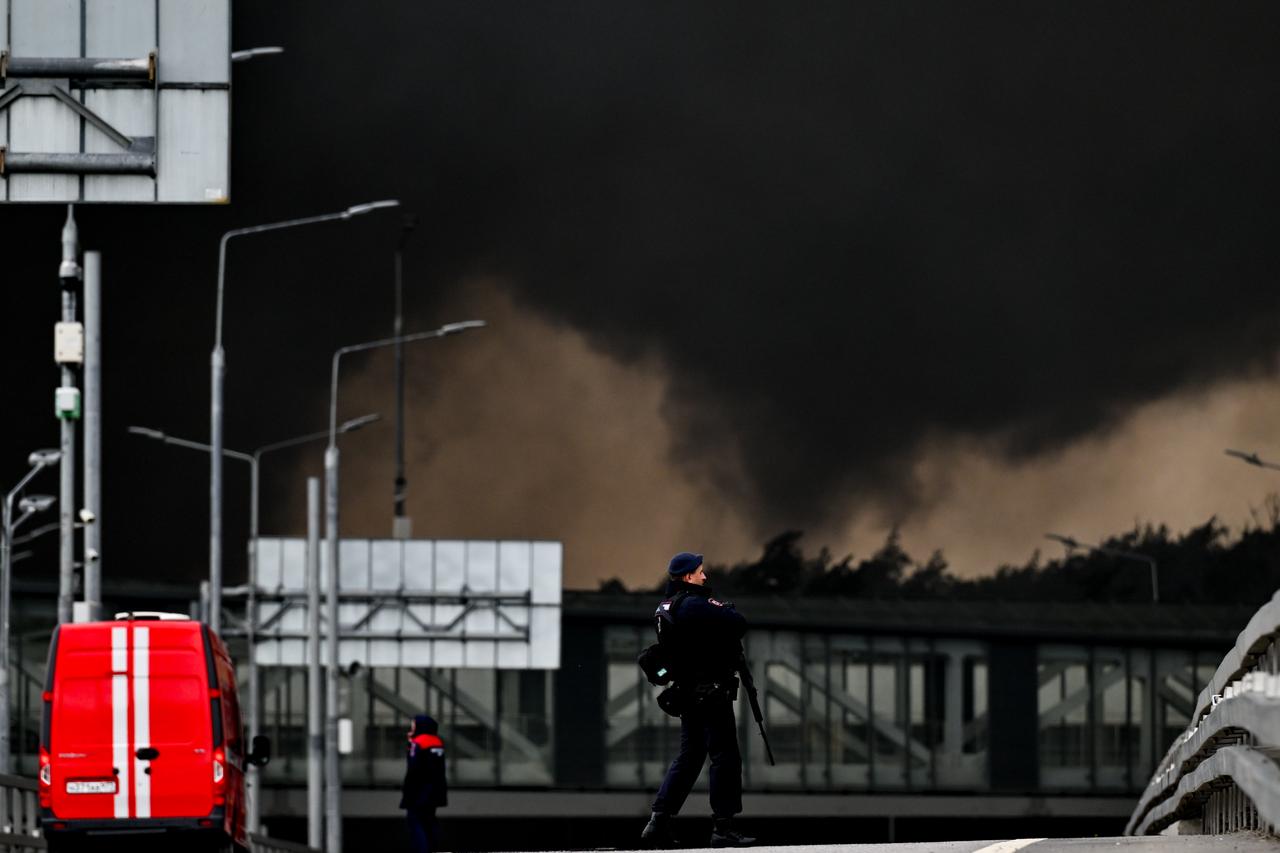
Ukraine has gradually developed a homegrown long-range strike capability able to hit targets up to 2,000 kilometers (1,242.74 miles) inside Russia. Last week, nearly 200 drones struck several locations in Moscow, and black oil rained down on parts of the Russian capital after a refinery was bombed.
Russian air defenses shot down 660 Ukrainian drones overnight into Friday, the Russian Defense Ministry said, one of the highest single-night totals since the conflict began.
The ministry said drones were intercepted over more than a dozen regions, including the Russian capital, the annexed Crimean Peninsula, the Black Sea and the Sea of Azov.
Moscow Mayor Sergey Sobyanin said at least 47 drones bound for the capital were intercepted.
"Emergency services specialists are working where the debris fell," Sobyanin said on Telegram, reporting no casualties or damage.
A "massive" drone attack also struck the Tula region, approximately 180 kilometers south of Moscow, according to regional governor Dmitry Milyaev.
"A private residential house was damaged in a settlement in Shchekino district, as a result of which a woman was wounded," Milyaev said on Telegram.
Ukraine has intensified its long-range drone campaign against Russia in recent months, particularly targeting energy infrastructure, in an effort to deprive the Kremlin of revenue funding its war effort, now in its fifth year.
A Ukrainian attack caused a fire last week at a refinery in southeastern Moscow.


 Set as preferred source
 Set as preferred source


 1 min read
 1 min read