Newsletters


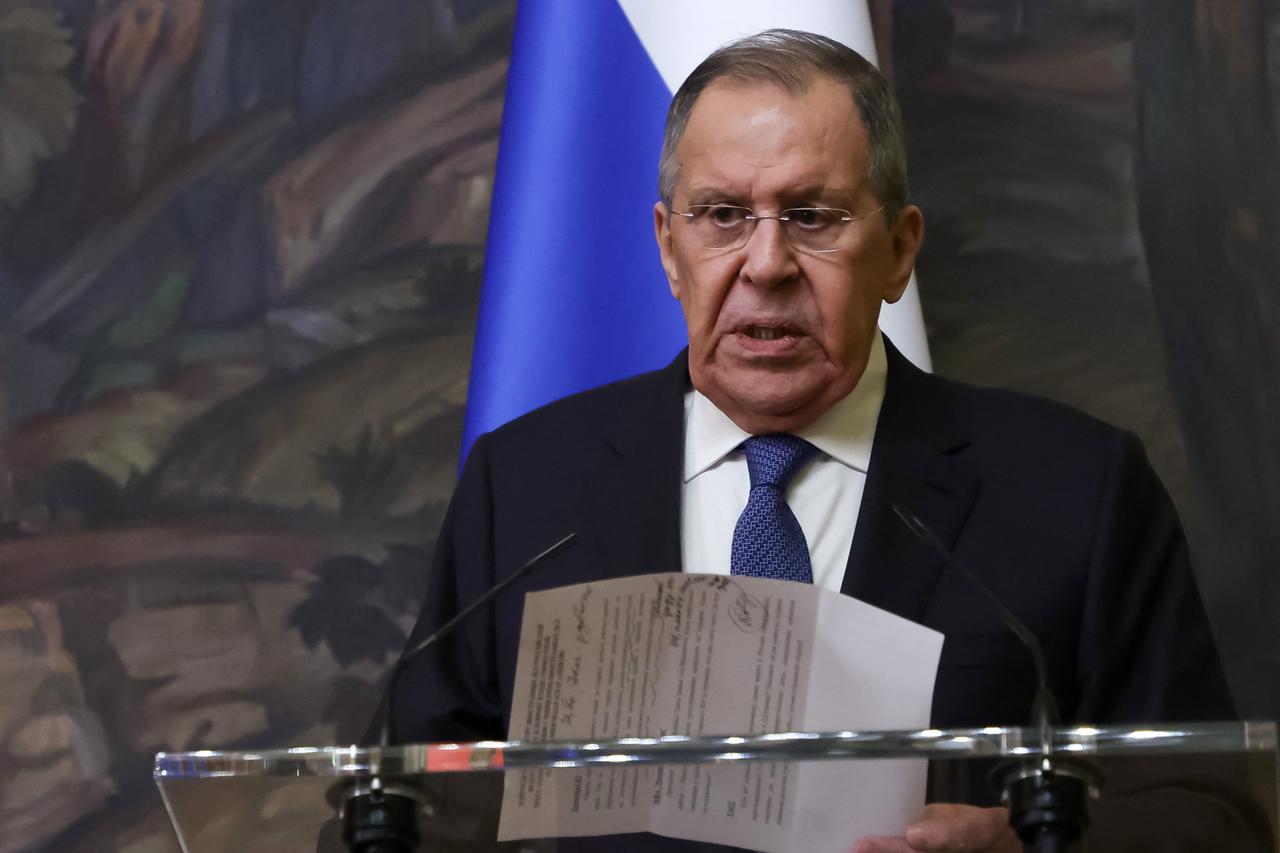


Russian Foreign Minister Sergey Lavrov said Wednesday that Moscow will not agree to a ceasefire in Ukraine simply for the sake of holding peace negotiations, saying Russia would not accept temporary solutions or ultimatums dictated by others.
Speaking at the Primakov Readings forum in Moscow, Lavrov said Russia remained ready for negotiations but would not rely only on promises from the other side.
"We're always ready, but, I repeat, when we sit down at the negotiating table, if there are any coherent ideas, proposals, and adequate people on the other side, we won't take anyone's word for it," Lavrov said.
Lavrov argued that Moscow had previously agreed to such a step following peace negotiations in Istanbul in 2022. He described the issue of Ukraine as a matter of fundamental importance for Russia.
"We certainly won't settle for temporary, interim solutions, much less accept ultimatums dictated by someone else," he said.
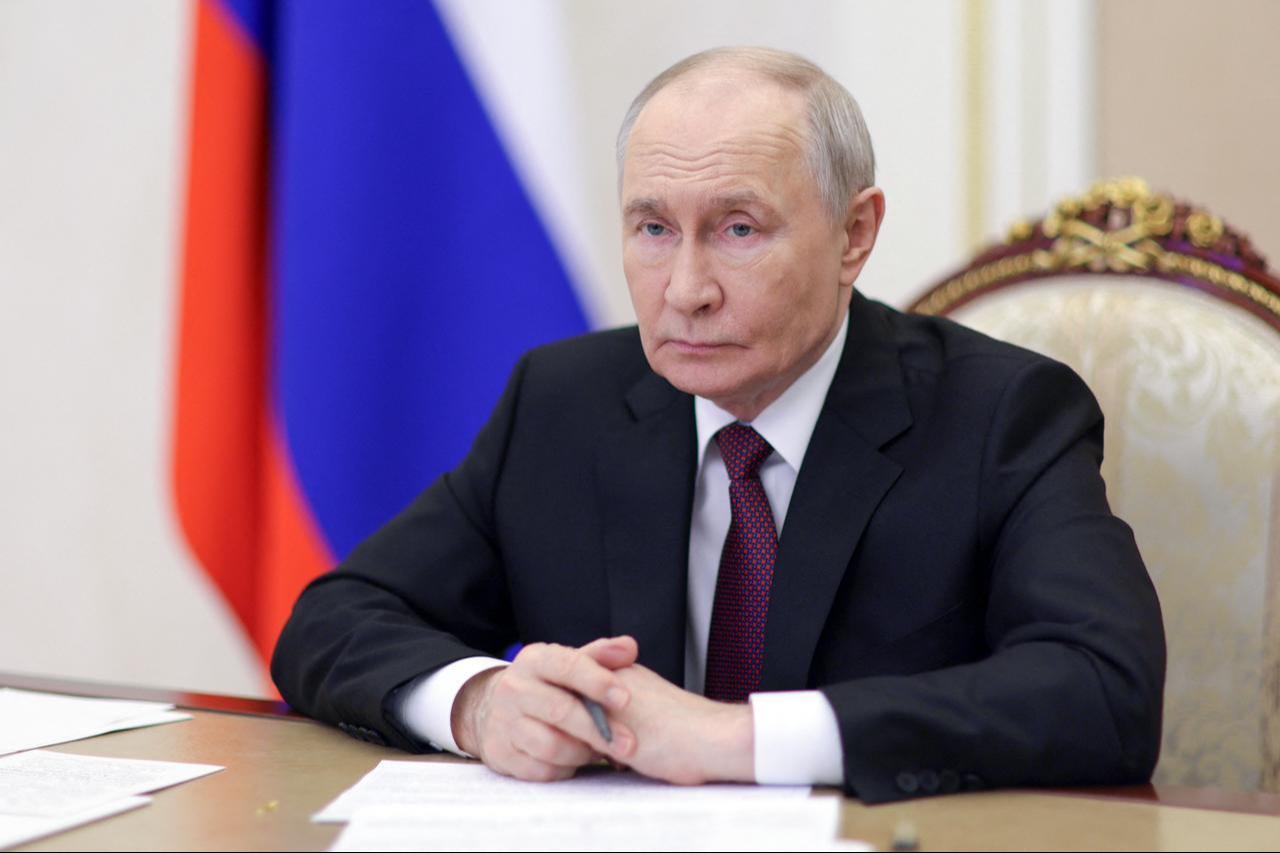

Lavrov reaffirmed Russia's readiness for negotiations on Ukraine but said Moscow remained on guard against being "deceived."
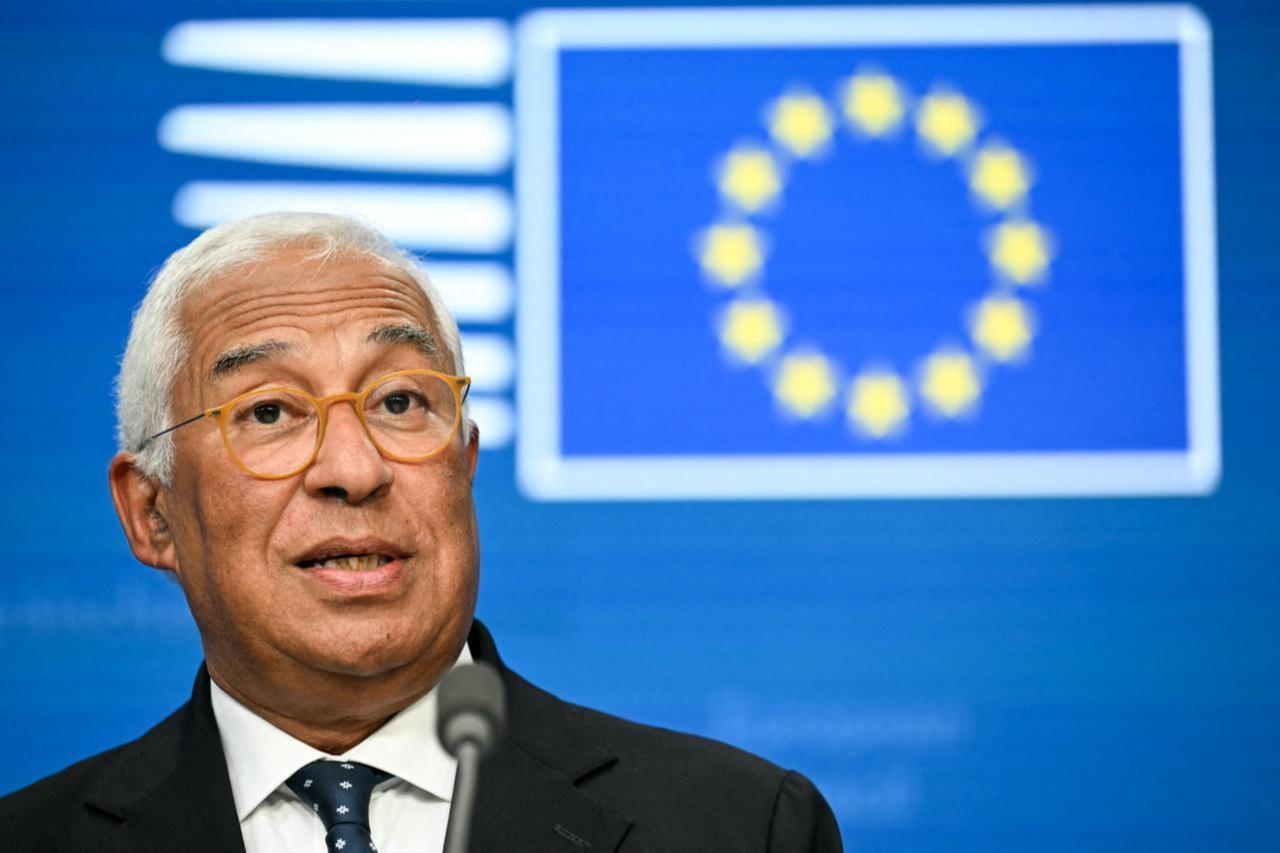
He confirmed that Russia was in contact with the office of European Council President Antonio Costa. Lavrov said Moscow was ready to engage with European Union representatives and hear their views if the 27-member bloc adopts a constructive position.
However, he said Russia no longer had the right to rely on European promises or expectations in any part of its foreign policy.
"But we simply no longer have the right to rely—in any part of our foreign policy, from the point of view of achieving development goals and strengthening Russia's international position—in any way on Europe's promises or expectations," Lavrov said.
He also reaffirmed Moscow's commitment to understandings reached at the summit between Russian President Vladimir Putin and U.S. President Donald Trump in Alaska in August last year.
Lavrov argued, however, that the "ball is not on our side of the field," saying Moscow is seeking to understand whether the U.S. position has changed following the G7 summit in France.
Commenting on Russia's membership in the Organization for Security and Cooperation in Europe, Lavrov described the organization as "half-dead." He said that while he would personally withdraw from it, such a decision would have to be made by the Russian president.
Lavrov also said Russia is ready to help facilitate a comprehensive long-term deal between Washington and Tehran if its services are needed.
He expressed Moscow's expectation that the restoration of unhindered navigation through the Strait of Hormuz would significantly benefit energy and food security within the Global South.
"We certainly hope that the restoration of free navigation through the Strait of Hormuz will benefit the energy and food security of countries in the Global South," Lavrov said.
He also said stabilization of the military and political situation in the Persian Gulf could create an opportunity for a wider regional dialogue.
"The stabilization of the military and political situation in the Persian Gulf could well become the pretext for launching a broad dialogue on a new security architecture and cooperation in this strategic region of the Middle East as a whole," he said.


 Set as preferred source
 Set as preferred source


 1 min read
 1 min read