Newsletters


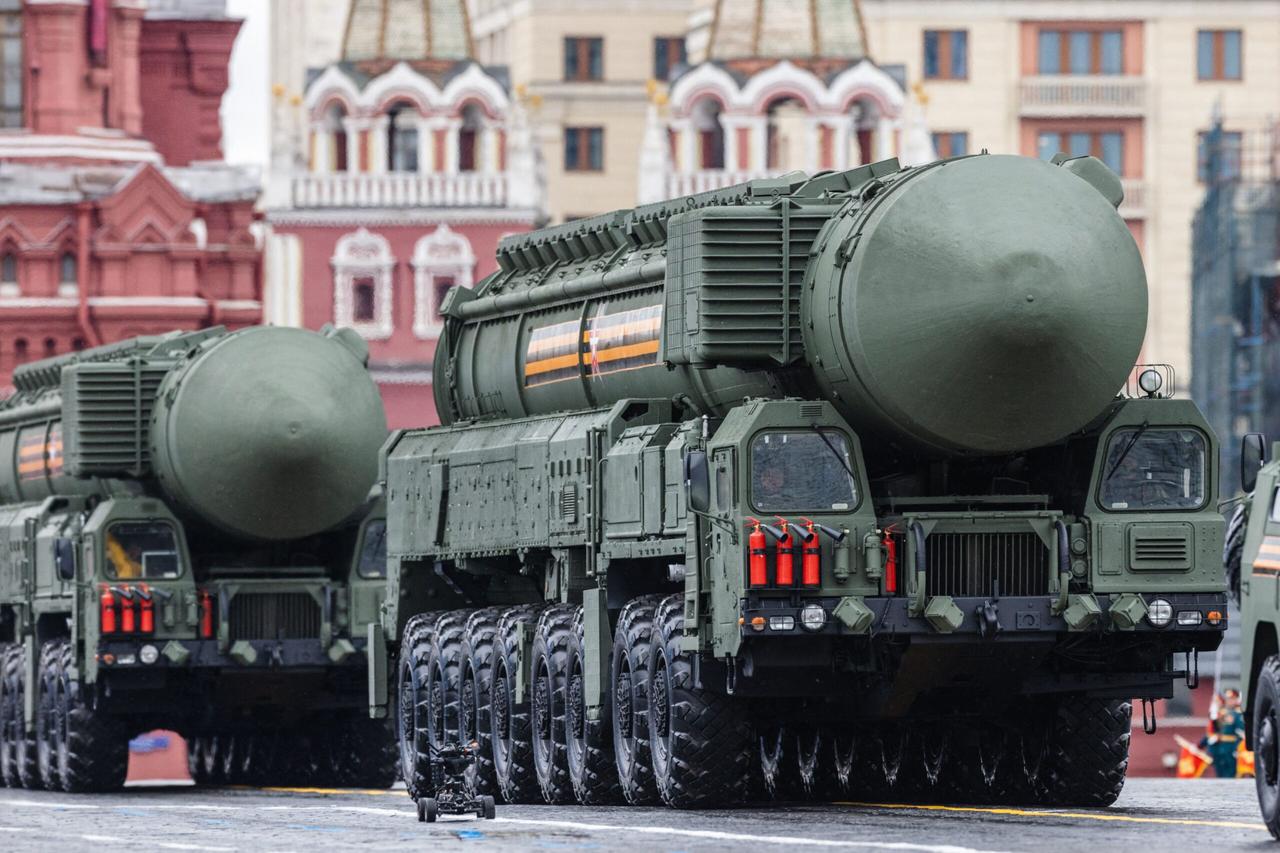


Russia’s Defense Ministry announced that the nuclear-capable Oreshnik missile system has entered active service, as efforts to advance peace talks between Moscow and Kyiv continue.
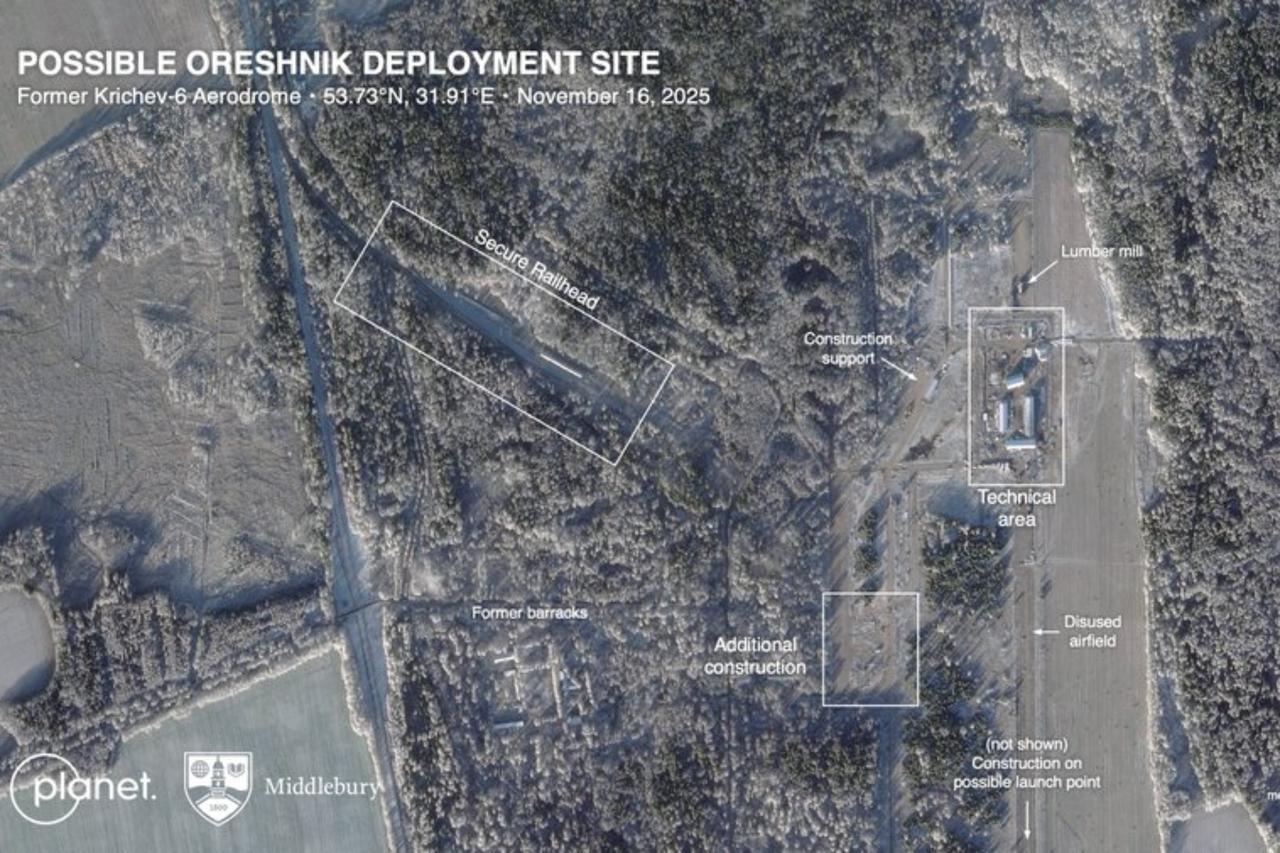
The ministry said the missiles were deployed in Belarus and that a brief ceremony was held to mark the deployment.
It did not disclose how many missiles were stationed or provide further details on their positioning.
Russia’s missile forces command said the Oreshnik system can carry both conventional and nuclear warheads and has a range covering all of Europe.
Russian President Vladimir Putin said in early December that the Oreshnik system would enter combat duty later this month.
Speaking at a meeting with senior military officials, Putin said Russia would seek to expand its gains in Ukraine if Kyiv and its Western allies rejected Moscow’s demands.
Russia first used the Oreshnik missile against Ukraine in November 2024, targeting a facility in the city of Dnipro, which was known for missile production during the Soviet era.
Putin praised the system’s capabilities, claiming it is equipped with multiple warheads that can strike targets at speeds of up to Mach 10, or roughly 12,000 kilometers per hour, and said it cannot be intercepted by air defense systems.
He also warned that the missile could be used against NATO countries supplying Ukraine with long-range weapons.
According to Russian missile forces, Oreshnik is classified as a medium-range missile system, defined as having a range between 500 and 5,500 kilometers.
Such weapons were banned under the Intermediate-Range Nuclear Forces (INF) Treaty signed between the United States and the Soviet Union, which expired in 2019.


The announcement came as peace negotiations between Russia and Ukraine reached a critical stage.
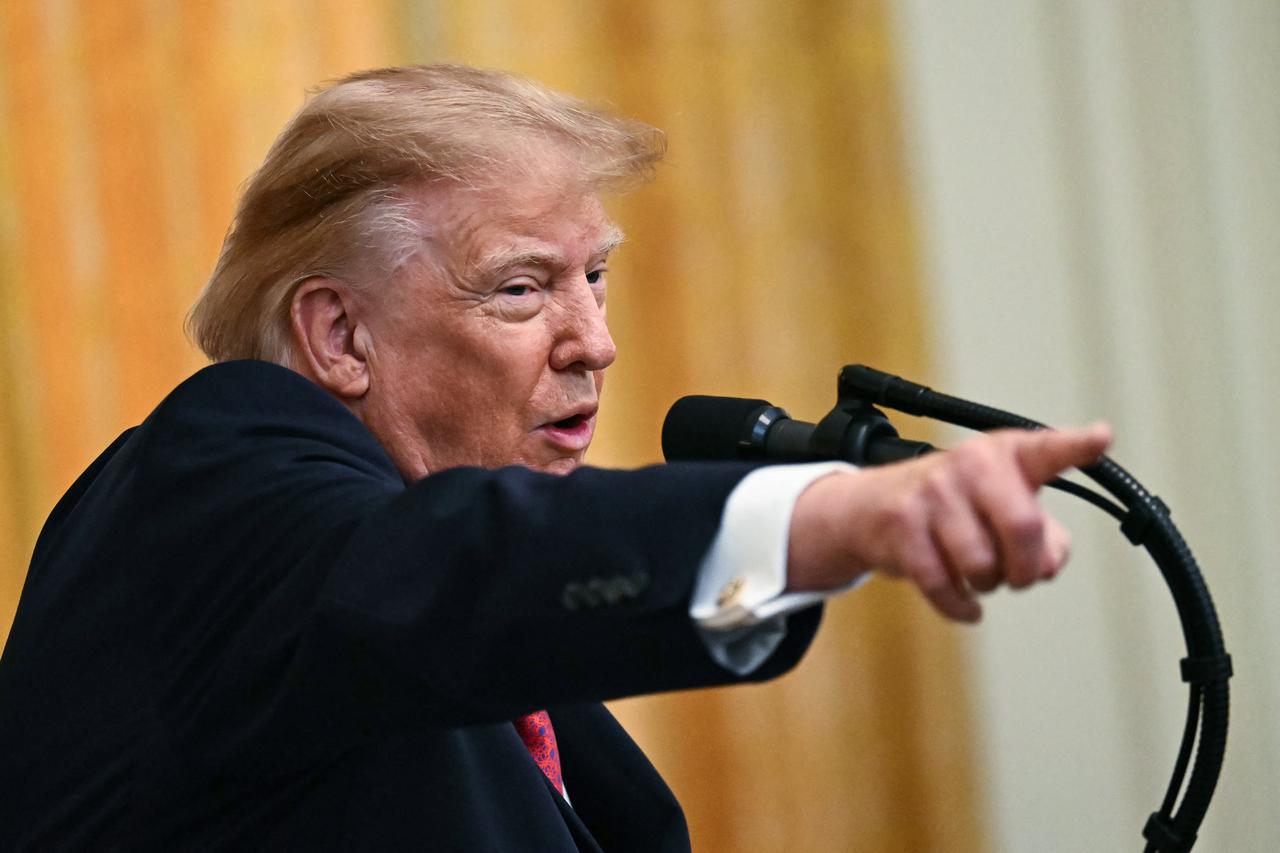
U.S. President Donald Trump hosted Ukrainian President Volodimir Zelenskyy at his Florida property on Sunday, saying the parties were “closer than ever” to reaching a peace agreement.
However, major issues remain unresolved, including which forces would withdraw from which territories and the future of the Russian-occupied Zaporizhzhia Nuclear Power Plant.
Trump said months of U.S.-led negotiations could still fail.
Putin has sought to portray himself as negotiating from a position of strength, arguing that Ukrainian forces are struggling against numerically superior Russian troops.
During a meeting with senior military officials on Monday, he said “military buffer zones” should be established along Russia’s border.
He also claimed Russian forces were advancing in Ukraine’s eastern Donetsk region and increasing pressure along the southern Zaporizhzhia front.


 Set as preferred source
 Set as preferred source


 1 min read
 1 min read