Newsletters


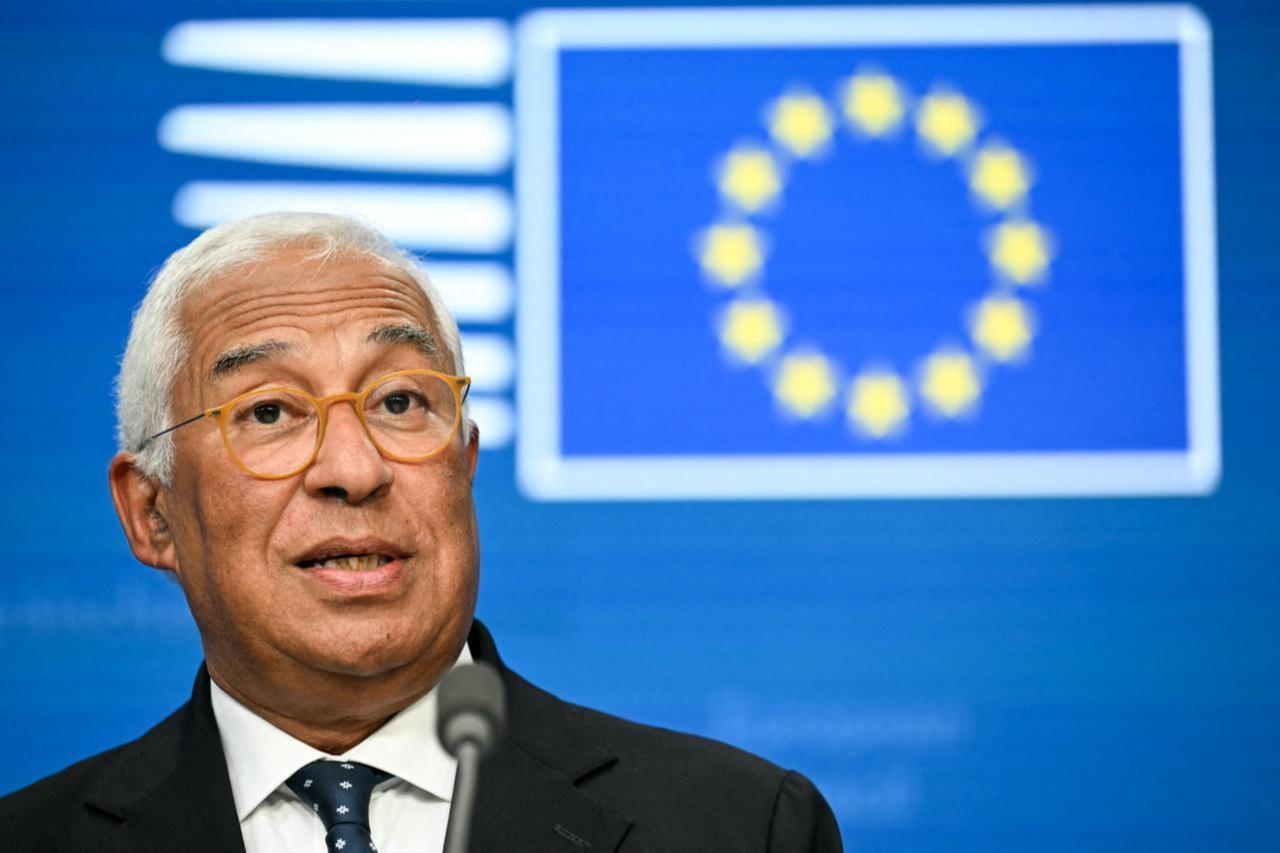


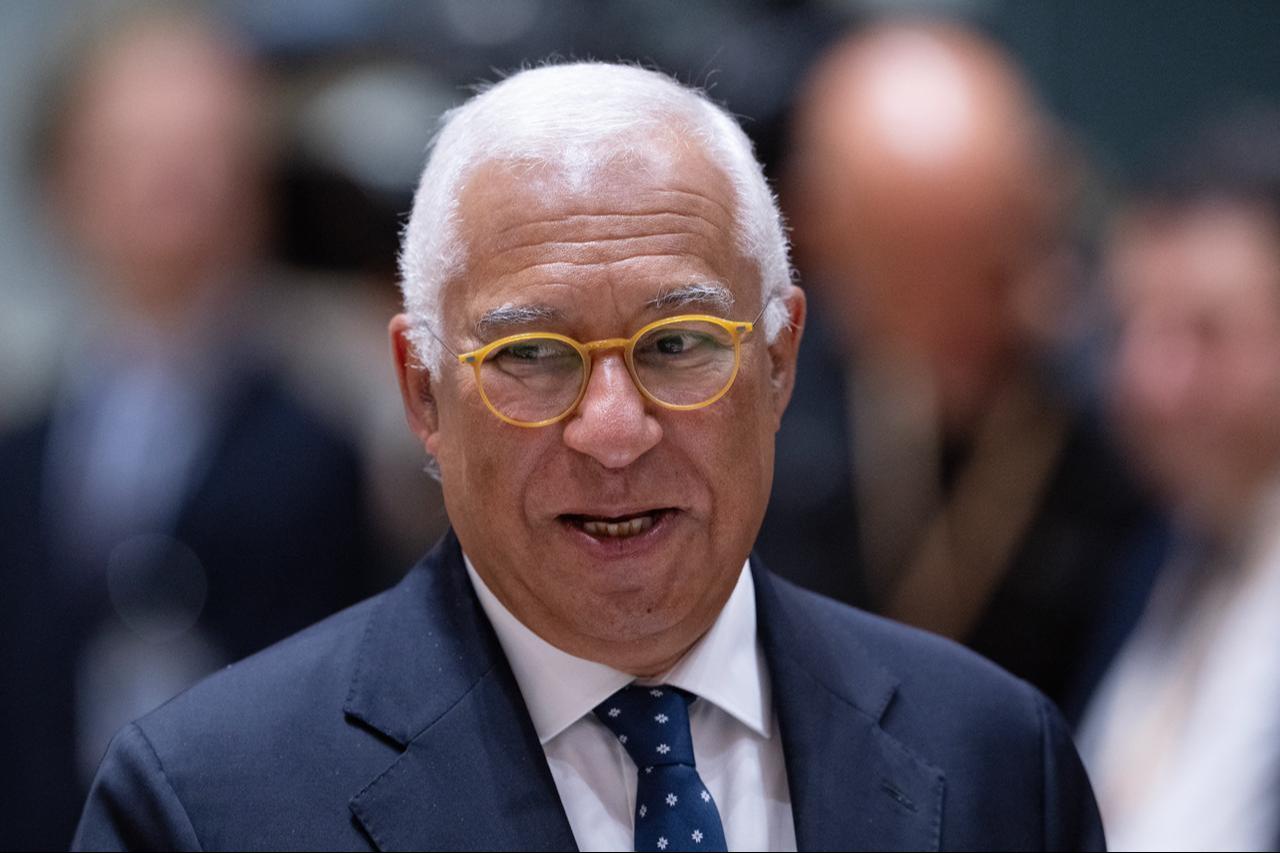
European Council President Antonio Costa said a diplomatic channel with Russia is necessary for direct communication, while stressing that the European Union remains on Ukraine's side and is not seeking a mediator role.
Costa made the remarks at a joint news conference with European Commission President Ursula von der Leyen and Moldovan President Maia Sandu after the second EU-Moldova Summit in Brussels.
Speaking about the possibility of opening a diplomatic channel with Russia, Costa said direct communication is needed when the EU wants to listen to Moscow or send a message.
"When we want to talk to Russia, we need to be able to listen to them directly. If we want to send a message, we should also be able to do that directly," Costa said.
Costa said Russia has not shown willingness for peace negotiations. For that reason, he said, the EU continues to increase economic pressure on Russia to achieve lasting peace.
He also said support for Ukraine continues, adding that the EU is not looking for a mediator role and that its position on Ukraine's side is clear.

Costa recalled that the first cluster in Moldova's EU accession negotiations was formally opened on June 15.
"The people of Moldova chose Europe," he said.
Costa said Moldova's progress on the EU path since being granted candidate country status has been impressive.
He also called on Moldova to maintain its reform momentum.
Following the summit, the EU and Moldova adopted a declaration reaffirming support for Moldova's accession process and stressing that the country's future lies within the EU.
The declaration said Moldova has made progress in accession negotiations and that financial support and economic integration will be increased if reforms continue.
Von der Leyen said Moldova has continued reforms under extremely difficult conditions.
"Despite constant pressure and hybrid attacks from Russia, you have stayed the course," she said.
She said the first cluster opened in Moldova's accession process concerns strong institutions, including a credible judicial system and the rule of law.
Von der Leyen said those areas form the foundation of the entire accession process.
She also said security threats, hybrid attacks and the consequences of Russia's aggression against Ukraine continue to affect Moldova.
Von der Leyen listed disinformation, energy pressure, cyberattacks and airspace violations as the main threats facing Moldova.
"This is a challenge you face. It is a challenge we all face, and we will overcome it together because Moldova's security is Europe's security," she said.
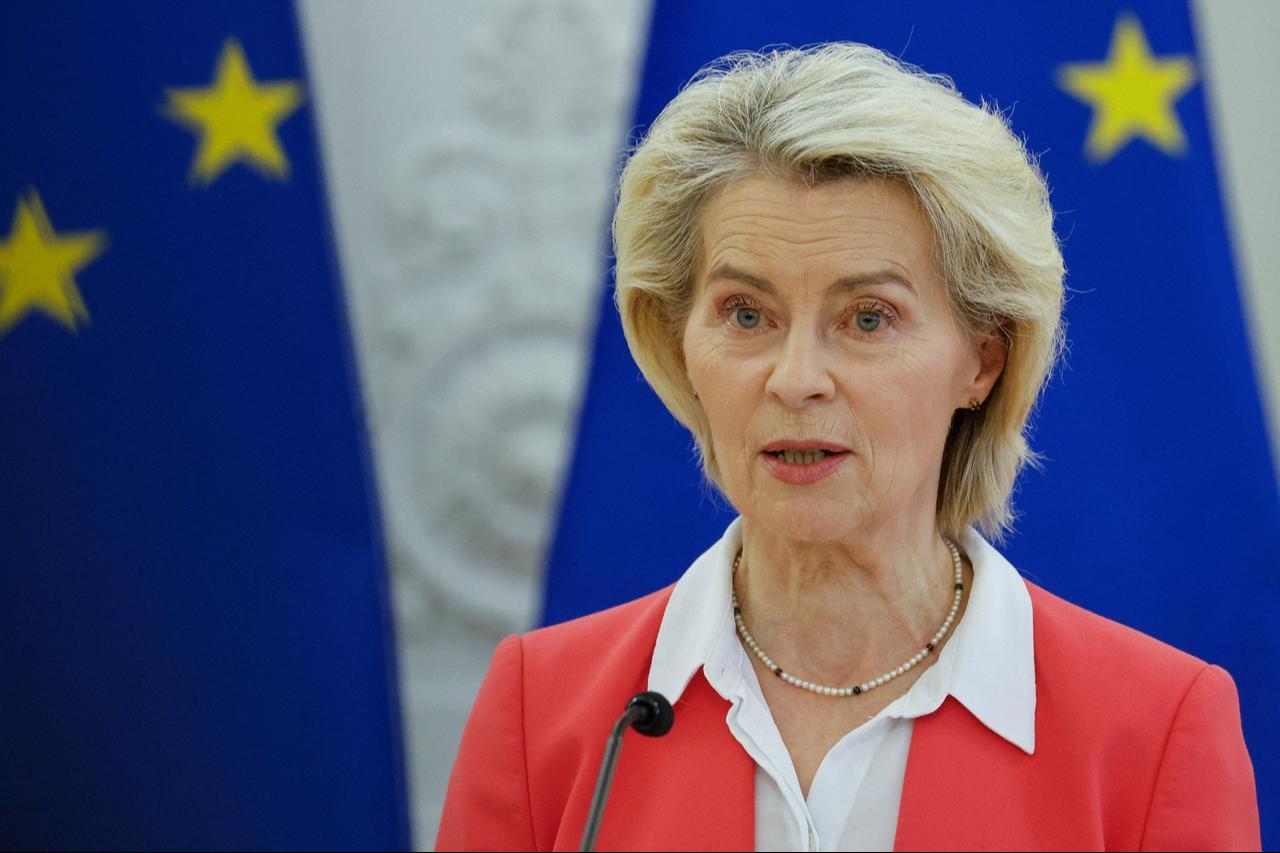
Von der Leyen said the EU continues to support Moldova through the European Peace Facility.
She said Moldova is the second-largest recipient of bilateral support under the facility after Ukraine, with about €200 million.
Von der Leyen also said an additional €120 million support package for 2026 is being prepared to address Moldova's security needs.
She added that another €11 million would be provided to strengthen resilience against hybrid attacks.
Von der Leyen emphasized that the membership process is merit-based.
"Therefore, Moldova needs to do its part," she said.
The declaration adopted after the second EU-Moldova Summit reaffirmed the EU's support for Moldova's sovereignty and territorial integrity.
It also condemned Russia's war against Ukraine and hybrid attacks against Moldova.
The declaration said the two sides agreed to deepen cooperation in energy security, digital transformation, transport links, security and defense.


 Set as preferred source
 Set as preferred source


 1 min read
 1 min read