Newsletters


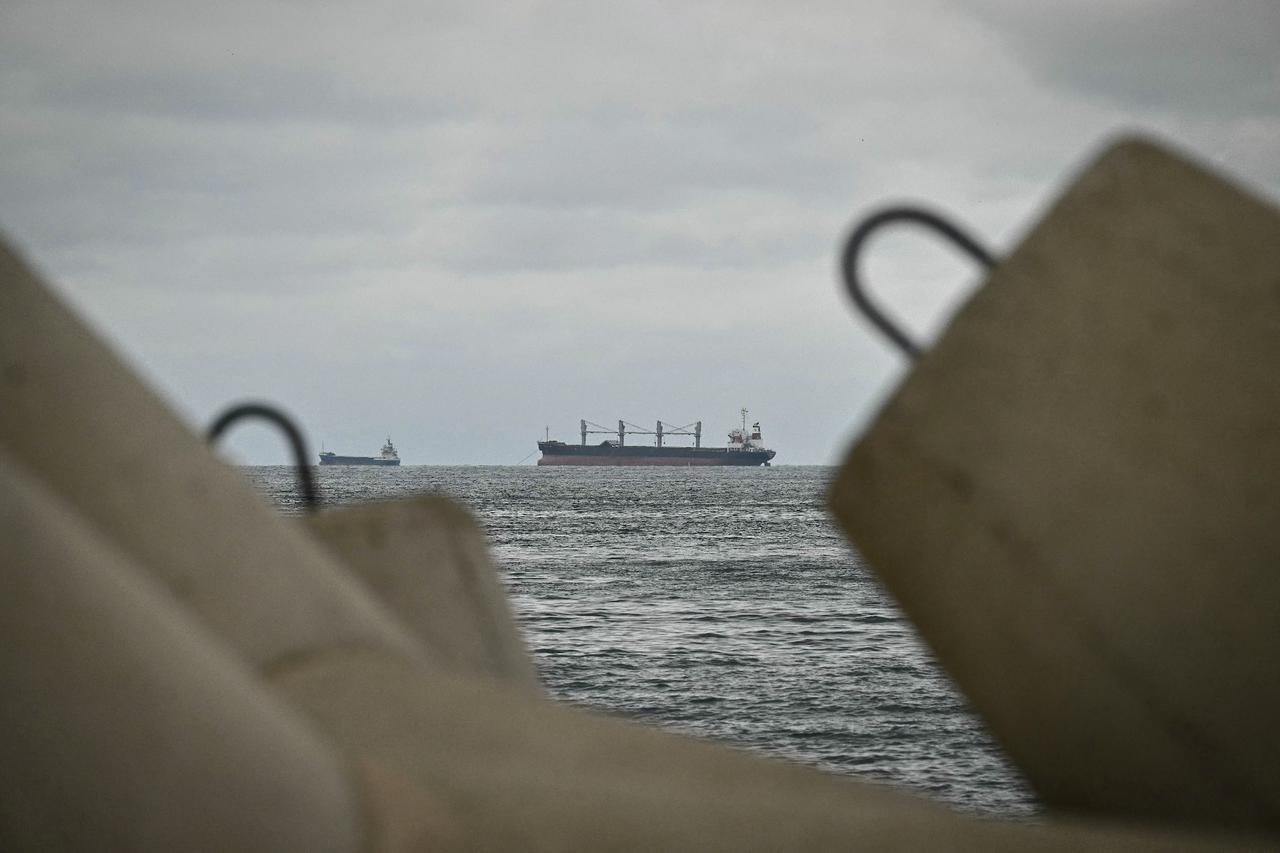


"No palliative solutions are possible on Black Sea security," Russian Deputy Foreign Minister Alexander Grushko said, responding to a question about Türkiye's initiative for the safety of shipping in the Black Sea on Thursday.
Grushko said Moscow remains in contact with Türkiye and many other countries on the issue, as NATO sends more planes, drones and radars to the region after a string of attacks on ships.
Grushko spoke to reporters on the sidelines of the 19th Verona Eurasian Economic Forum, according to Russian media outlet RIA Novosti.
Asked by RIA Novosti about Moscow’s stance on Türkiye's initiative on navigation safety in the Black Sea, Grushko pointed to existing proposals to halt strikes.
"There are already many initiatives on halting strikes; our attitude toward the relevant initiatives is well known and has been repeatedly expressed through bilateral channels and voiced publicly: no palliative solutions are possible," he said.
Asked whether Türkiye had submitted any formal proposals on Black Sea grain exports, Grushko said Russia is in contact with Ankara and others.
"We are in contact not only with Türkiye, but with many other countries on Black Sea security issues. Various aspects are touched upon there, but our position is this," he said.
The Russian official said the Black Sea initiative and other ideas to halt strikes, including along the line of contact, did not work because of the "complete inability to negotiate" of Ukraine and Western countries.
"They were only used to gain tactical advantages on the battlefield or in some other aspects," he said.
"Our line is absolutely clear and understandable, only a sustainable peaceful settlement, including one that eliminates the root causes of the conflict, can ensure the resolution of all those problems that our partners talk about when proposing various solutions," Grushko said.
Turkish Foreign Minister Hakan Fidan recently reminded that Ankara had proposed to Moscow and Kyiv creating a mechanism to prevent strikes on merchant ships in the Black Sea.
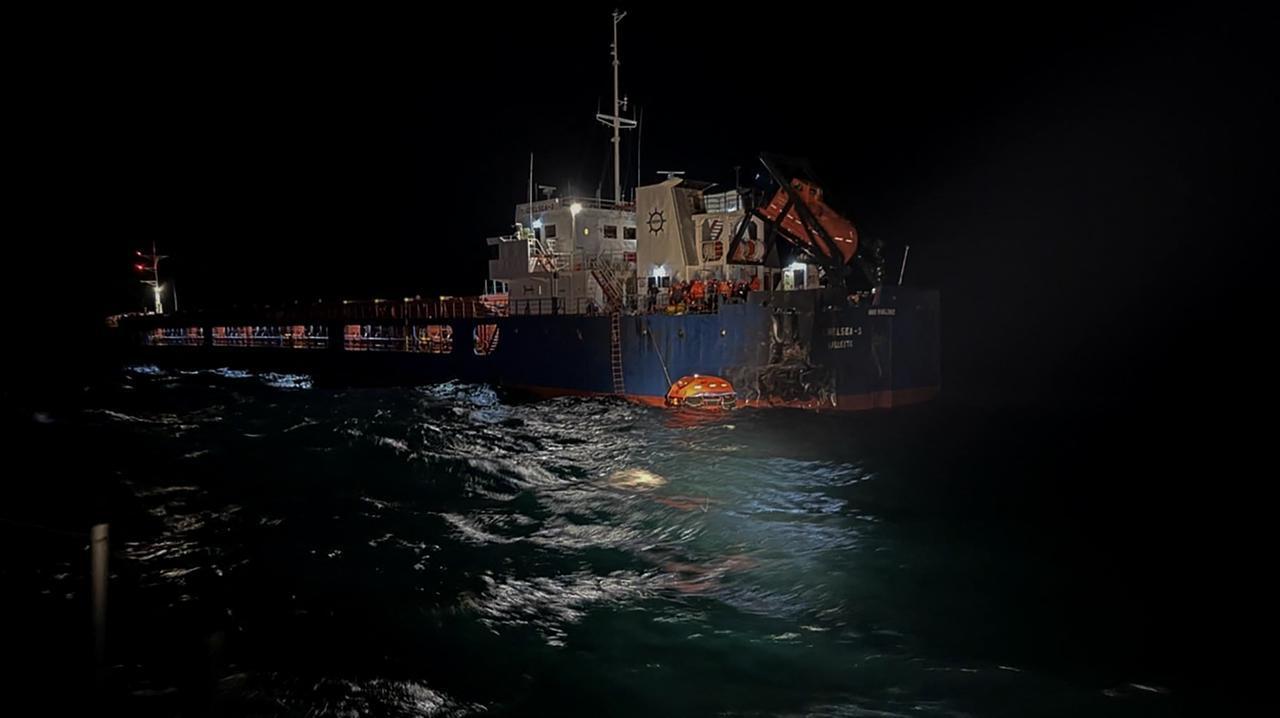

NATO said Tuesday it was deploying additional planes, drones and radar systems to the Black Sea after a string of attacks on ships near Romania and Bulgaria.
"Allies have or will send additional maritime patrol aircraft, radar systems, explosive exploitation teams, intelligence personnel, drones, and more to the Black Sea," said Col. Martin O’Donnell, a spokesman for NATO’s Supreme Headquarters Allied Powers Europe.
"The most important thing we can do, however, is to increase our situational awareness in the region through increased sensors and data sharing," he added.
The strikes on civilian shipping off Bulgaria and Romania, both NATO and EU members, have left a score of sailors missing or dead and drawn condemnation in Europe.
NATO spokeswoman Allison Hart earlier announced NATO would send "additional assets" after ambassadors from its 32 member countries held talks on Black Sea security at its Brussels headquarters.
"NATO has already strengthened our posture along the eastern flank, including with counter-drone capabilities," Hart wrote on X.
"We will continue to stand united and ensure that we are ready and able to address any threat and to keep our one billion people safe," she added.
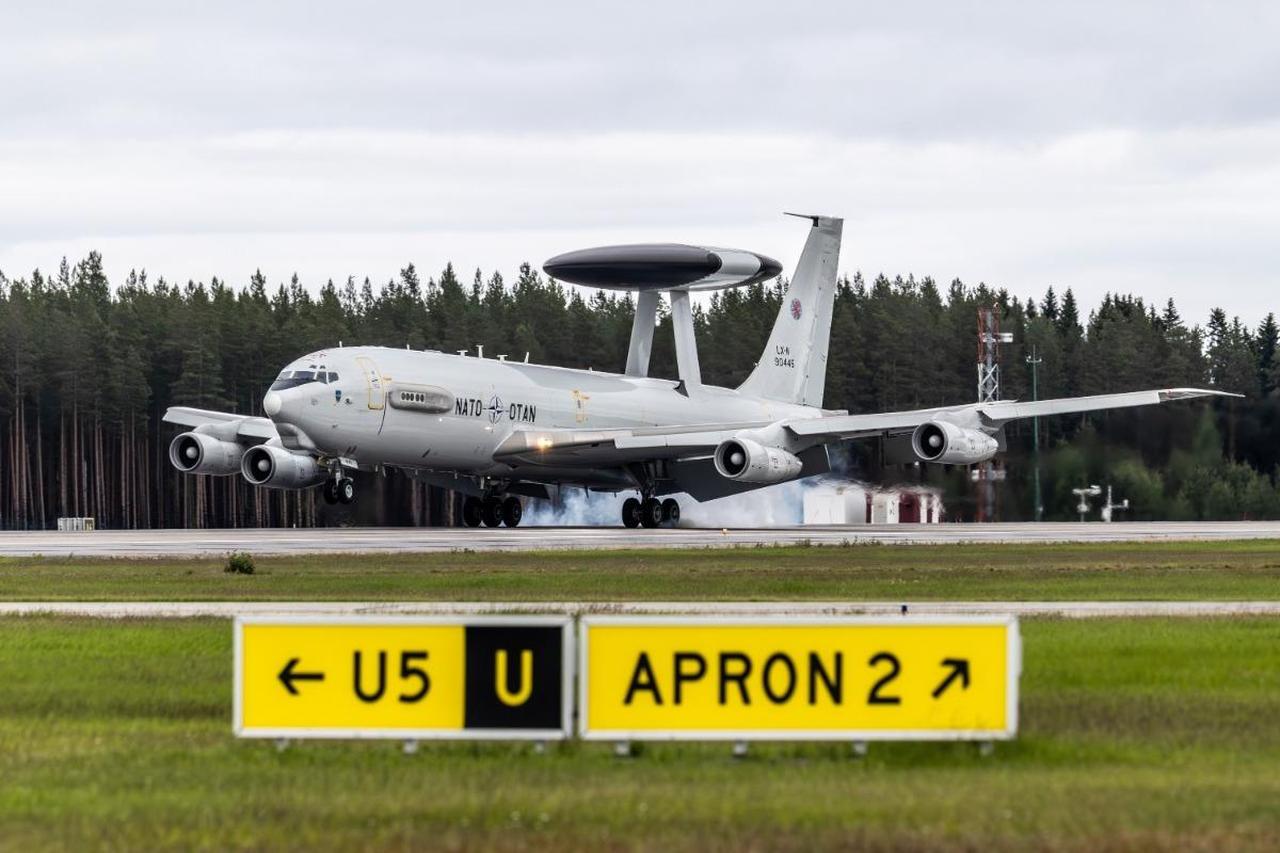
Bulgarian Prime Minister Rumen Radev confirmed Tuesday that a US Navy aircraft is operating over the Black Sea following drone attacks on merchant vessels, according to BTA news agency.
"An American P-8 Poseidon has begun patrolling the Black Sea to conduct reconnaissance missions and detect any activity that could pose a risk," Radev said.
He said NATO allies responded swiftly to Bulgaria’s request for help and Sofia expects "further assistance." Radev added Bulgaria had fully mobilized its surveillance, reconnaissance, detection and response capabilities.
Defense Minister Dimitar Stoyanov said the aircraft belonged to NATO and should not be associated with any particular country. He said the Poseidon has no strike capability and would continue its missions as long as necessary.
"The decision for it to be here was taken jointly by Bulgaria and NATO," Stoyanov said, adding that information gathered during the missions was being shared with the alliance.
Bulgaria requested air patrols and additional military capabilities from NATO allies last week, including missile systems, anti-drone systems and patrol aircraft.
Four vessels in Bulgaria’s exclusive economic zone in the Black Sea have been attacked in the last month, two of which sank.


 Set as preferred source
 Set as preferred source


 1 min read