Newsletters


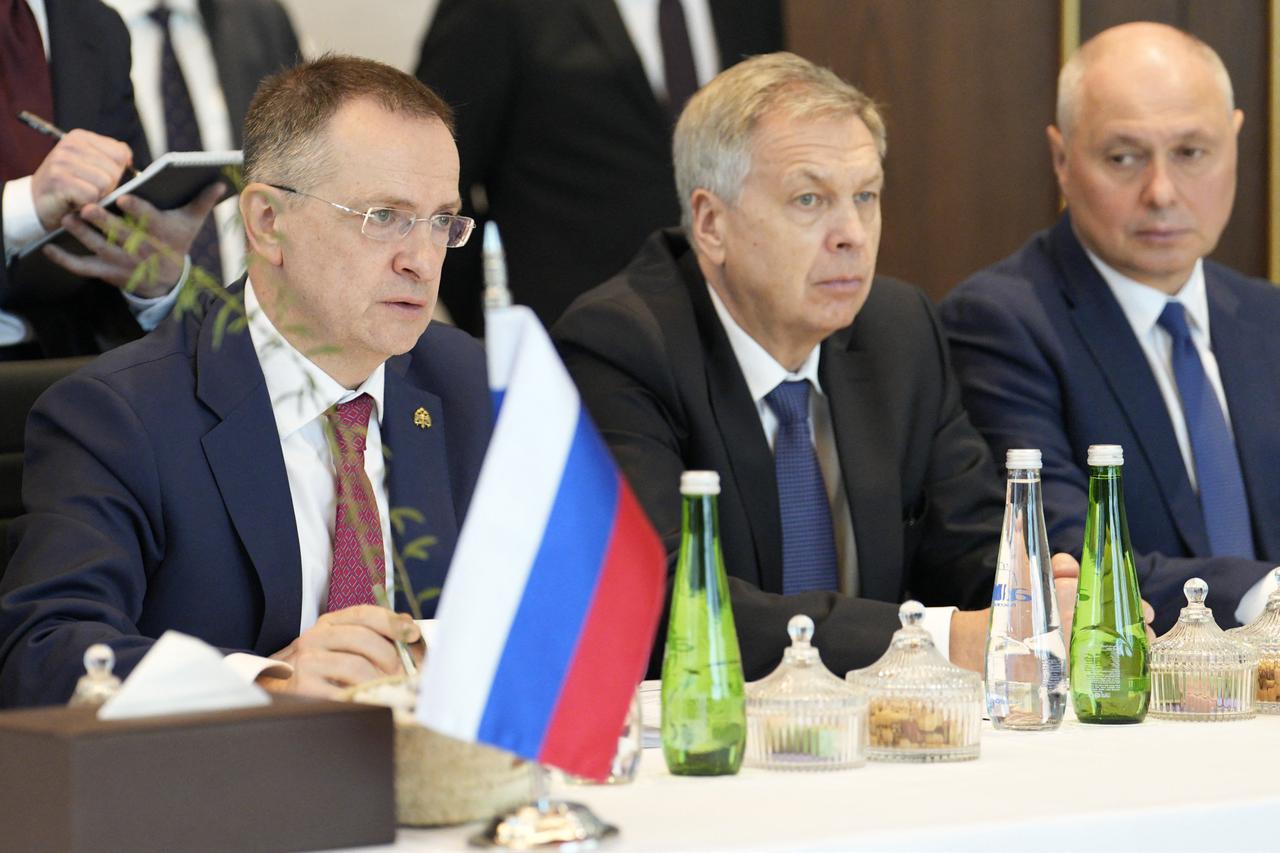


Russia has proposed sweeping changes to Europe's security architecture as part of negotiations to end the war in Ukraine, including Finland's withdrawal from NATO and a ban on alliance military bases in the Baltic states, German newspaper Bild reported Friday.
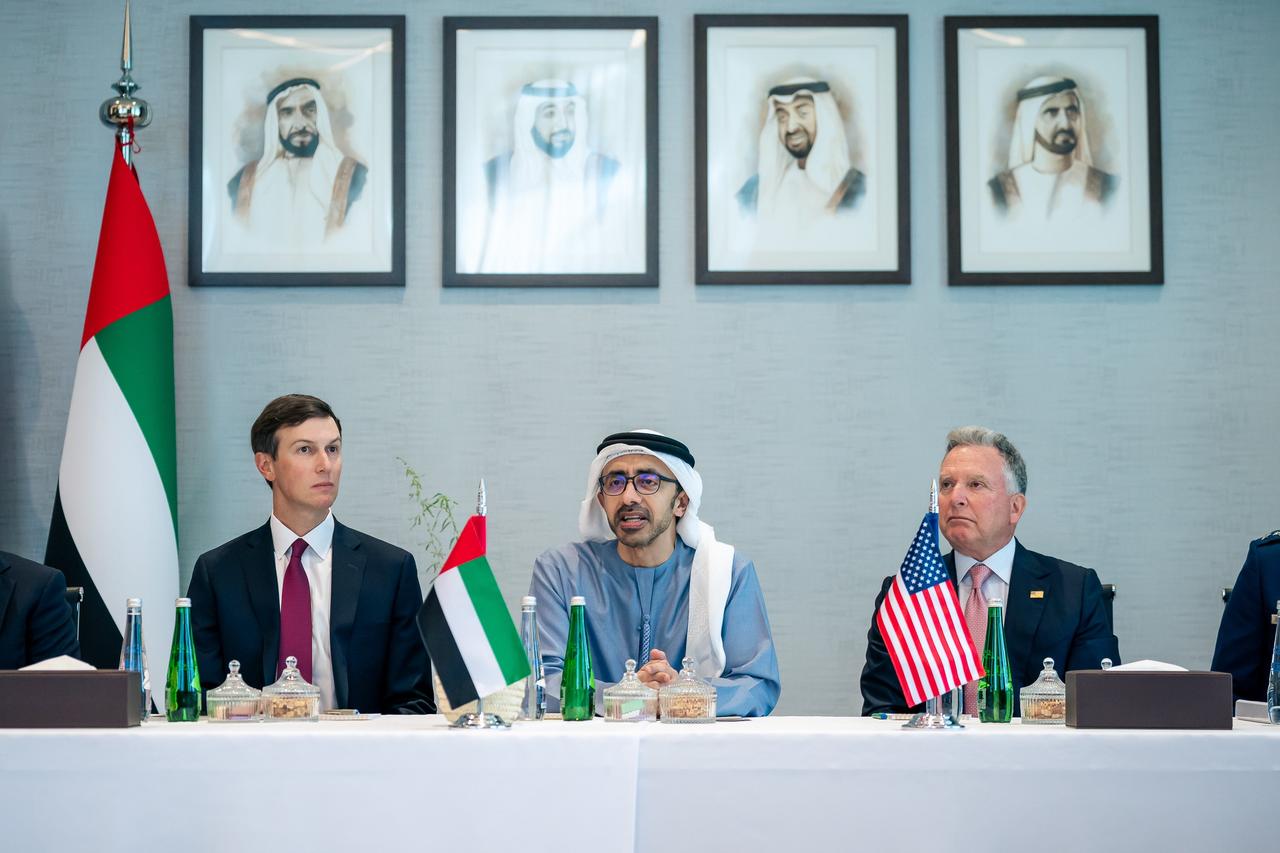
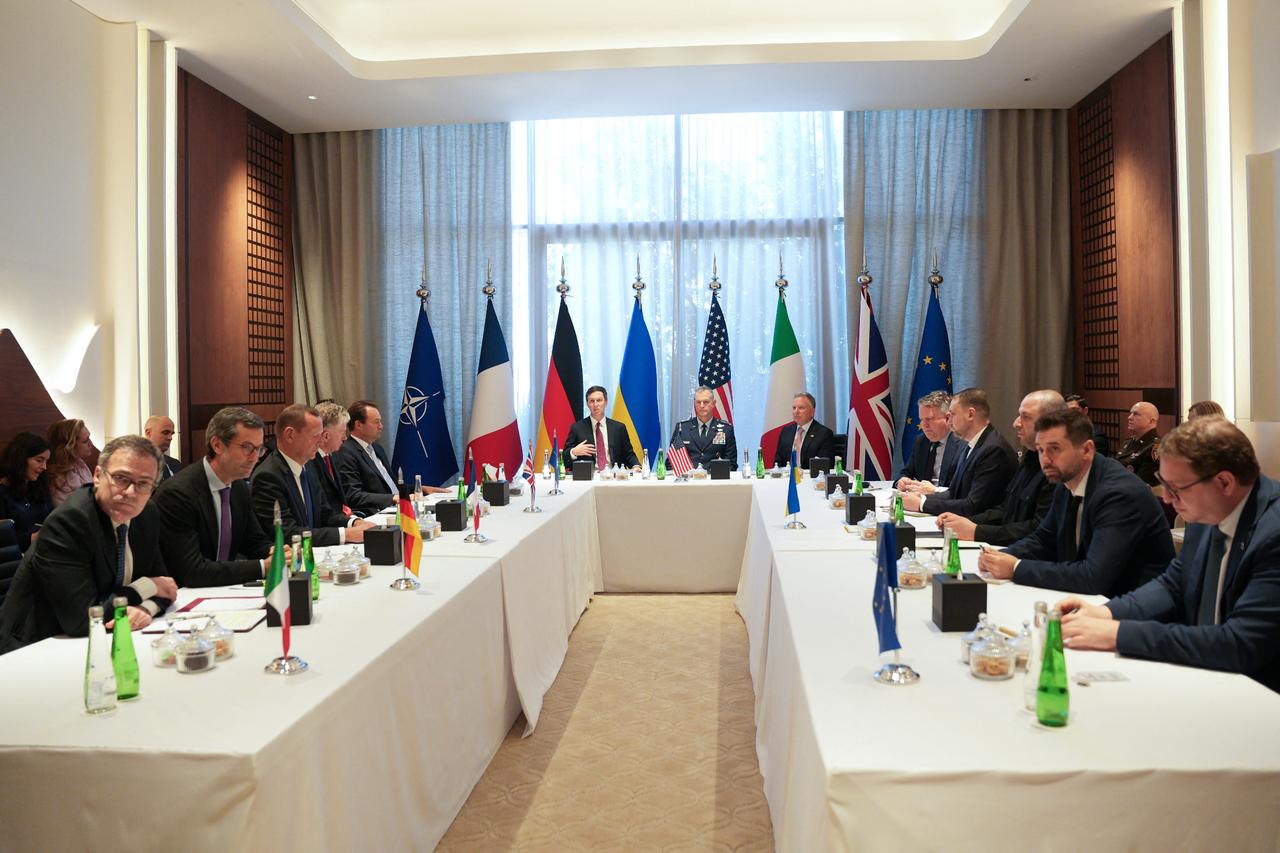
The informal proposals, reportedly shared with European representatives during U.S.-mediated negotiations in Abu Dhabi, extend well beyond Ukraine's territorial disputes and seek to establish what the newspaper described as “a new European security order.”
The report came as U.S. special envoy Jared Kushner announced that Moscow and Kyiv had agreed to include European representatives in the next round of peace negotiations, allowing broader security arrangements to be discussed alongside territorial questions.
According to Bild, Russia's proposals reflect Moscow's longstanding position that Western governments had promised not to expand NATO eastward.

Russia has not demanded Finland's withdrawal from NATO as part of negotiations on a new security architecture in Europe, said Russian presidential spokesman Dmitry Peskov.
"I don't know about it. No, it was not. This, of course, was not discussed exactly," he told reporters, commenting on the report.
Under the proposals described by Bild, Russia would retain all Ukrainian territory it currently occupies and gain control of the entire Donbas region.
Ukraine would be required to surrender the remaining parts of Donetsk and Luhansk still under Kyiv's control.
The ports of Odesa and Mykolaiv would be demilitarized and prohibited from serving as naval bases, while separate arrangements would guarantee freedom of navigation in the Black Sea and Baltic Sea.
The reported plan would also require Ukraine to remain permanently nonaligned, preventing it from joining NATO while leaving open the possibility of European Union membership.
Beyond Ukraine, Moscow is reportedly seeking a prohibition on NATO military bases in Estonia, Latvia and Lithuania.
Finland, which joined NATO in 2023, would be required to return to its pre-membership status, effectively withdrawing from the alliance.
The proposals also extend to Moldova, envisioning its transformation into a federal republic comprising Moldova, Transnistria and Gagauzia.
If Moldova subsequently joined the European Union, Transnistria and Gagauzia would be permitted to hold independence referendums, according to the report.
In exchange, Russia would reportedly agree to withdraw nuclear weapons from Belarus and refrain from deploying intermediate-range missiles there.
The reported demands emerged as Kushner said Thursday that Russia and Ukraine had agreed to expand the next round of U.S.-mediated negotiations to include European representatives.
Kushner, who participated alongside U.S. envoy Steve Witkoff in talks in Abu Dhabi on Tuesday and Wednesday, said the discussions had helped identify possible areas of agreement.
“We have made meaningful progress in understanding both sides’ concerns, identifying possible solutions, and establishing a path forward. Both sides have now agreed to expand the next round of negotiations to include our European partners,” Kushner wrote on X.
He said European participation would allow negotiators to address broader postwar security arrangements alongside the territorial disputes between Russia and Ukraine.
According to Kushner, ending the conflict would require “credible security guarantees, deconfliction mechanisms, and reciprocal de-escalation commitments that reduce the risk of future conflict.”
He also emphasized that Ukraine's security concerns would need to be addressed before any broader arrangements governing European security could be finalized.
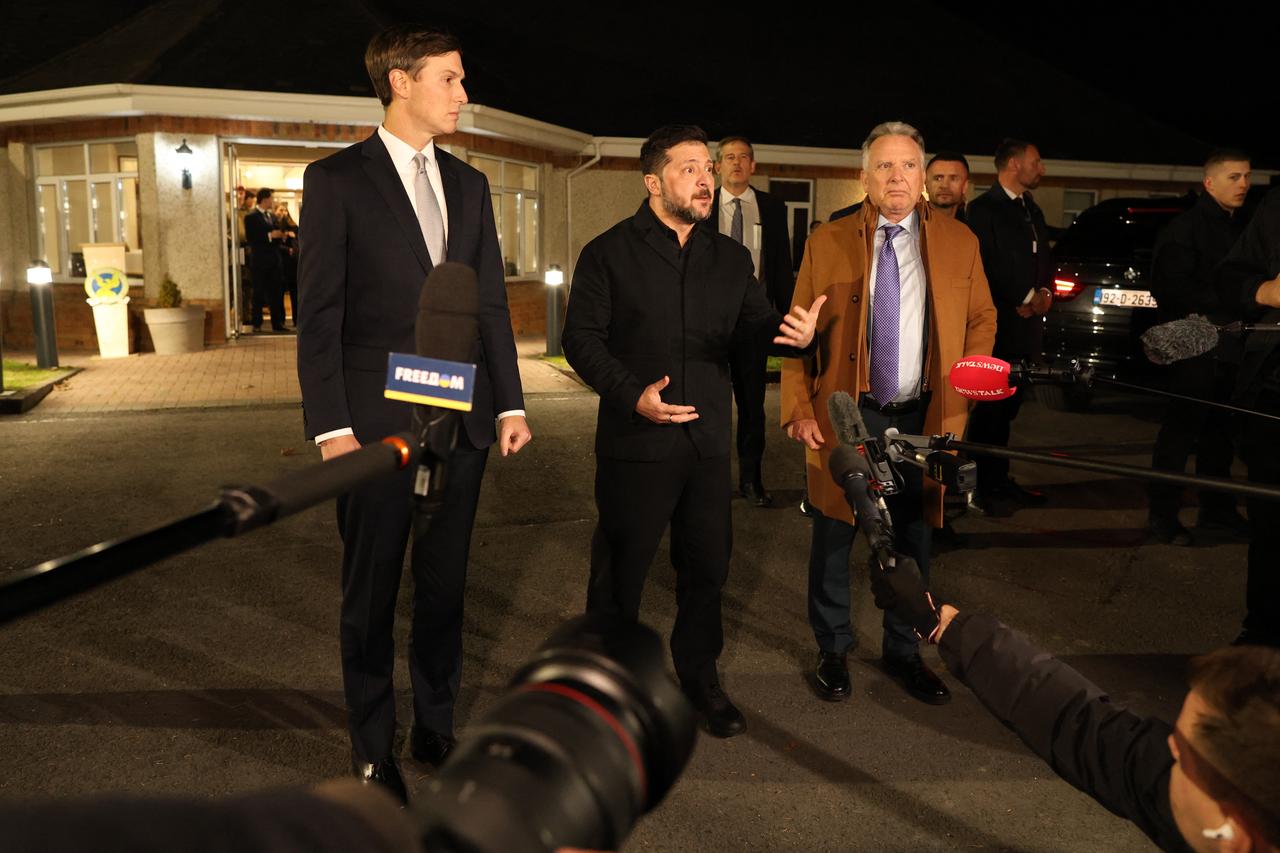
Kushner said he had agreed with Ukrainian President Volodymyr Zelenskyy to maintain contact, including through Kyiv's negotiating team.
“We will begin discussing these interconnected issues in parallel, with the understanding that, apart from humanitarian measures, nothing will be finalized until a comprehensive agreement is reached,” he said.
The U.S. envoy also said negotiators were working toward what he described as the “largest” prisoner exchange of the war, one of the key issues emerging from the latest Abu Dhabi discussions.
He expressed hope that both sides would demonstrate the willingness necessary to carry out the exchange, adding that details of the next negotiating rounds and their schedules would be announced soon.
“President Trump is determined to end this horrible war. Significant differences remain, but we are encouraged by the progress made.
We will undertake whatever hard diplomatic work is necessary to find a breakthrough that ends the fighting," Kushner added.
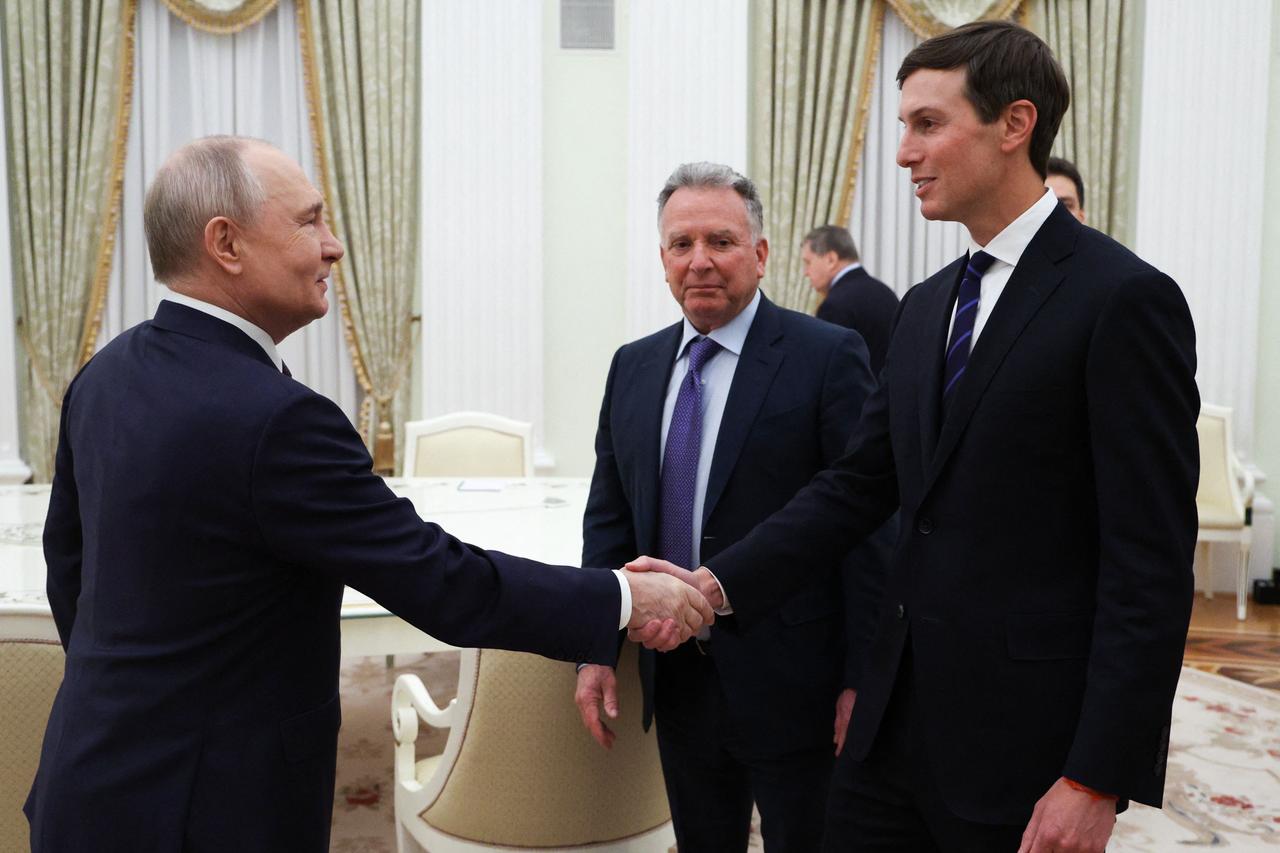
The diplomatic developments followed further contacts involving U.S., Russian and Ukrainian officials, including discussions with Russian President Vladimir Putin in Moscow and Zelenskyy in Dublin.
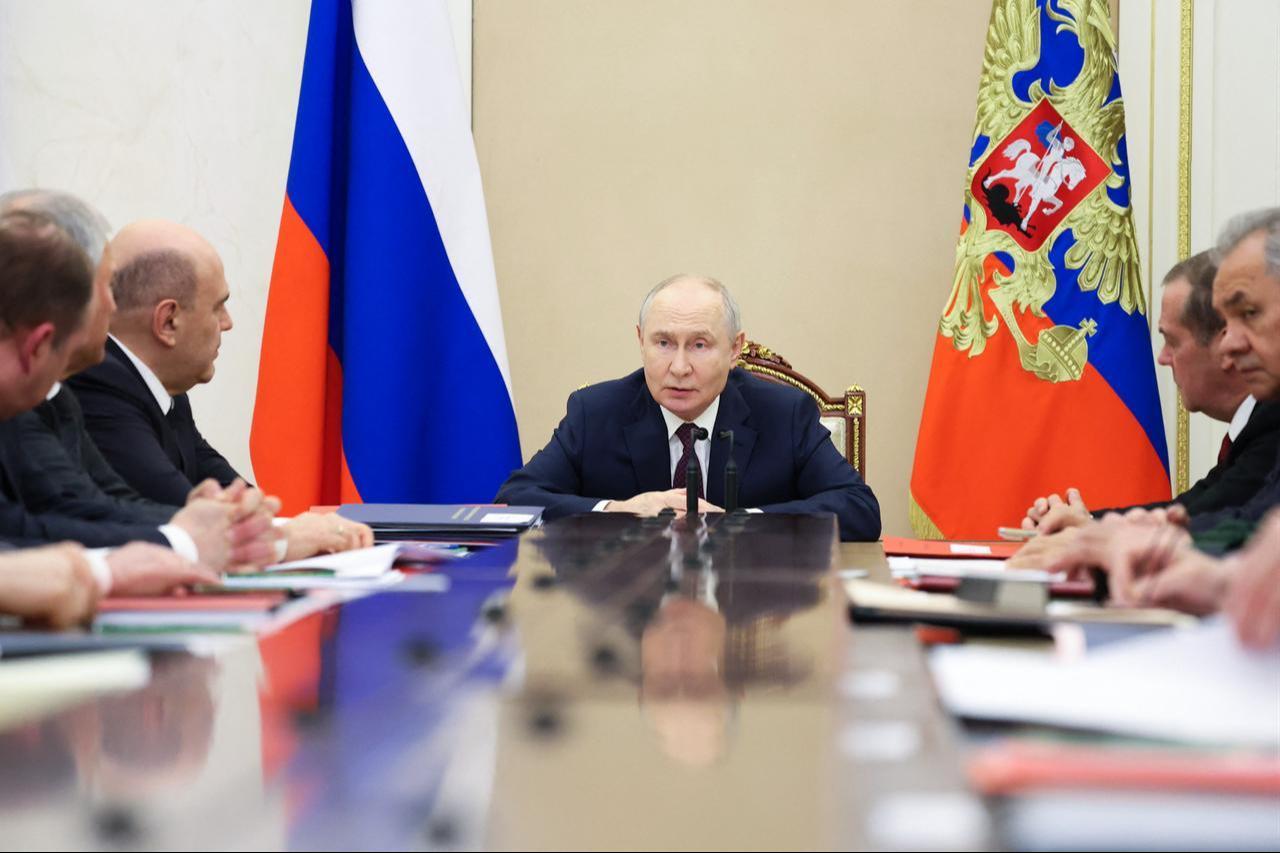
Following talks at the Kremlin on Thursday, Russian presidential aide Yury Ushakov said Moscow was prepared to begin discussions with Washington on the parameters of a new European security architecture.
He said Russia hoped European countries would support efforts to establish the framework, which Moscow was ready to discuss immediately "in tandem" with the United States.
Ushakov also criticized Europe's approach to the negotiations, arguing that European governments needed to decide whether they sought peace or wished to continue the war.
"So far, all their practical actions point to the latter," he said.
Russian authorities had not directly commented on Kushner's announcement about European participation in the next round of negotiations.


 Set as preferred source
 Set as preferred source


 1 min read
 1 min read