Newsletters


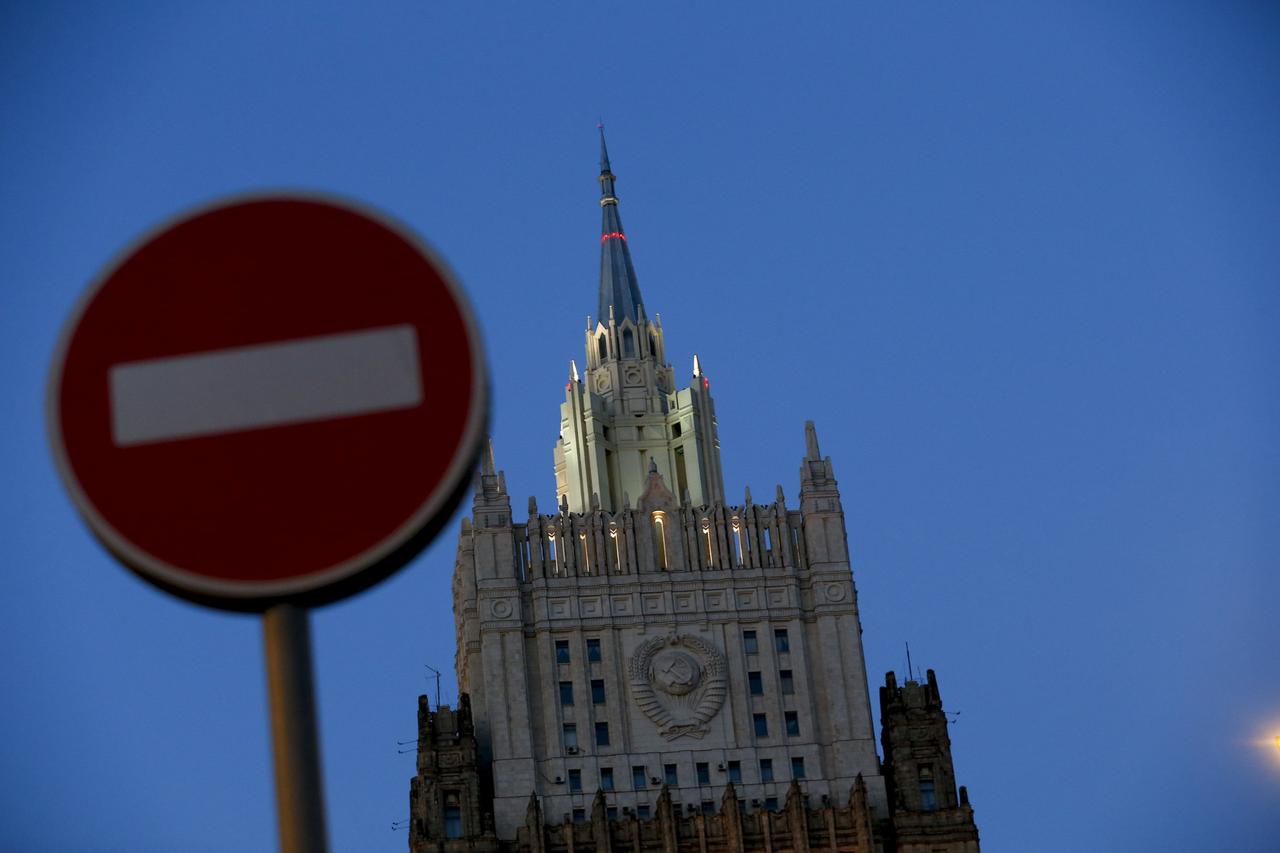


Russia’s Foreign Ministry summoned Belgium’s ambassador to Moscow, Michel Gerebtzoff, to protest statements by Belgian officials that portray Russia as a threat to Europe, the ministry said in a written statement.
During the meeting, Russian officials told the ambassador that what they described as a recent increase in Belgian allegations about hybrid threats, sabotage activities and direct military threats originating from Russia was “baseless,” the ministry said. It added that Moscow rejected the claims categorically.
The ministry said some Belgian officials had used openly aggressive language that deliberately casts Russia as an enemy. According to the statement, such rhetoric fuels tension and raises the risk that the confrontational atmosphere it helps create could spiral out of control.
“Openly aggressive” remarks by some representatives of Belgian authorities were driving further escalation, the ministry said, and increasing the danger of a loss of control over the confrontation.
Russia urged the Belgian side to weigh the consequences of its statements and to reduce anti-Russian rhetoric, which the ministry said is contributing to rising tension on the European continent.
The statement, as provided, did not identify which Belgian officials or which specific remarks prompted the summons, nor did it detail the allegations of sabotage or hybrid activity that Moscow rejected.
Relations between Russia and Western European governments have been strained since Russia launched its full-scale invasion of Ukraine in February 2022.
Belgium is a member of both NATO and the European Union, and Brussels is home to NATO’s headquarters and to many of the EU’s main institutions. The term “hybrid threats” is commonly used by Western governments to describe a mix of non-conventional tactics, such as sabotage, cyberattacks and disinformation, that fall short of open armed conflict.


 Set as preferred source
 Set as preferred source


 1 min read
 1 min read