Newsletters


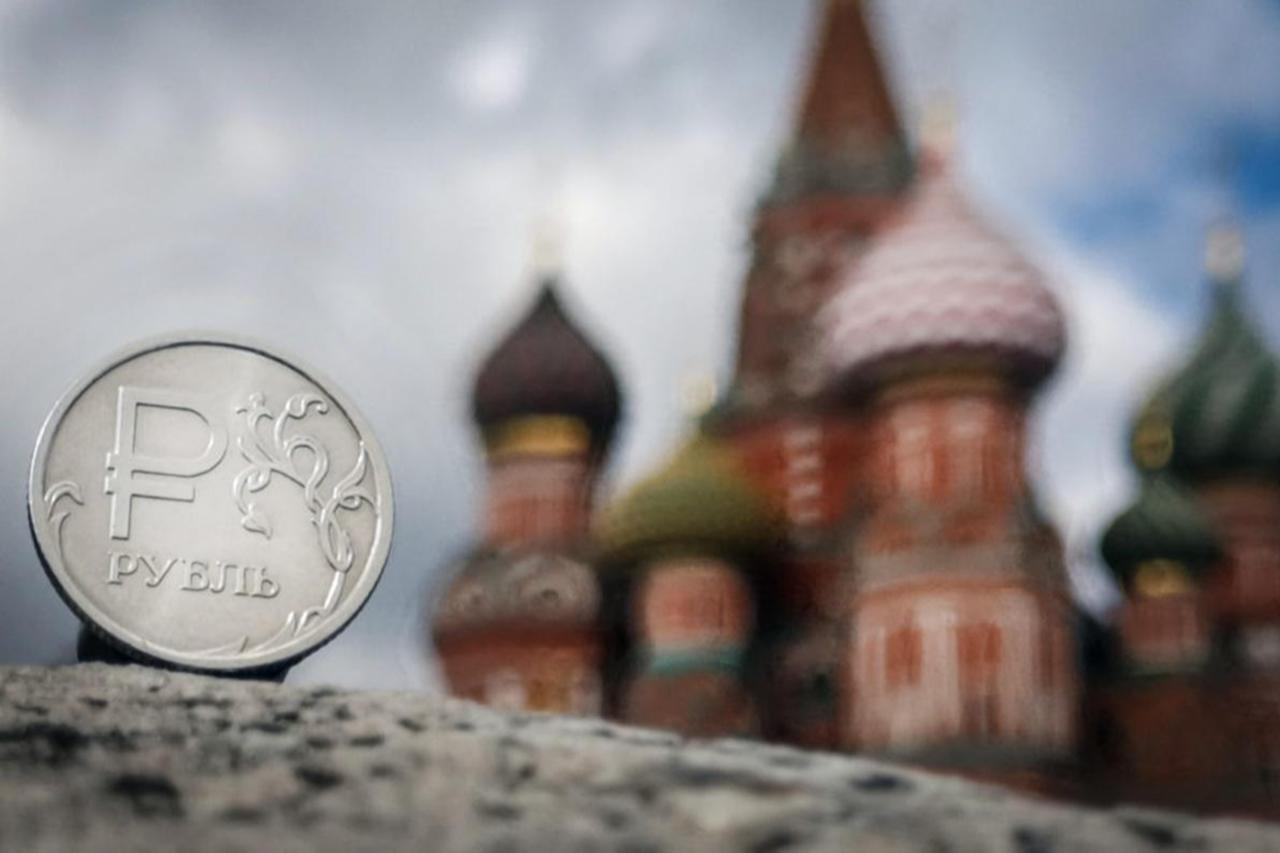


A Russian appeals court on Thursday dismissed a challenge by Euroclear to a Moscow ruling that ordered the Belgium-based securities depository to compensate Russia's Central Bank for assets frozen under European Union sanctions, a legal representative for Euroclear said.
Maxim Kulkov, managing partner at law firm Kulkov, Kolotilov & Pokryshkin, which represents Euroclear in the proceedings, announced the outcome to reporters in Moscow.
"The appeal was dismissed," he said, adding that the original May 15 ruling by the Moscow court of first instance, which found in favor of the Central Bank of the Russian Federation, now stands.
Euroclear maintains it does not recognize the Russian court's jurisdiction and that any such claims are without legal standing under EU law.
The depository "strongly disputes" the Central Bank's claims, Kulkov said, characterizing them as unfounded.
The lawsuit stems from the EU's sweeping asset freeze imposed on Russia following the outbreak of the conflict in Ukraine in February 2022.
The Central Bank of Russia filed the claim seeking compensation for assets and income it said became inaccessible as a result of those restrictions. In May, a Moscow court upheld the claim in full.
Euroclear, headquartered in Brussels, serves as the primary custodian for the bulk of Russian sovereign assets immobilized in Europe.
The EU froze approximately 210 billion euros in Russian central bank assets, with Euroclear holding around 193 billion euros of those funds. The Central Bank filed the lawsuit in December 2025, seeking 18.2 trillion rubles, equivalent to roughly $250 billion, covering the value of the frozen funds, blocked securities, and lost profits.
Euroclear has separately filed suit in a Brussels commercial court to void the Moscow judgment, arguing that Belgian courts hold exclusive jurisdiction over the depository given its headquarters location.
The company has consistently maintained that the asset freeze is legally required under EU sanctions law and that no Russian court ruling can compel it to act otherwise.
The EU began redirecting interest income earned on the frozen Russian assets to help fund Ukraine's military and reconstruction needs starting in 2024, a policy Russia has characterized as unlawful.
Thursday's ruling is one in a series of legal battles pitting Russian state institutions against Western financial infrastructure as Moscow pursues compensation through domestic courts for assets frozen under international sanctions.
The Bank of Russia had also filed a motion in late May 2026 seeking immediate enforcement of the Moscow judgment, with the Central Bank signaling it would pursue enforcement in jurisdictions outside the EU.
Western legal experts and Euroclear have noted that Russian court orders carry no enforceable weight under EU law, and that the frozen assets remain immobilized regardless of any domestic Russian ruling.


 Set as preferred source
 Set as preferred source


 1 min read

 1 min read