Newsletters


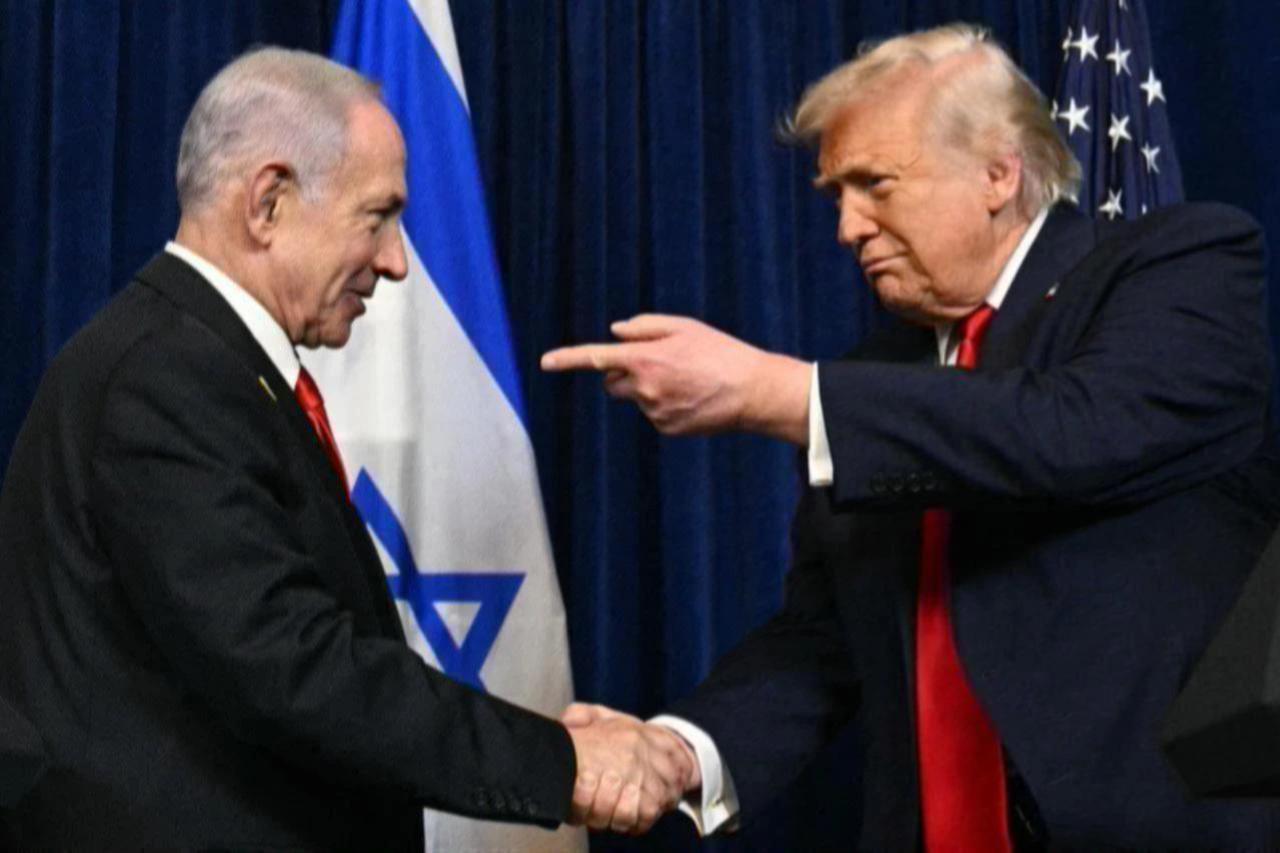


The White House said Thursday that President Donald Trump agrees that foreign countries attempt to shape American public opinion, after Vice President JD Vance used a high-profile podcast appearance to accuse elements within the Israeli government of running a covert influence campaign to keep the United States engaged militarily against Iran.
Vance made the remarks during a nearly three-hour interview on "The Joe Rogan Experience" that aired Wednesday, offering some of the sharpest public criticism of a close American ally by a sitting vice president in recent memory.
Asked at a press briefing whether the president endorsed his deputy's characterization, White House Press Secretary Karoline Leavitt did not address the Israel accusation directly. She affirmed the underlying premise.
"I think the President would certainly agree that, yes, foreign countries certainly do try to persuade American public opinion," Leavitt said. "There's no doubt about that. I think it's just a basic fact."
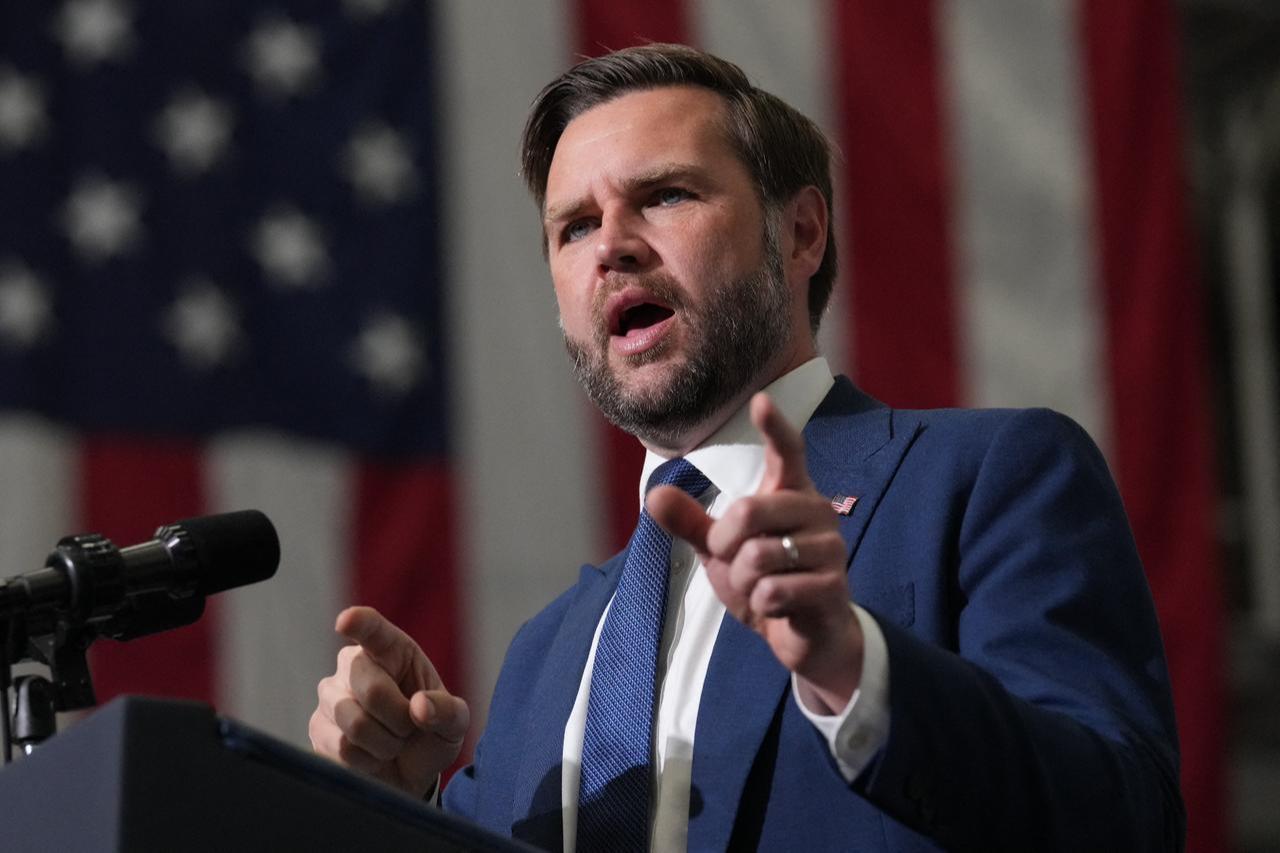

Speaking to Rogan on one of the most widely listened-to platforms in the world, Vance said he had no doubt that certain figures within Israel's government were actively working to turn American opinion against the diplomatic path Washington has pursued with Tehran.
"There are some people within their system that we know beyond a shadow of a doubt who are manipulating and trying to change American public opinion to keep the war going on indefinitely," he said.
The goal, Vance argued, was to prolong the conflict without any defined strategic end, not toward any objective but simply to keep fighting.
He described the operation as "a very discreet, extremely well-funded campaign" aimed at derailing U.S.-Iran negotiations, and said he had faced what he called vicious personal attacks for his role in pursuing a deal with Tehran.
His message to critics was unambiguous. "Go to hell," he said. "I'm going to do what I have to do for the American people."
The remarks came days after Time magazine published an investigation identifying Brad Parscale, Trump's former presidential campaign manager, as a central figure in the operation.
According to the report, global advertising agency Havas hired Parscale's firm, Clock Tower X, in September 2025 to conduct a digital campaign on behalf of the Israeli government, an arrangement documented in Foreign Agents Registration Act filings.
Under the contract, Parscale's operation was required to produce 100 original pieces of content each month, with at least 80 percent aimed at Generation Z audiences across TikTok, Instagram, YouTube and podcasts, and to deliver a minimum of 50 million digital impressions per month. The deal was reportedly valued at $1.5 million per month.
Vance cited the Time investigation directly during the interview. "There's a literal foreign influence campaign being funded to tank the very deal that I was pursuing," he said.
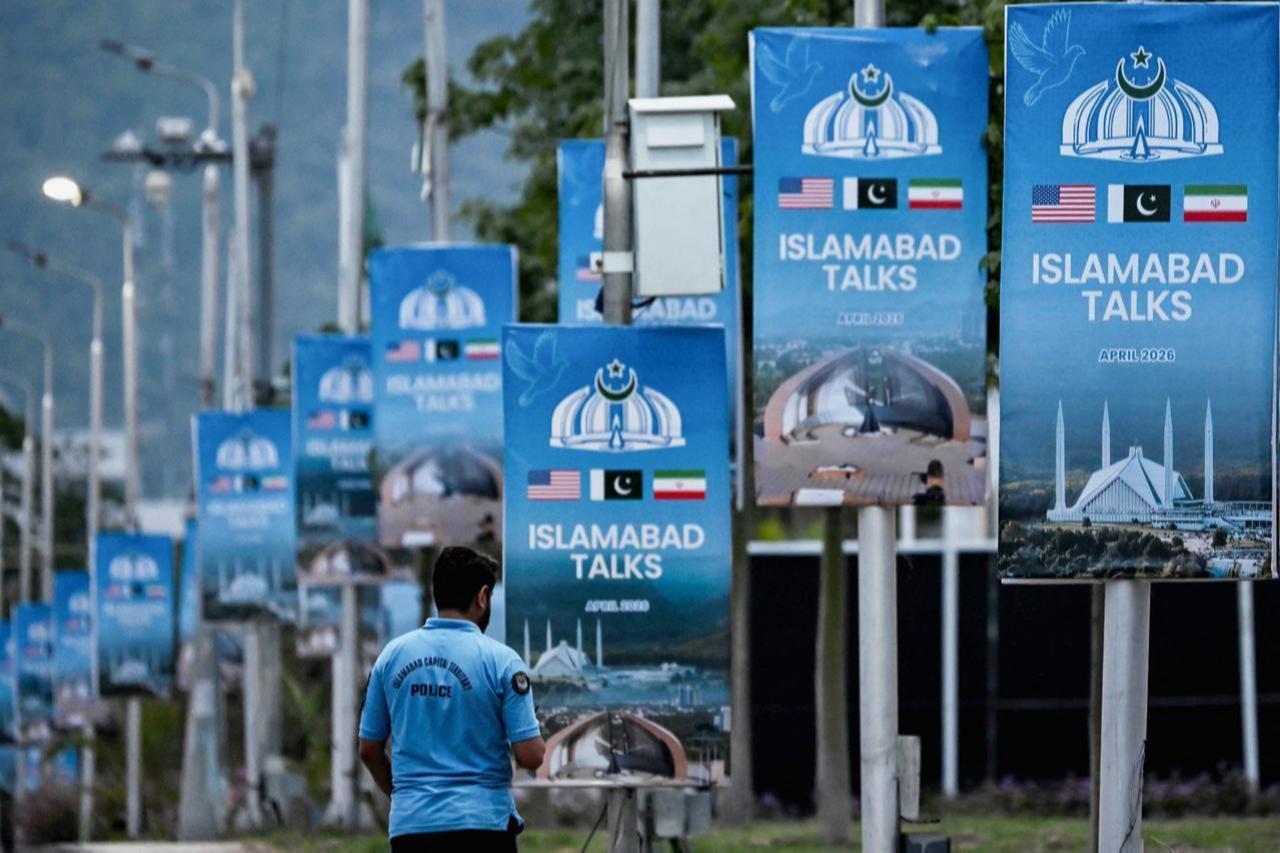
The influence operation drew heightened White House scrutiny following the U.S.-Iran ceasefire reached on June 17. Administration officials monitoring online reaction noticed that a wave of MAGA-aligned influencers had posted near-identical messages criticizing both the agreement and Trump's policy almost simultaneously, using similar language and framing.
A senior U.S. official who began collecting the posts concluded the activity was coordinated rather than organic, and ultimately traced it back to Parscale.
Parscale, for his part, has maintained that much of the pro-Israel content appearing on social media was organic and not controlled by a state-funded operation.
The campaign's results have frustrated its funders. An Israeli Foreign Ministry official familiar with the arrangement told Time: "We are pissed at Brad Parscale.
He was supposed to make things better. We have paid him lots of money. But what did he do with it?"
Polling bears out that frustration. As of April, 60 percent of Americans held an unfavorable view of Israel, up from 53 percent in 2025 and 42 percent in 2022.
Among Republicans aged 18 to 49, unfavorable views rose from 50 to 57 percent over the same period.
 1 min read
Vance's choice of venue was itself seen as deliberate. Rogan's podcast commands one of the largest and most politically diverse audiences in American media, and analysts noted that the vice president appeared to be speaking directly to a MAGA base increasingly skeptical of U.S. support for Israel.
Vance was careful to draw a line between Israeli officials he said he respected and those he believed were behind the influence effort. "There are people within their government that I love, I have good relationships with," he said.
"I hope, and I don't think that they're part of this."
The Foreign Agents Registration Act, which requires individuals working on behalf of foreign governments to disclose that activity to the Justice Department, has become a recurring flashpoint in debates over Israeli lobbying and public relations efforts in the United States.
The law dates to 1938, when Congress enacted it in response to concerns about Nazi propaganda operations on American soil.


 Set as preferred source
 Set as preferred source



 1 min read