Newsletters


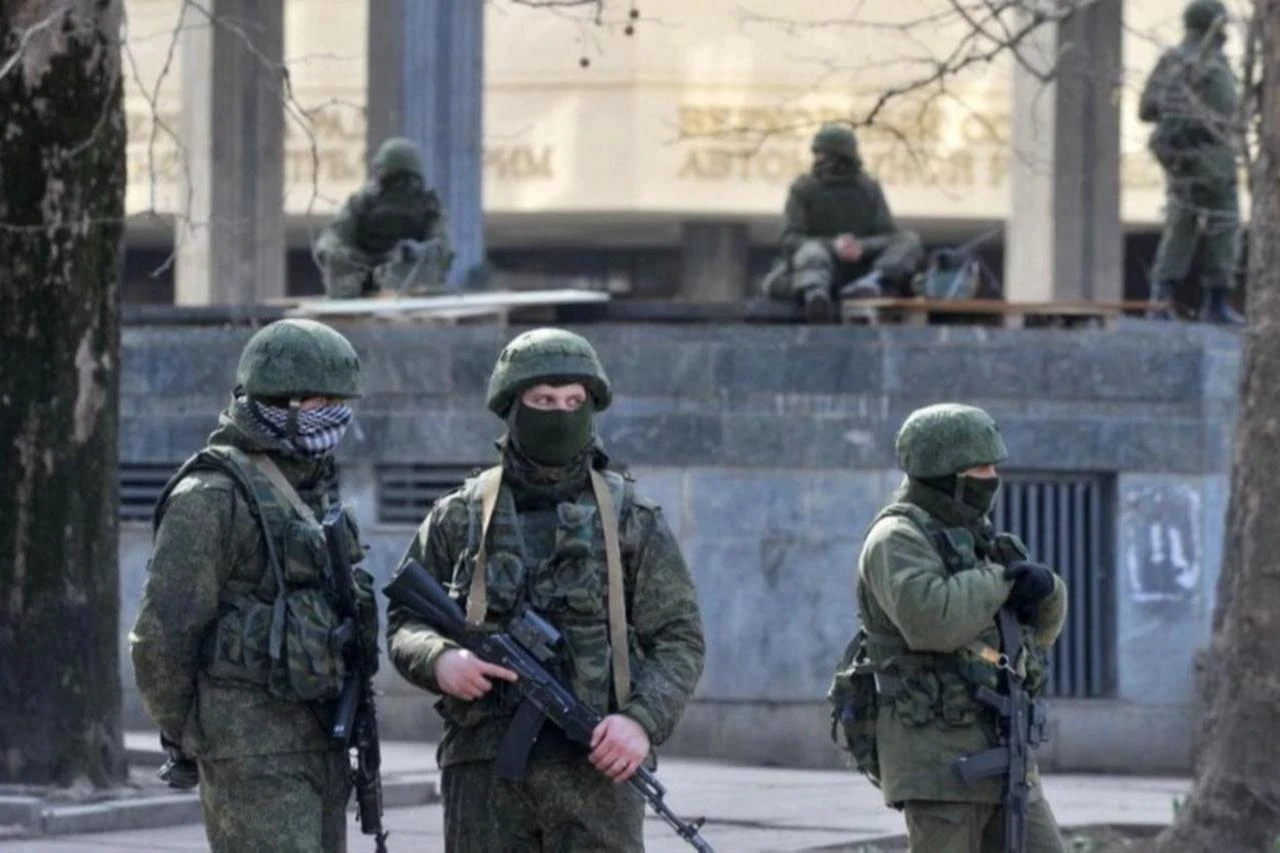


Russian recruits arriving on the battlefield in Ukraine have an estimated life expectancy of between 20 and 30 minutes, CIA Director John Ratcliffe said Wednesday, attributing the deadly conditions to Ukraine’s use of low-cost, AI-powered combat drones.
Speaking at the Pennsylvania Defense and Innovation Summit, Ratcliffe said U.S. intelligence assessments were consistent with recent open-source reports about the survival rate of Russian soldiers sent to the front.
“Our intelligence is consistent with some of the open-source reporting you may have seen in Ukraine,” Ratcliffe said. “The average life expectancy of a Russian recruit right now, arriving on the battlefield in Ukraine, is estimated to be between 20 and 30 minutes.”
“That’s because AI-powered drones have gotten to be such specialized, low-cost killing machines,” he added.
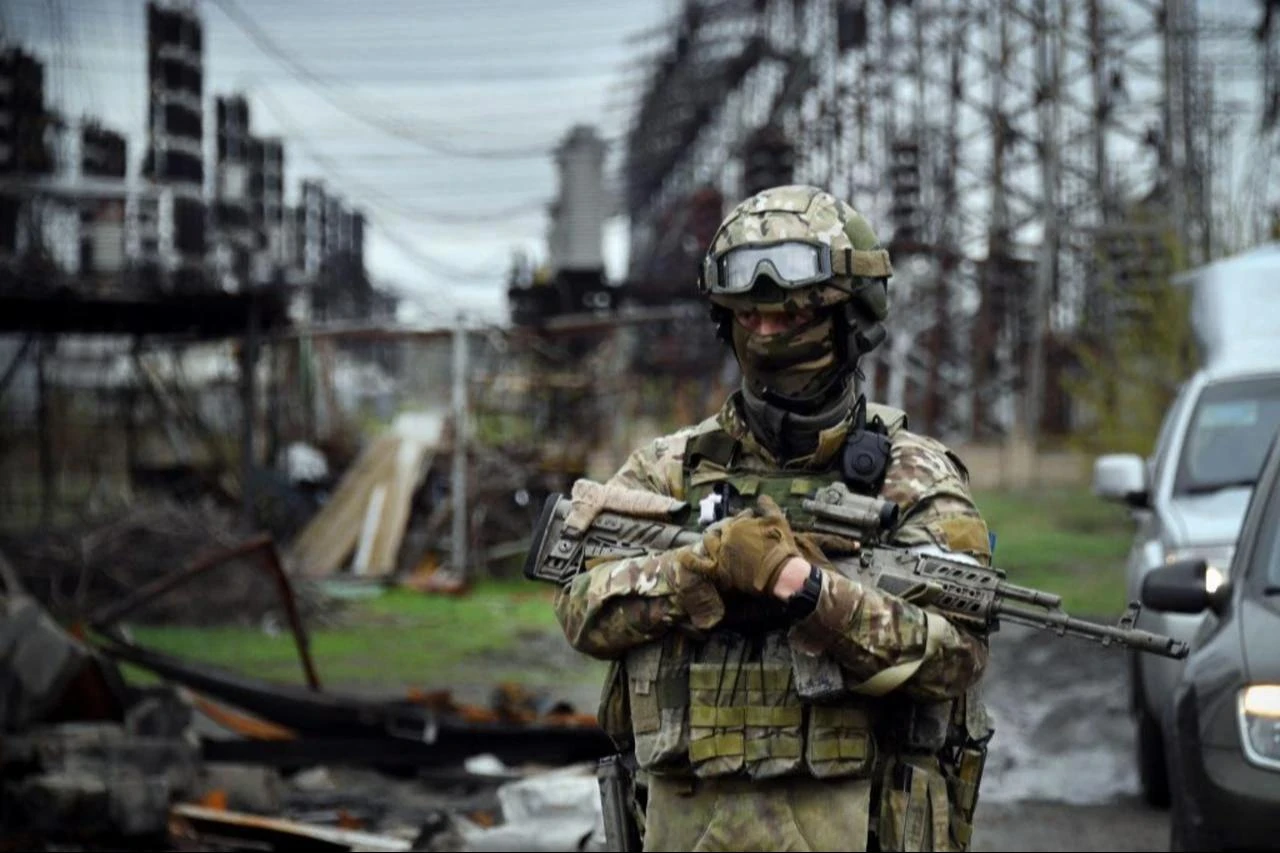

Ratcliffe’s remarks marked the first time a senior U.S. intelligence official publicly affirmed the battlefield life expectancy trend recently reported by Russian military bloggers.
Several pro-war commentators, some described as having connections to the Kremlin or Russian ground forces, said in May that new recruits commonly survived between 10 days and three weeks after reaching their training grounds.
One blogger writing under the name “House among the Laurels” said the final stage of a recruit’s military service was often a frontal assault, Russia’s primary method of attempting to seize Ukrainian territory.
The blogger said such assaults generally lasted between 20 and 35 minutes before the soldiers involved were killed.
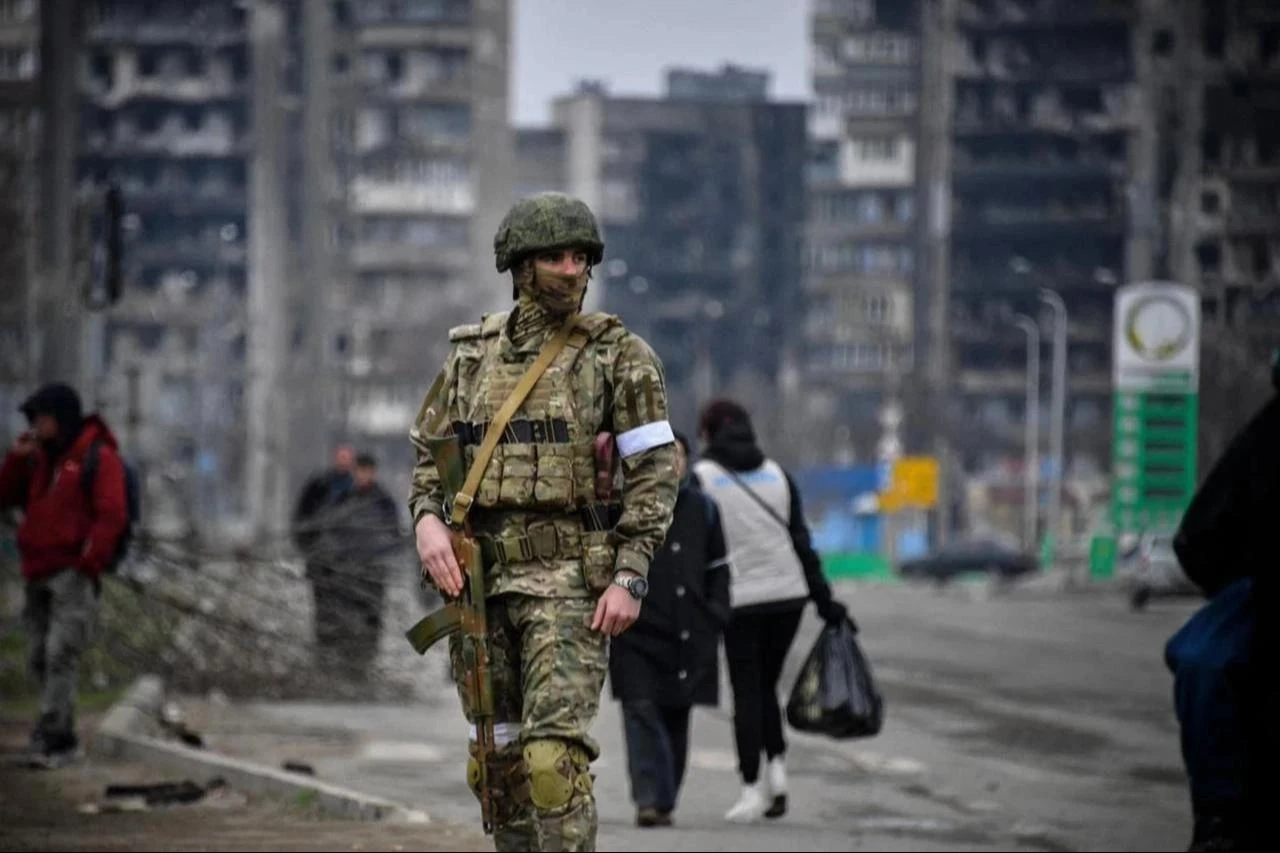
Ukraine said this month that Russia had lost about 1.4 million troops since launching its full-scale invasion in February 2022, with more than 1,000 Russian soldiers killed or wounded nearly every day.
Ukraine’s Defense Ministry said in May that its forces were killing approximately 200 Russian soldiers for every kilometer of territory captured by Moscow.
European and Ukrainian officials have said Russian casualty levels have reached record highs. Ukraine’s top general told NATO allies in May that Russia was losing at least 1,000 soldiers each day.
Researchers at the Center for Strategic and International Studies said more than 2 million soldiers from both sides had been killed or wounded since the invasion began, with Russia accounting for about 1.4 million of those casualties.
The researchers estimated that as many as 450,000 Russian soldiers had been killed, describing it as the highest battlefield death toll suffered by a major power since World War II.
CSIS analysts Seth G. Jones and Riley McCabe said the Russia-to-Ukraine casualty ratio had likely risen to nearly 8-to-1 during the first half of 2026, compared with between 2-to-1 and 3-to-1 during much of the war.
The analysts said they examined 20,000 incidents involving Ukrainian strikes against Russian targets to produce their findings.
Their analysis estimated that Russia was losing about 30,000 troops each month, exceeding its monthly recruitment rate of about 27,000.
Ratcliffe said Russia had captured only about 1% of Ukraine’s total territory during the 18 months since he became CIA director.
“The pace of their advance has stopped as Ukraine’s mastery of emerging technologies,” Ratcliffe said.
He said Ukraine’s ability to use emerging technology had allowed a smaller force to resist Russia for more than four years.
“The takeaway is that the mastery of these emerging technologies is every bit as important as military strength,” Ratcliffe said. “That’s why an inferior force, four and a half years later, has held off the superior force of Russia.”
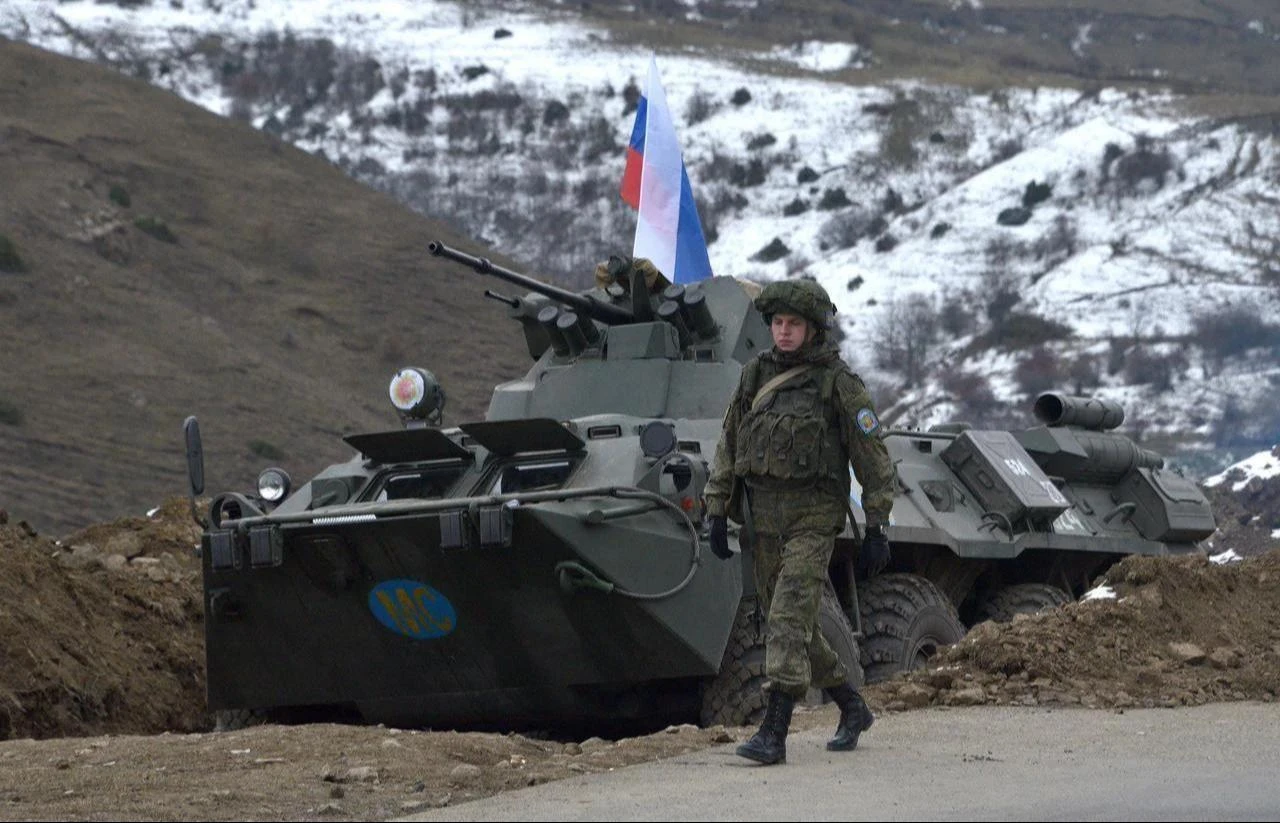
Ratcliffe said the U.S. needed to study the lessons of Ukraine’s drone warfare and ensure it remained a leader in emerging military technology.
“The pace of their advance has stopped as Ukraine’s mastery of emerging technologies and, in this case, drone warfare, asymmetric warfare, is such a great equalizer,” he said.
Ratcliffe added that the technology demonstrated why the U.S. needed to lead in the sector to maintain its position in the global marketplace.
His comments came as Washington and European allies moved to finance Ukraine’s drone programs and secure access to the technology developed during the war.
The European Union and Ukraine signed a drone-production agreement in Kyiv worth more than $6 billion one day before Ratcliffe’s remarks.
Ukrainian President Volodymyr Zelenskyy also said last week that progress had been made on a package of multibillion-dollar agreements with the U.S.


 Set as preferred source
 Set as preferred source


 1 min read

 1 min read