Newsletters


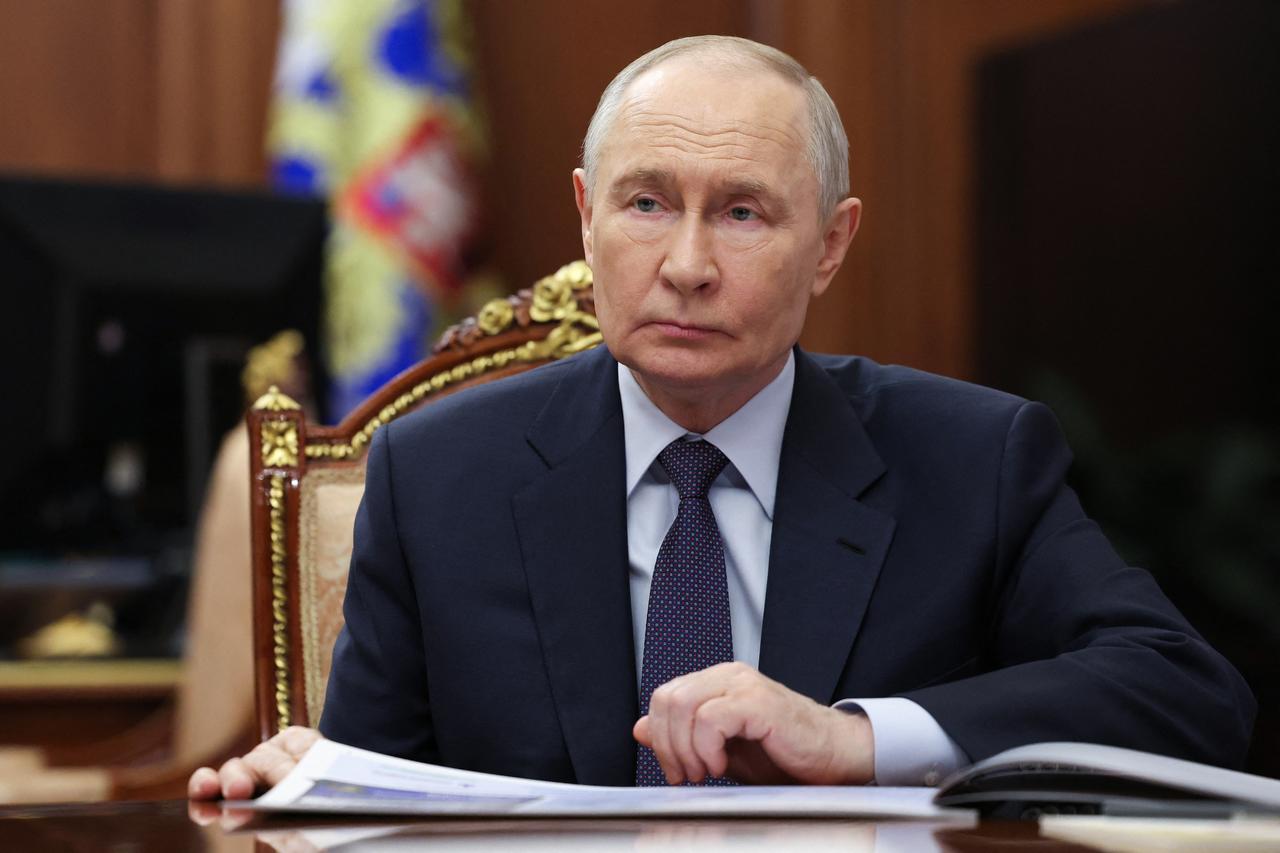


Russia's economy remains under severe strain despite a rise in oil revenue linked to the war in the Middle East, Sweden's military intelligence chief said.
He warned that Moscow continues to face systemic problems, possible financial instability and growing limits on its ability to sustain the war in Ukraine.
Thomas Nilsson, head of Sweden's Military Intelligence and Security Service, told the Financial Times that Russia would need prices for Urals crude, its main oil blend, to stay above $100 a barrel for a year to close its budget deficit and for much longer to address wider economic problems.
He said Russia's economy had not recovered even as higher oil prices boosted Kremlin revenues.
Nilsson said Russia continues to face structural weaknesses despite the increase in oil income.
"They still have a systemic problem," he said.
He said it was not a sustainable model for Russia to drive growth by producing war materiel that is later destroyed on the battlefield.
According to Nilsson, Russia would face even greater difficulty financing its invasion of Ukraine, now in its fifth year, if the U.S.- and Israel-brokered ceasefire with Iran holds and oil prices stabilize.
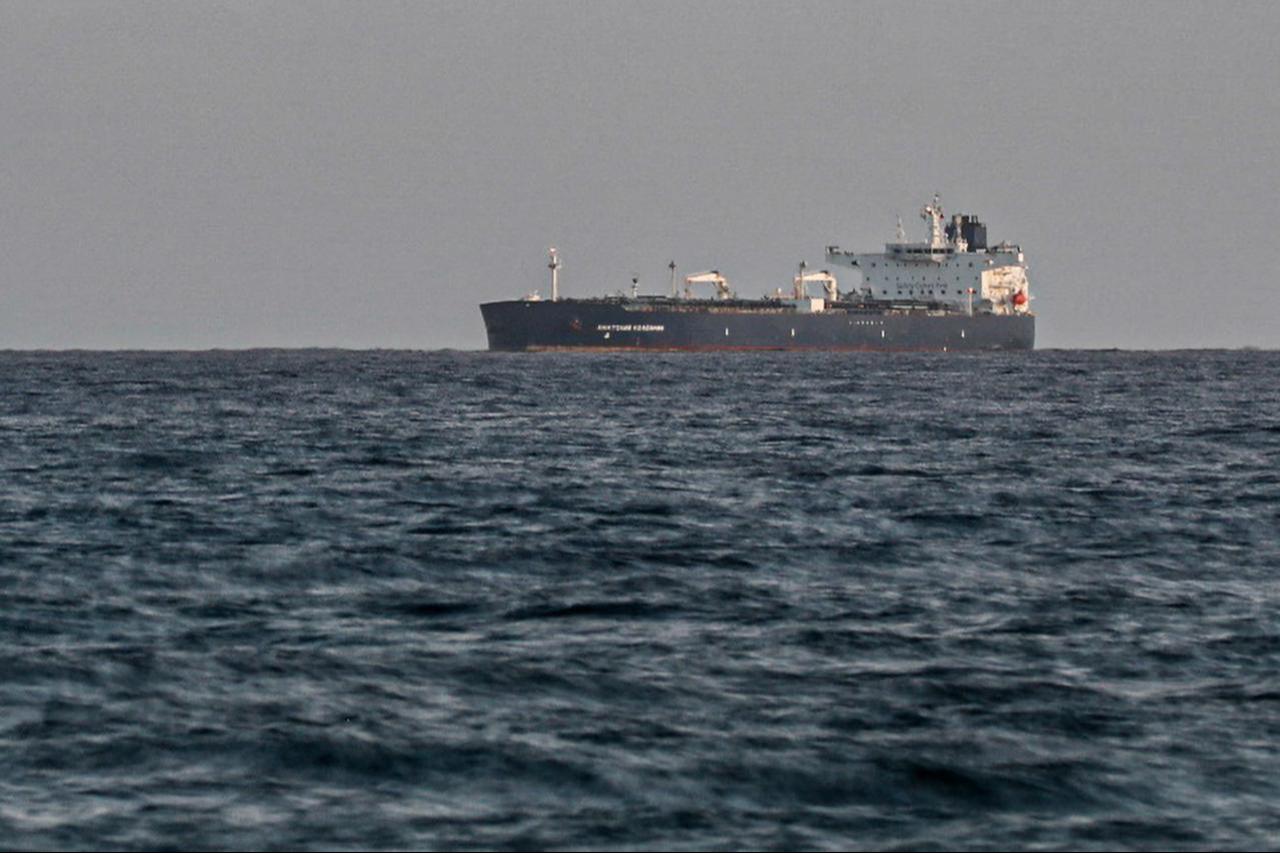
Russian President Vladimir Putin has acknowledged that the economy is performing below expectations and warned that the increase in oil revenue from the Middle East war, which could amount to as much as an extra $150 million a day, would be short-lived.

Nilsson said Russia's economic problems had spread into the defense sector, which has accounted for much of the country's growth while the civilian economy struggles.
He said Moscow is redirecting money toward areas where the character of the war is changing, especially unmanned systems and long-range weapons.
But outside the drone sector, Nilsson said Russia's military-industrial complex is loss making, marked by corruption and embezzlement, and reliant on loans from state-run banks.
Nilsson said Sweden has intelligence indicating that Russia is systematically manipulating economic data to make Western allies of Ukraine believe its economy has withstood the pressure of war spending and sanctions.
He said the real situation is worse than official Russian data suggests.
Russia's own figures already point to difficulties. Putin said last week that Russia's GDP contracted 1.8% in January and February, including declines in industrial production and construction, sectors important to the war effort.
Russian central bank governor Elvira Nabiullina said a day later that external conditions were worsening on an almost constant basis for both exports and imports.
Nilsson said the Russian central bank was also underestimating inflation, which he said was closer to the 15% key interest rate than to the official 5.86%.
Nilsson said Sweden agrees with Germany's foreign intelligence agency, the BND, that Russia is understating its budget deficit by $30 billion.
He also said Sweden had identified financial indicators that could point to a future banking crisis.
"If you have created a system like Putin has, he might not know how bad the economic situation really is. But even with the false info he gets, you ultimately can't run from all of this," Nilsson said.
He said Sweden believes Russia is "living on borrowed time".
"The Russian economy can only enter one of two scenarios: long-term decline or shock. Either way, they will continue on a downslope to a financial disaster," he said.
Sweden is calling on European countries to approve a stalled sanctions package and increase support for Ukraine in order to exploit Russia's weaknesses.
"Europe is not yet doing everything it can to harm the Russian economy. And I think we have to be willing to pay a price. For ourselves," Sweden's Foreign Minister Maria Malmer Stenergard told the Financial Times in a separate interview.
She said it was "extremely frustrating" that not all EU countries had been willing to change their energy model.
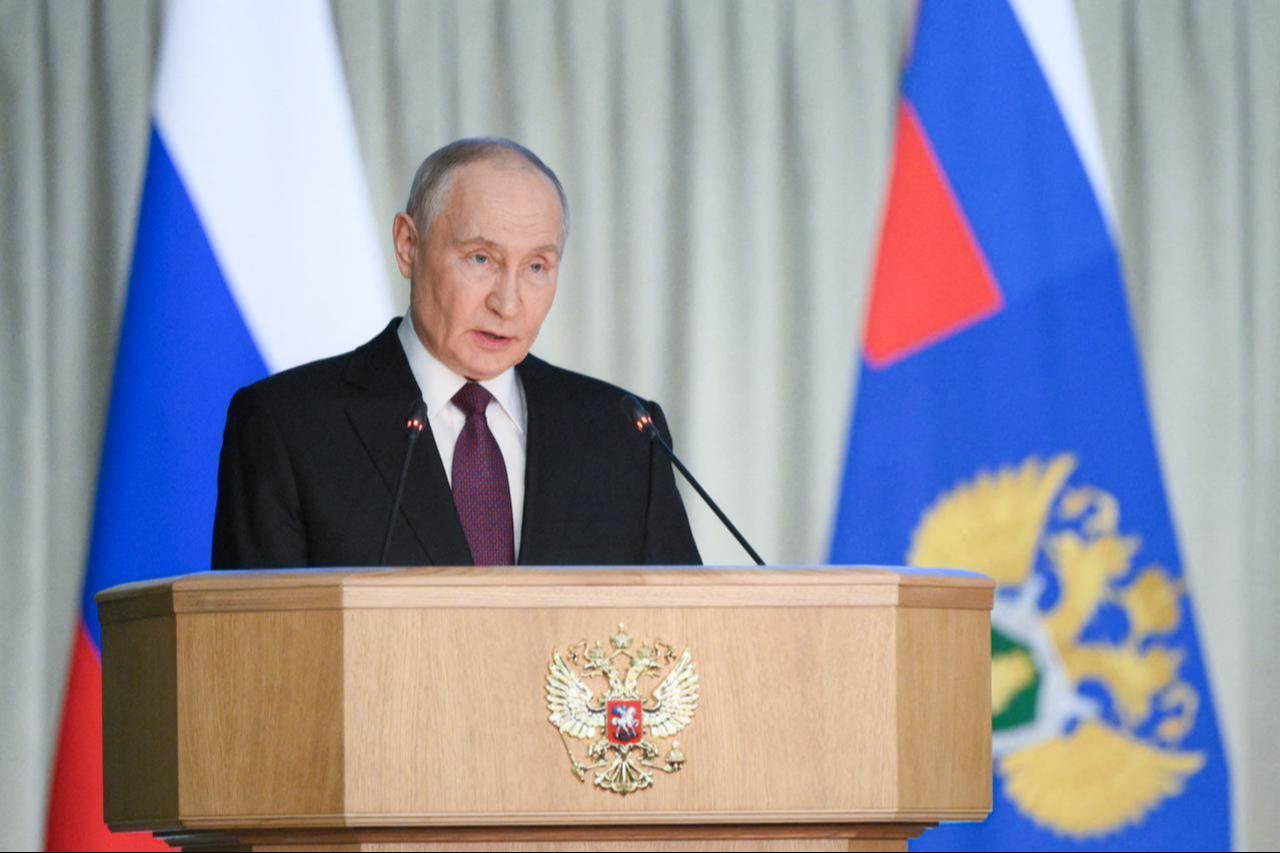
Nilsson said Putin's aim of securing several levers of control over Kyiv has not changed despite worsening economic prospects.
He said Russia was treating U.S.-led peace negotiations as "political theatre" to provide cover for Putin's territorial ambitions.
According to Nilsson, those ambitions may extend beyond Russia's stated goal of taking the whole frontline Donbas region and could include cutting Ukraine off from the Black Sea by capturing Odesa.
"And Kyiv itself might also be on the table," he said.
He added that although Russia's economic problems may not alter the leadership's strategic objectives toward Ukraine, NATO or the EU, they will affect how those goals can be pursued.
"Even if the serious problems in the Russian economy won't change the Russian leadership's strategic goals in the war in Ukraine, or their view of NATO and the EU, it will affect how they can pursue those goals. It will affect how much and how advanced their military capabilities are," he said.


 Set as preferred source
 Set as preferred source


 1 min read
 1 min read