Newsletters


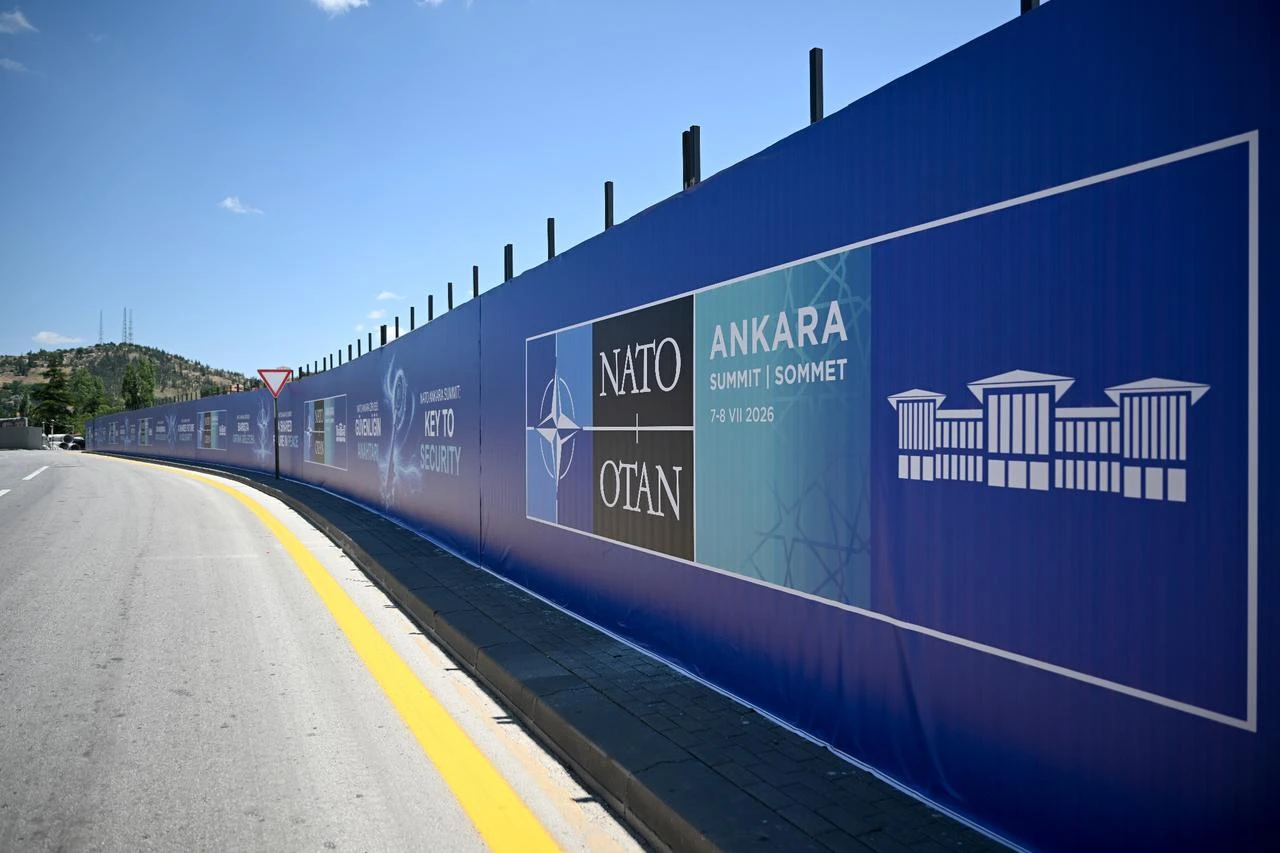


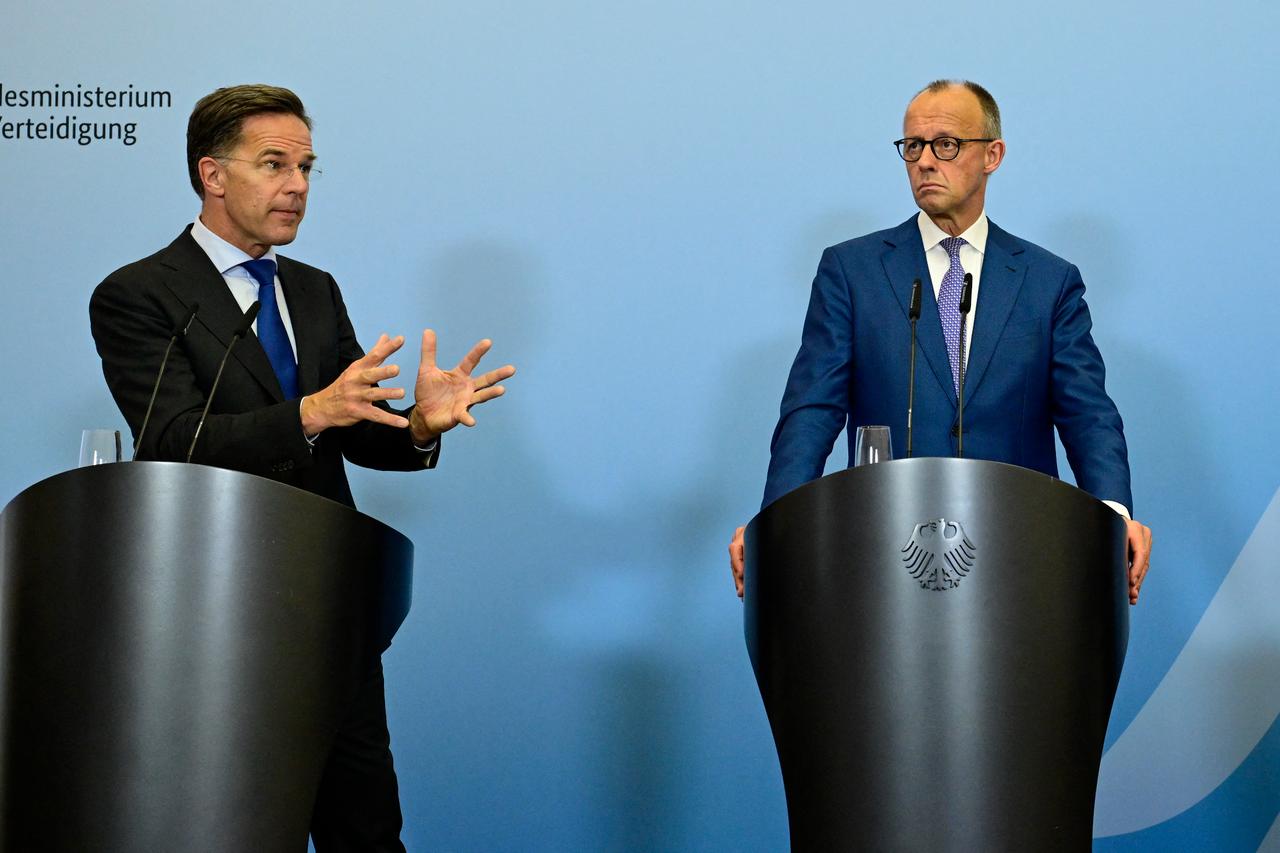
At next week's NATO summit in Ankara, member countries are expected to announce several high-profile defense industry deals following a request from Secretary-General Mark Rutte to time the pipeline announcements for the gathering. According to people familiar with the matter who spoke anonymously to Bloomberg, Rutte asked allies to hold back these defense agreements specifically to highlight them during the summit.
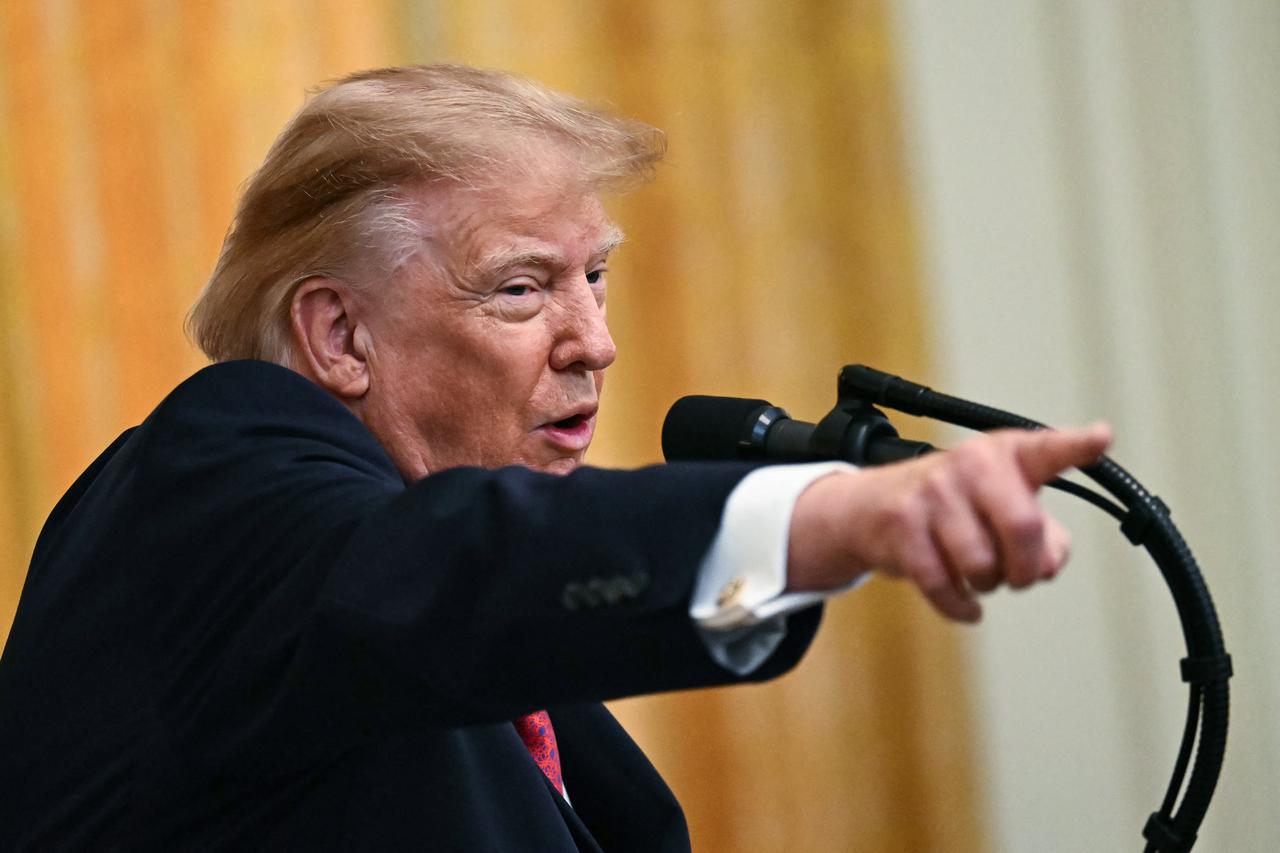
The announcement strategy aims to demonstrate momentum in defense industrial capacity and provide tangible deliverables for U.S. President Donald Trump, who has threatened to withdraw from the alliance and stated he would only attend the Ankara summit out of respect for President Recep Tayyip Erdogan.
During a June 24 meeting with Rutte at the White House, Trump said he was going to "probably do something that's going to make him very happy," signaling the potential resumption of jet engine sales to Türkiye, and described his decision to attend the summit as personal.
"Except for the fact that it was being held in Türkiye by President Erdogan, I don't think I would've gone to it," Trump said.
Rutte has framed the summit around deliverables.
"Allies will demonstrate progress on building a stronger Europe in a stronger NATO," he said, adding, "We need more forces, more resources and a much stronger industrial base."
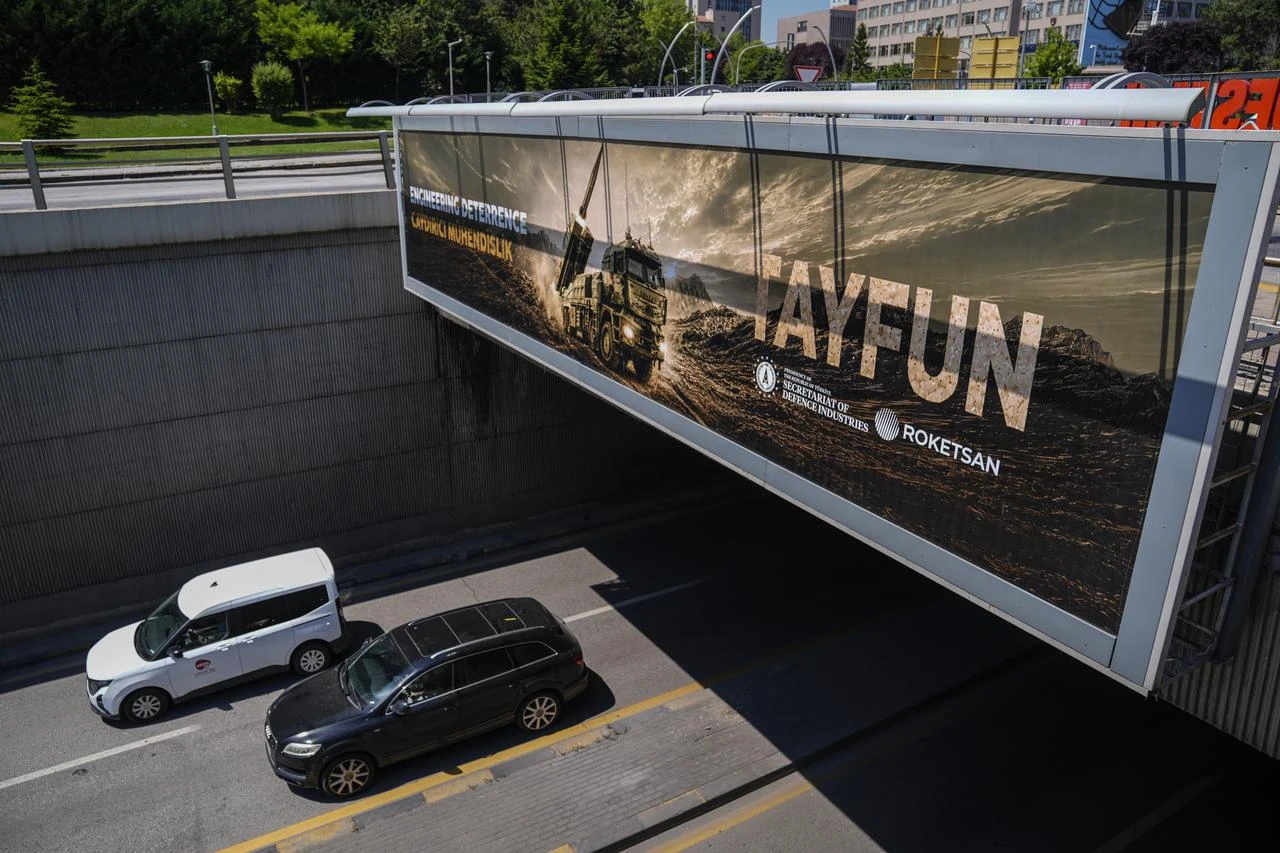

Bloomberg reported that motorcades en route to Türkiye's 1,000-room presidential complex in Ankara will pass military equipment parked outside the capital's exhibition center, where stands showcasing ammunition and electronic warfare systems will highlight Türkiye's flourishing $10 billion arms export industry.
About 56% of Turkish arms sales went to the U.S., Europe and other Western allies last year, a dramatic shift from decades of friction going back to Türkiye's Cyprus Peace Operation in the 1970s.
Turkish defense companies' foreign sales have quadrupled since 2020 as they capitalize on NATO-compatible systems, including armed drones, warships, jet trainers, armored vehicles, and military electronics.
"Historically, Türkiye's value to NATO was seen as stemming mainly from its strategic geography and the size of its military," said Ozgur Unluhisarcikli, head of the German Marshall Fund in Türkiye, who spoke to Bloomberg.
"Increasingly, however, its defense industry has become an equally important asset," he added.
According to plans the Trump administration presented to NATO counterparts in recent weeks, the U.S. cuts include a 30% reduction in available strategic bombers, a nearly complete loss of reconnaissance and attack drones, a 50% cut in naval vessels and a one-third drop in fighter-jet deployment.
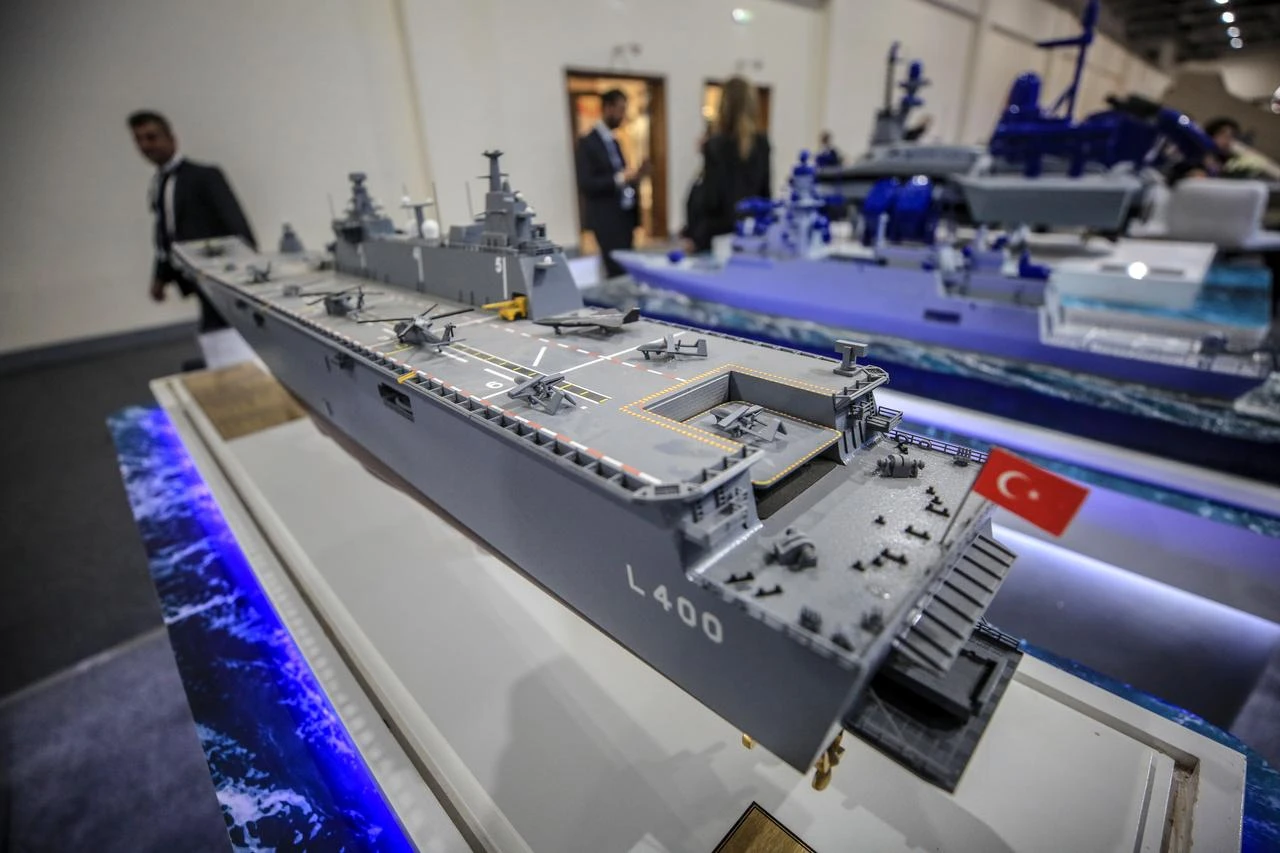
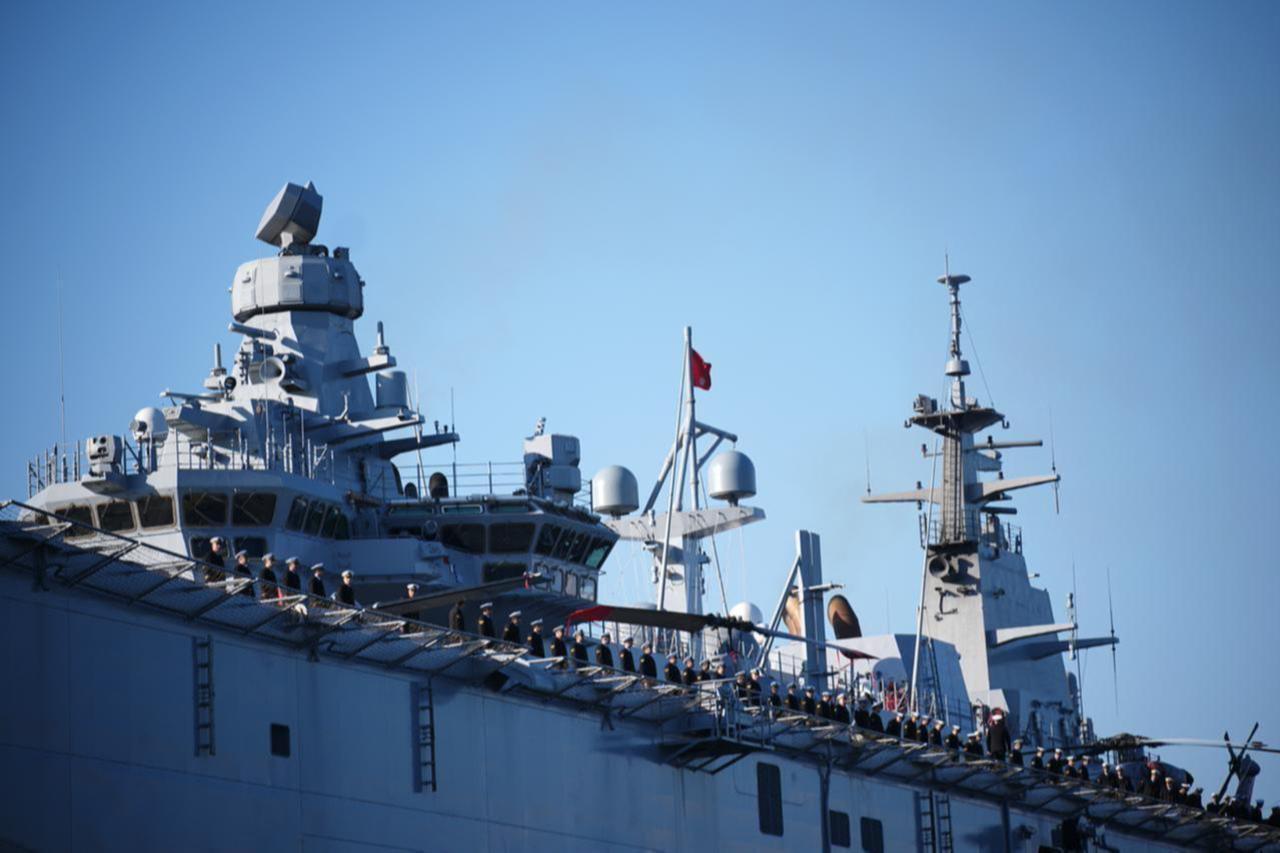
Türkiye sees itself as key to filling this void while also seeking to forge more regional security pacts. Recent examples include Türkiye's export of a naval warship to Romania, a NATO and European Union member bordering Ukraine, marking the first such export in Türkiye's history.
Russia's invasion of Ukraine has boosted demand for Turkish drones and NATO-standard 155mm artillery shells.
Baykar, Türkiye's drone maker, formed a joint venture with Italy's Leonardo to access the European market, while Turkish Aerospace Industries (TAI) agreed to sell 30 Hurjet training aircraft to Spain at the end of last year.
Türkiye is also working to connect underground fuel pipelines as part of a $28 billion NATO infrastructure expansion aimed at strengthening the alliance's fuel security, according to people familiar with the matter.
"Türkiye now offers not only military capabilities," said Unluhisarcikli, "but also a proven defense ecosystem that can deliver equipment quickly and at scale."
According to Turkish National Defense Ministry sources cited by state-run Anadolu Agency (AA), Türkiye contributes nearly 3,000 personnel and various weapons, vehicles and platforms to the alliance.
Türkiye is among only six NATO allies, alongside the U.S., the U.K., Spain, Italy and France, capable of commanding rapid reaction forces at the operational level under NATO's Deterrence and Defense Concept.
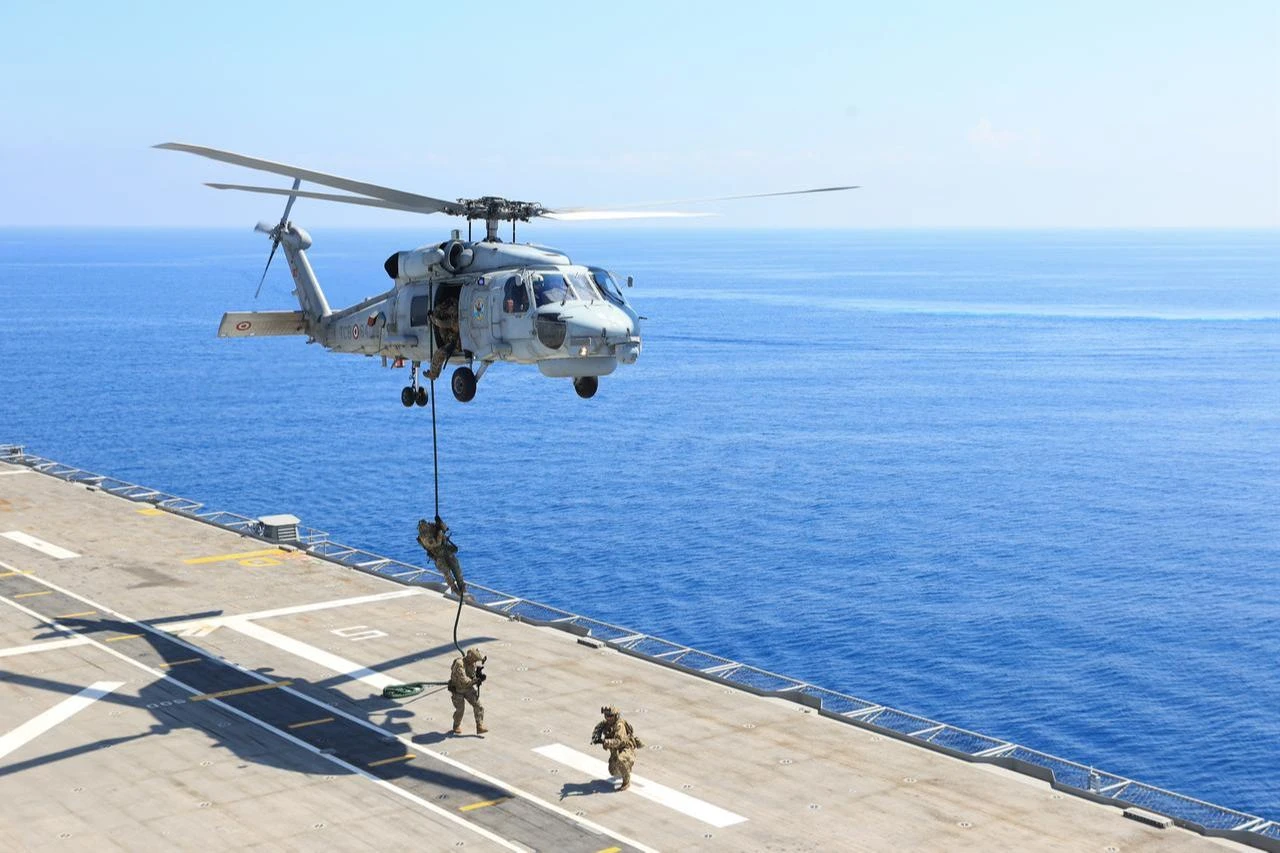
The Turkish Armed Forces (TAF) participated in 34 NATO exercises in 2023, 39 in 2024 and 50 in 2025. During this year's Steadfast Dart exercise in Germany, the TB-3 unmanned aerial vehicle (UAV) launched from the Turkish naval vessel TCG Anadolu successfully struck a designated target above the Baltic Sea, the first time in military history that an unmanned aerial vehicle launched from a ship supported a live-fire exercise.
Starting in 2028, Türkiye will assume leadership of NATO's Allied Reaction Force, one of the alliance's most critical formations.
Türkiye's defense spending reached 2.33% of GDP in 2025, with Türkiye spending $30 billion on defense last year, according to the Stockholm International Peace Research Institute (SIPRI).
Türkiye's 2017 purchase of Russia's S-400 air defense system led to U.S. sanctions and removal from the F-35 program. Trump praised Ankara's role in reaching the recent U.S.-Iran agreement. During his June 24 meeting with Rutte, Trump hinted that jet engine sales to Türkiye could resume following his meeting with Erdogan at the summit.
Speaking to Bloomberg, Alper Coskun, a senior fellow at the Carnegie Endowment for International Peace, said the shifting U.S.-NATO dynamic creates both challenges and opportunities for Türkiye.
"This is the prism through which Ankara is looking at the summit and beyond," he said.
"The challenge is straightforward. NATO remains the bedrock of Türkiye's security, deterrence and defense. Any fracture within the alliance is unwelcome for Türkiye," Coskun noted.
A Turkish security source speaking to Agence France-Presse (AFP) described hosting the summit as "a diplomatic success" that reaffirms Türkiye's role as a balancing power and highlights its growing importance to European defense.
The source said Ankara expects allies to ease restrictions on its defense sector and deepen industrial cooperation.


 Set as preferred source
 Set as preferred source


 2 min read
 1 min read