

 Newsletters


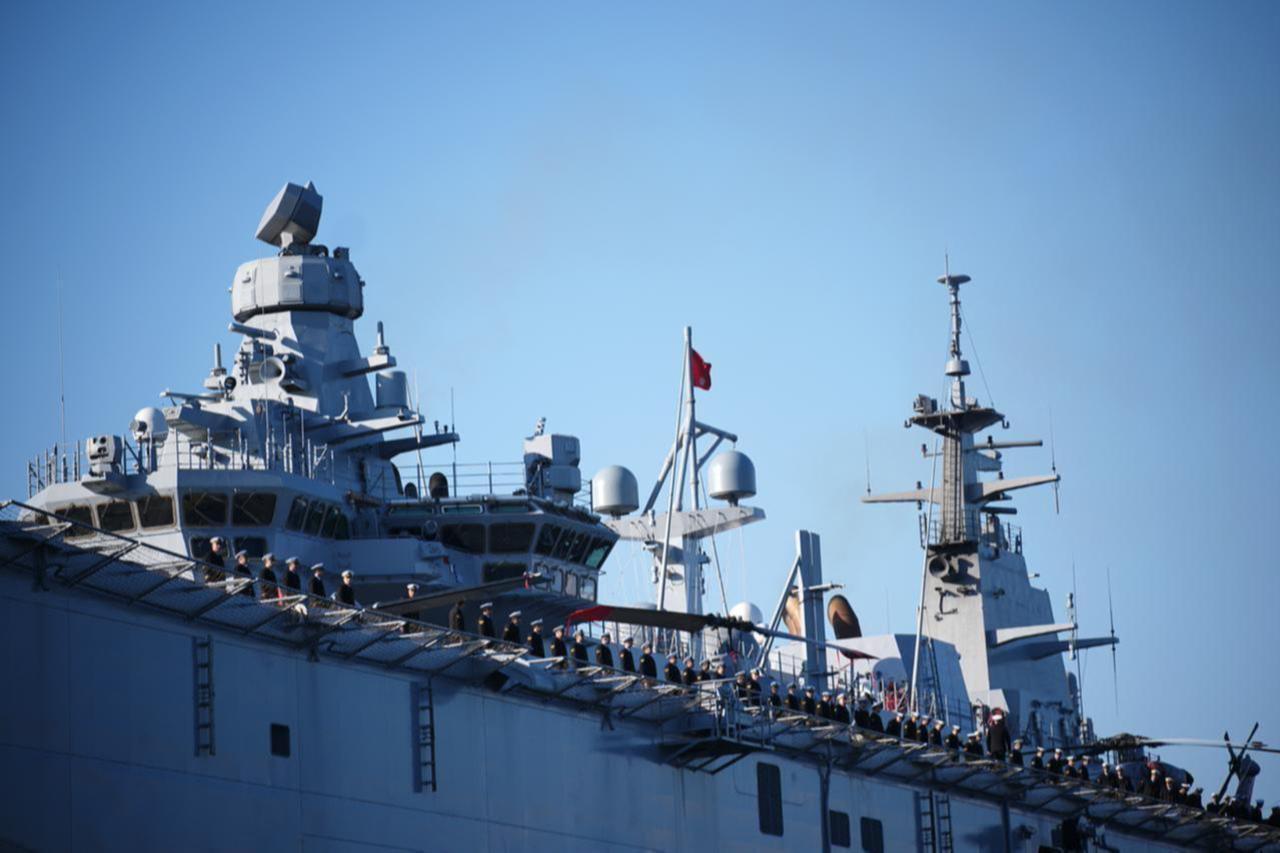


The United States' top representative to NATO praised Türkiye Wednesday as a model ally and pressed other member states to match its defense industrial capacity, as the alliance prepares for a high-stakes summit in Ankara next week that will address burden sharing, the war in Ukraine, and a volatile Middle East.
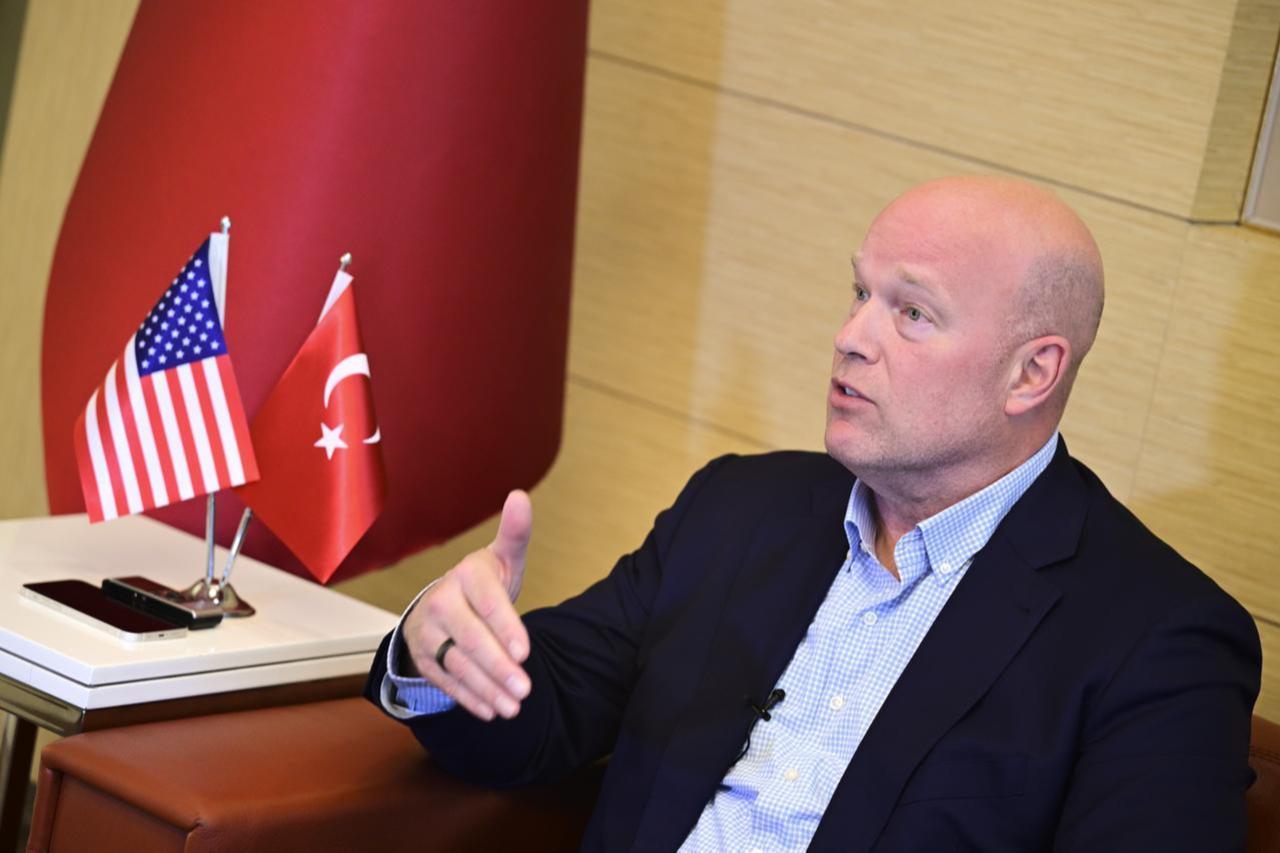
Matthew Whitaker, the US Permanent Representative to NATO, held up Türkiye's shipbuilding capacity as a benchmark for what Washington expects of its partners.
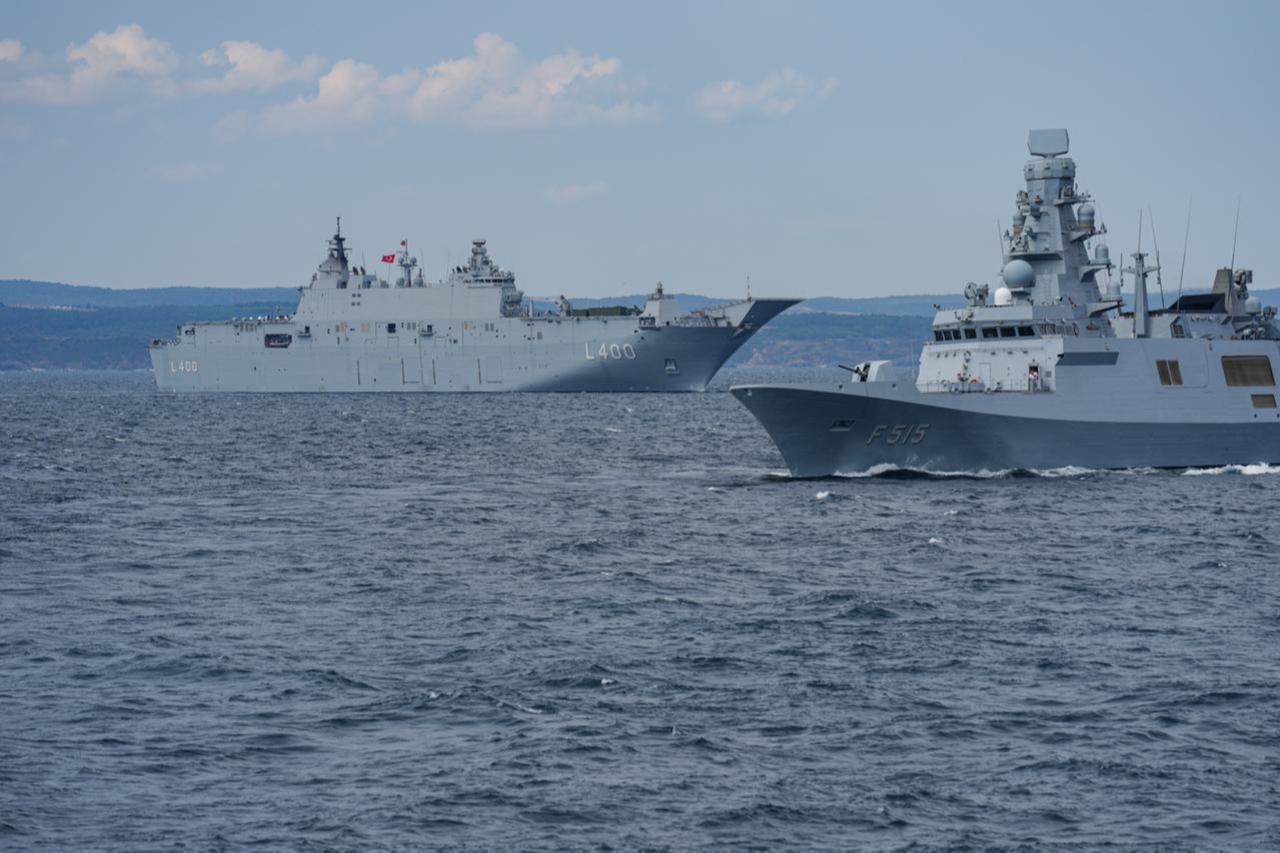
"We need all of our allies to be more like Türkiye," he said, pointing to a current program building 50 ships simultaneously in Turkish shipyards. "We need to continue to strengthen that relationship."
His remarks set a pointed tone ahead of the July 7-8 summit, where alliance leaders are expected to translate last year's Hague commitments on defense spending into concrete action, announce new multibillion-dollar weapons contracts, and hold unprecedented dedicated discussions on security across NATO's southern flank.
Whitaker acknowledged that recent US military operations against Iran had strained the alliance, with some member states refusing to grant base access or overflight permissions and issuing critical political statements in the aftermath.
"There is no doubt that the President has expressed disappointment," he told reporters. But he signaled that the friction had passed. "Those days are past us, thankfully," he said, adding that allies now better understand the importance of political and military cohesion.
The Iran episode has nonetheless sharpened the summit agenda, exposing gaps in allied military capabilities and political coordination that Washington says must be addressed.
Whitaker noted that while some allies possess critical niche capabilities, such as mine countermeasure systems, broader participation in major operations remains uneven.

For the first time at summit level, alliance leaders will convene a dedicated session alongside representatives from four Gulf countries belonging to the Istanbul Cooperation Initiative, a NATO partnership mechanism established in 2004 to deepen security ties with Gulf states.
Leaders are expected to address freedom of navigation through the Strait of Hormuz and conduct a comprehensive review of interconnected flashpoints including Syria, Lebanon, Gaza, and the West Bank.
Turkish Deputy Foreign Minister Levent Gumrukcu, speaking at a Washington Institute for Near East Policy forum last week, said Ankara would use the summit to push for stronger support for US-Iran diplomacy and broader regional stabilization.
He described the current situation across the Middle East as "highly fragile and volatile," and said NATO should focus not only on military risks but on political opportunities in the region.
Türkiye, which shares borders with conflict zones stretching from Ukraine to Syria and Iran, has sought to position itself as an indispensable bridge between the alliance's eastern and southern fronts.
He described the current situation across the Middle East as "highly fragile and volatile," and said NATO should focus not only on military risks but on political opportunities in the region.
Türkiye, which shares borders with conflict zones stretching from Ukraine to Syria and Iran, has sought to position itself as an indispensable bridge between the alliance's eastern and southern fronts.
Gumrukcu also echoed a broader European concern, saying the continent could no longer rely excessively on Washington for its own security.
"We need to make NATO more European," he said, a remark that underscored the tension between American calls for greater burden sharing and European ambitions for strategic autonomy.
 1 min read
On defense expenditure, Whitaker reiterated that Washington expects all 32 NATO allies to move toward spending 5 percent of gross domestic product on defense, a benchmark agreed at The Hague last year.
He praised Poland, the Nordic countries, the Baltic states, and Germany as leaders in meeting or approaching the target, while cautioning that others lacked a credible path to reach it.
Since The Hague, he said, allies had committed nearly $120 billion in additional defense spending, with roughly half directed toward US-made equipment.
Ukraine will feature prominently at Ankara. Whitaker said the PURL mechanism, under which NATO allies purchase US-made weapons and transfer them to Kyiv, had already facilitated more than $6 billion in systems, including PAC-3 missiles for Patriot air defense batteries.
He declined to preview specific summit announcements but said further commitments should be anticipated, predicting significant news for Ukraine and expressing confidence that each ally would step up its contributions.
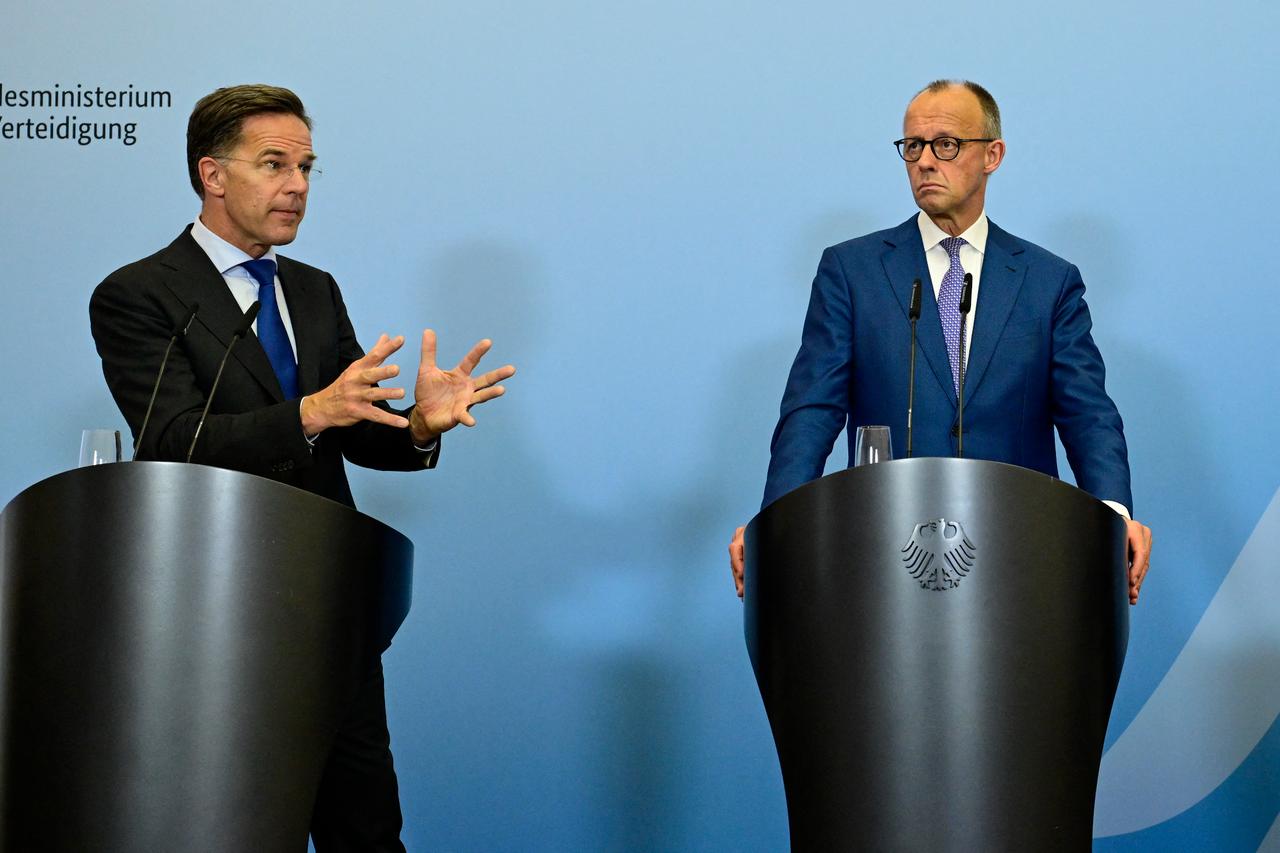
German Chancellor Friedrich Merz has called on European allies to demonstrate unwavering unity and send a strong signal of support for Ukraine at the summit.
The Baltic states, Poland, and Romania have also coordinated their positions ahead of the gathering.
Whitaker stressed that NATO's focus must be on capabilities, not spending figures alone, singling out air defense, precision strike systems, counter-drone technologies, F-35 aircraft, and unmanned systems as priorities.
He cautioned allies against protectionist procurement policies that could shut out non-EU members such as Türkiye.
The United States is also conducting a review of its military posture and basing arrangements across Europe, which Whitaker described as a routine but comprehensive assessment driven by global threat analysis.
US troop levels in Europe have already been adjusted to pre-2022 levels, he said, with further reviews led by the Pentagon in consultation with US European Command, Congress, and allies.
"The United States is not going anywhere," Whitaker said, "but we have responsibilities globally." He expressed confidence that the Ankara summit would mark a new phase for the alliance, defined by measurable commitments rather than declarations. "This year's summit is the next important step," he said.


 Set as preferred source
 Set as preferred source


 1 min read


