Newsletters


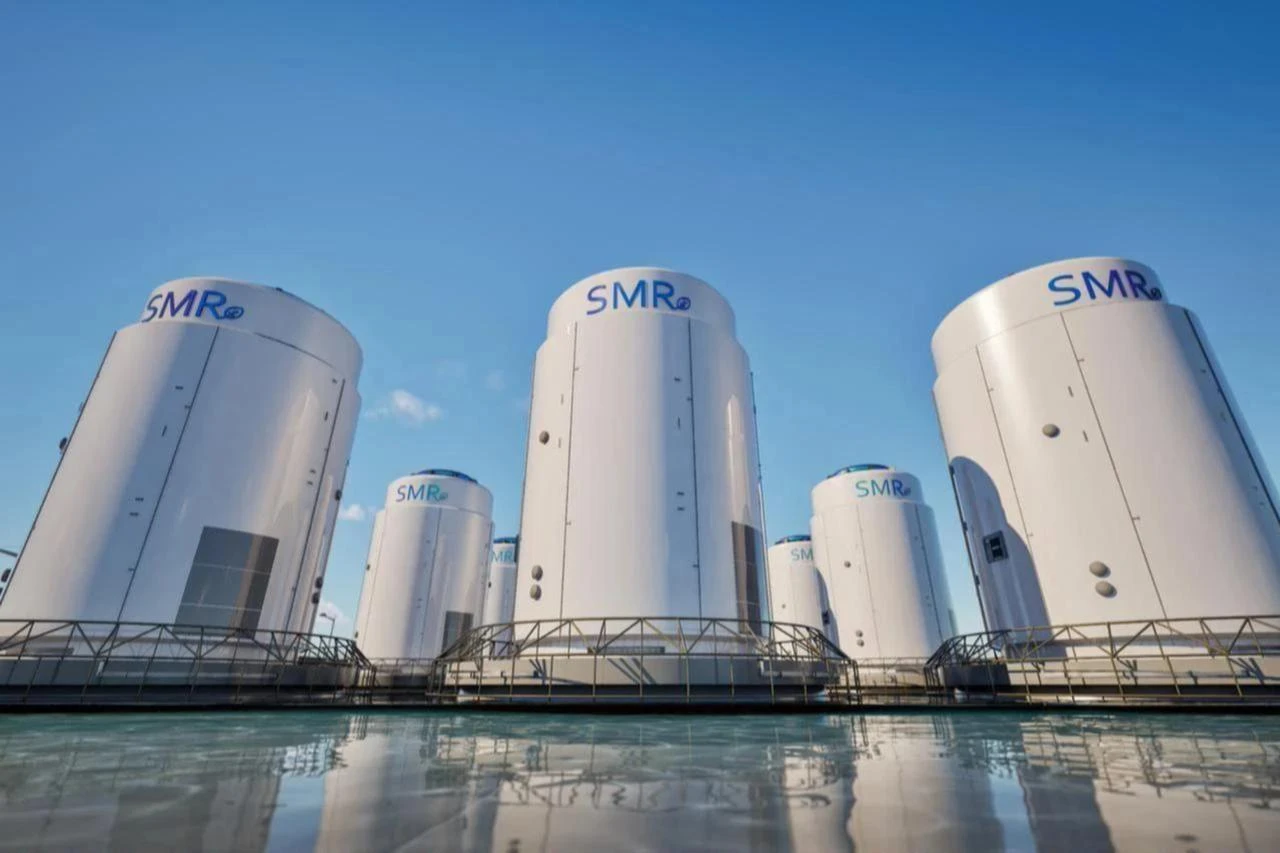


Small modular reactors are expected to account for about one-quarter of the new global nuclear power capacity added by 2050, as rising electricity demand, energy security concerns and net-zero emission targets accelerate investment in nuclear energy.
Global nuclear installed capacity is projected to reach 1,446 gigawatts by 2050 if existing reactors remain in operation and governments implement their announced nuclear capacity targets, according to data compiled from the World Nuclear Association.
With global nuclear capacity currently at about 403 gigawatts, around 1,043 gigawatts of new capacity would need to be added to reach that level. Small modular reactors, or SMRs, are expected to account for about 260 gigawatts of that additional capacity.
The expansion comes as electricity demand rises rapidly from data centers linked to the spread of artificial intelligence applications, while electrification accelerates in transport and industry and demand grows for continuous low-carbon electricity generation.
The trend has made nuclear power one of the key elements of the global energy transition in recent years.
Momentum strengthened at the 28th Conference of the Parties to the U.N. Framework Convention on Climate Change, COP28, held in Dubai in 2023, where countries pledged to at least triple global nuclear energy capacity by 2050.
SMRs have increasingly moved to the center of new nuclear investment plans because of their lower initial investment costs, modular design, shorter construction periods and greater flexibility in deployment to areas where electricity demand is growing.
They are seen as particularly suitable for data centers, energy-intensive industrial facilities and locations requiring uninterrupted electricity supply, and are expected to become an important driver of future nuclear capacity growth.
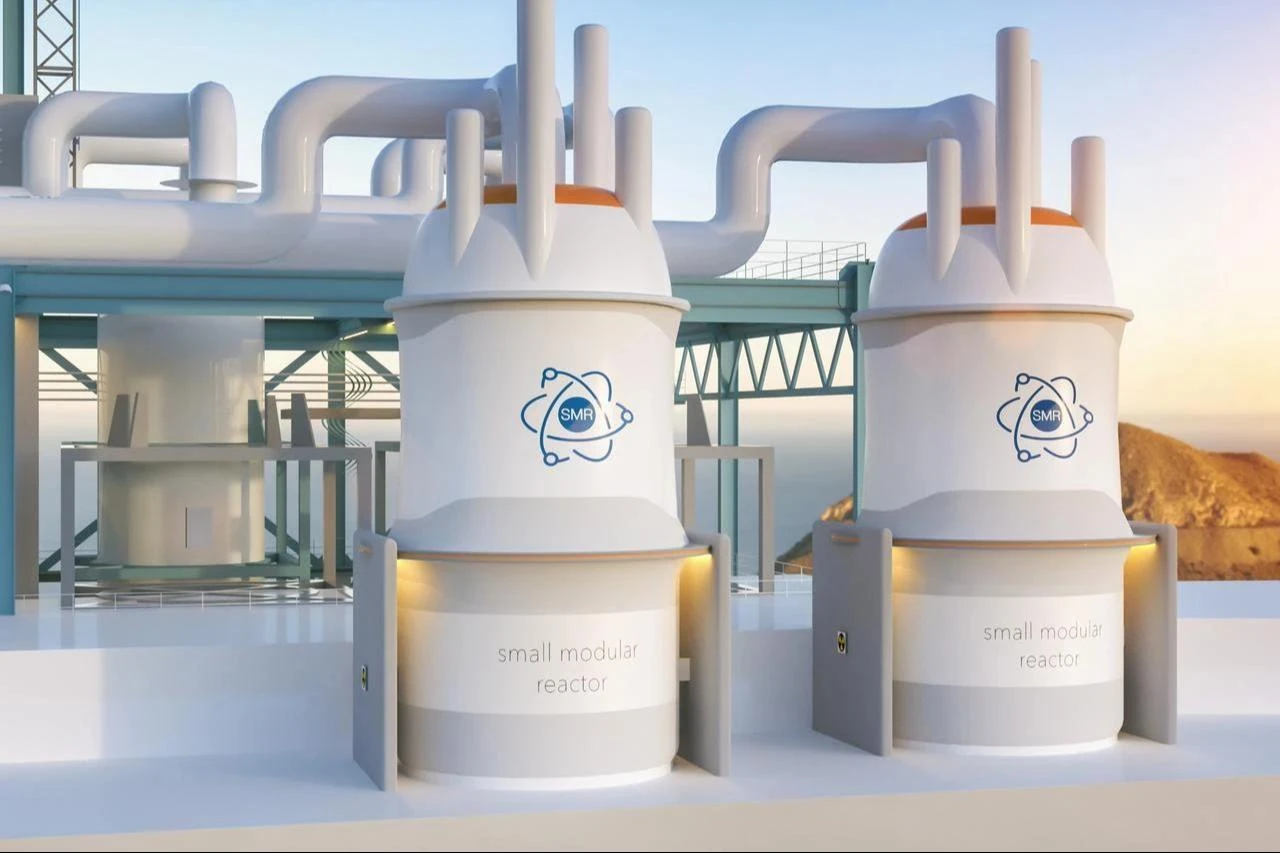

Around $6 trillion in investment across the nuclear value chain will be needed between 2025 and 2050 to meet global nuclear capacity targets.
Reactor projects are expected to account for around $5.3 trillion of that total.
Of this amount, about $3.5 trillion is projected to go toward large-scale nuclear power plants, while approximately $1.5 trillion is expected to be directed to SMRs.
SMR investment would, therefore, represent roughly one-third of total investment in nuclear reactor projects.
Investment is expected to accelerate particularly during the 2030s as countries work toward their nuclear capacity targets.
Around $700 billion in nuclear investment is projected for the 2025-2030 period.
With construction beginning on new nuclear projects and the first large-scale SMR fleet, investment is expected to rise to about $2.3 trillion between 2031 and 2040.
A further approximately $2.3 trillion is expected to be invested between 2041 and 2050.
Türkiye also aims to include SMR technology in its long-term energy planning as the global trend gains momentum.
The country has set a target of reaching approximately 20 gigawatts of installed nuclear power capacity by 2050.
Following the Akkuyu Nuclear Power Plant, Türkiye plans to develop second and third large-scale nuclear power plant projects while also treating SMR technologies as an important component of its nuclear energy program.
Türkiye aims not only to become a country that uses SMR technologies but also to develop its own SMR solutions through international cooperation while drawing on domestic industry and human resources.
The country also aims to export these technologies to regional markets and take a greater role in the global nuclear supply chain.


 Set as preferred source
 Set as preferred source


 1 min read
 1 min read