Newsletters




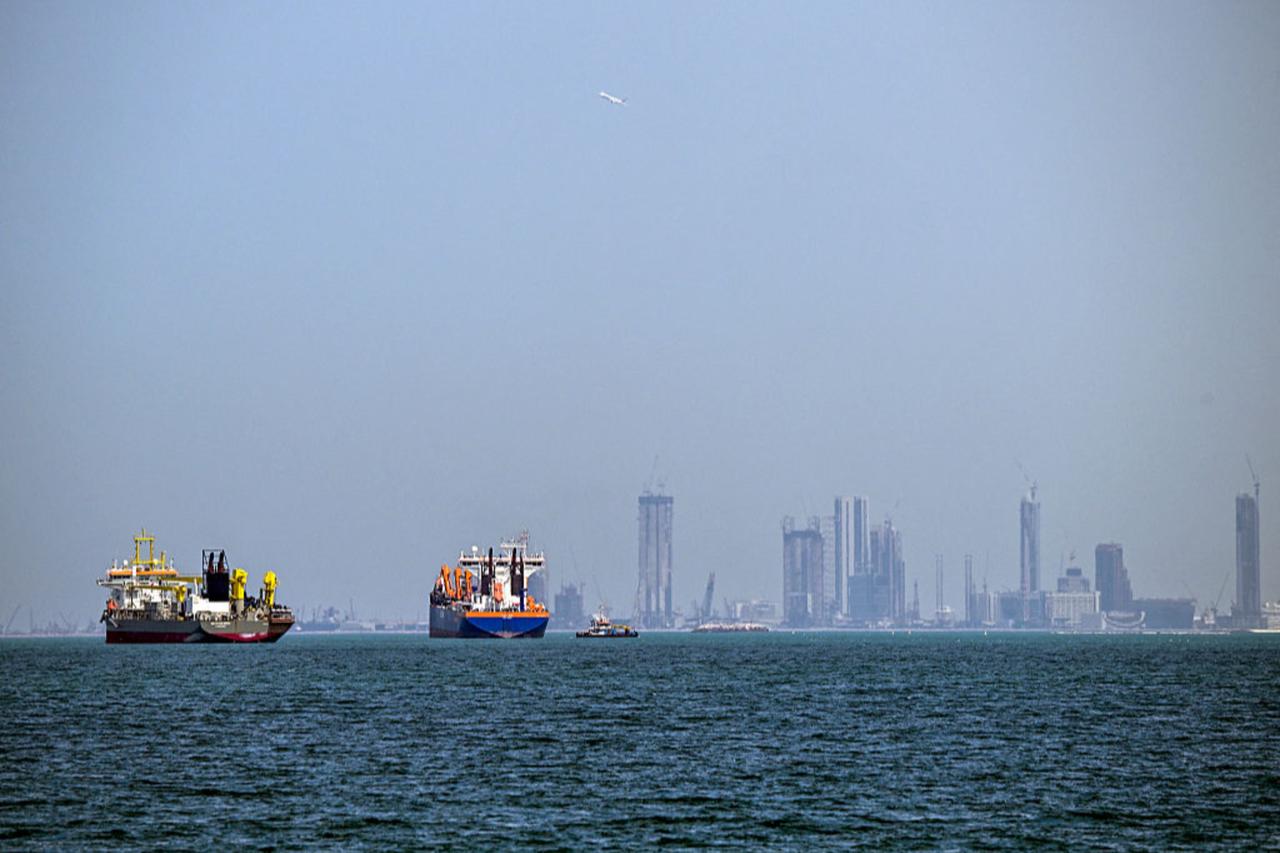
South Korea and Japan both stopped short of committing naval vessels to the Strait of Hormuz on Sunday in response to U.S. President Donald Trump's call for allied countries to send warships to secure the critical waterway.
The U.S. Navy extended the service life of the USS Nimitz aircraft carrier, and experts warned that escorting oil tankers through the strait would be a "very dangerous mission."

A South Korean presidential official told Agence France-Presse (AFP) that Seoul is "closely monitoring U.S. President Donald Trump's remarks on social media and will carefully consider the matter in close consultation with the United States."
The official said South Korea is "comprehensively considering and exploring various measures to ensure the safety of energy transport routes."
South Korea relies heavily on energy imports passing through the Strait of Hormuz.
The war has already prompted Seoul to impose a fuel price cap to ease pressure on its energy supply, the first such measure since 1997.

Takayuki Kobayashi, the policy chief of Japanese Prime Minister Sanae Takaichi's ruling Liberal Democratic Party, said Sunday on the public broadcaster NHK's political debate program that the threshold for sending Japanese navy ships to the region under existing Japanese laws is "extremely high."
"Legally speaking, we do not rule out the possibility, but given the current situation in which this conflict is ongoing, I believe this is something that must be considered with great caution," Kobayashi said.
He added that he hopes Takaichi will "ascertain what President Trump's true intentions are" when she visits Washington this week.
Sending its self-defense forces abroad is politically sensitive in officially pacifist Japan, where many voters support the war-renouncing 1947 constitution.
Last week, Takaichi said at a parliamentary session, "Nothing has been decided" over whether to send Japanese warships to the Middle East.
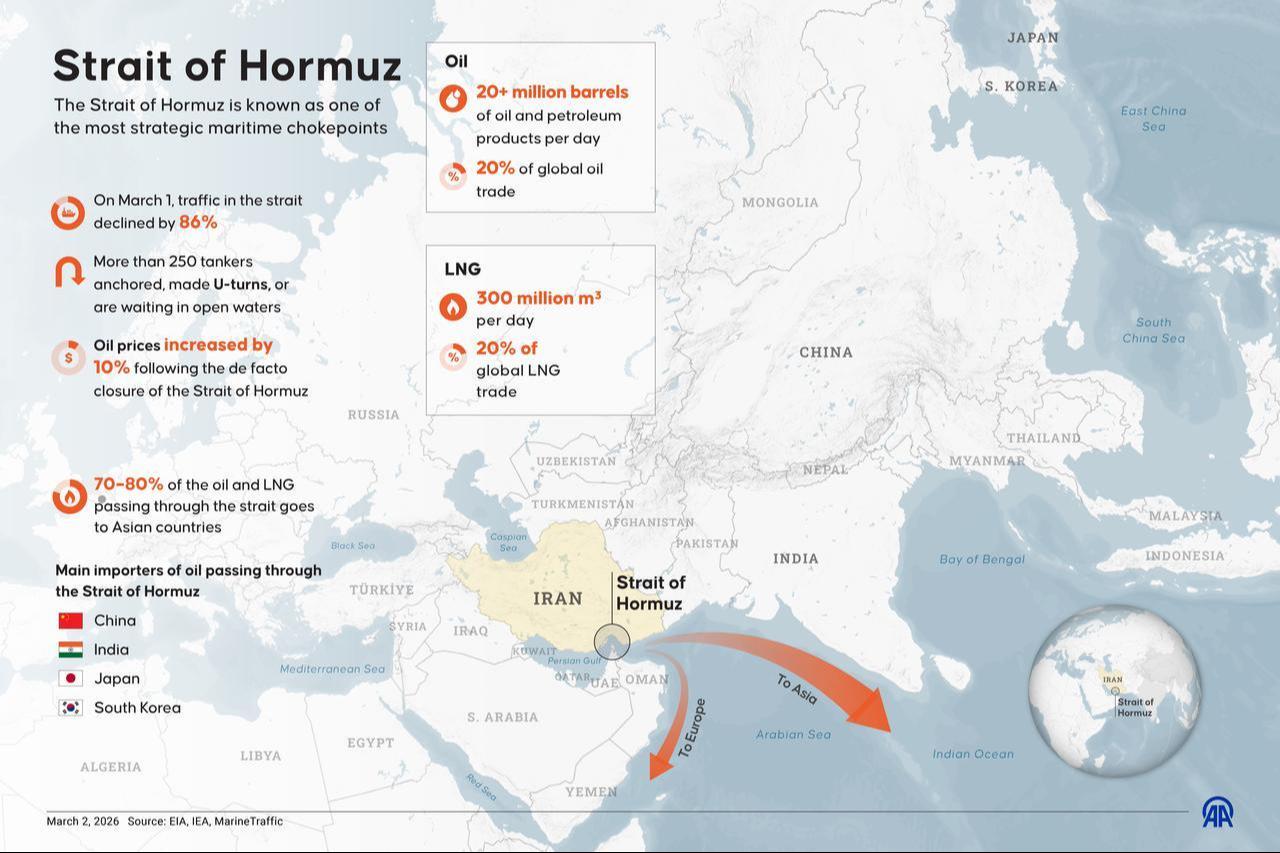
Japan imports 95% of its oil from the Middle East, with 70% passing through the Strait of Hormuz.
Kobayashi also said he expects the Takaichi-Trump summit to address how Tokyo and Washington "can work closely together to ensure that there would be no vacuum in the security framework of East Asia" as U.S. troops are reportedly being sent to the Gulf from bases in Japan and South Korea.
A spokesperson for China's Embassy in Washington declined to say whether Beijing is planning to deploy naval assets, telling CNN that China calls for an immediate cessation of hostilities and that "all parties have the responsibility to ensure stable and unimpeded energy supply."
The UK said it is "currently discussing with our allies and partners a range of options to ensure the security of shipping in the region," a defense ministry spokesperson said, without confirming whether it would send warships.
Speaking to CNN, Rosemary Kelanic, Director of the Middle East Program at Defense Priorities, warned that Trump's plan to send warships to escort oil tankers through the Strait of Hormuz is "a very dangerous mission."
She said Iran occupies the higher ground across the northern side of the strait, allowing it to launch drone and missile attacks. "Because they can attack from the shore… there's just not enough reaction time to prevent ships from getting struck," Kelanic said.
Since the conflict began, at least 20 vessels have been attacked in and around the Persian Gulf, the Strait of Hormuz, and the Gulf of Oman, according to the United Kingdom Maritime Trade Operations (UKMTO).
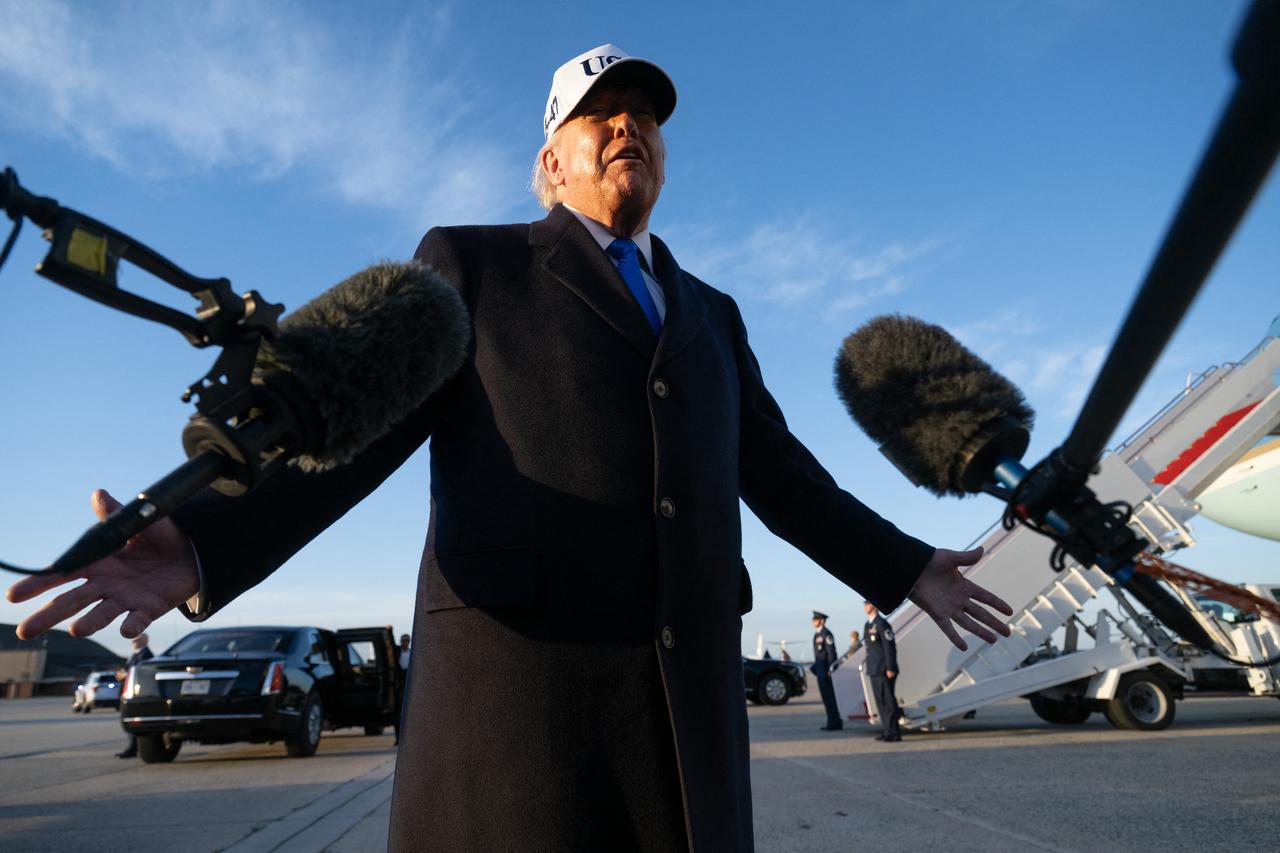
Trump wrote on Truth Social on Saturday: "Many countries, especially those who are affected by Iran's attempted closure of the Hormuz Strait, will be sending warships, in conjunction with the United States of America, to keep the Strait open and safe," naming China, France, Japan, South Korea and the United Kingdom among those he hopes will contribute.
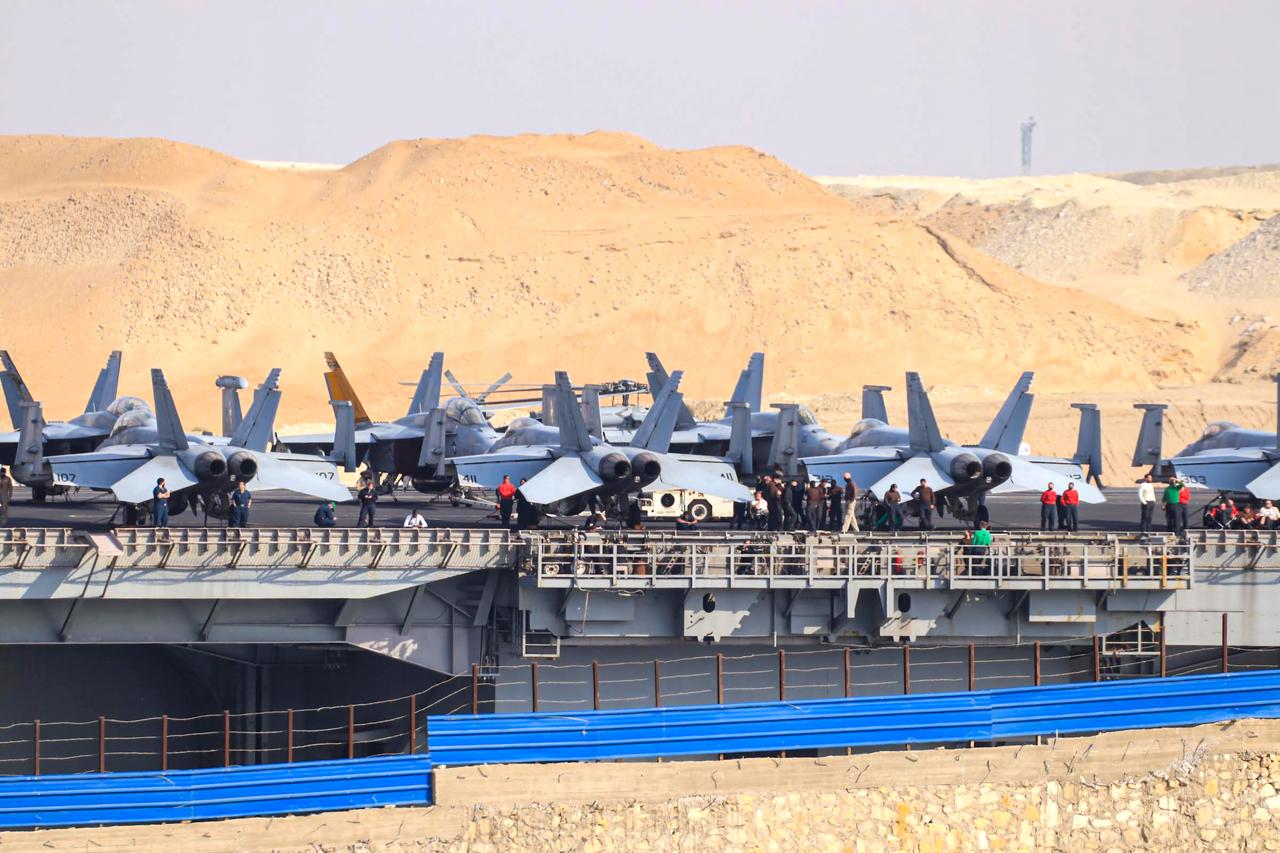
The U.S. Navy will keep the USS Nimitz aircraft carrier in service until March 2027, nearly a year longer than initially planned, CNN reported Saturday, citing a Navy official.
The carrier had previously been scheduled for decommissioning in May 2026.
The extension comes as Iran has effectively closed the Strait of Hormuz since early March amid escalating hostilities with the U.S. and Israel.
During its most recent deployment, which ended in December, the USS Nimitz completed four transits of the strait as part of the Fifth Fleet's operations.
The ship, the oldest active U.S. aircraft carrier, had departed Naval Base Kitsap in Bremerton, Washington, last week en route to Naval Station Norfolk, Virginia, for what had been expected to be its final journey.
Future deployment plans for the carrier have not been disclosed, according to the report.
Iran has effectively halted the passage of oil through the Strait of Hormuz, sparking a global energy crisis.
Disruptions to shipping have pushed up global oil and fertilizer prices and raised concerns about energy supplies worldwide.


 Set as preferred source
 Set as preferred source


 1 min read

 1 min read