Newsletters




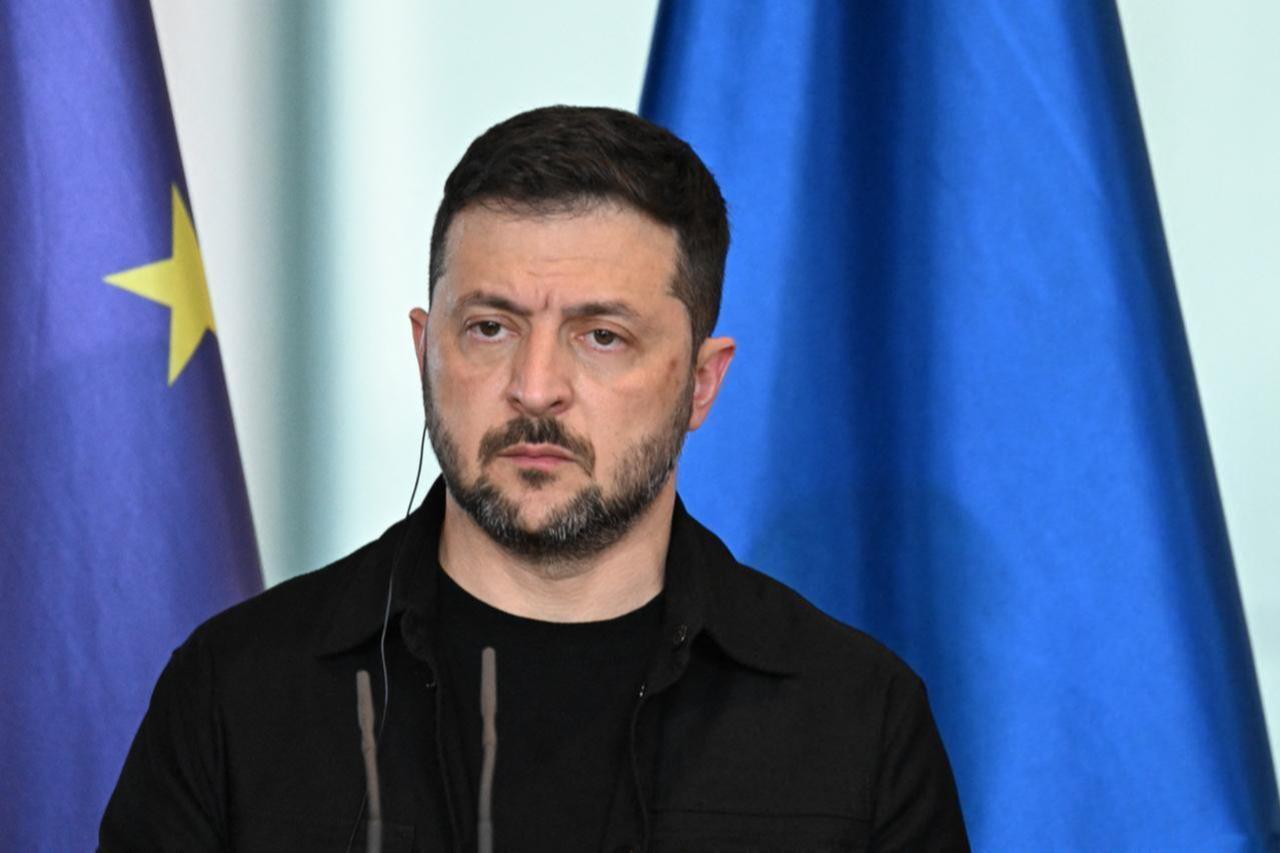
South Korea said Thursday it will recall its ambassador to Ukraine, escalating a diplomatic row over Ukrainian President Volodymyr Zelenskyy's public disclosure of the transfer of two North Korean prisoners of war to Seoul.
"The government has decided to recall its ambassador to Ukraine," South Korea's Foreign Ministry said in a statement, adding it hopes "all outstanding issues between the two countries will be resolved amicably."
The recall of Ambassador Park Ki-chang comes as Seoul also faces Ukrainian accusations that South Korean fuel shipments helped Russia ease shortages caused by Ukrainian strikes on its refineries.
Zelenskyy revealed the transfer in his U.N. General Assembly speech on Sept. 23. Seoul says the two countries agreed to keep it confidential to protect the soldiers and their families in North Korea, and that Kyiv had initially requested secrecy.
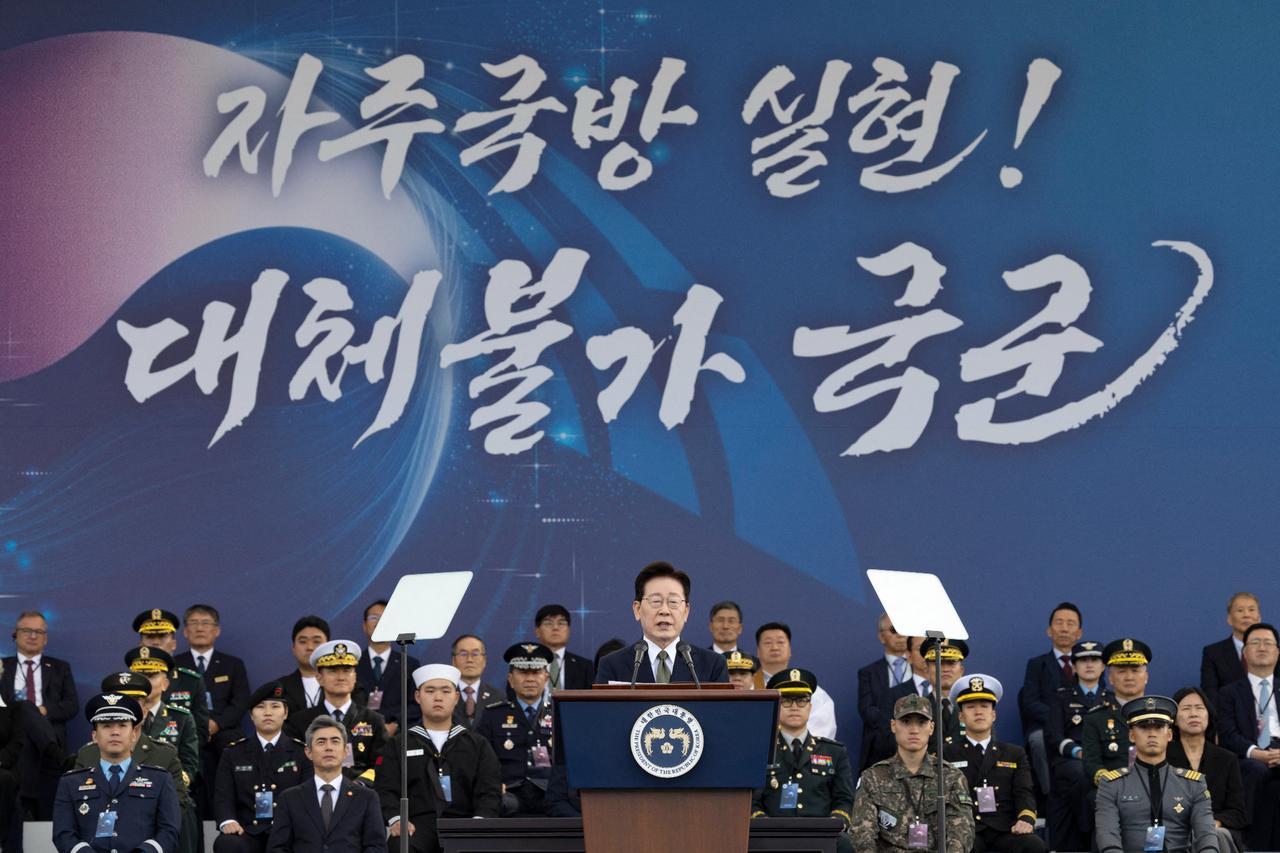
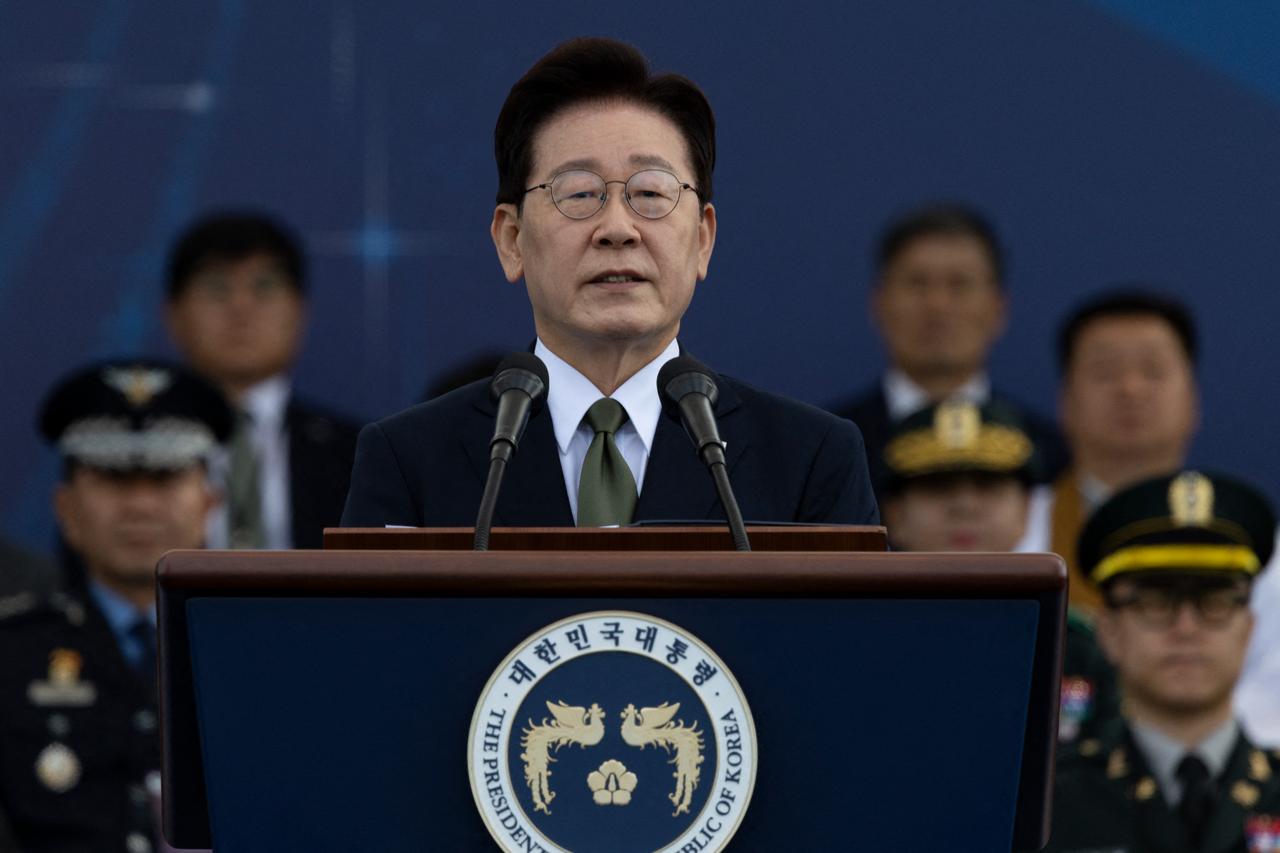
"The Ukrainian side demanded confidentiality and agreed to it, but unilaterally disclosed it," South Korean President Lee Jae Myung said last week.
Lee warned on Oct. 2: "If you continue to refuse to acknowledge the facts and publicly apologize, we will take additional measures."
Kyiv has denied that any such agreement existed.

Foreign Minister Cho Hyun said earlier this week he had received a message from his Ukrainian counterpart, Andrii Sybiha.
"Messages that I received included an apology. But there is a difference from the level we expect, so we intend to take firm measures," Cho told lawmakers.
Ukrainian Foreign Ministry spokesman Heorhii Tykhyi later said Sybiha had only expressed regret over the escalation.
Sybiha has called the dispute a "diplomatic misunderstanding."
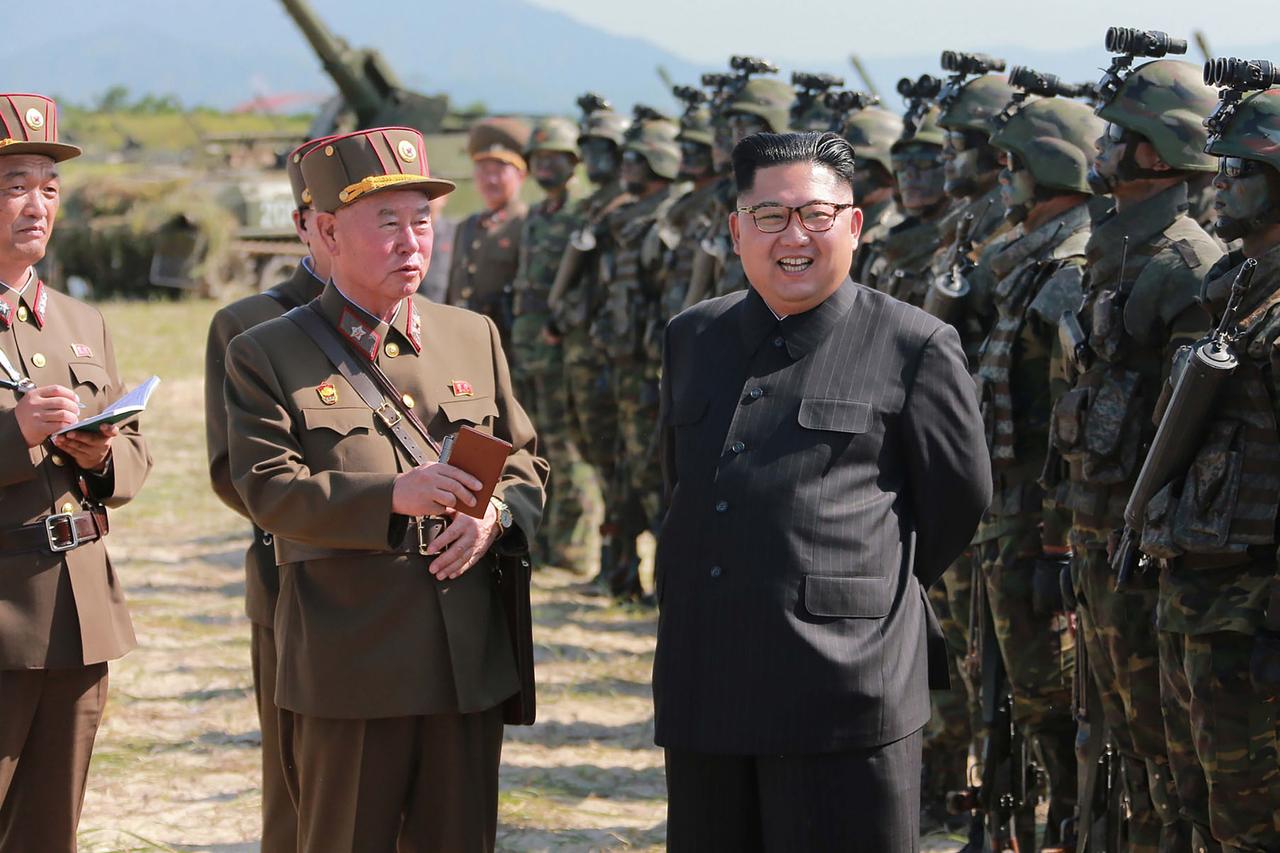
The two soldiers were captured in Russia's Kursk region in January 2025 while fighting for Russia and arrived in South Korea in mid-September, according to South Korean officials.
A report in The Guardian this week alleged that more than 176,000 tons of fuel, mostly diesel, were shipped from South Korea to Russia in July and August.
Ukraine's top sanctions official, Vladyslav Vlasiuk, said more than 30% of Russia's fuel imports in August came from South Korea.
Seoul rejected remarks by an adviser to Zelenskyy as "factually incorrect" and "inappropriate."
"Refined petroleum products, including commercial diesel and aviation fuel, mentioned in The Guardian's report, are not subject to South Korea's export controls against Russia," the Foreign Ministry said, adding that it was "strictly enforcing" its export controls.
South Korea has provided humanitarian and non-lethal aid to Ukraine but no lethal weapons, citing a domestic ban, as the dispute over the South Korea-Ukraine ambassador recall complicates Kyiv's hopes for arms supplies.


 Set as preferred source
 Set as preferred source


 1 min read
 1 min read