Newsletters


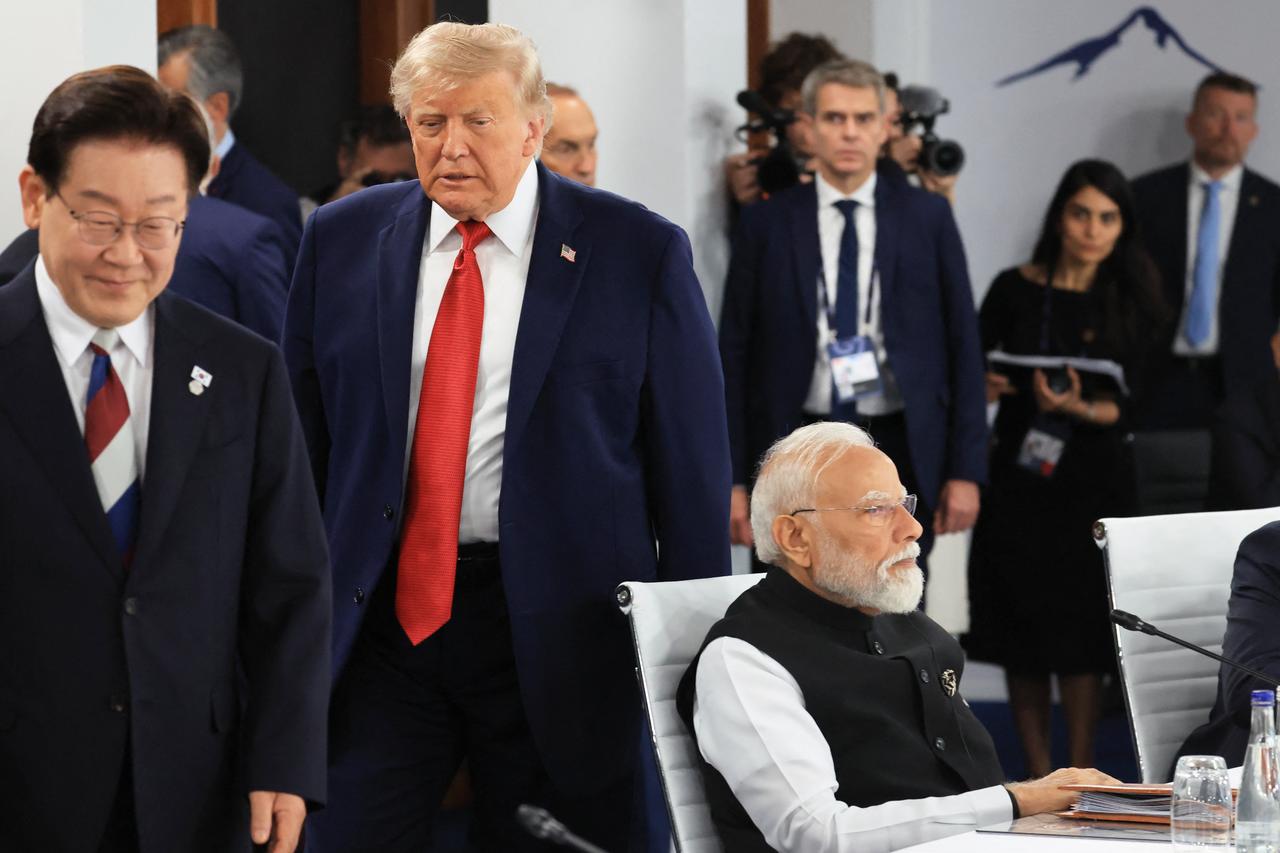


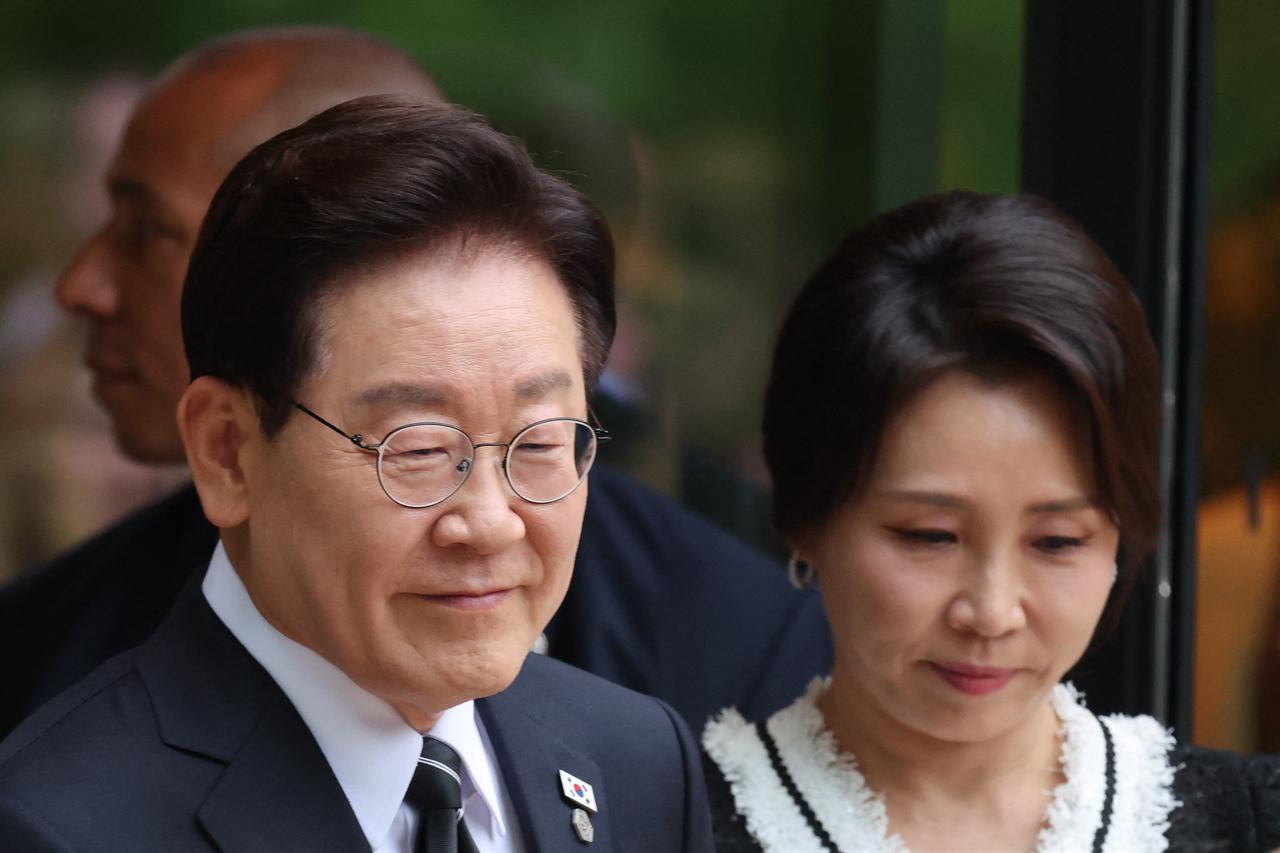
South Korean President Lee Jae Myung urged U.S. President Donald Trump to take the lead in seeking a peaceful resolution with North Korea, while Seoul separately announced plans to ease civilian restrictions along its heavily fortified border beginning in 2027.
Lee made the request during an exchange with Trump at the G7 summit in France after the U.S. president asked about recent developments in relations between the two Koreas, according to South Korea’s presidential office.
“President Lee requested that he take the lead in achieving a peaceful resolution to the North Korean issue, just as he has resolved the conflict in the Middle East,” the office said.
Trump expressed a commitment to working toward a resolution of the North Korean issue, it added.
The request came as the U.S. and Iran prepared to sign a memorandum of understanding on Friday to end their war, prompting speculation that the Trump administration could next turn its attention to North Korea.
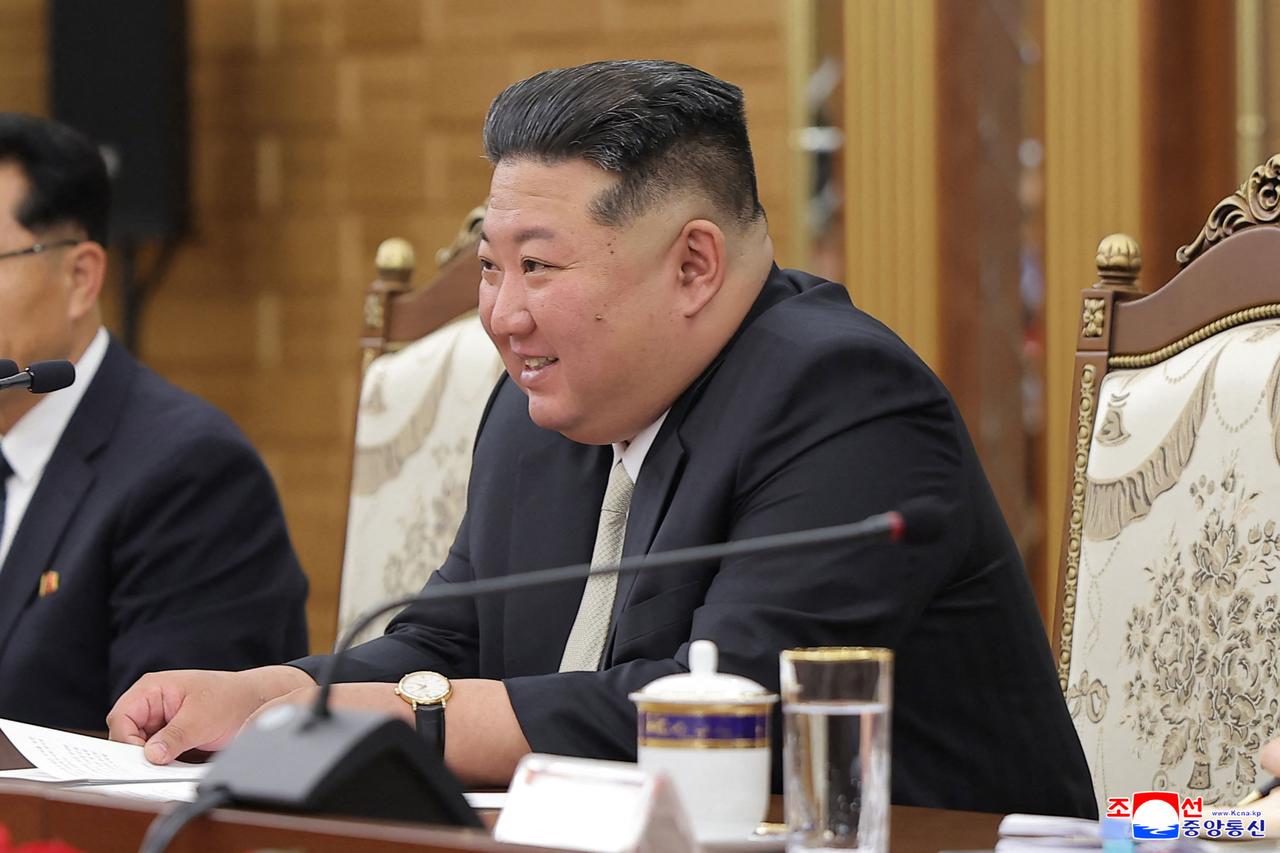
Trump added to that speculation by posting an uncaptioned photograph of himself with North Korean leader Kim Jong Un at their 2018 summit in Singapore shortly after announcing the Iran agreement.
Lee has pursued a more conciliatory approach toward North Korea than his predecessor, Yoon Suk Yeol.
Pyongyang, however, has rejected Lee’s overtures, formally describing South Korea as its “most hostile” enemy and repeatedly declaring its status as a nuclear-armed state irreversible.
North Korea specialist Yang Moo-jin, former president of the University of North Korean Studies in Seoul, said the chances of a new meeting between Trump and Kim remained low.
“From North Korea’s perspective, there is virtually no reason to meet the United States,” Yang said.
Kim has strengthened relations with neighboring countries while maintaining his nuclear position.
North Korea has sent troops and munitions to support Russia’s war against Ukraine.
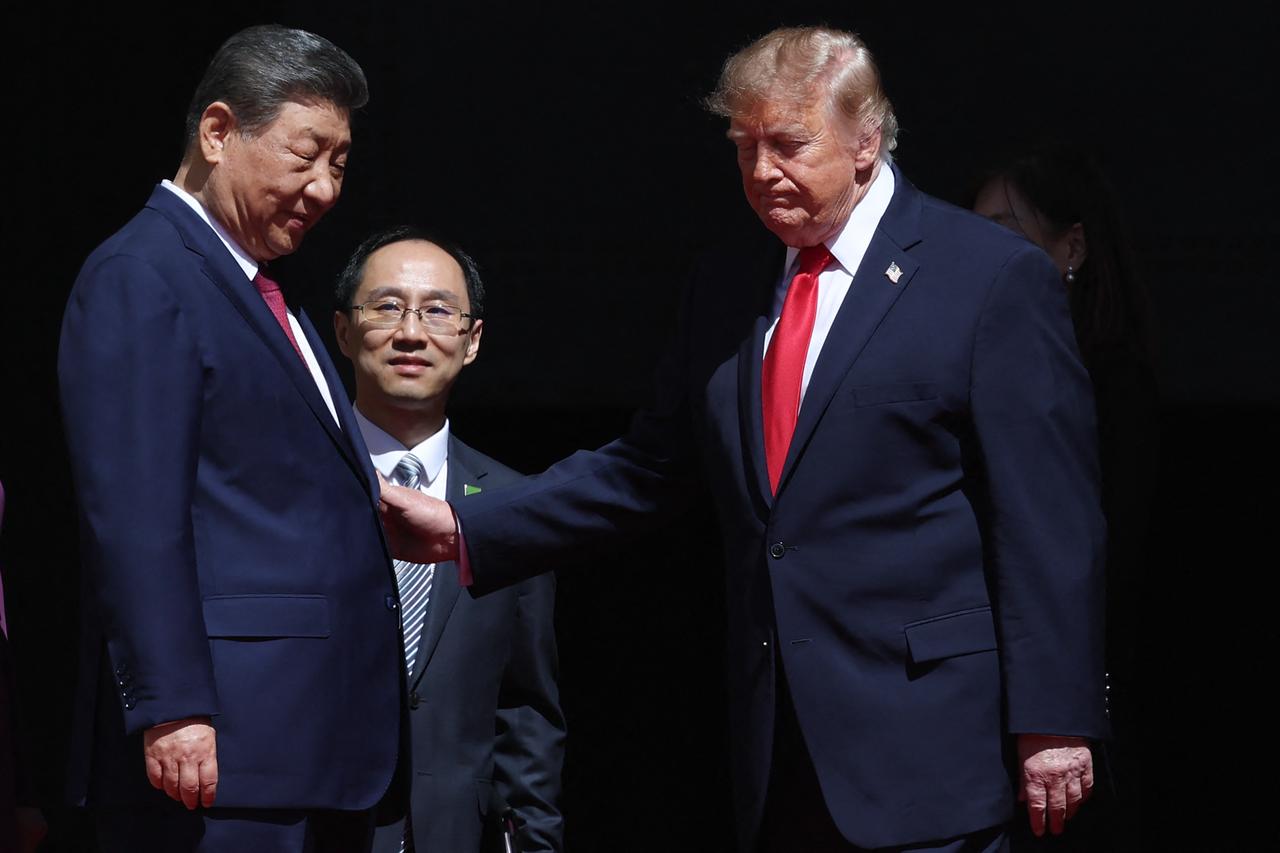
Kim also recently hosted Chinese President Xi Jinping in Pyongyang after Xi held consecutive meetings in Beijing with Trump and Russian President Vladimir Putin.
Official statements from North Korea and China did not mention North Korean denuclearization.
Experts said the omission indicated China’s tacit acceptance of Pyongyang’s nuclear weapons.

South Korea’s Defense Ministry separately announced that it would reduce the military-controlled buffer zone along the border with North Korea to expand civilian access and support development in frontier communities.
The Civilian Control Line currently limits access to areas extending as far as 10 kilometers (6.2 miles) south of the Military Demarcation Line.
Defense Minister Ahn Gyu-back said the restricted zone would be reduced to an average of 6 kilometers beginning in 2027.
The change will allow villagers, farmers and visitors to travel several kilometers closer to the border.
The two Koreas remain technically at war because the 1950-53 Korean War ended with an armistice rather than a peace treaty.
South Korean citizens currently require military permission to live, farm or undertake construction in controlled areas near the Demilitarized Zone.
Residents have long complained that the restrictions limit property rights, agriculture and economic development.
The measures are intended to “enhance the convenience of local residents while ensuring the effectiveness of military operations,” Ahn said.
“We will enable regional development to the extent that it does not interfere with military operations,” he added.
Under the plan, about 270 square kilometers (104 square miles) of land will be redesignated to permit construction and development projects with government approval.
Restrictions will also be eased across another 450 square kilometers.
The ministry plans to remove military structures considered no longer tactically necessary, including anti-tank barriers at 23 locations.
Authorities will simplify civilian access procedures through mobile applications and ease approval requirements for agricultural drones.
Kim Deok-hyeon, mayor of Yeoncheon County near the border, said the measures would “significantly alleviate the inconvenience faced by local farmers.”
Ganghwa County Councilor Park Heung-yeol said even construction on privately owned property within the controlled area currently requires military approval.
Kim Seok-in, another county official, said residents had long complained about access rules and restrictions on the exercise of property rights.
He said the changes would provide significant benefits for regional development.
Residents also said greater access could support farming, construction and tourism.
Analysts said the changes were unlikely to provoke North Korea because they applied only to areas on the South Korean side of the border.
South Korea removed loudspeakers last year that had broadcast K-pop and news into the North as Lee’s government sought to ease tensions.
Under Yoon, North Korea transmitted unusual and disturbing noises across the border, creating problems for residents in nearby South Korean communities.
Analysts said the reduction of the controlled zone was also related to declining troop numbers and the increased use of surveillance technology.
“South Korea is increasingly relying on technologies such as CCTV and mobile apps to secure front-line areas,” said Lim Eul-chul, a North Korea specialist at Kyungnam University.
The change reflects “a view that the AI era has made traditional manpower-intensive border patrols obsolete,” he added.


 Set as preferred source
 Set as preferred source


 1 min read
 1 min read