Newsletters


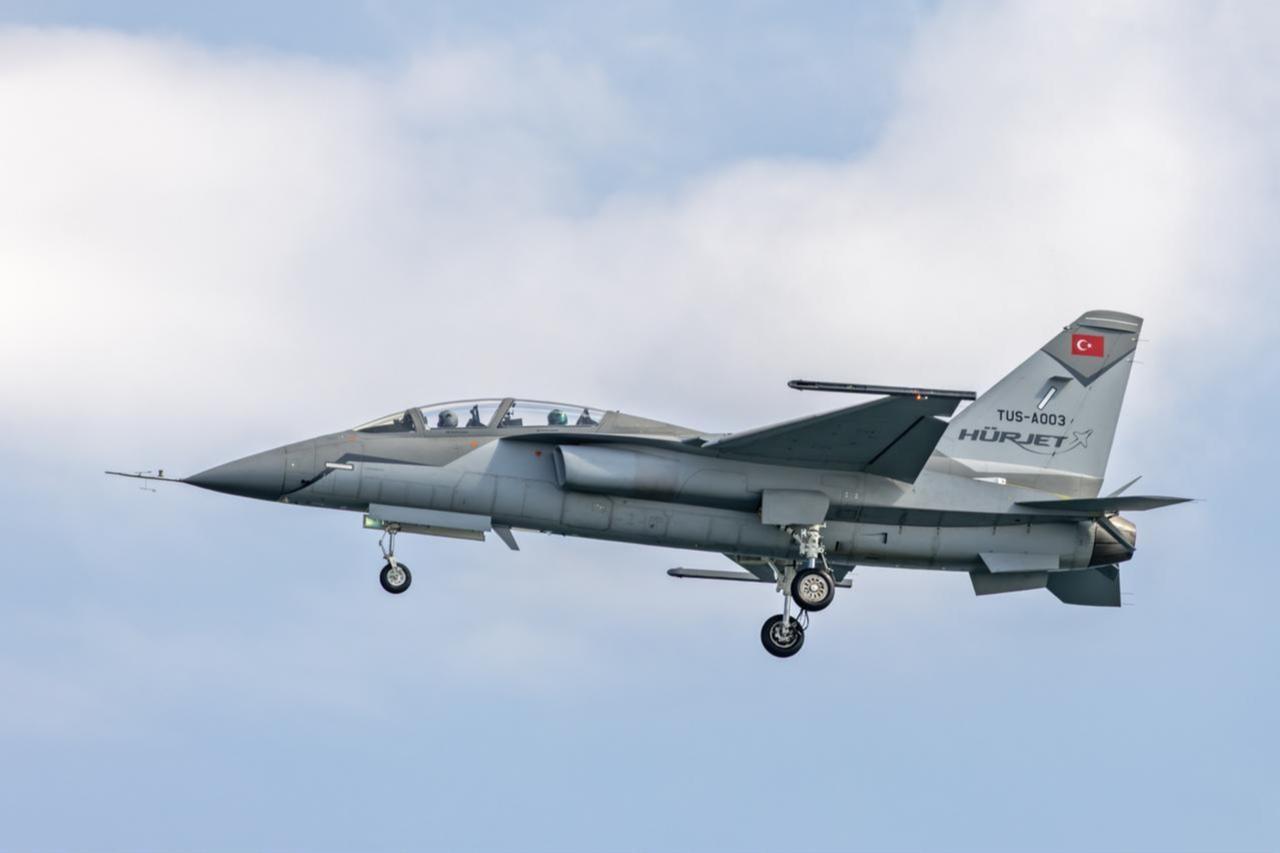


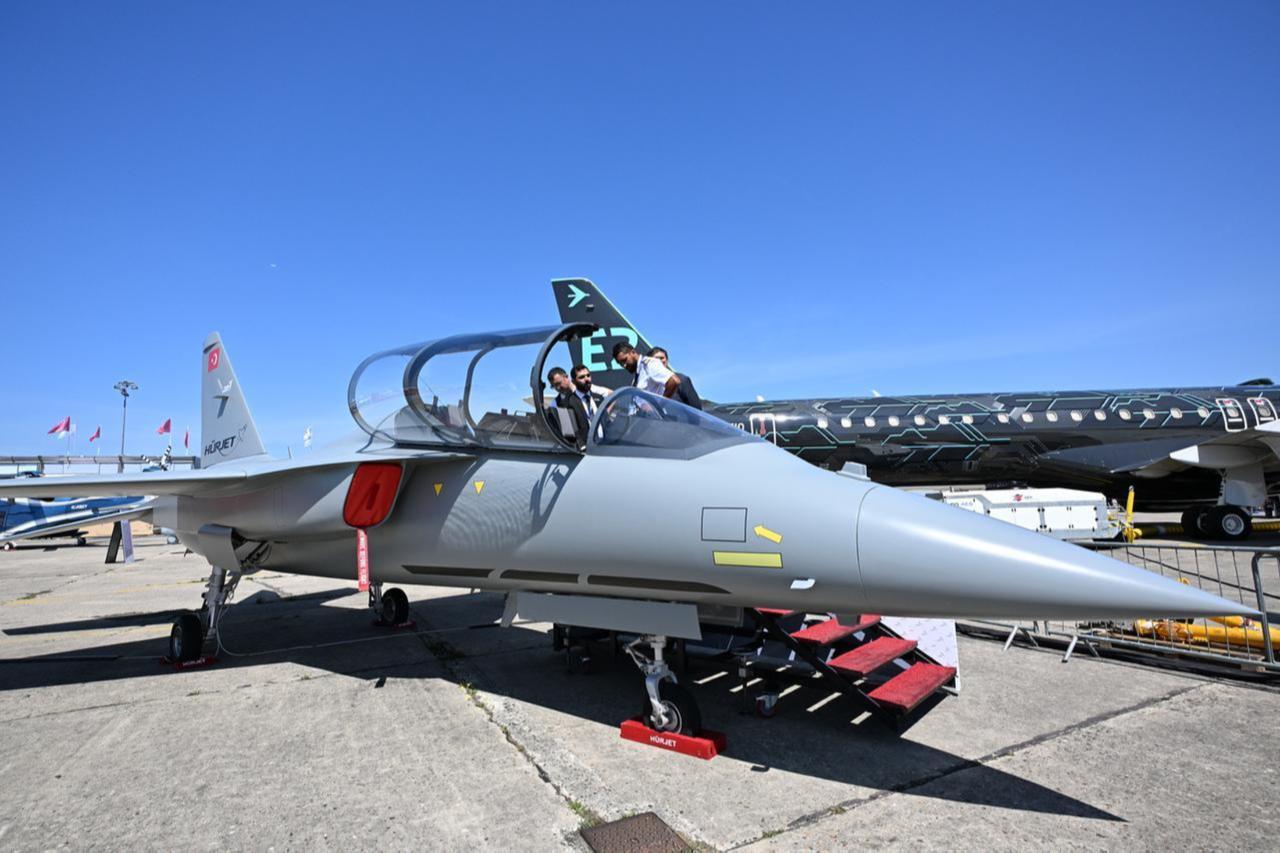
Spain has approved the acquisition of 45 TAI Hurjet advanced trainer jets from Türkiye in a €3.12 billion ($3.6 billion) program that will see the aircraft renamed "Saeta II" after the legendary Spanish Hispano Aviación HA-200 Saeta, according to a report by Spanish defense publication Defensa y Seguridad on Tuesday.
The program, designated ITS-C (Integrated Training System - Combat), will replace the Spanish Air and Space Force's aging Northrop F-5M fleet at Ala 23 base in Talavera la Real, Badajoz.
While formal contract signature is still pending, Spain has given the green light for what represents a major Turkish defense export and significant Spanish industrial participation.
While formal contract signature is still pending, Spain has given the green light for what represents a major Turkish defense export and significant Spanish industrial participation.


The €3.12 billion total program cost is of Spain's advanced trainer program, distributed as follows:
Spain's national development component reportedly includes "Spanishization" and the adaptation of electronics, avionics, and systems by Spanish industry, with €1.04 billion ($1.22 billion) in pre-financing for Phase 1/2, plus infrastructure construction, including hangars, simulation centers, and software development facilities.
While the average program cost per aircraft appears high at €69.33 million ($81.7 million) when dividing the total by 45 units, the actual platform cost per Hurjet is estimated at €18-20 million ($21-23 million) according to the report.

The Hurjet, also known as Saeta II, offers supersonic performance (Mach 1.4), distinguishing it from competitors such as the subsonic Leonardo M-346 Master (Mach 0.95) and Boeing/Saab T-7 Red Hawk (Mach 0.975).
The aircraft features fly-by-wire digital controls, a large-format cockpit display similar to the F-35, and seven hardpoints with a 3,000 kg payload capacity.
Its dual-role design as both an advanced trainer and a light combat aircraft (LCA) means it can be used for light attack, close air support, or air patrol missions if equipped with appropriate weapons systems, according to the report.
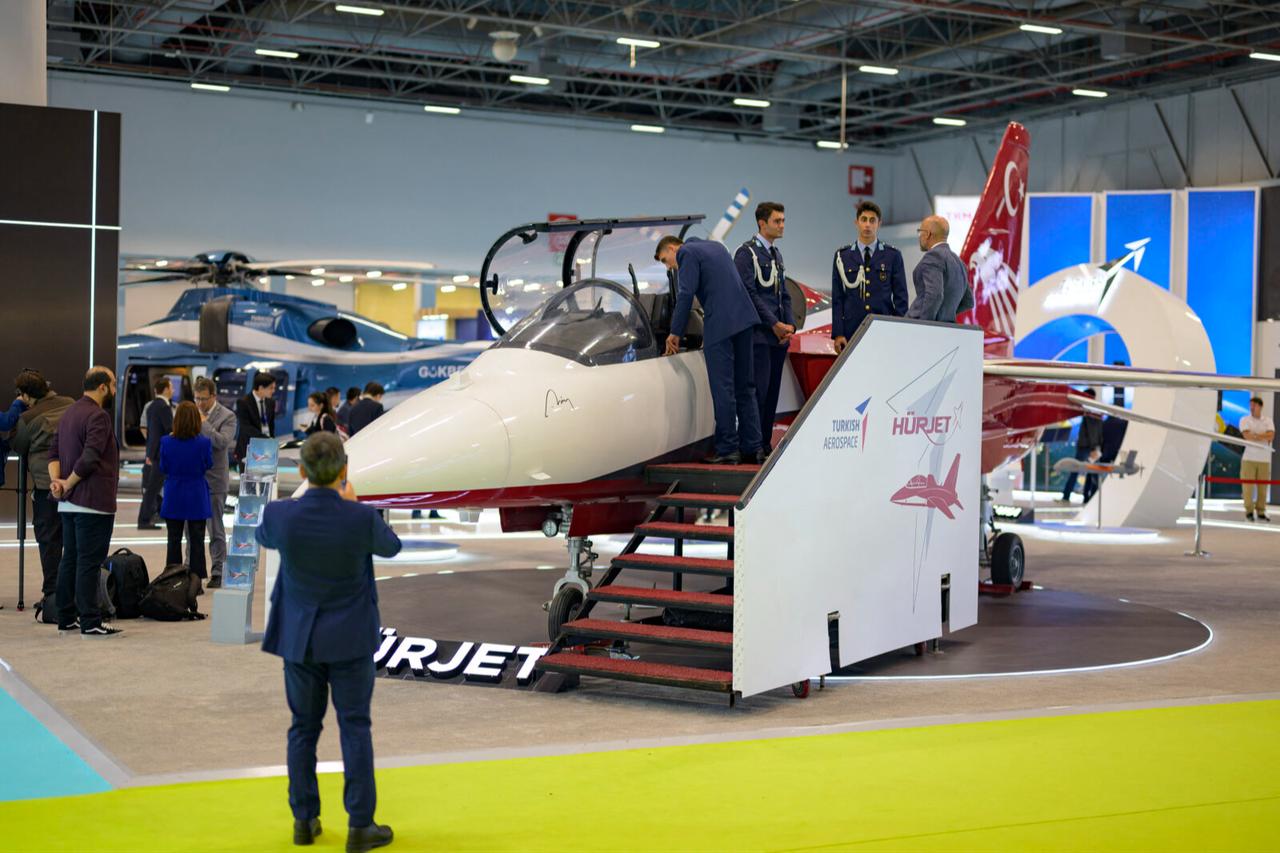
The program will be developed under a temporary joint venture (UTE), ensuring workload distribution and technology transfer, according to the report by the Spanish defense publication.
Turkish Aerospace Industries (TAI):
Spanish defense industry:
"A consortium of 16 Spanish companies, including Aertec, Amper, SENER, Grabysur, and others, will also participate," the report stated.
The report also revealed that the ITS-C training system will include:
"The objective is to prepare pilots for 5th-generation aircraft operations, including the future FCAS, from their first flight in a real fighter," the report noted.
"If tomorrow Spain decides to integrate a new missile or a new training system into the Saeta II, it does not have to ask permission or pay licenses to third countries; the national industry has the knowledge and authority to do so," the report added.
Defensa y Seguridad's report finally noted that no plans have been confirmed for the Saeta II to replace the C-101 Aviojet or the Pilatus PC-21 in the Patrulla Águila aerobatic team.


 Set as preferred source
 Set as preferred source


 2 min read
 1 min read