Newsletters


Sudanese soldiers fleeing the capture of their country's largest oil field have surrendered their weapons to South Sudan's military, South Sudanese authorities announced Tuesday, marking a significant territorial loss for Sudan's embattled army in its ongoing civil war.
The soldiers laid down their arms after paramilitary Rapid Support Forces seized the Heglig oil field near the border with South Sudan on Monday, according to South Sudanese General Johnson Olony. The defeated troops crossed into South Sudan and surrendered at Panakuach, bringing their military equipment with them.
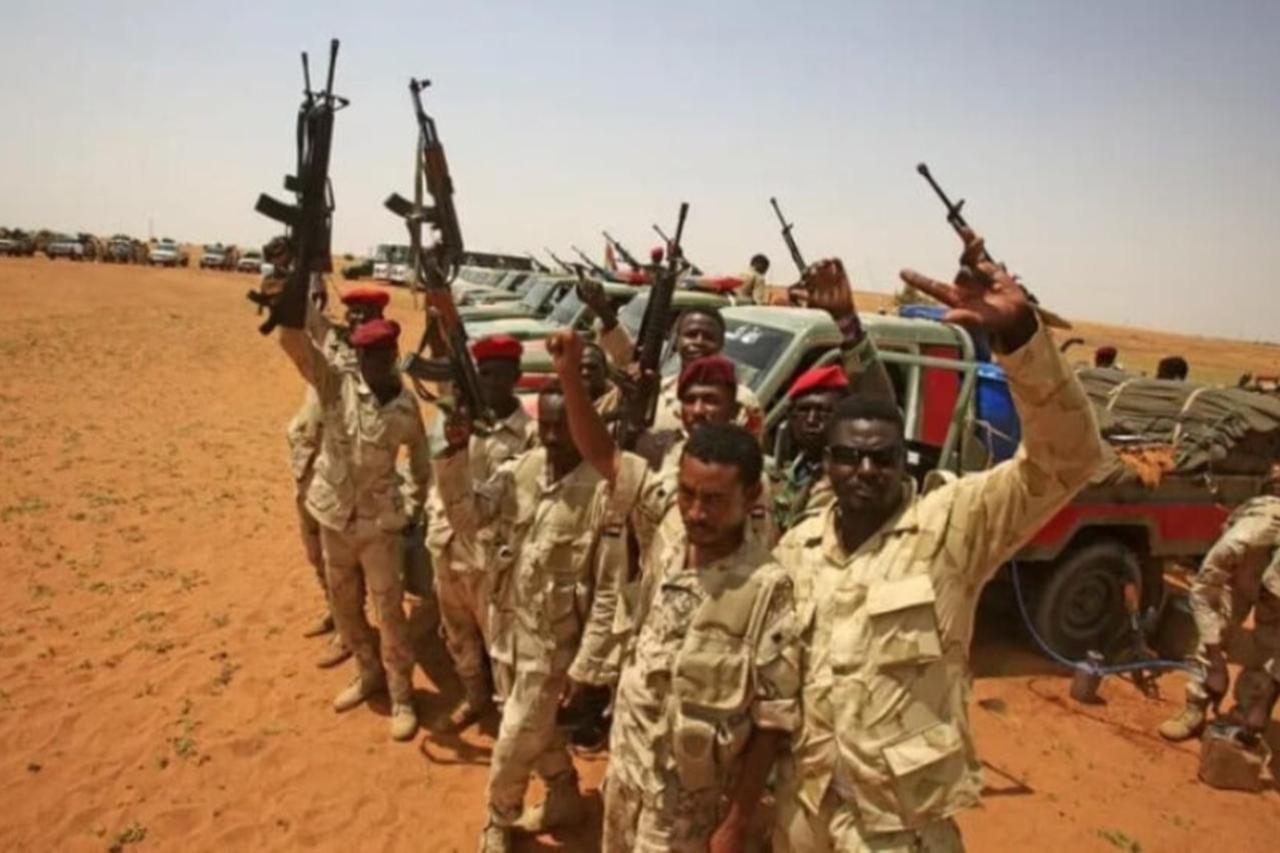
The RSF, which has fought Sudan's regular army since April 2023, declared the strategic area under its control after government forces withdrew. The paramilitary group characterized the oil field's capture as "a turning point for the liberation of the entire country, given its economic importance."
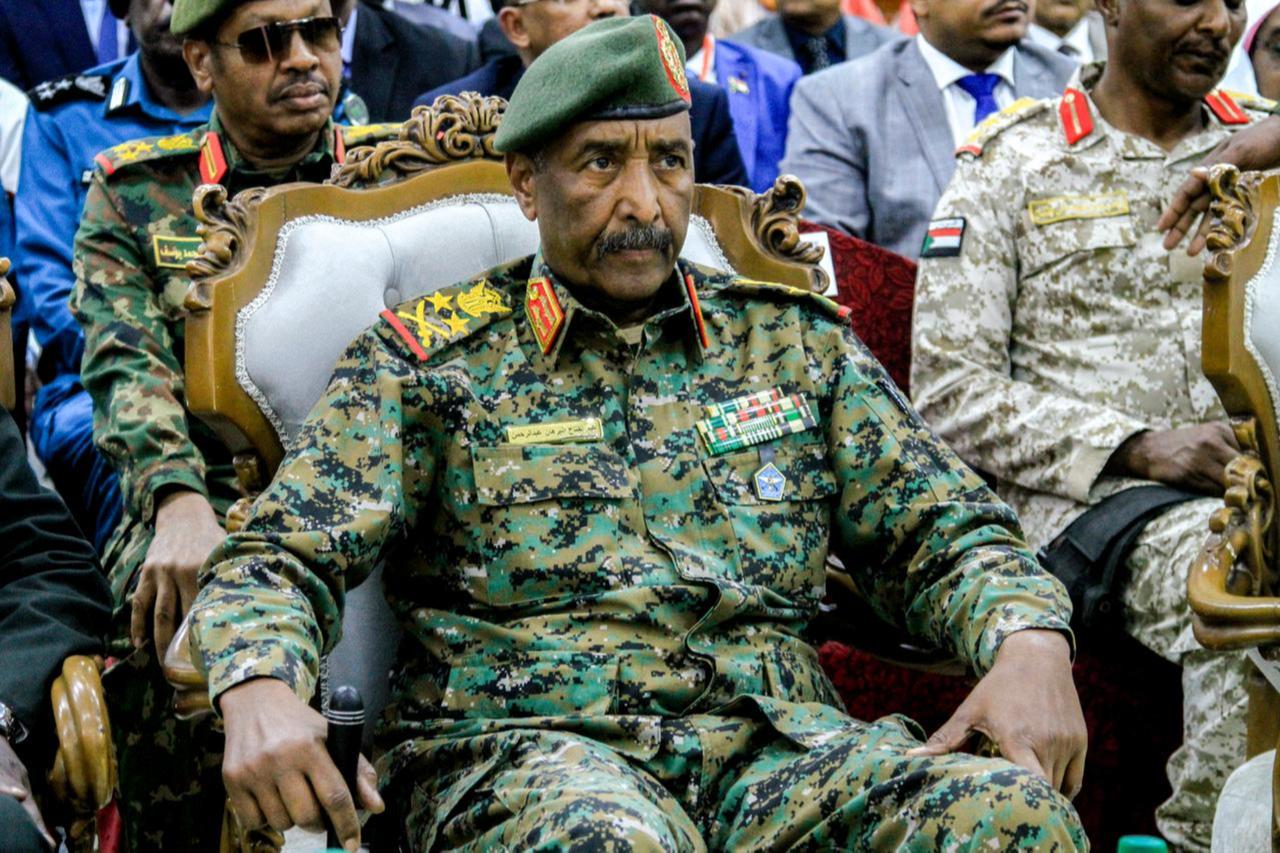
In a video statement posted on social media, Olony confirmed that his forces had disarmed the retreating Sudanese soldiers and taken possession of their equipment. He said South Sudanese troops were awaiting orders from President Salva Kiir and Sudanese army chief Abdel Fattah al-Burhan before potentially moving to secure the oil facility itself.
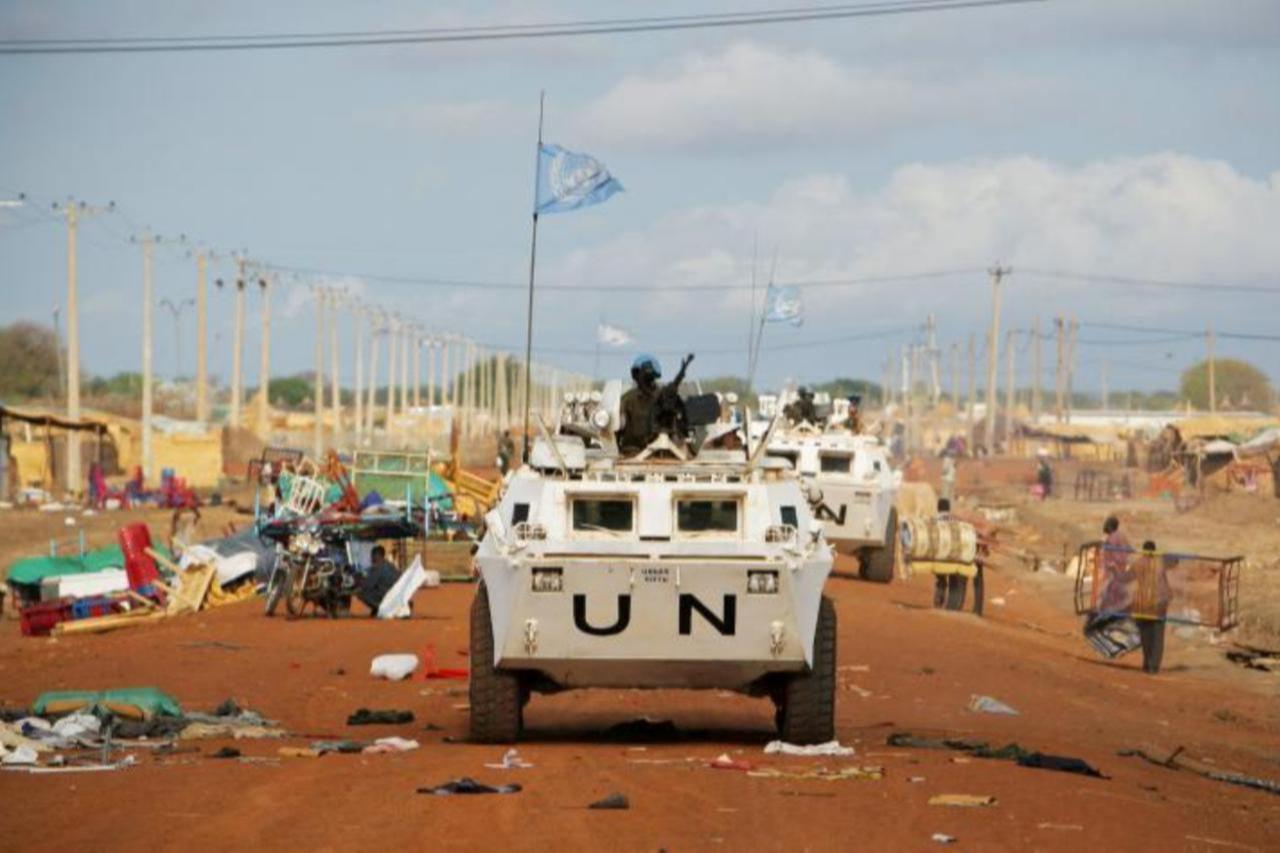

The fall of Heglig comes as the latest blow to Sudan's military, which has steadily lost ground to the RSF across the country. The oil field sits in southern Kordofan, a region that has emerged as the war's latest flashpoint after the paramilitaries consolidated control over the entire Darfur region in western Sudan in October.
A former Sudanese minister described the loss as a "disaster," reflecting the facility's outsized importance to both countries' economies.
The capture carries serious implications for South Sudan, which retained most of Sudan's petroleum reserves when it gained independence in 2011. Heglig houses the primary processing facility for South Sudanese crude oil bound for international markets, creating an unusual interdependence between the two nations despite their separation.
South Sudan, the world's youngest country, has grappled with persistent instability and widespread poverty since its founding, even as it sits atop substantial fossil fuel deposits. The potential disruption to oil processing operations threatens to further strain the impoverished nation's already fragile economy.
The civil war between Sudan's army and the Rapid Support Forces has exacted a devastating toll on the nation. The conflict has claimed tens of thousands of lives and forced 12 million people from their homes, while systematically destroying the country's infrastructure and economy across nearly two years of fighting.


 Set as preferred source
 Set as preferred source


 1 min read
 1 min read