Newsletters


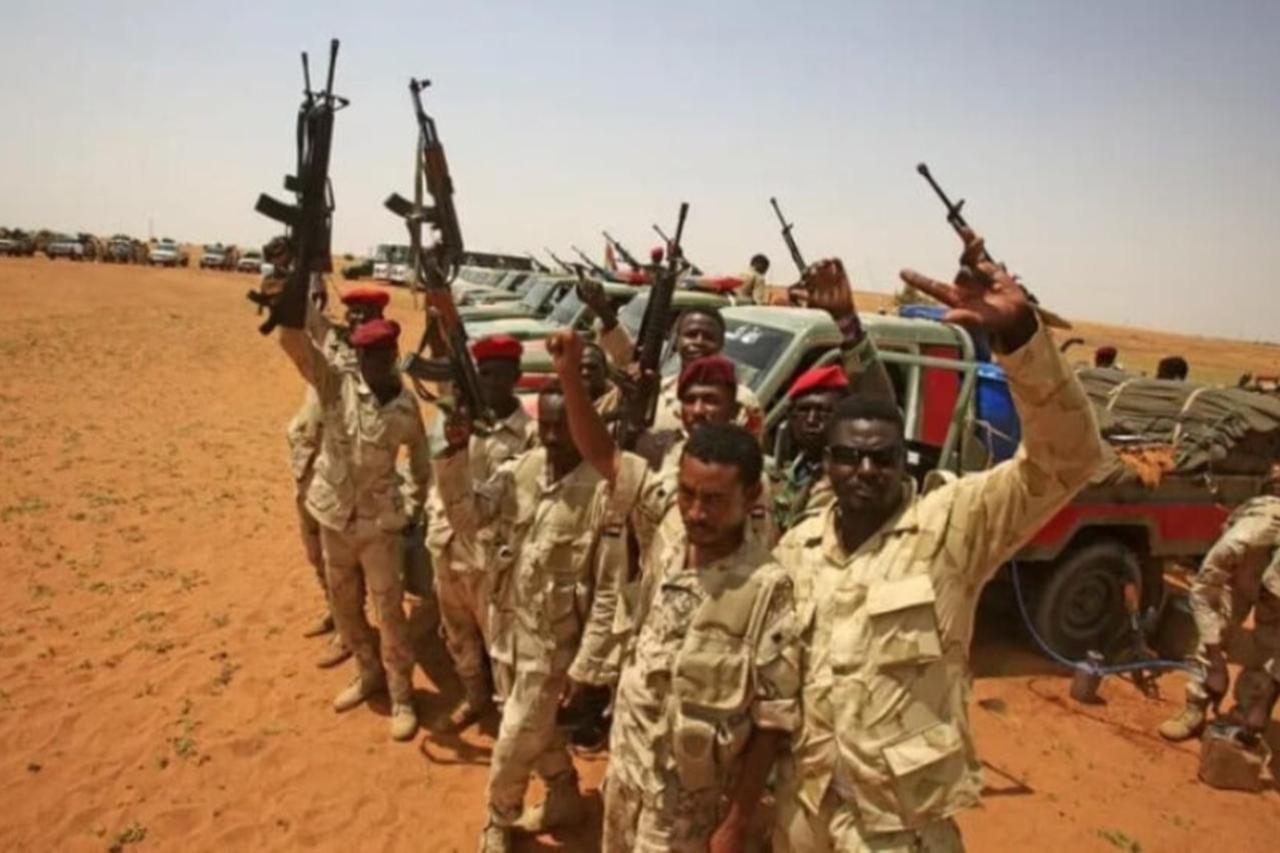


Sudan's government said Sunday it is willing to pursue political dialogue to end the country's devastating civil war, but only if the paramilitary Rapid Support Forces disarm, vacate occupied cities, and cede security operations to state police.
Justice Minister Abdullah Dirif outlined Khartoum's hardline negotiating position during a panel discussion at the Doha Forum 2025, signaling that any meaningful settlement hinges on the rebel group's willingness to surrender its weapons and territorial control before substantive talks can begin.
The conditions represent a significant barrier to negotiations in a conflict that has raged for 20 months, leaving thousands dead and forcing millions from their homes across Africa's third-largest nation.
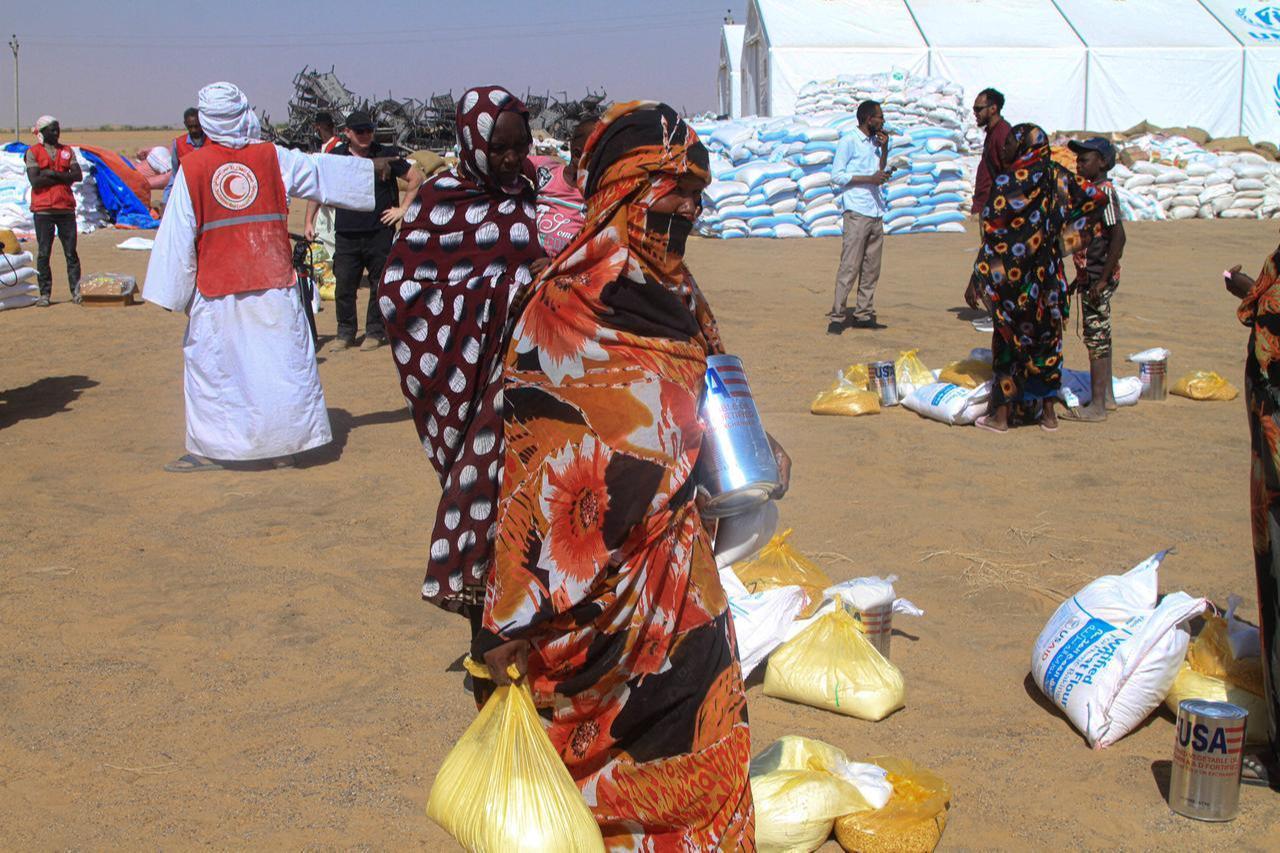

Dirif dismissed the possibility of peace negotiations while the RSF maintains its military presence in major population centers. The minister characterized the paramilitary fighters as criminals and terrorists, questioning how productive discussions could occur while they retain armed control of territory.
According to the government's framework, the RSF would need to surrender weapons in designated zones and withdraw entirely from cities before police forces assume security responsibilities. Dirif said Khartoum remains receptive to regional and international mediation but accused the rebel faction of systematically violating previous commitments.
"The last initiative we signed was the Jeddah Declaration. However, this militia didn't commit to what we agreed on," he said.
The Jeddah Declaration, brokered in May 2023 by the United States and Saudi Arabia, established protocols for protecting civilians during the early months of fighting between the Sudanese Armed Forces and the RSF. Multiple ceasefire agreements followed the initial accord, but both sides repeatedly violated the truces while trading blame for the breakdowns.
Washington and Riyadh eventually suspended their mediation efforts after the warring parties failed to honor the agreements. The collapse of the Jeddah process left Sudan without a clear diplomatic pathway toward resolution, though various regional actors have attempted to facilitate dialogue.
The paramilitary force has consolidated its grip on western Sudan, controlling all five states in the Darfur region. The rebel group captured El-Fasher, the capital of North Darfur state, on October 26 in an offensive that local and international monitors say resulted in civilian massacres and displaced more than 40,000 people.
The Sudanese army maintains control over most of the country's remaining 13 states, including the capital Khartoum. The RSF, which emerged from Arab militias that fought in Darfur's earlier conflicts, commands an estimated tens of thousands of fighters and has received weapons and support from various external sources, according to international observers.
The civil war erupted in April 2023 when long-simmering tensions between the army and the paramilitary force exploded into open combat. The fighting shattered Sudan's fragile transition toward civilian rule following the 2021 military coup that toppled the power-sharing arrangement established after longtime autocrat Omar al-Bashir's ouster.


 Set as preferred source
 Set as preferred source


 1 min read
 1 min read