Newsletters




Iraq, Syria and the U.S. plan to revive a historic 500-mile pipeline from Iraq to Syria's Mediterranean coast as part of efforts to reduce Iran's control of the Strait of Hormuz, senior Iraqi and regional officials reportedly told Middle East Eye.
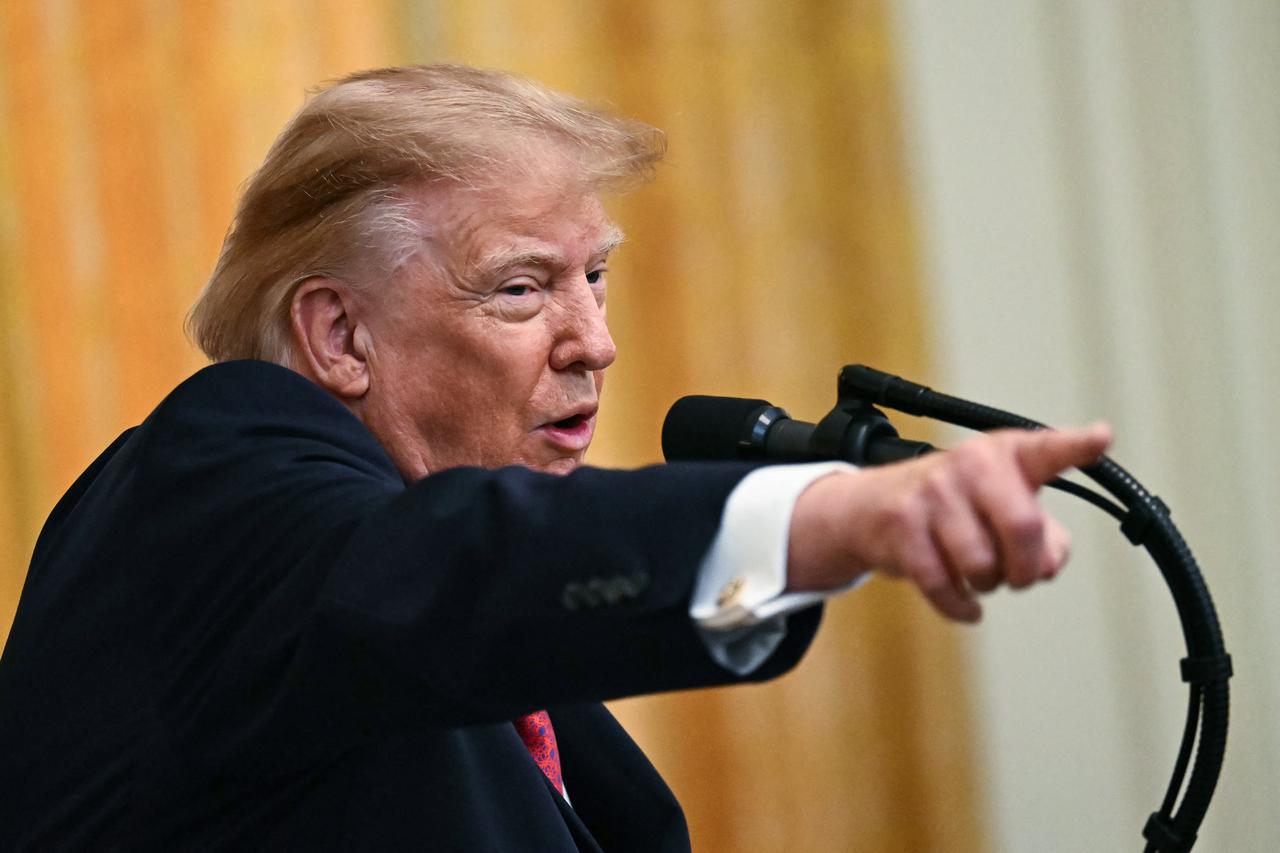
The agreement, which would restore a pipeline originally running from the northern Iraqi city of Kirkuk to the Syrian port town of Baniyas, is expected to be unveiled next week when Iraqi Prime Minister Ali al-Zaidi meets U.S. President Donald Trump at the White House, the officials told MEE.
Syria's foreign minister, Asaad al-Shaibani, is also expected to visit the U.S. for the signing ceremony, regional sources told the outlet.
Tom Barrack, Trump's ambassador to Türkiye and envoy to Syria and Iraq, has been working on the details of the agreement ahead of Zaidi's visit, which is also expected to include a stop in Texas, the U.S. energy hub state.
A senior Iraqi official told MEE that Barrack has developed a good working relationship with Zaidi and wants to use the pipeline as a model for business projects in the Levant that he has promoted as benefiting the U.S. and local governments.
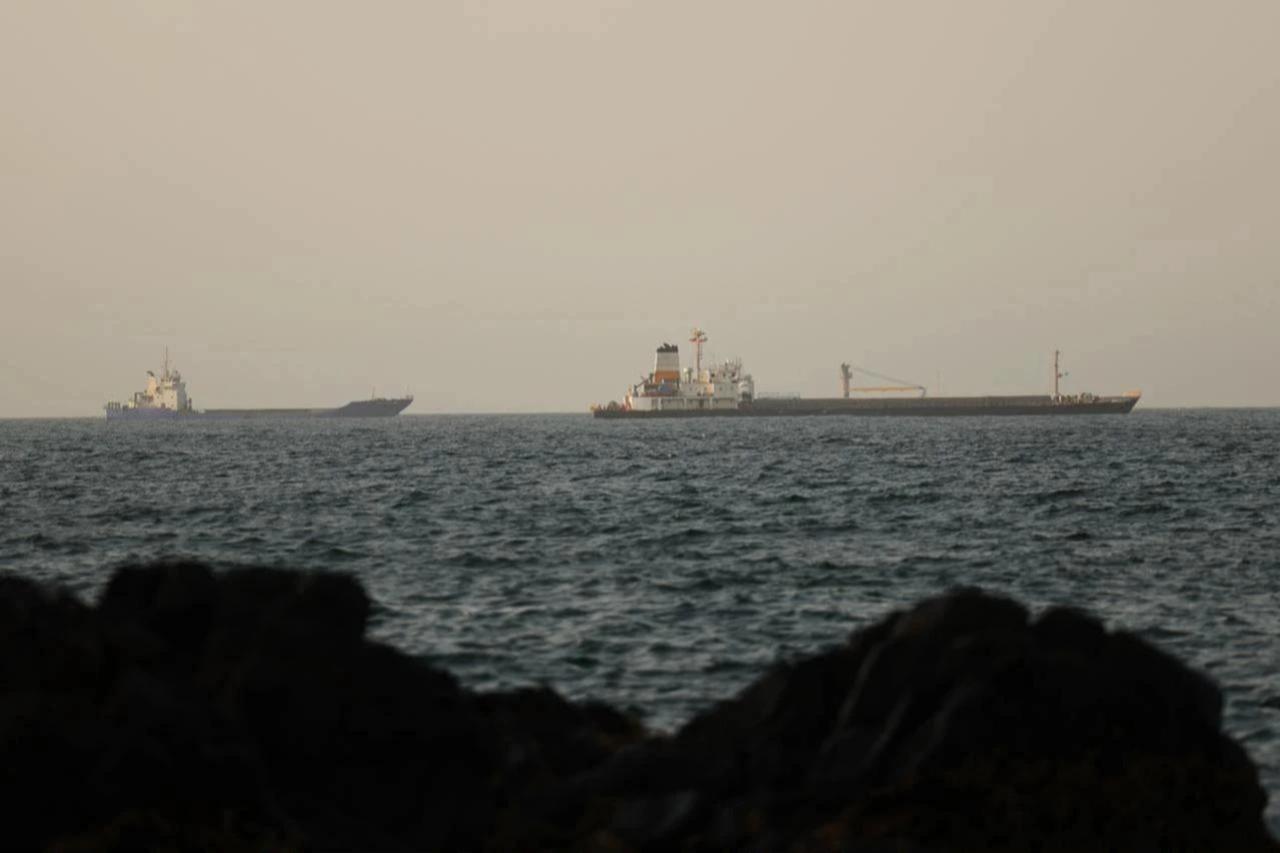
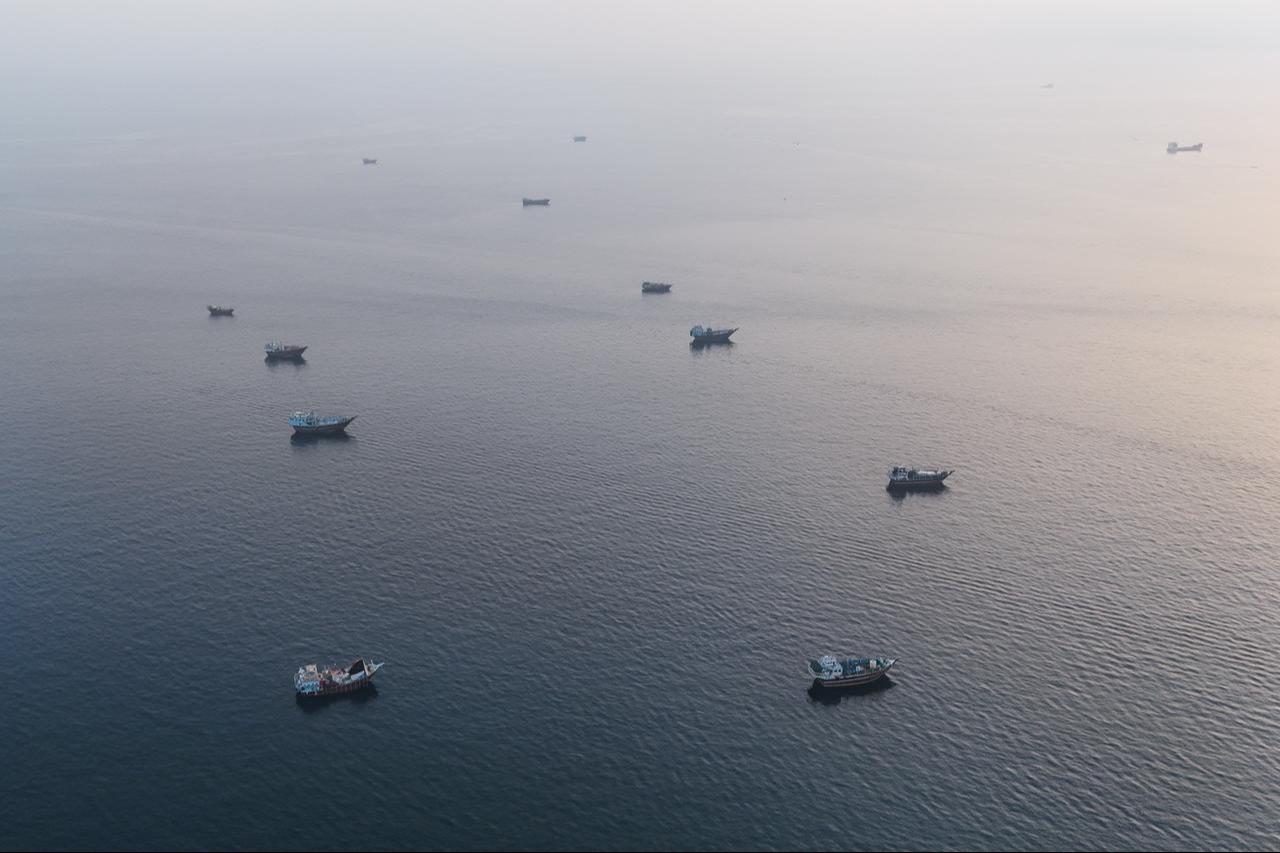
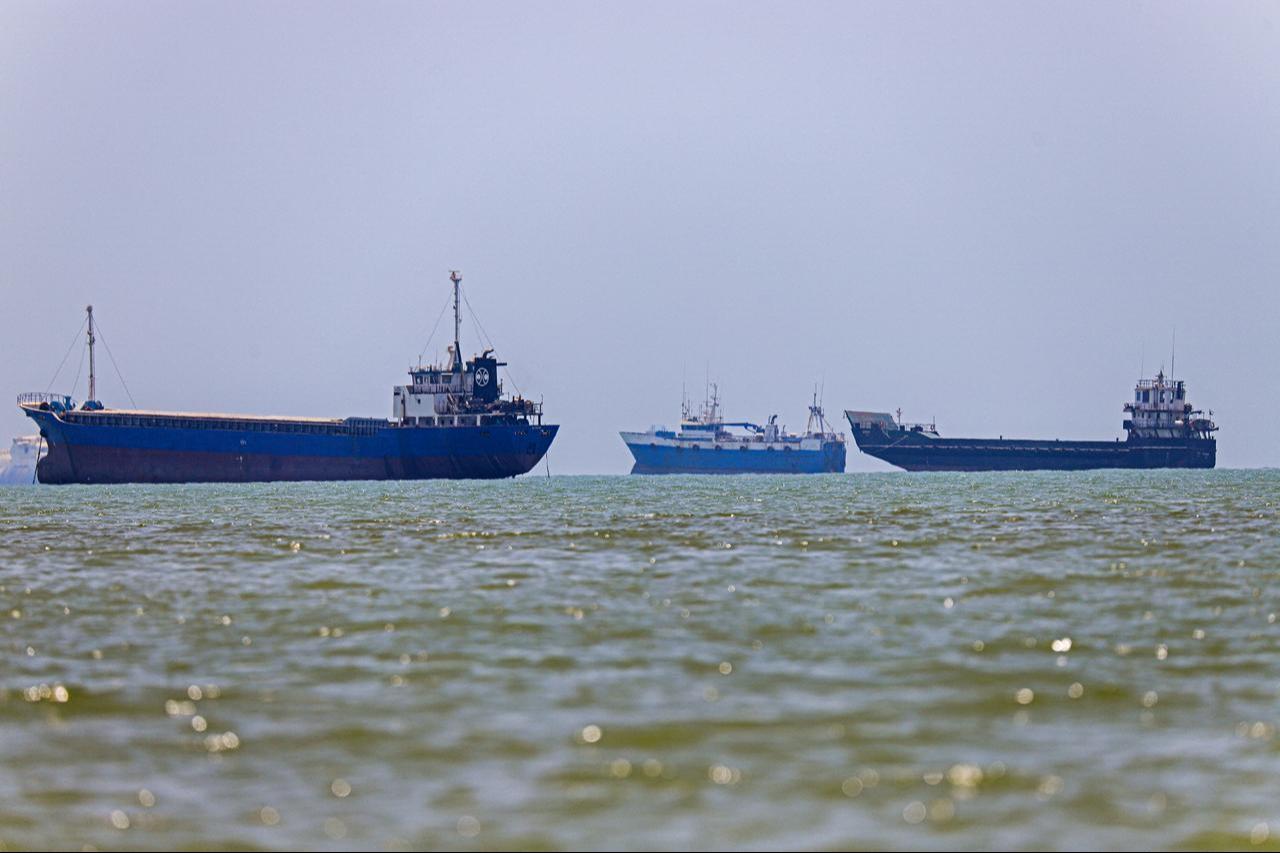
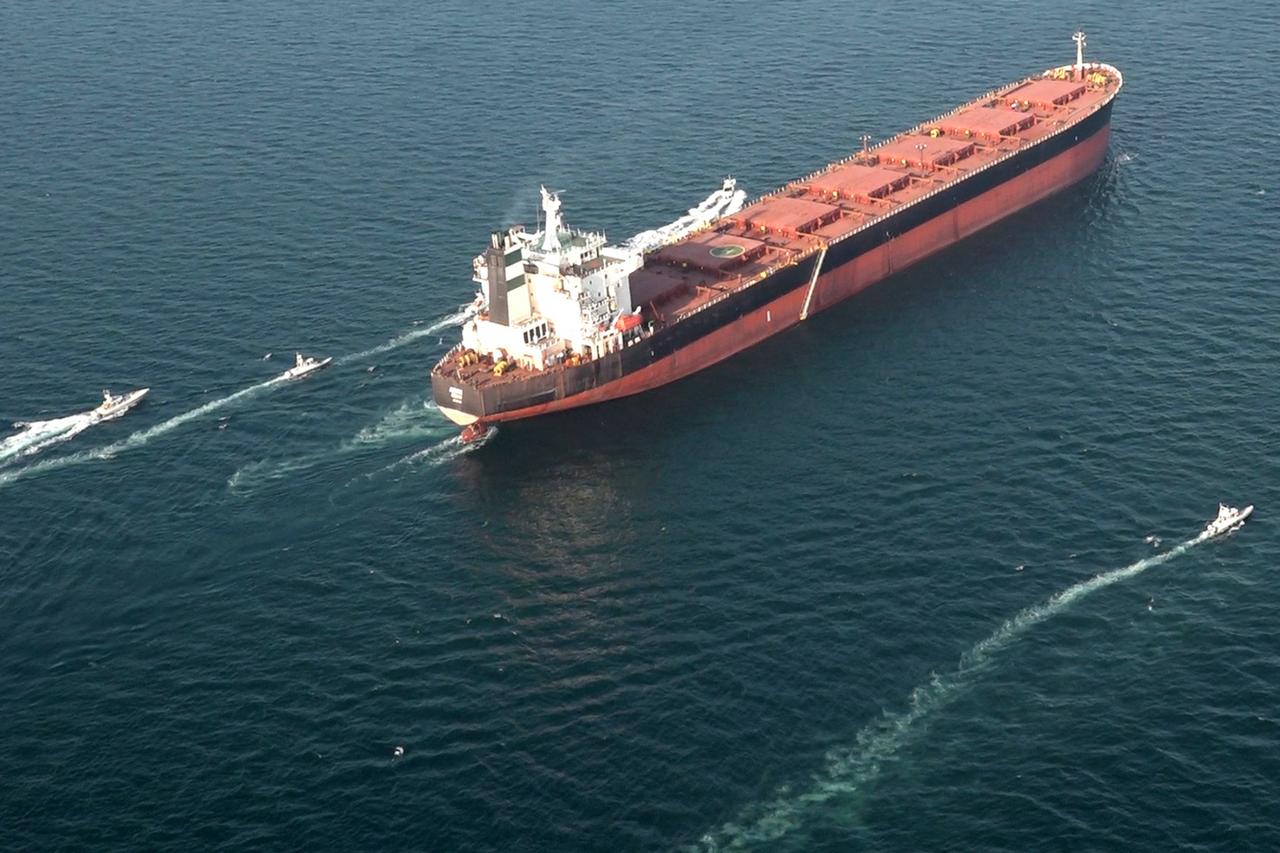
The planned deal comes as the Baniyas pipeline has gained new urgency after Iran asserted control over the Strait of Hormuz in response to the U.S.-Israeli war.
Iraq began exporting crude by tanker trucks through Syria during the war, but the volumes were small.

The pipeline was completed in 1952 by Iraq's Petroleum Company with a capacity of around 300,000 barrels per day.
Baghdad shut the pipeline in the 1980s after Syria sided with Iran during the Iran-Iraq war.
The line was heavily damaged after the 2003 U.S. invasion of Iraq and is now effectively defunct.
The pipeline needs extensive repairs, including new storage tanks, pumps and electrical systems.
One senior regional official told MEE that the pipeline would likely need to be replaced entirely, with a two- to three-year timeline.
The official said a consortium of U.S. firms had already been enlisted for the reconstruction, signaling Washington's commitment to the project.
Syria and Iraq considered reviving the pipeline in late 2024, after Islamist militias loyal to President Ahmad al-Sharaa ousted longtime ruler Bashar al-Assad, but the preliminary talks failed to gain traction.
"Iraq has started to see Syria in a different light," Sarhang Hamasaeed, an independent Iraqi analyst, told MEE.
"Prior to the war, it was skepticism. The reality of the war made it clear that Iraq needs Syria," he said.
Baghdad's government is dominated by Shia political parties and militias close to Iran. They have been wary of working with Sharaa, a Sunni Muslim who founded al-Nusra Front, al-Qaeda's Syrian branch, over a decade ago.
Sharaa entered the U.S. orbit after toppling Assad and has close backing from Türkiye and Gulf states, including Qatar and Saudi Arabia.
The Trump administration has lifted multiple layers of sanctions on Syria, including on Sharaa's former rebel group, Hay'at Tahrir al-Sham.
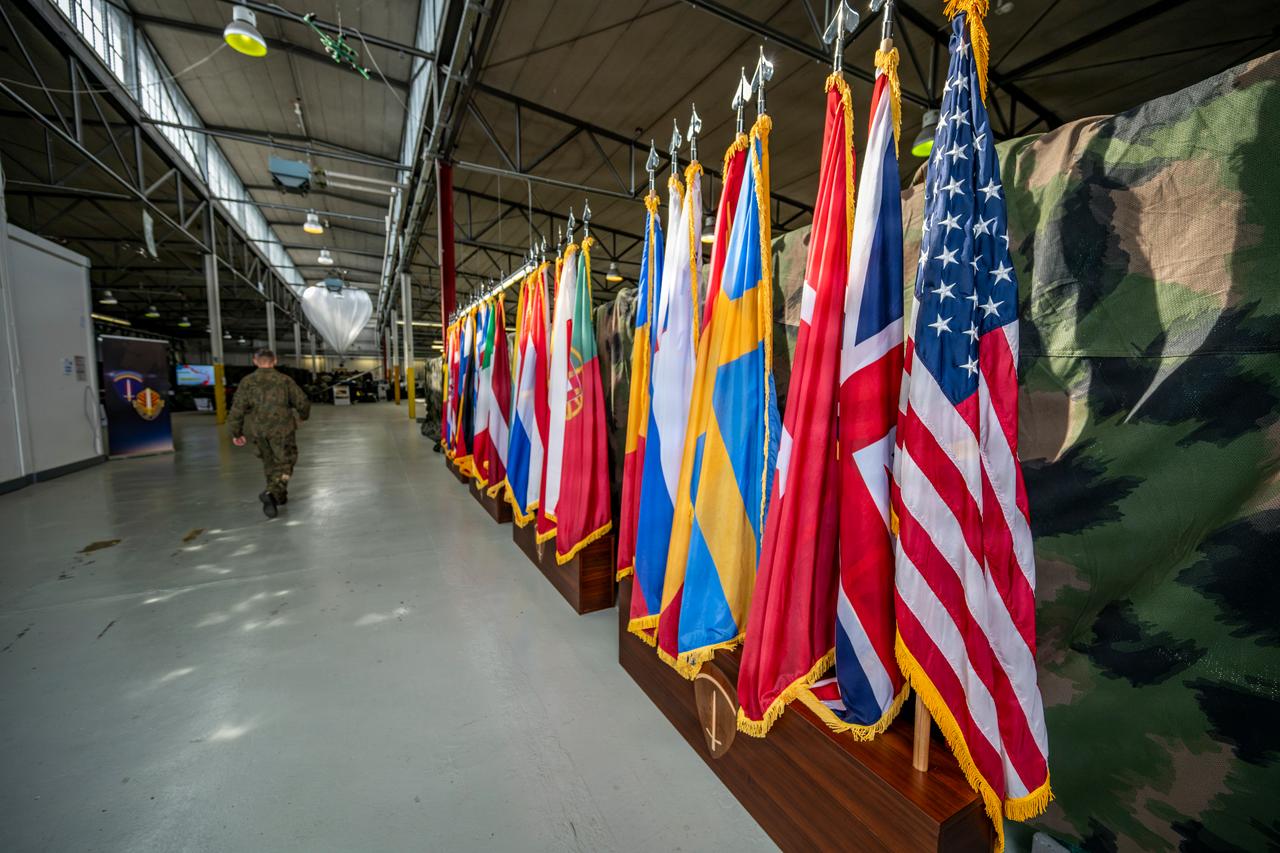
Trump praised Sharaa at a NATO summit in Ankara last week, calling him "fantastic" and "highly respected."
The U.S. announced last week that it would remove Syria from the list of State Sponsors of Terrorism, a designation Syria has had since 1979.
MEE said the move could help U.S. firms work on the pipeline project.
Earlier this month, Iraq's government approved a preliminary deal for U.S. companies Capital TI and Chevron, along with a Qatari firm, to explore pipeline projects running to Baniyas from Kirkuk and Haditha, an oil hub in Iraq's Anbar province.
Iraq is among the countries most vulnerable to Iran's hold over the Strait of Hormuz.
It relies on the strait to export 95% of its oil.
Despite the closeness of some Iraqi militias to Iran, Iraq has been unable to export its oil, MEE reported.
Energy analytics firm Vortexa said last month that Iraq's seaborne oil exports in May were just 8% of last year's average.
Oil sales make up 90% of the state budget.


 Set as preferred source
 Set as preferred source


 1 min read
 1 min read