Newsletters


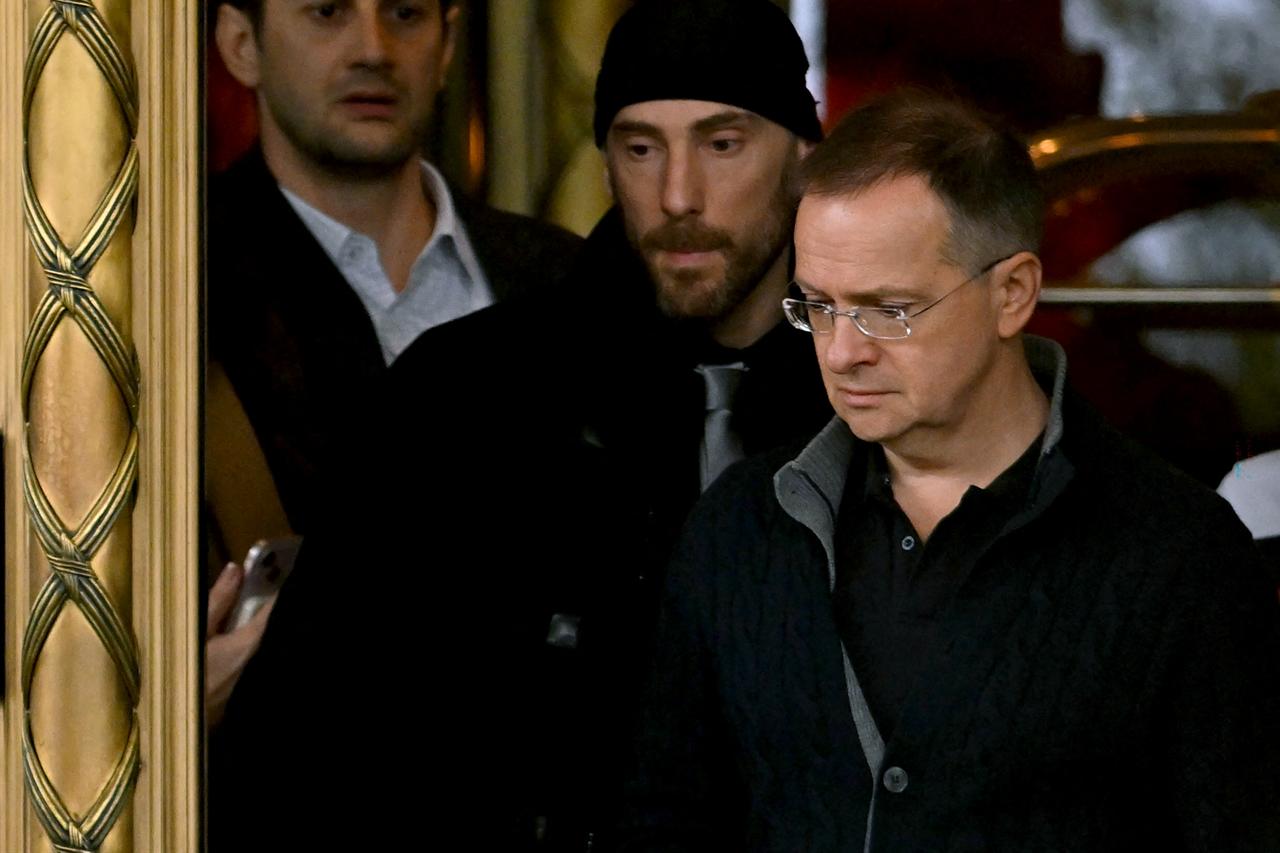


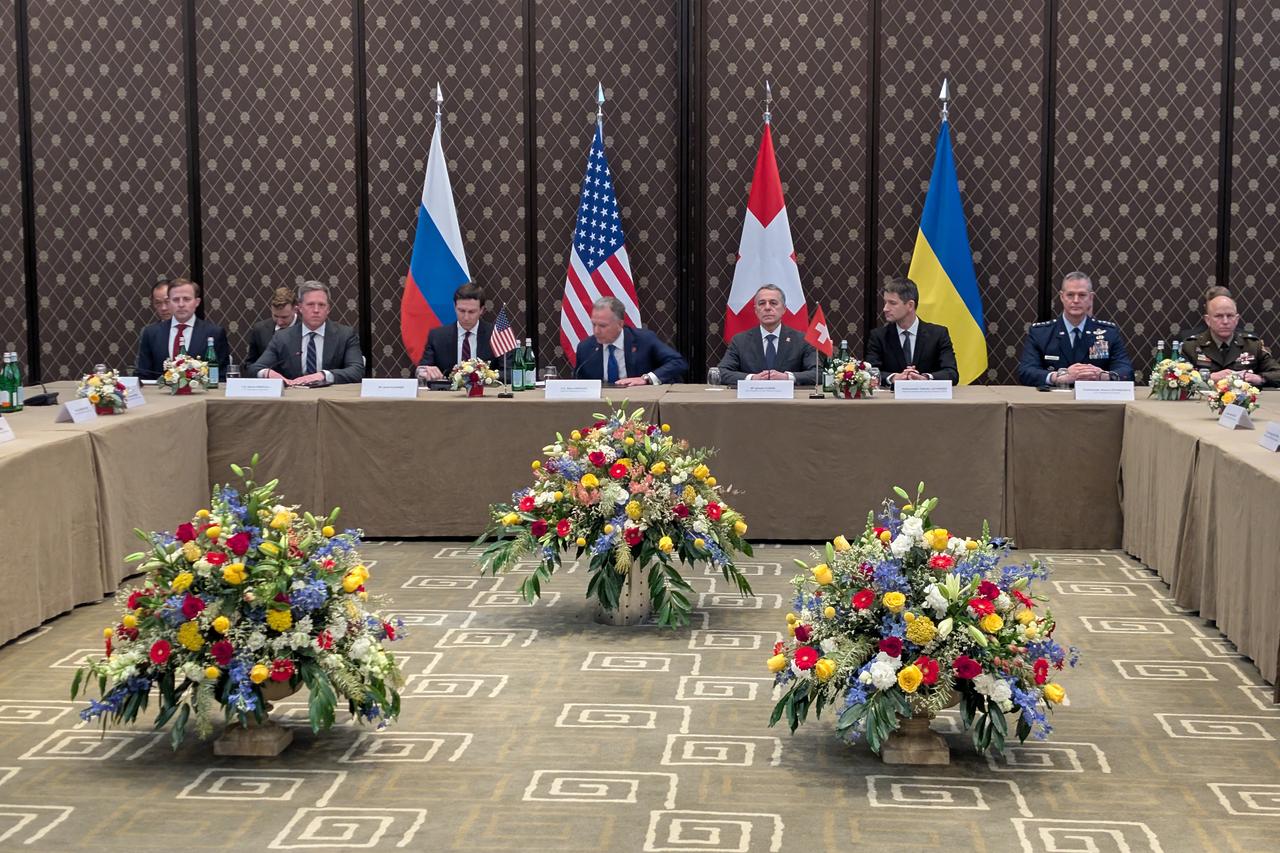
Trilateral negotiations between Russia, Ukraine and the United States aimed at ending the war in Ukraine concluded in Geneva on Wednesday without a significant breakthrough, as the two warring sides remain deeply divided over the fundamental question of territory.
The talks, which ran late on Tuesday before wrapping up after just two hours on Wednesday, yielded limited progress on some military matters but failed to bridge the gap between Moscow's demand for full control of eastern Ukraine's Donbas region and Kyiv's refusal to cede sovereign territory.
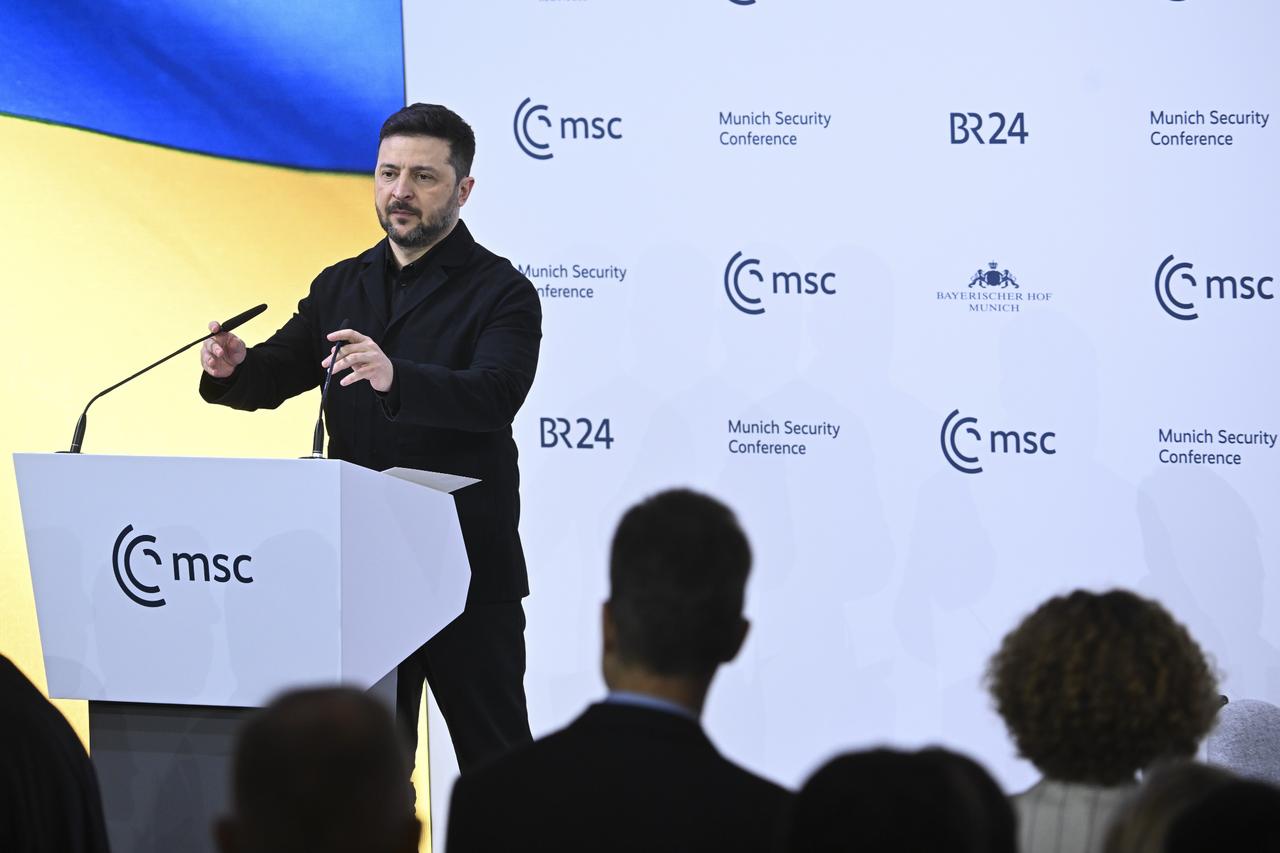
Though US envoy Steve Witkoff had struck an optimistic tone heading into the negotiations, both sides acknowledged the difficulty of the discussions. Ukrainian President Volodymyr Zelenskyy called the talks "not easy" given the gulf between the two sides' positions, while Kremlin negotiator Vladimir Medinsky described them as "difficult" but "businesslike."
In a notable development after the main session concluded, Medinsky returned to the venue and held a closed-door meeting with the Ukrainian delegation lasting roughly ninety minutes. No details from that separate session have been disclosed.
Ukraine's chief negotiator Rustem Umerov offered a more measured assessment, calling the discussions "substantive and intensive" and indicating that while progress had been made, specifics could not yet be shared. "This is complex work that requires alignment among all parties and sufficient time," Umerov said.
A Ukrainian diplomatic source indicated some headway had been made on military issues, including the location of the front line and ceasefire monitoring arrangements. However, without resolution on the territorial question, any ceasefire remains out of reach.
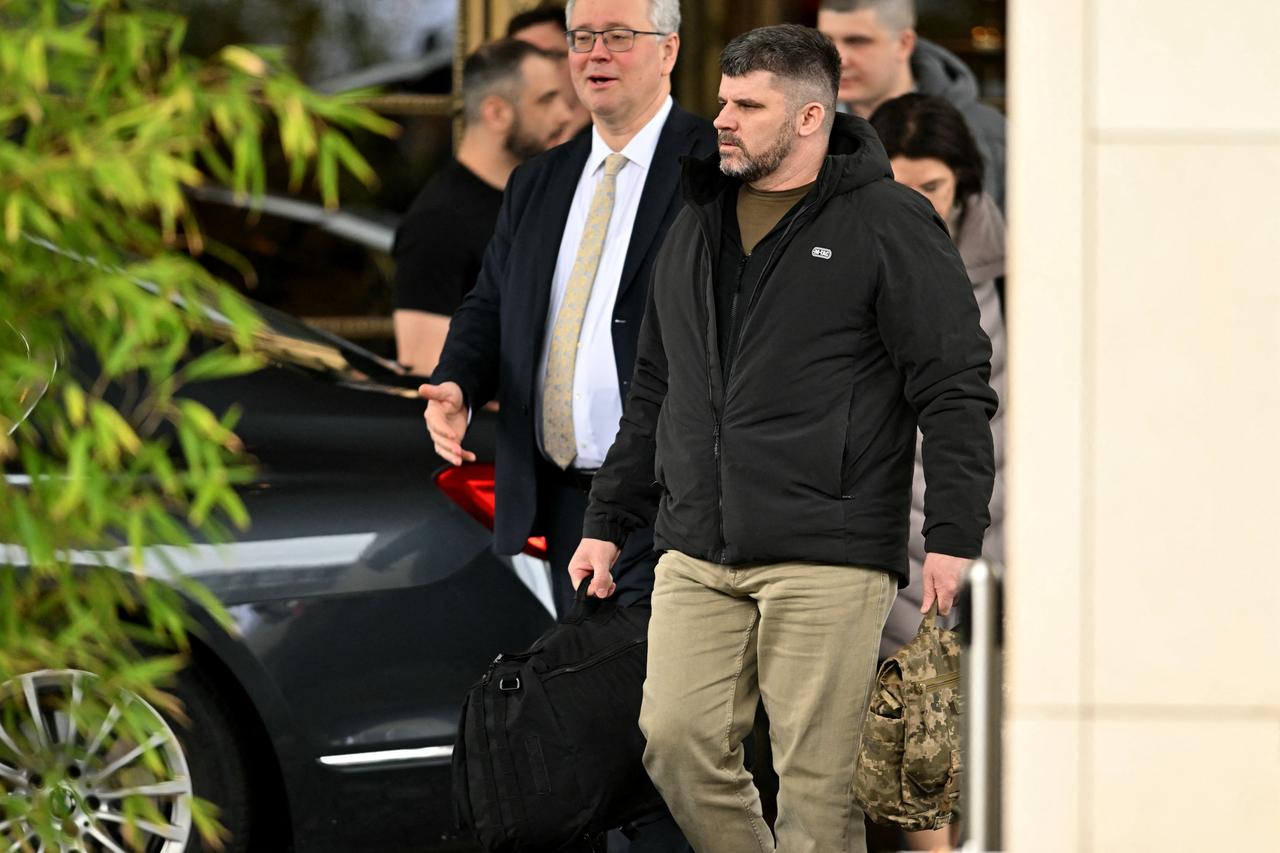

Russia has held firm in its demand for complete control of the Donbas, comprising the Donetsk and Luhansk regions, a position Ukraine considers unacceptable. Kyiv views the surrender of heavily fortified cities and defensive lines in Donetsk as both a strategic and existential risk, with many Ukrainians believing it would leave the country exposed to future Russian aggression.
Zelenskyy himself has drawn parallels with the 1938 Munich Agreement, when European powers permitted Nazi Germany to annex Czechoslovakia's Sudetenland. On Tuesday, he told US media outlet Axios that any plan to hand over the Donbas would be rejected by Ukrainians if put to a referendum.
The status of the Zaporizhzhia Nuclear Power Plant, Europe's largest, presents another major obstacle. The facility, situated on the front line, has been under Russian control since March 2022. Ukraine wants it returned, and Zelenskyy has previously proposed sharing control of the plant with the Americans, an arrangement Moscow is unlikely to accept.
Shortly before the end of the talks was announced, Zelenskyy accused Russia of "trying to drag out negotiations that could already have reached the final stage."
The Geneva meeting comes amid growing pressure from US President Donald Trump, who has spearheaded diplomatic efforts to end the conflict. On Monday, Trump said Ukraine had "better come to the table, fast," a remark Zelenskyy rejected as "not fair," arguing his country should not be the one asked to compromise.
Officials from Britain, France, Germany and Italy were present in Geneva and held discussions with the Ukrainian side on the margins of the trilateral meeting. European representatives have struggled to secure inclusion in the US-led process, but Zelenskyy insisted European participation was "indispensable" for any final agreement.
Medinsky said another round of talks would take place "soon," and Zelenskyy indicated that a new prisoner exchange might also be forthcoming, following a swap that resulted from the last round of US-brokered talks in Abu Dhabi in January.
Next Tuesday marks the fourth anniversary of Russia's full-scale invasion of Ukraine, a war that has killed tens of thousands of soldiers and civilians and displaced millions across the country, with deadly aerial attacks continuing daily.


 Set as preferred source
 Set as preferred source


 1 min read
 1 min read