Newsletters


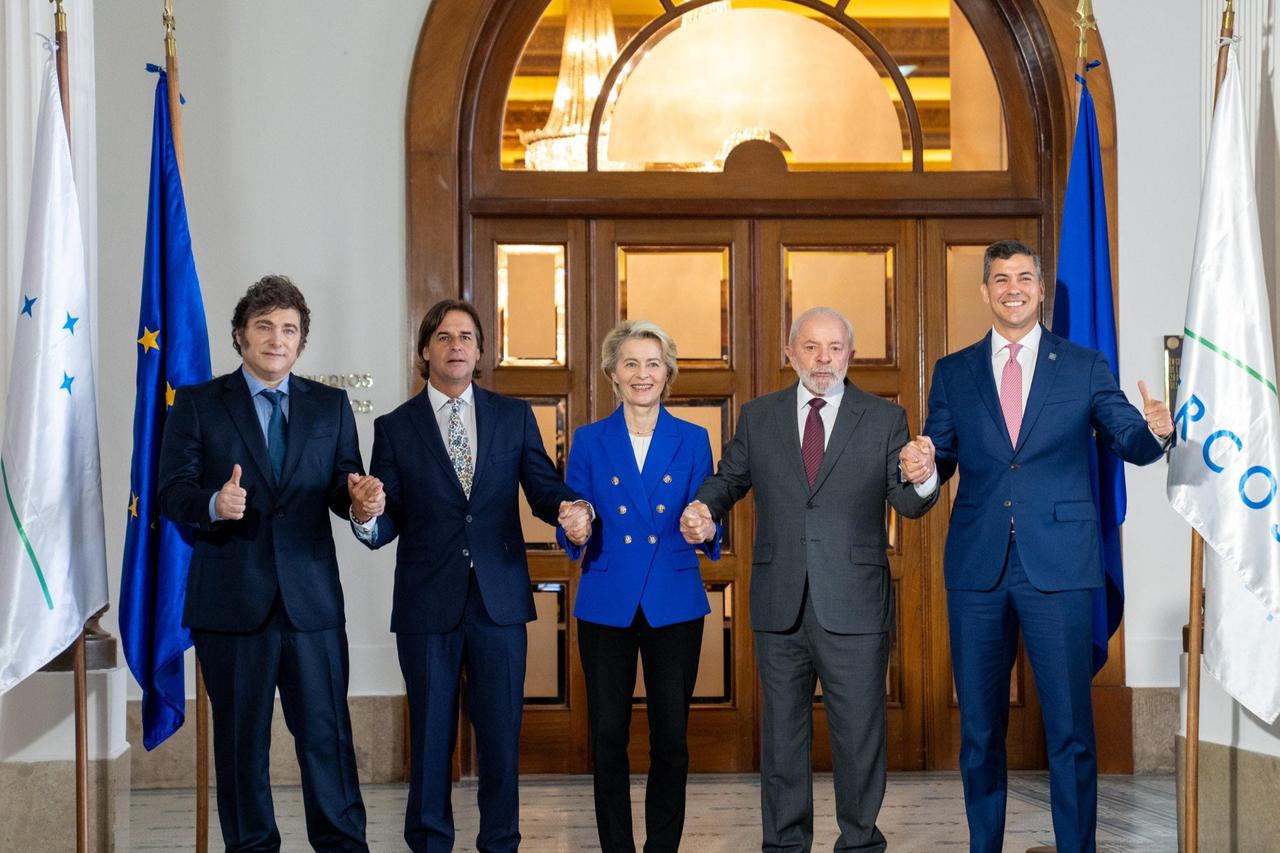


After over 25 years of intermittent negotiations, the European Union and the Mercosur bloc—Brazil, Argentina, Paraguay, and Uruguay—have reached a landmark trade agreement. If fully ratified, the pact would create one of the largest free trade areas in the world, linking markets that collectively account for over 700 million consumers.
At its core, the agreement aims to dismantle tariffs on more than 90% of traded goods between the two blocs. European officials estimate that this alone could save EU companies roughly $5 billion annually in customs duties, improving price competitiveness across multiple sectors.
Yet the scale of the deal has also amplified scrutiny. Beyond the headline figures, the agreement forces Europe to confront a deeper question: whether economic and geopolitical gains justify the domestic disruptions and regulatory compromises that critics say the pact entails.


On the European side, industrial exporters stand to benefit most from the agreement. Machinery, chemicals, and pharmaceutical products are expected to gain improved access to South American markets, where high tariffs have long constrained European competitiveness.
The automotive sector, particularly in Germany and France, is also positioned as a major beneficiary. Reduced duties and streamlined regulations could significantly boost vehicle and parts exports to Mercosur countries, where demand for European brands remains strong.
For Mercosur economies, the anticipated gains are broader. Tariff reductions are expected to stimulate growth, improve consumer welfare, and attract investment. Importantly, the deal is also seen as a catalyst for upgrading agri-food production, encouraging a shift from raw commodity exports toward higher-value, processed goods.
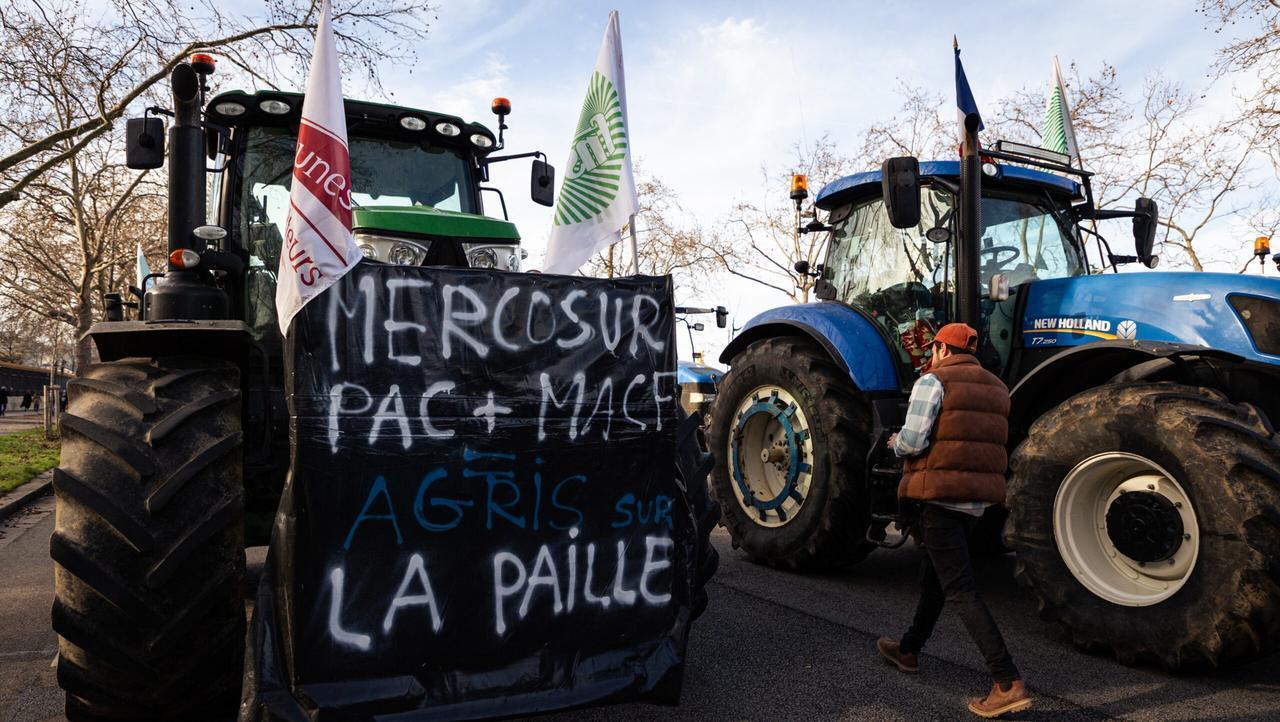
The strongest opposition to the pact has emerged from Europe’s agricultural sector. Farmers in France, Poland, Ireland, and several other countries have mobilized against the agreement, warning that cheaper imports of beef, poultry, and sugar could undercut local producers already operating on thin margins.
Beyond price competition, critics highlight regulatory asymmetries. European farmers are subject to strict environmental, animal welfare, and pesticide rules, while Mercosur producers may operate under looser standards.
Opponents argue that this creates unfair competition and risks importing environmentally harmful practices.
In response, the European Commission has proposed substantial compensation measures, including a pledge of roughly $50 billion in support for the agricultural sector. However, key member states, most notably France, remain unconvinced that financial offsets can adequately address structural concerns.
The renewed momentum behind the EU–Mercosur pact is closely tied to geopolitical causes and the shifting global trade landscape. Heightened trade tensions with the United States, particularly during periods of tariff escalation, have pushed Europe to diversify export destinations and reduce dependence on any single market.
At the same time, the agreement is widely viewed as a strategic response to China’s expanding economic footprint in Latin America. By deepening trade ties with Mercosur countries, the EU aims to reinforce its presence in the Western Hemisphere and offer an alternative to Beijing’s investment-driven approach.
This recalibration comes amid a broader global trend toward protectionism and supply chain fragmentation. For European policymakers, securing long-term access to open markets has become a priority not just for growth but for economic resilience.
While it might be disruptive in the short term, the pact arguably increases the competition and ultimately enhances efficiency and innovation. From this perspective, lowering barriers yields cumulative gains that outweigh localized losses, particularly in advanced industrial economies.
Despite negotiators reaching a consensus and the most important barriers being removed, the deal must still clear the European Parliament and navigate ratification processes in member states, where agricultural lobbies wield significant influence.


 Set as preferred source
 Set as preferred source


 2 min read